here Image courtesy of Wikimedia Commons user: Jeffrey Pfau This article has been updated to clarify that the research referred to the bluestones and not all the stones of Stonehenge, see comment by Dr. Brian John in the comment section.]]>
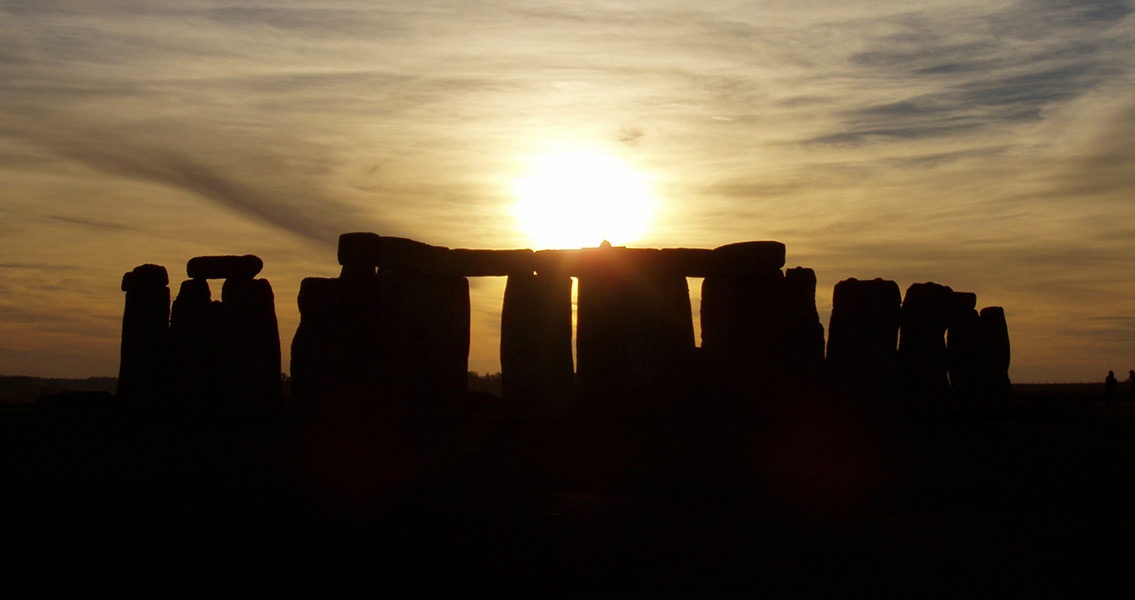
here Image courtesy of Wikimedia Commons user: Jeffrey Pfau This article has been updated to clarify that the research referred to the bluestones and not all the stones of Stonehenge, see comment by Dr. Brian John in the comment section.]]>
3 replies on “Rocks of Stonehenge Moved by Glaciers Says New Study”
Just came across this. As one of the authors, can I make clear that we are referring just to the smaller bluestones at Stonehenge, and not the larger sarsen stones? The bluestones have come from many different sources — and the archaeologists claim that they have found the quarry where monoliths of just one rock type (foliated rhyolite) came from. There are no monoliths of this rick type at Stonehenge — just rock fragments in the soil. We have looked at the proposed “quarry” and think that all of the features are entirely natural.
Thanks for your comment, I’ll update the article to make that clear.
I’m not convinced they have found evidence of a quarry, ancient human activity seems very slight at Craig Rhos-y-felin. However, you must equally concede that there is no evidence of glaciation on Salisbury Plain.