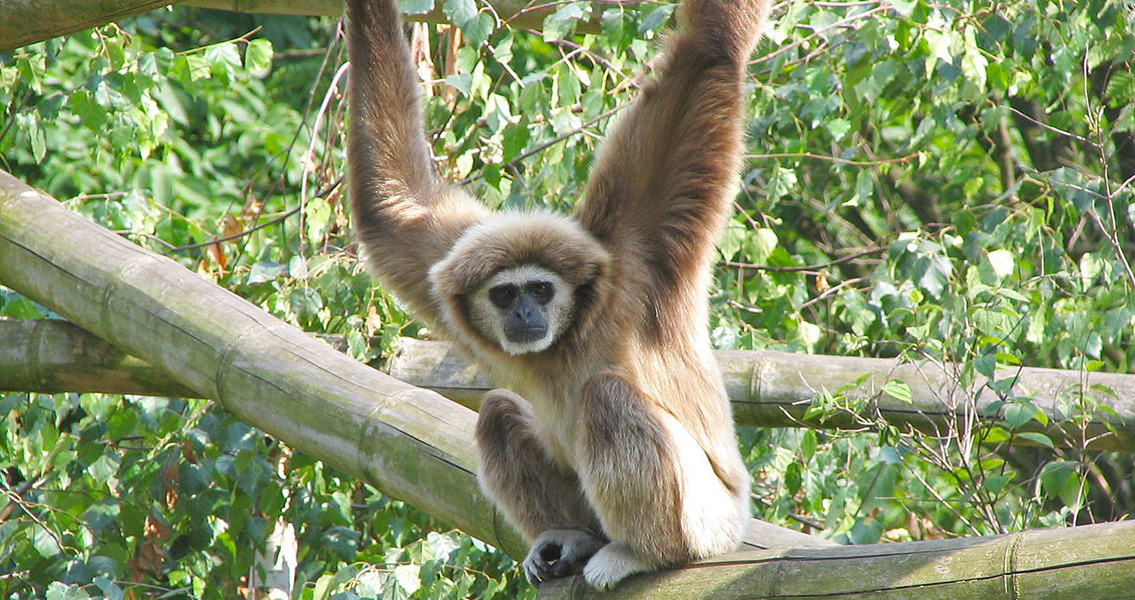
Pliobates cataloniae, seems to have lived before this split between great and lesser apes occurred. This suggests that either the two branches of apes co-existed or that instead of lesser apes evolving from great ones, it was the other way round, one of the authors of the study, published in Science, told EurekAlert. Sergio Almecija, an anthropologist at George Washington University, added that the species provides a missing chapter to the beginnings of human and ape evolution. This missing chapter fills a void in the fossil record; the reason scientists believed that lesser apes originated from great apes was the lack of lesser ape fossils from the time when great apes first evolved. While the authors of the study lean towards the suggestion that lesser apes contributed to the evolution of great apes, other scientific sources, cited by Science News, counter with the argument that Pliobates cataloniae could be an ancestor of just lesser apes, having nothing to do with great apes. In support of this argument, these critics note that lesser apes are believed to have split from the great ones around 14 million years ago, even though their origins remain shrouded in mystery. To arrive at their conclusions, the research team that analysed the fossils, led by David Alba from the Catalan institute, conducted more than 300 measurements of the 70 bones – of the teeth, the skull, and the lower body. These measurements revealed that the ancient species was closest to the modern ape family of several other ancient and now extinct ape-like species known to science. Alba told Science News that based on the analysis of the Pliobates cataloniae fossils, it could be suggested that the last common ancestor of apes and humans may have been much smaller than previously believed. In fact, P. cataloniae was really tiny: at between four to five kilos, it was as small as the smallest modern gibbons. Its facial characteristics were also very gibbon-like, the researchers note. Yet it also had monkey-like features, such as wide ear openings. The question remains open as to whether the small animal was a descendant of a common ancestor of humans and lesser apes but one thing seems to be more or less clear: its discovery in Spain could turn out to be the first evidence that lesser apes migrated from Africa to Europe, the research team’s leader noted. For more information: Miocene small-bodied ape from Eurasia sheds light on hominoid evolution Image courtesy of Wikimedia Commons user: Matthias Trautsch ]]>
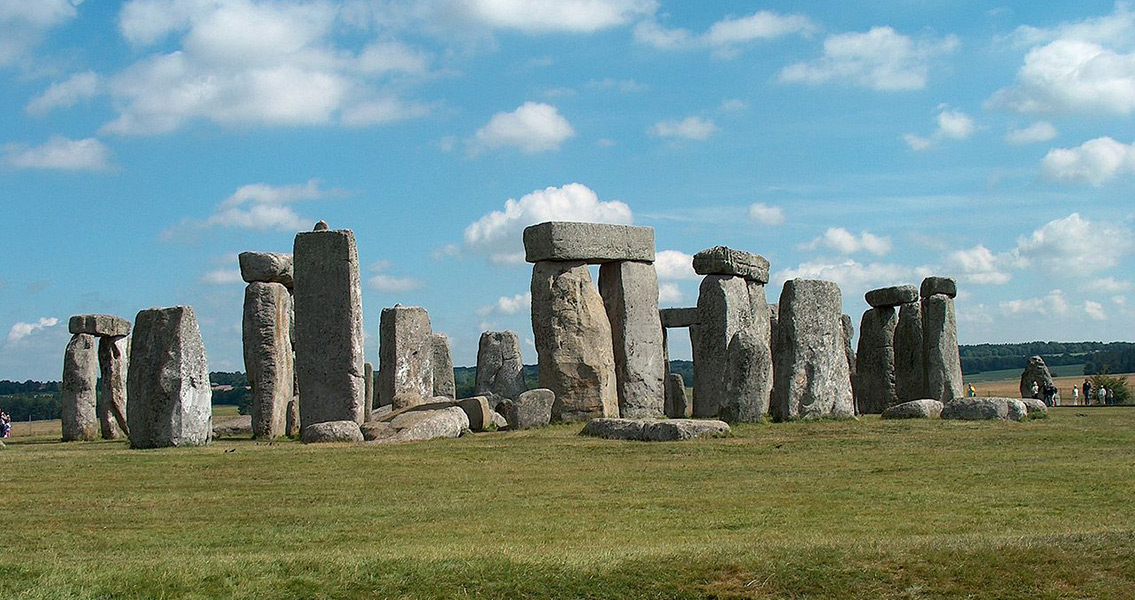
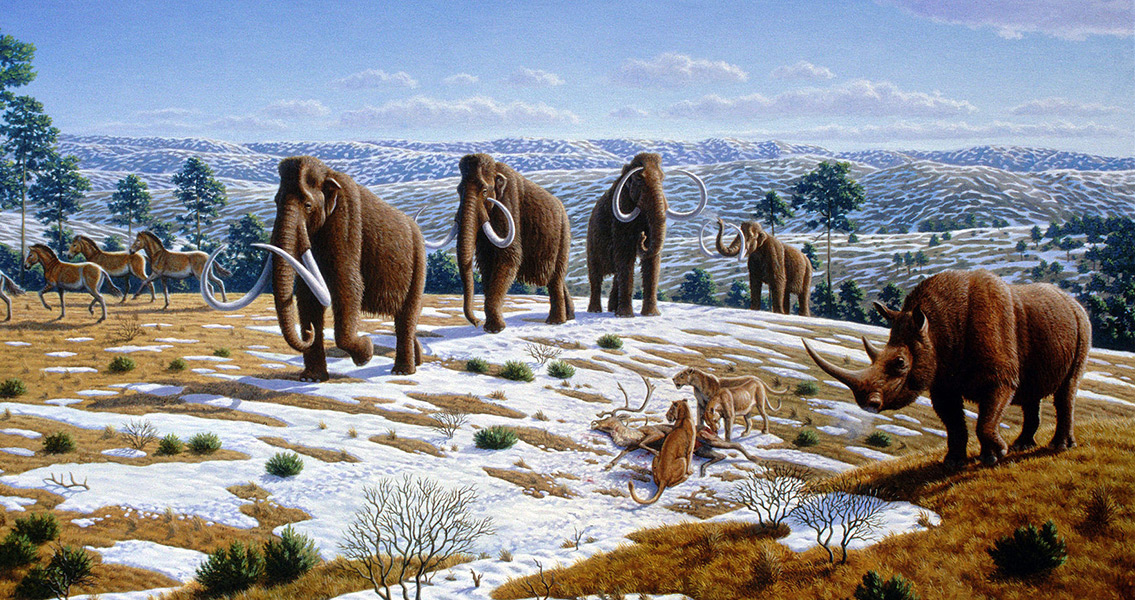
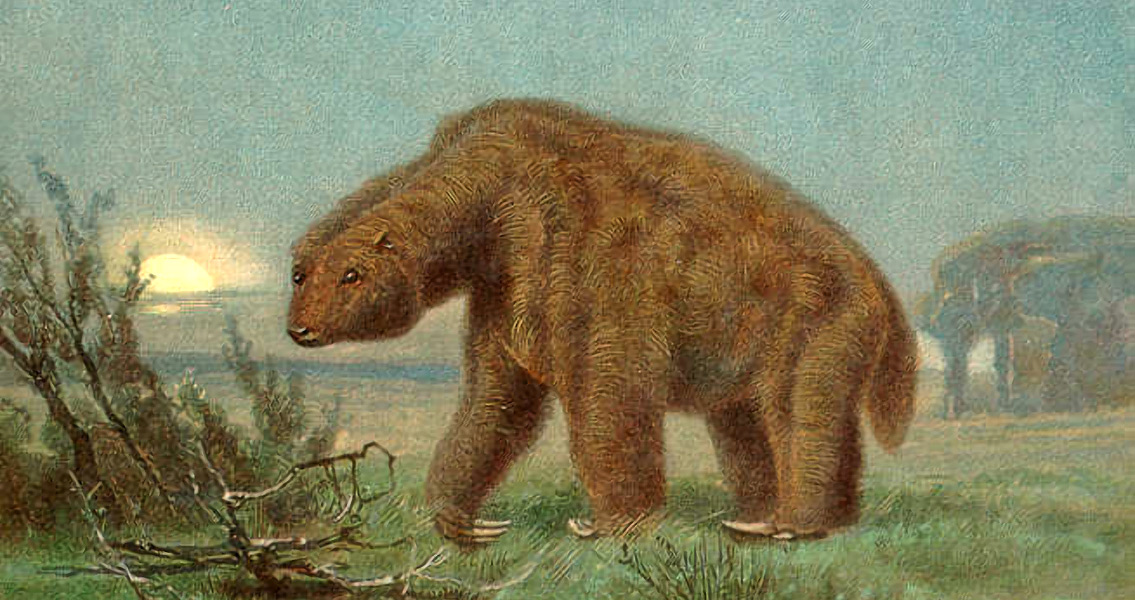
with giant reptiles. Another one, from this month, suggested that humans change the habitats they enter much more quickly than previously thought, at least in some ecosystems. For more information: Test of Martin’s overkill hypothesis using radiocarbon dates on extinct megafauna ]]>
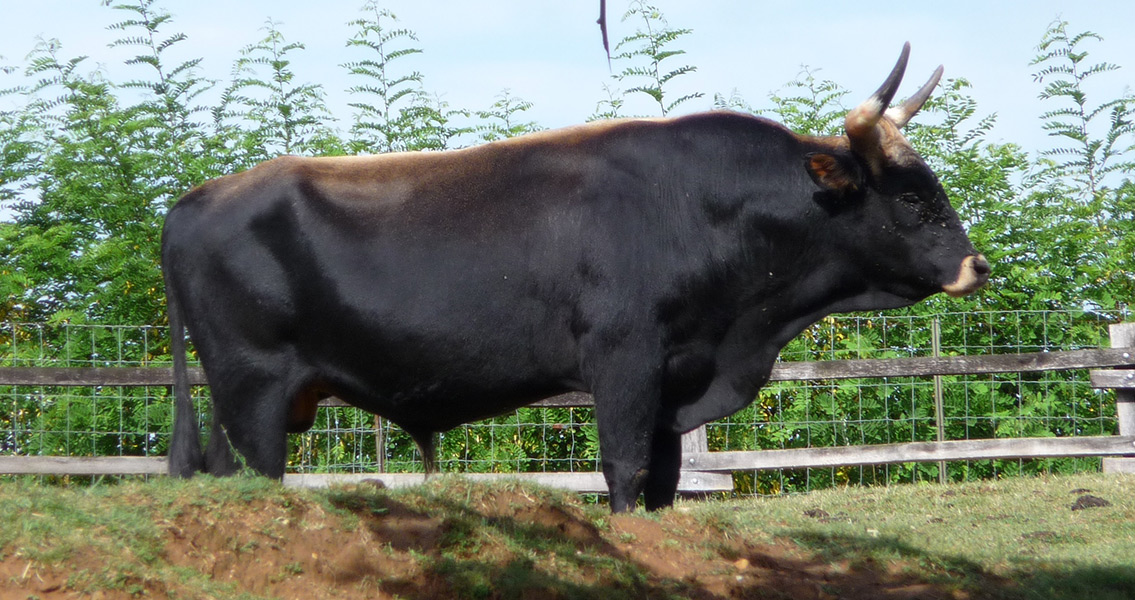
Bos primigenius, the extinct species was once ubiquitous across the grasslands of North Africa, Asia and Europe 11,000 years in the past. Domestication efforts by modern humans to turn the aurochs into something a bit more docile led to a pair of major cattle groups known as Bos indicus and Bos taurus. European B. taurus is largely descended from aurochs populations that were prevalent in Asia, according to previous studies. However, with little in the way of scholarship regarding European wild aurochs and domesticated cattle – and how the European branch of the wild ox species played a role in how modern cows evolved – researchers from University College Dublin (UCD) decided to investigate the issue. UCD scientists began their endeavour by taking the remains of a wild British aurochs discovered in a Derbyshire cave dating back to 6,750 years ago and extracting genetic material from one of the bones. The researchers then conducted genetic sequencing on the sample to create a complete genome of the ancient wild ox before holding it up to comparison with more than 80 domesticated B. indicus and B. taurus specimens, as well as more than 1,200 modern domesticated cattle. The results were clear: there was abundant evidence that early domesticated cattle were interbred with wild British aurochs, according to UCD scientist David MacHugh, the study’s senior author. The results highlight how the ancestors of modern Irish and British cattle breeds are more genetically similar to the wild British aurochs than other cattle in Europe are. MacHugh remarked in an interview with Phys.org that this could indicate early British cattle farmers used wild aurochs to supplement their domesticated herds. Additional discoveries revealed that genetic markers which are known to play a role in muscle development and neurobiology were used in domesticating what would have been the ancestors of cattle from Europe. This indicates that ancient farmers considered behavioural traits and also suitability as a food source when it came to the domestication process. MacHugh further remarked that this study is the first of its kind to deliver a complete genome from an extinct Eurasian aurochs specimen. The data revealed in this study has the ability to supplant earlier models of cattle evolution and domestication, the scientist added. Image courtesy of Wikimedia Commons user: Brunodesacacias]]>

The Pinjarra Massacre took place on 28th October, 1834. The event is remembered as one of the most horrendous massacres of Aboriginal peoples in Australia’s history.
 Panorama of the Swan River Settlement, 1831[/caption]
The origins of the tragic events at Pinjarra came in the arrival of the first European settlers to Western Australia, in 1829. Led by Captain James Stirling, the Swan River Colony was quickly established in what is now known as the Peel region of Australia. This was a region which had been inhabited for thousands of years by the Bindjareb tribe, an indigenous people particularly renowned for their spear making ability.
Tensions quickly started to form between the white, European settlers and the Bindjareb tribe. While the Aboriginal people initially placed the Europeans into their folk traditions, interpreting them as the returning ghosts of their ancestors, Stirling declared the region a territory of England, arguing that the Bindjareb should be accountable to English law.
As the settlers expanded their territory, taking up more land as they established farms, settlements, and ultimately towns, conflict started to brew.
One key issue was a fundamental difference in agricultural practices. The Bindjareb people practiced firestick farming, a method where parts of the bush were torched to enable hunting and encourage regrowth of the land. For the white settlers, with little understanding of the firestick tradition, it seemed like an attack, especially on the occasions when the fires spread into the land they had started to cultivate.