Categories
Breaking News

Hobbits of Indonesia Evolved from African Ancestor

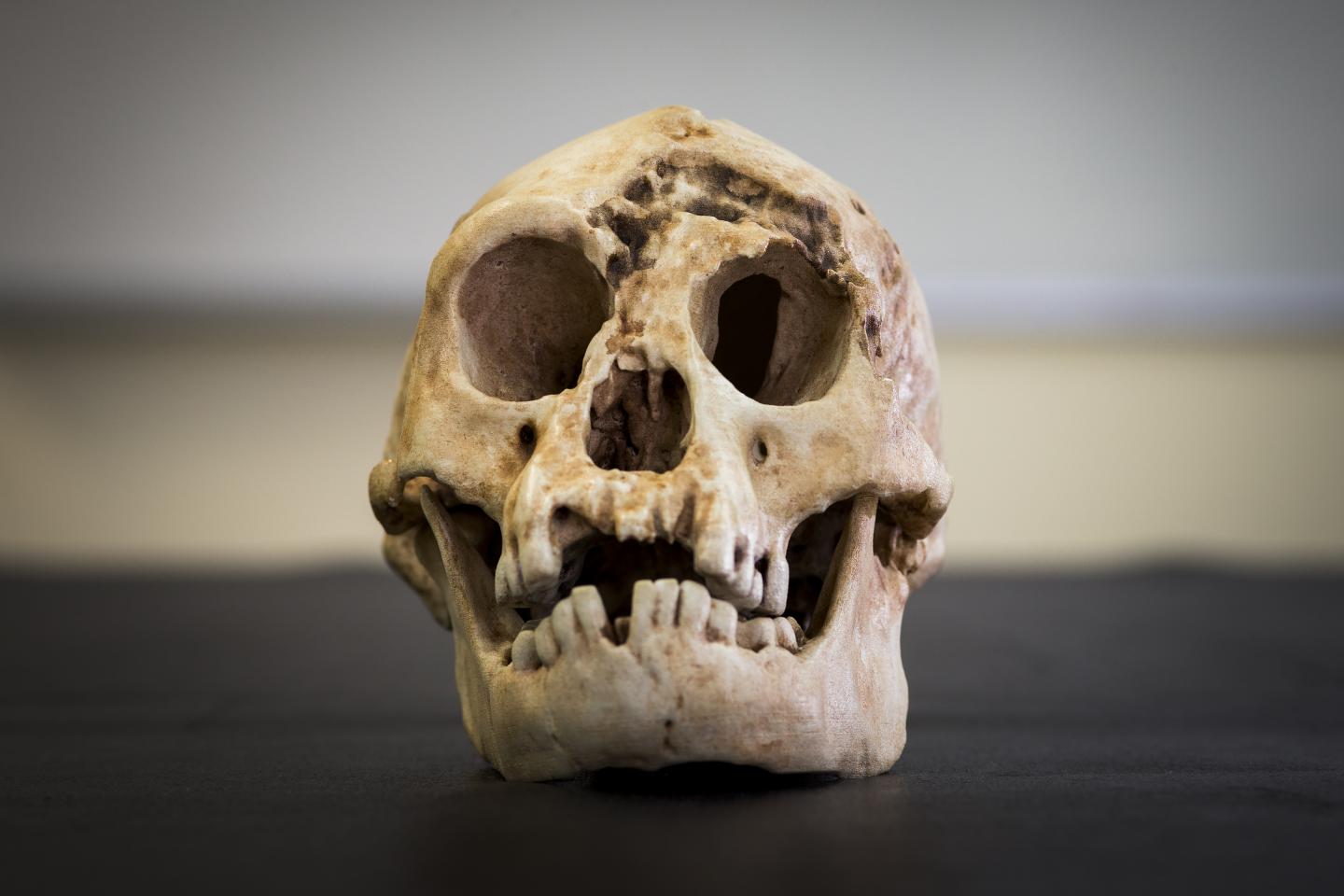
Homo floresiensis, likely evolved from an ancient African ancestor, and not Homo erectus. Remains of H. floresiensis, a mysterious, pygmy like human species, were first found in 2003 on the island of Flores, Indonesia. The unusual creatures have been nicknamed ‘hobbits’, in reference to the creatures from J.R.R Tolkien’s popular fantasy books. The first specimen of the species, found in Liang Bua caves on Flores, would have stood at only 3.5 feet tall, despite being thirty years old at the time of death. The creatures remain shrouded in mystery, with scientists unsure about exactly when they were alive. This in turn has led to uncertainty about their genetic origins and evolution. A 2005 paper published in the journal Nature suggested H. floresiensis could have been around as far back as 95,000 years ago, until as recently as 12,000 years ago. Published in the Journal of Human Evolution, the new study from The Australian National University challenges the widely held belief that H. floresiensis evolved from Homo erectus. Instead, the authors argue that the hobbits’ small stature means they likely evolved from Homo habilis – one of the earliest human species, which lived in Africa around 1.75 million years ago. Much of the argument for H. floresiensis having evolved from H.erectus is based on the fact that H.erectus is the only other early hominid known to have lived in the region – its fossils found on the island of Java. The Australian National University used physical analysis of remains to discredit this conclusion. “The analyses show that on the family tree, Homo floresiensis was likely a sister species of Homo habilis. It means these two shared a common ancestor,” said study leader Dr Debbie Argue of the ANU School of Archaeology & Anthropology. “It’s possible that Homo floresiensis evolved in Africa and migrated, or the common ancestor moved from Africa then evolved into Homo floresiensis somewhere.”Argue continued. The researchers reached their results by taking a new approach to looking at H. floresiensis remains. Previous studies have focused on the skull and lower jaw of the ancient hominids. Argue and colleagues however, looked at 133 data points including the skull, jaw, teeth, arms, legs and shoulders. “We looked at whether Homo floresiensis could be descended from Homo erectus,” she said. “We found that if you try and link them on the family tree, you get a very unsupported result. All the tests say it doesn’t fit — it’s just not a viable theory.” In particular, the team found that H.floresiensis had a much more primitive jaw than H.erectus. “Logically, it would be hard to understand how you could have that regression — why would the jaw of Homo erectus evolve back to the primitive condition we see in Homo floresiensis?” said Argue. Professor Mike Lee of Flinders University and the South Australian Museum analysed the data using statistical modelling. He claims the results were clear. “When we did the analysis there was really clear support for the relationship with Homo habilis. Homo floresiensis occupied a very primitive position on the human evolutionary tree,” Professor Lee said. “We can be 99 per cent sure it’s not related to Homo erectus and nearly 100 per cent chance it isn’t a malformed Homo sapiens,” Professor Lee said.]]>
Categories
Breaking News

Will the Story King Solomon be Validated by Animal Droppings?

National Geographic interview. “There’s clear evidence of an Egyptian presence during those centuries… But high-precision radiocarbon dating of the dung, as well as textiles and other organic material, showed that the mining camp’s heyday was the tenth century BCE—the era of the biblical kings David and Solomon.” In the Bible, King Solomon ruled a wealthy kingdom with a temple decorated extravagantly with objects made of bronze and gold in Jerusalem. To build something this grand would have necessitated the import of metal from large-scale mining operations, most likely from the Middle East. The validity of Solomon’s wealthy kingdom has never been agreed on. Some archaeologists make the argument that Solomon was actually just a small-time chieftain and incapable of organizing such a large-scale undertaking. However, in the late 1990s, another team of archaeologists discovered a copper-rich area in Jordan which indicated that metal had been produced there on an enormous scale. This site, along with the other smelting camps across the region, support the theory that the legend of the biblical king’s vast wealth may have been true. The mining operation discovered in Timna Valley has not been connected to Solomon directly, it does suggest however, that a more complex society than originally believed, possibly the Edomites, had inhabited that area and may have paid taxes to Jerusalem. The manure samples included pollen spores and seeds, enabling Ben-Yosef’s team to determine what the animals ate. Surprisingly, they found that the feed had been imported from a region over 100 miles north, near the Mediterranean cost. Long distance trade was essential to survival in the desert and during this period metal was an essential commodity, making the investment in such an operation worthwhile. During the interview, Ben-Yosef explains that more than 1,000 tons of smelting debris have been discovered on Slaves’ Hill, making it an industrial-scale operation worthy of such a kingdom. Whether or not this site is directly linked to the kingdom of King Solomon in the tenth century is yet to be determined. Ben-Yosef remains encouraged by the findings, saying in the interview: “Until recently we had almost nothing from this period in this area. But now we not only know that this was a source of copper, but also that it’s from the days of King David and his son Solomon.” ]]>

Categories
Breaking News

DNA Study Reveals Genealogy of Ancient Alaskan Remains

Science Online, human remains from On Your Knees Cave, dated to around 10,300 years old, were found to be closely related to a trio of ancient skeletons found along the Canadian coast of British Columbia. In turn, these three ancient individuals hold close relation to the Haida, Nisga’a and Tlingit tribes that inhabit the region today, revealing a direct line of descent to these tribes. Begun a generation ago thanks to an amicable collaboration between archaeologists and the Tlingit tribe living near the Alaskan remains, the research revolved around DNA extraction from the 10,300 year old skeletal remains. Named Shuká Káa, or “Man Ahead of Us”, the remains were first checked for maternally inherited mitochondrial DNA (mtDNA). Initially, there were no matches between the Tlingit tribe’s mtDNA and the data extracted from Shuká Káa, but it was revealed that the man had been an ancient mariner based on the isotopes in his teeth, which indicated a diet rich in seafood. Shuká Káa was ceremonially reburied in 2008, but with the advent of new DNA sequencing technology, researchers sought permission from the local Tlingit tribe as well as other tribes native to the region to take nuclear DNA samples from Shuká Káa. The three other ancient skeletons, one 750-year-old skeleton from Prince Rupert harbor in British Columbia, a 2500-year-old skeleton from the same region, and a 6075-skeleton located on Lucy Island in British Columbia, were all included in the survey. While the DNA sample taken from Shuká Káa was too damaged to sequence his genome completely, around 6% of it was recovered. The other three sets of remains were able to yield between one-third and two-thirds of their genomes as well, easily enough to compare genetic markers between these ancient humans and modern ones. The results of this study revealed that the Tsimshian tribe, and other Pacific Northwest tribes, were closely related to the Prince Rupert harbor and Lucy Island humans. Meanwhile, Shuká Káa seems to be a closer match to modern Southern and Central American tribes like the Ticuna, Surui, and Karitana of the Amazon. However, researchers say that the genetic markers aren’t particularly strong, and could simply represent a link to DNA shared by ancient ancestors living in Beringia or Asia before migrating to the Americas. Taken together with Shuká Káa‘s maternally inherited mtDNA, his nuclear DNA does raise the suggestion that he is also closely related to the younger skeletons found in British Columbia. Researchers played connect the dots between all four sets of remains, proposing that Shuká Káa is an ancestor of all related groups in the Pacific Northwest related to the Tsimshian. Meanwhile, there were genetic similarities found between the group and the remains of two other Paleo-indians: Kennewick Man, who is around 8545 years old and who was found in Washington state, and Montana’s 12,600-year-old Anzick child. The new research, published in the Proceedings of the National Academy of Sciences, is available online

Categories
Breaking News

Construction Work Reveals Russian Spy Room

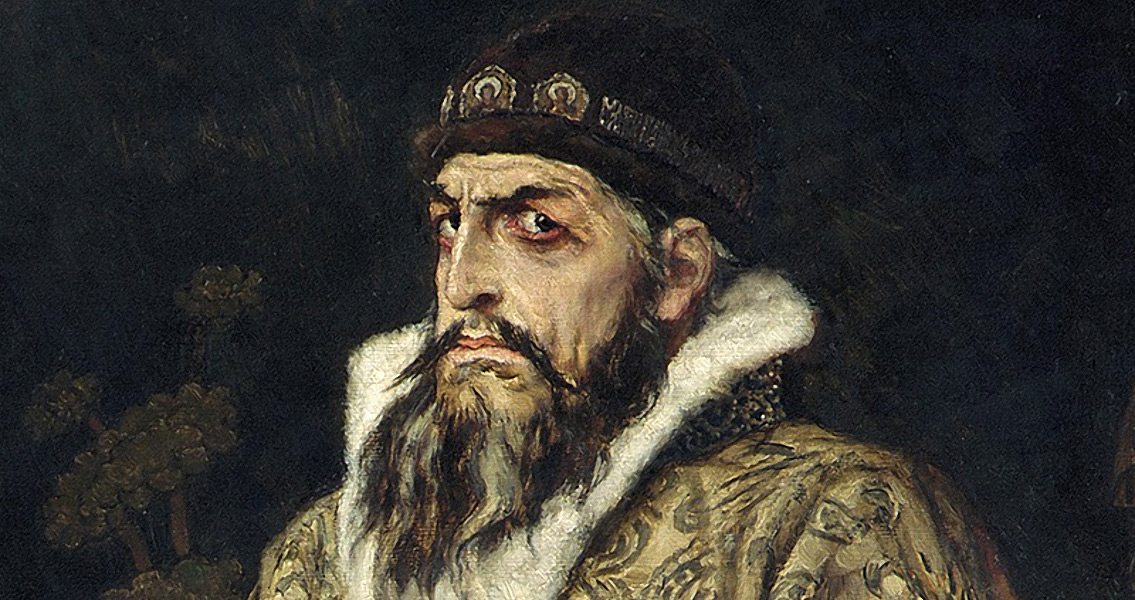
RT’s Ruptly news agency. Ivan IV Vasilyevich, also known as Ivan the Terrible, was the Grand Prince of Moscow between 1533 and 1547. During his reign, Russia conquered several neighboring regions to become a multicontinental and multiethnic state that spanned approximately 4,050,000 square kilometers (1,560,000 square miles). Historic sources offer dissimilar accounts of Ivan’s character. He’s often described as devout and intelligent, and a patron of the arts and trade (he established Russia’s first publishing house), yet he was prone to rages and episodic periods of mental instability that grew more common as he aged. During one such outburst, he reportedly killed his second son and heir Ivan Ivanovich during a heated argument that resulted in Ivan Vasilyevich striking him in the head with a pointed staff. In total, archeologists recovered approximately 150 artifacts dating back to between the sixteenth and nineteenth centuries, the majority of which are eighteenth and nineteenth century ceramics, including fragments of bowls and pots, as well as an intact ceramic cup. Trade sealing marks made of lead, 12 copper coins, nails, and iron knives were also recovered from the room. Experts are currently considering whether the room should be opened up for the public to see or preserved as it is. ]]>

Categories
Breaking News

Ancient Tick Engorged with Mammal Blood Found Fossilized in Amber

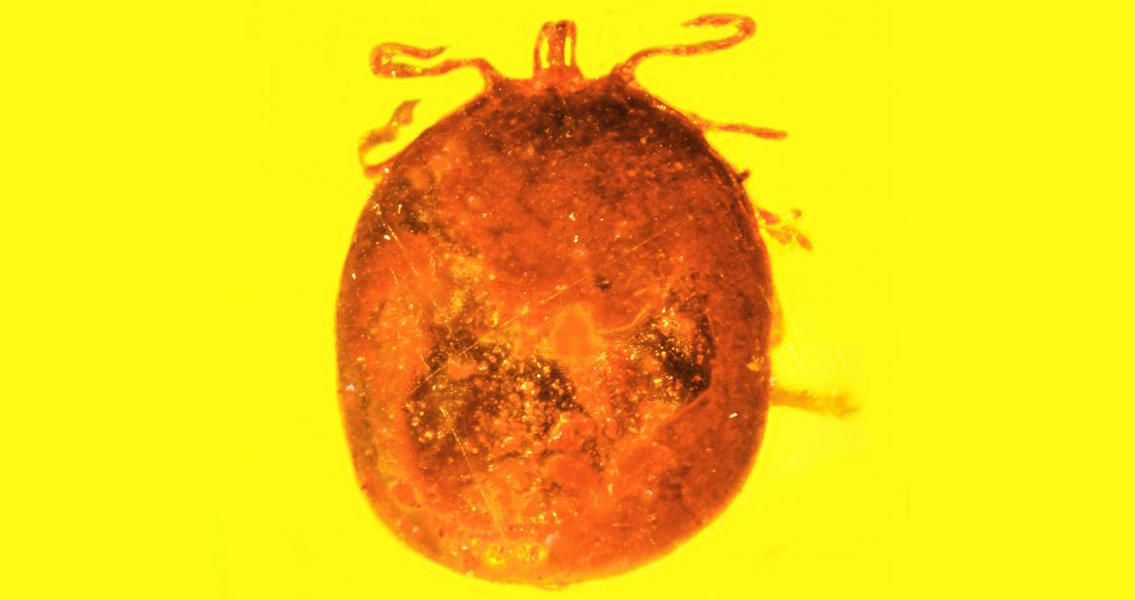
Babesia microti, a parasite that has survived to this day and is still transmitted by ticks to humans and other mammals. With its stomach distended by its last meal, the engorged tick looks as if it tumbled into a patch of tree sap after it was freshly plucked from a mammal sometime between 20 and 30 million years ago. Two small holes on its back, likely indicative of a primate pulling it off itself or a mate during grooming, were even oozing blood at the time the tick became encased in what would eventually become the piece of amber. Study author George Poinar, Jr., professor emeritus of Oregon State University’s College of Science, says the state of the tick speaks volumes of life millions of years ago in what would have been a tropical jungle in the modern Dominican Republic. The professor, an international expert on fossilized amber, added that the fossilized blood cells within the tick, which were infected with the B. microti parasite, are so detailed as to be “amazing.” B. microti can lead to a disease in humans known as babesosis, which mimics malaria in its symptoms and can be just as fatal. A genetically similar parasite is well-known for causing Texas cattle fever in live stock, a problem that has plagued plains states in the past. More than 500,000 acres of land in Texas have already been quarantined this spring because of an outbreak of the disease. Today, B. microti can be carried by the common deer tick, which is also known to carry Lyme disease. In a press release from Oregon State University, Poinar says that the life forms discovered in amber can unveil untold wonders concerning the evolution and history of diseases that modern humans are still plagued with to this very day. It’s now clear, thanks to the newly-discovered amber fossil, that B. microti was around well before humans ever evolved, and had adapted to flourish in our primate ancestors and other hosts, the scientist added. One of the unique facets of this find is how remarkably well-preserved the parasites and blood cells are within the amber-fossilized tick, Poinar said. The researcher likened it to a professional job, remarking that it was almost if they had been prepared in a laboratory in order to be subjected to study. In fact, the amber embalming process showcased the texture and the density of the parasites, which were different enough from the red blood cells harboring them to make them clearly identifiable. The new research study, which appears in the Journal of Medical Entomology, can be found online here Photo by George Poinar, Jr., courtesy of Oregon State University]]>

Categories
Breaking News

Study Examines Centuries Old Efforts to Prevent the Dead from Rising

Journal of Archaeological Science. ]]>

Categories
Breaking News

Rare Fossil Discovered in remnants of Trench From WWI

here Image courtesy of Ohio State University]]>

Categories
Breaking News

Church of the Holy Sepulchre at Risk of Collapse

National Geographic, the Edicule housed within the Sepulchre and thought by the faithful to be the final resting place of Jesus Christ, is at “very real risk” of collapse because of the church’s crumbling foundation. To make matters worse, the Edicule itself rests on a mix of rubble, mortar, and warren-like passageways and tunnels, all of which have compromised the integrity of the ground beneath it. Ironically, the discovery of the damaged floor was made during a $4 million project to restore and renovate the church itself to protect it for future generations of visitors. In some cases, more than four feet of unconsolidated rubble lie beneath the floor, which is doing its best to support the stone pillars that in turn hold the rotunda of the Church’s roof above the Edicule; each of these pillars is thought to weigh more than 20 tons. NTUA’s chief scientific supervisor Antonia Moropoulou spoke in dire terms of the foundation of the Edicule failing. Saying it’s a matter of when, not if, it occurs, Moropoulou remarked that the process will be slow but catastrophic. Such an event is unlikely to occur, however, considering the deep religious significance of the church to the world’s Christians. A newly-proposed project, drafted by the NTUA, calls for a $6.5 million excavation to shore up the foundation, which would take nearly a year and involve replacing rotted mortar and ancient rainwater and sewage drain systems around the holy site. The history of the site itself is inextricably tied with the state of the Edicule’s foundation, researchers say. In the time of Christ, the site was likely an old limestone quarry that had been repurposed as a burial ground for influential Israelites. Additional tombs discovered on the grounds lend credence to this theory. During the Roman occupation of Judea, a temple was built over the site sometime after it had become the supposed resting place of Christ. This temple was razed to the ground in 324 CE, revealing what the first Christian Emperor assumed to be the tomb of Jesus. Constantine built a shrine around the tomb, which stood until the seventh century CE when Persian invaders partially destroyed it. It was again razed by the Fatimids in the early eleventh century before being rebuilt once again. Periods of rebuilding punctuated the site’s history after this, from attempts by Europeans during the Crusades to later reconstruction efforts in the sixteenth and nineteenth centuries. Many of these construction phases are encompassed by the Church’s existing edifice. The dome of the rotunda, held up by those massive pillars on the Edicule’s crumbling foundation, is thought to mark the foundation of the original shrine erected by Constantine. Researchers hope that the new restoration work will provide opportunities for archaeologists to learn more about the church and its shrine, though there are fears that the cadre of religious authorities that oversee the site will not permit the activity. ]]>

Categories
Breaking News

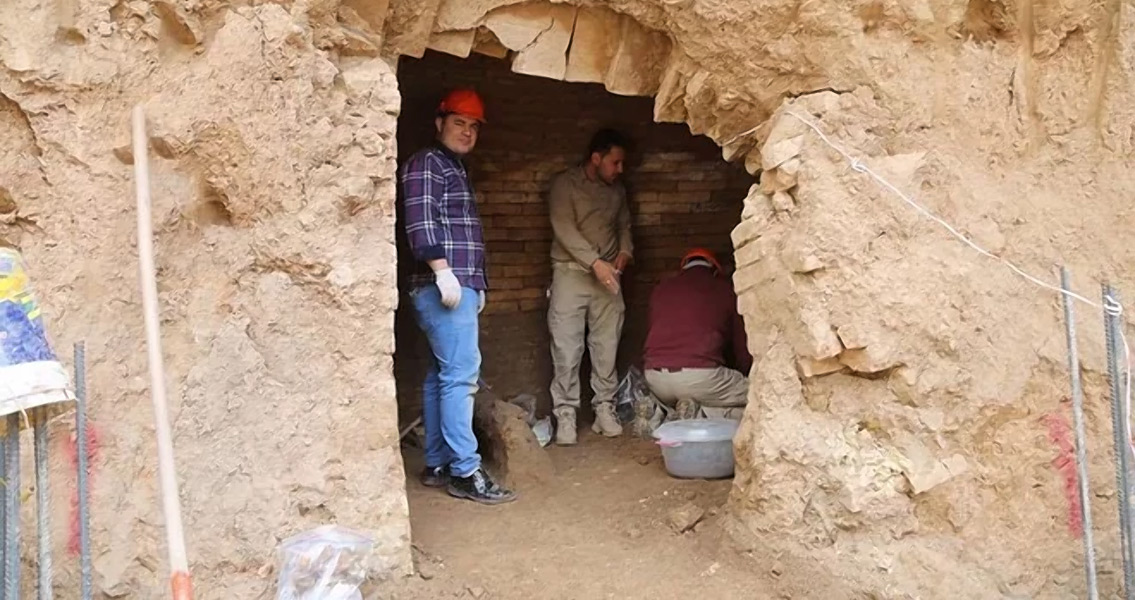
Neo-Assyrian Tomb Complete with Skeletons Discovered in Iraq

Categories
Breaking News

Art and Symbolic Objects Found From First Humans On Sulawesi

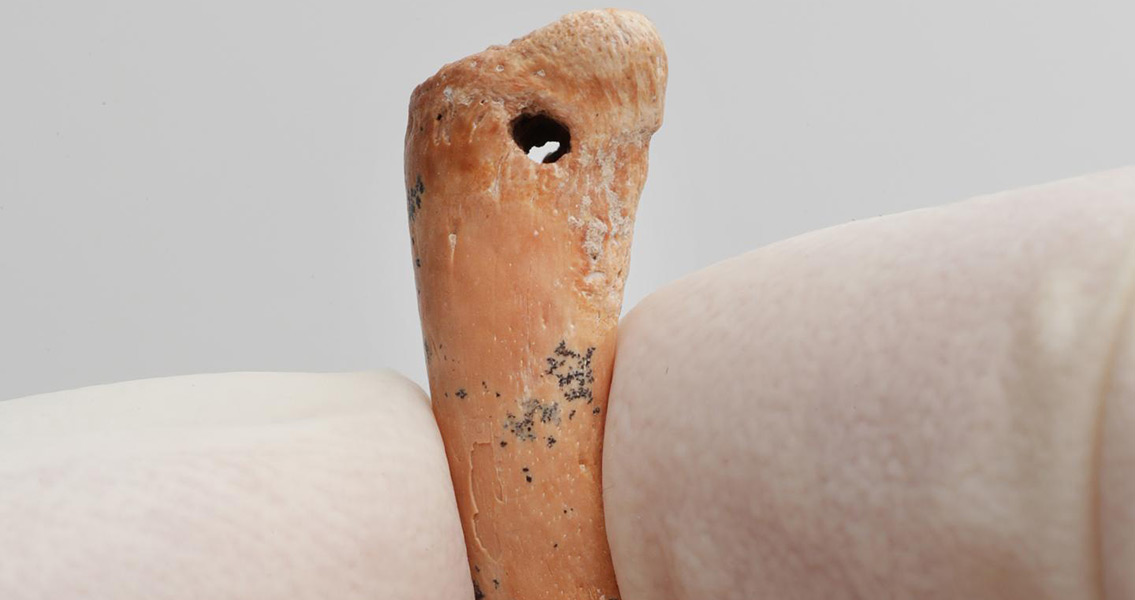
Proceedings of the National Academy of Sciences. The first Homo sapiens to inhabit the islands north of Australia arrived there sometime prior to 50,000 years ago. Little is known about these first human inhabitants of the Pacific Islands, which has led some to conclude the cultures were unsophisticated. A range of artefacts discovered recently however, are shedding new light on these people’s culture and symbolism. “Scientists have long been curious about the cultural lives of the first Homo sapiens to inhabit the lands to the immediate north of Australia sometime prior to 50,000 years ago — part of the great movement of our species out of Africa,” said Associate Professor Adam Brumm, an Australian Research Council (ARC) Future Fellow, who co-led the recently published study. “Some have argued that Pleistocene human culture declined in sophistication as Homo sapiens ventured beyond India into the Southeast Asian tropics and the island chains east of continental Eurasia, known as ‘Wallacea’. “However, the onset of new research programs in Wallacea is steadily dismantling this view.” The team led by Brumm and study co-author Dr. Michelle Langley have discovered a range of prehistoric rock art and ornaments. The breakthrough came in 2014, when they found 40,000 year old cave art on the Wallacean island of Sulawesi. This cave art is considered to be some of the oldest ever discovered anywhere on the planet. Since then, a host of other fascinating artefacts have been found, which are documented in the new study. These include an unusual assemblage of never seen before symbolic objects excavated from a Sulawesi cave site called Leang Bulu Bettue. Dated to between 22,000 and 30,000 years ago, the objects consist of disc shaped beads made from a babirusa (pig-deer) tooth, and a pendant fashioned from the bone of a bear cuscus. A series of stones incised with mysterious geometric patterns were also excavated. Evidence for rock art production at the site has also been found in abundance, such as discarded ochre pieces, ochre stains on tools, and a bone tube that could have been a ‘blow-pipe’ for creating hand stencil motifs. The oldest of these items date to at least 40,000 years ago. “Previously, assemblages of multiple and diverse types of Pleistocene ‘symbolic’ artifacts were entirely undocumented from Wallacea,” explained Dr Langley. “It was also unknown if or how Sulawesi cave artists adorned their bodies or whether their artistic repertoire even extended beyond rock paintings. Our understanding of the symbolic lives of these people is now much richer.” Fascinatingly, Brumm and Langley suggest that the art and jewellery they’ve discovered could be evidence that the spiritual beliefs of modern humans changed and developed as they encountered new types of animal life on the long migration from Asia to Australia. “Sulawesi, in particular, is renowned among biogeographers for its extremely high rate of species endemism – essentially all of the island’s land mammals, except for bats, occur nowhere else on earth,” said Associate Professor Brumm. “The discovery of ornaments manufactured from the bones and teeth of two of Sulawesi’s flagship endemics – babirusas and bear cuscuses – and a previously recorded painting of a babirusa dated to at least 35,400 years ago, shows that humans were drawn to these dramatically new faunal species. This may indicate that the conceptual world of these people changed to incorporate exotic animals.” Brumm and Langley speculate in their study that the progression through the diverse ecosystems of Wallacea could have prompted new ways of thinking about and engaging with the natural world. This, they suggest, could mean that elaborate human-animal spiritual relationships seen in Australian aboriginal cultures, could have their origins outside of Australia. Image courtesy of Griffith University ]]>