Categories
Book Reviews

Better Understand Your Bible with the Gospel Parallels

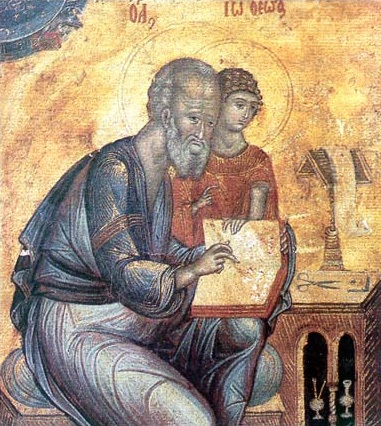
Gospel Parallels. Learn all about the Gospel Parallels and how this great resource can increase your knowledge of, understanding for, and connection to the word of the Bible: What are the Gospel Parallels? In general, a gospel parallel is a text that provides multiple pieces of information in tandem. Oftentimes, this means presenting the multiple versions of the gospel (Matthew, Mark, Luke, and John) beside each other so that each can be read for a more holistic and sometimes comparative understanding. At other times, a gospel parallel will present biblical analysis and enlightening information to accompany the actual word of the biblical gospels. The texts tend to be formatted so that the gospel and accompanying information are presented on a single page, with various columns and footnotes. In 1949 Burton H. Throckmorton Jr. produced the definitive version of a gospel parallel in his definitive text Gospel Parallels: A Comparison of the Synoptic Gospels. Based on the Revised Standard Version of the bible, Throckmorton utilized many resources, including ancient texts, to produce his comprehensive examination of the Synoptic Gospels (those written by Matthew, Mark, and Luke). Why own the Gospel Parallels? At one point in human history, it was believed that only an elite few could read, comprehend, and convey the word of God to others. This made biblical study and inquiry inaccessible to the common person. It also led to an indirect connection between the average person and their spiritual practices. Many people started to recognize that the Bible should be not only for the elite. Instead, they felt “the good word” should be printed and disseminated wide and far, so that everyone could personally access it. This process was, of course, made easier by the printing press. Now, everyone can indeed easily access a Bible. The text is even handed out for free whenever possible to enlighten interested minds. If you believe that it is important for anyone to be able to access the word of the Bible, then know that it is equally important for anyone to be able to compare, contrast, and generally analyze that word. There is no sin in inquiry, or even doubting and searching for answers. The true problem would be in being unable to carry out that inquiry, especially if doing so would ultimately bring you greater knowledge. For this reason, it is recommended to get texts that will allow you to engage in that inquiry. When you have them on hand, you can easily analyze and answer your own questions at any time they enter your mind. When investing in a gospel parallel, be sure to consider the definitive text from Throckmorton. How did Throckmorton’s text become definitive? First, you may wonder who exactly Burton H. Throckmorton Jr. was and why his gospel parallels should be relied upon above other options. Throckmorton was born in 1921 in Elizabeth, New Jersey (United States). His strong interest in religious studies led him to pursue an education in that arena. That gave him the knowledge necessary to write this text (along with several others that were equally popular). He also acted as a minister and taught on these subjects at Bangor Theological Seminary in Maine (U.S.). Throckmorton’s text, Gospel Parallels: A Comparison of the Synoptic Gospels became definitive, in part, because it was put together with a true dedication to thoroughness and a high attention to detail. For Throckmorton, good enough was not good enough. It was important to him to delve deep into all the available resources and pull that information together, to fully analyze the three Synoptic Gospels Also, the Gospel Parallels: A Comparison of the Synoptic Gospels was published in 1949, and while it was well-researched and well-organized to present comprehensive information, it was also put together at a certain point in time that allows the reader a sort of glimpse into the theological past. Throckmorton compiled his work at a time prior to the re-organization of the Catholic church (which occurred largely in the 1960s). Thus, when using this text, you can obtain not only a deeper understanding of the Bible and the Synoptic Gospels, but also a deeper understanding of the spiritual context at that time. Final Recommendations Throckmorton’s Gospel Parallels: A Comparison of the Synoptic Gospels is strongly recommended for theologians and biblical scholars. It may also hold particular interest for those who study literature. However, this text is not only for academics making serious inquiries, it is accessible and strongly recommended reading for any person who simply wants to increase their understanding of the Bible. You can buy a print copy of Gospel Parallels from Amazon with the link below, or find an ebook version here on the Forgotten Books website.

]]>
Categories
Book Reviews

How Love Makes Us Real – The Velveteen Rabbit Reviewed

The Velveteen Rabbit by Margery Williams (Author) and William Nicholson (Illustrator) Initially published in 1922, The Velveteen Rabbit was written by Margery Williams and illustrated by William Nicholson. Since its initial publication, this children’s book has become an award-winning classic. It has been republished multiple times for each generation of children (and their parents) to enjoy. Brief Synopsis of the Plot The plot of The Velveteen Rabbit appears simple enough for a children’s story, but it also offers complexity and depth, with deeper meanings for life lessons. The story is centered around the main, titular character—a velveteen rabbit. He starts his journey as a Christmas present for a young boy. When the young boy is more interested in his other toys, the rabbit feels sad. Fortunately, he receives guidance from the other toys. One, the Skin Horse, advises the rabbit that a child’s love will make him real. The rabbit wants to become real but is unsure how to make that happen. When the young boy loses one of his more favored toys, the Velveteen Rabbit gets a chance to become a part of his life. Suddenly, he is favored. The young boy does treat him as being a real rabbit and he starts to regard himself in the same way. Unfortunately, everything starts to shatter when the young boy becomes ill. To disinfect the boy’s room, all his toys must be burnt. The Velveteen Rabbit nearly faces his end before a bit of magic gives him a reprieve and he ultimately gets what he always wanted. Relevant Themes in the Text For a children’s story, The Velveteen Rabbit has complex themes. These make the book enjoyable for children and adults alike. It also makes the book into an allegory that young children can learn from: Love Makes Us Real The wisdom offered by the Skin Horse in the novel is that the love of a child will make any toy real. That advice becomes a key theme of the book—receive love and become your real self. When the Velveteen Rabbit finally receives the love he has been seeking, he feels more real and alive than he had before. This relationship is mutually beneficial as his companionship also offers much to the young boy. In this case, love is connection, acceptance, and comfort. Dreams Come with Risk Throughout the book, the Velveteen Rabbit seeks love because he believes it will make him real. When he finally finds that love and subsequent happiness, it is dashed with the realities of life. This illustrates that while dreams may offer very rewarding outcomes, they also come with risks and sometimes unexpected consequences. Yet, if you continue to hold them in your heart (as the Velveteen Rabbit does), then there is still a possibility of achieving exactly what you want. Appearances Can Be Deceiving In this book, appearances are often deceiving. Unbeknownst to the young boy, his toys have minds and hopes and dreams and essentially lives of their own. Though they do also rely on him. Appearances are also deceiving in the sense that the young boy is initially drawn to his modern and fanciful toys but can find true happiness with a simple stuffed rabbit. Sometimes what one seeks is right in front of them, but they cannot quite see it. Finally, when it comes down to who is real versus not, the surface appearance may not always be an immediate give-away. When the Velveteen Rabbit meets some actual rabbits in the woods, he is brought back to the stark reality that he is not truly a real rabbit. Yet, his introspection and self-awareness might make him more “real” then any of them. Analysis of Writing Style The Velveteen Rabbit is an older book and the writing style reflects this. Some modern children’s books dumb things down, but this book does not. The writing lends itself to a soothing bedtime story read by the parent. As children develop their cognitive abilities, they will be able to grasp the language themselves. The older writing style may even help them to develop their more advanced reading skills. The author uses certain key elements to drive the plot. One is an internal frustration that the rabbit feels about his limitations and inability to make his own future. He must rely on others to help him reach his dreams. Yet, he grows through the story, gaining both self-esteem and increased confidence. All this is done through the style of personification as this stuffed rabbit is written with very human qualities. Relevant Themes for Today If you have ever watched Toy Story and cried during the montage where Jessie laments the loss of her child, then The Velveteen Rabbit is a book you will thoroughly enjoy. But why do people like books and movies about the plights of toys?  It is certainly because every child and every inner child truly did believe their dolls and stuffed toys were real (at least they were to them). The themes seen in the book, also continue to be relevant today. Talk to any therapist and they will surely tell you that giving and receiving real love allows people to be their genuine and authentic selves. Yes, love does make you real, when it is healthy and allows you to be your true self. Yet, love does also bring risks. Sometimes it brings loss, make ups and break ups, and new challenges that can change a person over the course of their life. But that is real too, for most people, just like the Velveteen Rabbit, it is all part of the journey. These are the lessons that you and your children can take from this book. Final Recommendations When you stock your child’s library and make nightly selections for bedtime stories, do not neglect the option of The Velveteen Rabbit. This book is a true beloved classic that any child of any generation can still connect with and enjoy. There is whimsy and magic. And, yes there is loss and sadness too. Children can handle that and even learn a few real-life lessons along the way. Indeed, this sweet story about a small stuffed rabbit, will actually let any child learn more about life and relationships. This book may also be a particularly good choice for children who are themselves experiencing an illness, or some other life change such as the loss of someone that they love. The book may even leave them with the consoling thoughts that the ones they lose are never truly gone. This story is available as an ebook from Forgotten Books or in print at Amazon.

]]>

Categories
Book Reviews

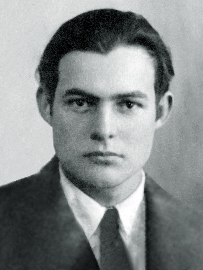
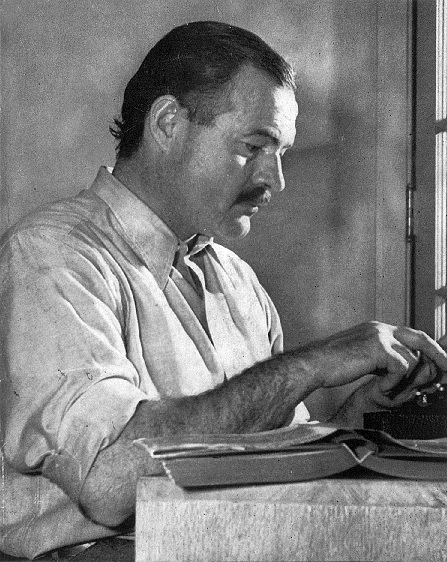
A Farewell to Arms by Ernest Hemingway

A Farewell to Arms was published to critical acclaim. The book quickly became a best-seller and it remains a popular portrait of World War I. However, Hemingway’s classic novel is so much more than a war story. It also contains timeless themes of love and tragedy. Brief Synopsis of the Plot The plot of A Farewell to Arms is centered around the main character, Frederic Henry, a lieutenant in the Italian Army ambulance corps. Given Hemingway’s own history in that profession, it is believed that at least some elements of the novel are inspired by his own personal experiences. As a paramedic, Henry’s time at the warfront is cut short by a significant injury. Yet, that injury also allows him the opportunity to grow close to his love interest, Catherine Barkley, while he recovers at hospital. The two form a relationship that is wrought with challenges from the war, and life in general. Although primarily thought of as a book about the toils of war, Hemingway’s book is simultaneously a romance novel with some painful twists that make it a tragic read. A focused reading reveals the following themes and imagery that highlight the complexity of the characters and the overall plot: Relevant Themes in the Text Literary scholars have long analyzed Hemingway’s great work, A Farewell to Arms for relevant themes and images that would provide deeper meanings to the story. A modern reading can reveal those same elements against the current context. You may find these themes seem not so different from what you might see in your other favorite books, as well as in your favorite songs, television shows, and films.

War-What is it Good For?

That old song may have had it just about right—what is war good for? Absolutely nothing. Or at least very little, according to Hemingway. In A Farewell to Arms, the characters see very little value in the war effort. Their participation is not met with feelings of honor, but rather with feelings of fear and a belief that their time (and lives, in some cases) have been wasted.

It is this aspect of the book that most lends itself to the title. When Hemingway’s characters are saying their farewells to arms (aka war), it is because they see it as only bringing pain and suffering. It is really a cautionary tale—give up this approach or face greater loses for humanity.

Love is a Battlefield

As it has been said, Hemingway’s novel is generally considered a portrait of war. However, it is also secretly a tragic romance novel, not unlike many that were so popular in the past and still so popular today. The romantic aspects of the book do bring much of the drama to the story.

When Henry is injured, it provides him with the opportunity to fall in love. The only problem is, his love interest is fresh off a previous relationship, in which her fiancé died. She is quick to run into Henry’s arms, but seemingly as an escape from her pain and grief. Sadly, that impulsive and poorly thought out choice is only met with greater and greater challenges as the story unfolds.

Here Comes the Rain Again

In many great works, rain is used as a symbol of growth and renewal. This makes sense because rain serves to wash away all that is old, and it feeds new life. However, Hemingway subverts this traditional approach. In this novel, the rain is associated with impending doom and failure. Since it occurs quite frequently, as a reader you might be left thinking “when it rains, it pours.”

Yet, the rain is not just a portent foreshadowing doom and gloom, it also does serve to wash away the fantasies that the characters illusion themselves with. When the rain goes away (and the sun does not really emerge), the characters are left with only a stark and harsh reality.

Analysis of Writing Style A Farewell to Arms is not just a classic because of its timeless themes, it also earned this spot in literature because of the writing style. Hemingway is a wordsmith, but he also does not mince words. He composed this novel with a high level of detail that was, at times, graphic. Hemingway’s depiction of war was brutal and realistic, leaving little to the imagination. By the end of his highly descriptive battlefield descriptions, most readers will also be inclined to say farewell to arms. Further, all the primary characters of the novel are well-crafted. Each feels like a real person (even someone you could know). Their wartime struggles will evoke strong emotional reactions. Relevant Themes for Today If you have ever heard the saying ‘everything that is old, is new again’ then you may also know everything new is actually inspired by something old. It is not only today’s war movies that take inspiration from the stylings of Hemingway, today’s romance novels and romantic dramas do too. Truly, you may be surprised to learn that if you enjoy a good complex and sometimes tragic love story, perhaps something in the Nicholas Sparks realm of book or book-to-movie adaptation, then you will also enjoy A Farewell to Arms. You need only read the book yourself to see the truth in this comparison. Final Recommendations For many people, when they think of a text such as A Farewell to Arms, they assume an older book, about a war, will be dry and boring. They assume it will have little relevance to them and that they will be unable to connect with the characters and the story. However, Hemingway’s classic is a timeless work that speaks to the tragic challenges any one can face at any time in human history. If you enjoy books that simultaneously chronicle the common experiences any one may have (love, loss) and the most challenging times of the human condition (war, great tragedy), then you will likely find A Farewell to Arms to be a worthwhile read. In fact, you may even find it ranks with your other favorites.    ]]>

Categories
Book Reviews

For Whom the Bell Tolls by Ernest Hemingway

For Whom the Bell Tolls is a book with important themes that still hold relevance today. The book is semi-biographical as Hemingway took inspiration for some of the characters and events from his own experiences in the Spanish Civil War. Brief Synopsis of the Plot The story is centered around American-born Robert Jordan, a dynamiter, who is tasked with blowing up a bridge near the Sierra de Guadarrama mountain range that is located between Segovia and Madrid. The plot is tight as the action occurs over the course of just four tense days and three sleepless nights. Wrought with the brutality of war, For Whom the Bell Tolls contains imagery and themes that reveal the even deeper meanings of an already complex and rich story: Relevant Themes in the Text Like any great work, For Whom the Bell Tolls has been analyzed by literary scholars. Most agree on central themes to the story. As a reader, you can look for each theme in your own reading of the text, seek out your own as well, and take personal lessons from the messages Hemingway intended. Camaraderie based on loyalty A key theme in the text is friendship and love or more broadly camaraderie based around shared ideals, shared loyalty to those ideals, and ultimately shared loyalty to one another due to common goals. In the brief span of the time depicted in the text, Robert Jordan experiences intense friendship with his comrades and an intense relationship with his newfound love, Maria. On the one hand, this theme can all read as romanticized. After all, it seems lovely to think of a group of people quickly banding together over a shared mission. It might be easy to scoff at the way things play out. However, research does show that when placed in life and death situations, brain chemistry does allow for these fast and furious bonds. It aids survival after all. Sacrifice for the greater good of all If a main theme of For Whom the Bell Tolls is the coming together of different peoples over a common goal to promote the survival of each, it may be surprising to learn that another theme of the text is personal sacrifice. Indeed, the characters of the book are putting themselves at risk not just for their own personal survival but to promote greater ideals and a greater good. The goal for Robert Jordan and his comrades is not just their own survival but the survival of something much greater than themselves. That is war. No person ever went to war just hoping to make it out alive. They knew they risked their life, but they did it with the hopes of making the world a better place. Hemingway illustrates this perfectly through the plot of the text. Defeat and death of one’s ideals Sadly, camaraderie and personal sacrifice do not always mean success. Throughout the text, Hemingway also weaves a theme of defeat, which is illustrated with repeated instances of hopelessness and inevitability for a less desired future. This is first illustrated when Robert Jordan visits the palm reader, whose prophecies serve to foreshadow the rest of the book. Death in a literal sense is also a key theme in the book. This is to be expected based on the title alone. Being set in a period of messy war tactics only increases the odds. The characters each know the risks they face in their situation, with death by enemy or self being the ultimate one. There is no skirting around it and Hemingway does not even try to. In fact, he highlights it. Analysis of Writing Style For Whom the Bell Tolls was lauded during its initial publishing. Today, however, there are millions of books to choose from and it might not be the first option you would turn towards. The book does contain some antiquated stylings that might make it seem less relevant and accessible to today’s reader. In writing the book, Hemingway nearly treated it as though it was a true account of the war, even “translating” the content from Spanish into English. As such, there are some phrasings that might make little sense to the common reader. Although, that can also reasonably happen with any aged book, wherein some phrases have simply been lost to changing styles that occur over time. Further, despite depicting the brutalities of war, Hemingway was simultaneously mindful of the sensibilities of the time-period he was writing in. As such, he modified “foul” language, often replacing those words with the terms “obscenity” or “unprintable.”  This makes reading the book akin to watching a show with words ‘bleeped’ out but the reader can still discern meanings from context clues. Relevant Themes for Today Despite its somewhat antiquated language and styling, For Whom the Bell Tolls still has great relevance to today. The text is considered a classic after all because the themes that Hemingway included and highlighted are ones that every generation will face in some form. Any person who has been in school, a club, a job, or some other setting will know the force that can come along with camaraderie and allegiance to others. It can make people do amazing things they could not have done on their own or engage in unspeakable acts under the guise of anonymity. When you watch the news and see that an innocent person has stepped in front of a gun to protect another innocent person, you know that personal sacrifice still abounds. Yet, when you watch the news too much, seeing death and destruction, you may also be met with the same feelings of hopelessness and inevitability about a dismal future that the characters in For Whom the Bell Tolls faced. Final Recommendations Ultimately, the question is whether you should take the time to read Hemingway’s classic novel For Whom the Bell Tolls. The answer is yes, you absolutely should. This book is a classic for a reason. It contains a piece of history not often depicted in books and movies. It also contains timeless themes. At the least you will be a more learned person for adding this classic to the bookshelf of your mind. You may also learn some valuable lessons about the human spirit. You may even learn more about what people (including yourself) are willing to do to protect the people they love and their shared ideals.

 ]]>

Categories
Book Reviews

The Last Slave

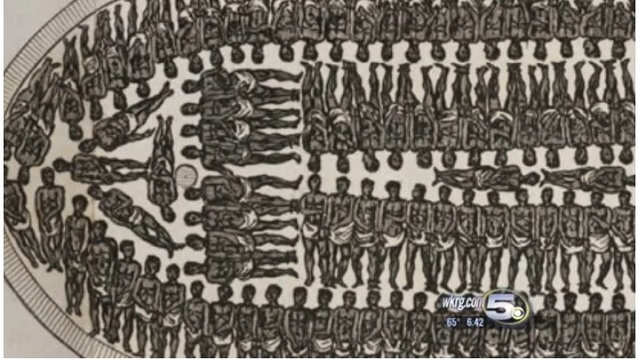
Barracoon: The Story of the Last ‘Black Cargo’ by Zora Neale Hurston was refused publication and then languished unseen for the next 87 years in a dusty archive. That is, until now.   ‘Barracoon: The Story of the Last ‘Black Cargo’ is the tale of Cudjo Lewis born in 1840 and kidnapped in 1859 from his West African village.   He was transported along with one hundred others to Alabama in the US, despite the fact that African slavery had been abolished in America in 1807.   The word ‘Barracoon’ is the term used to describe the barracks where the slaves were housed before their buyers collected them. Lewis is widely held to be the last black African to be sold into slavery and arrived on the last slave ship.   Hurston interviewed Lewis, whose African name was Kossola, when he was approaching 90 years of age. The interviews formed the basis of Hurston’s book which ended up in the archives at Howard University after the books’ failure to publish and Hurston’s death in 1960. Harper Collins have agreed to publish the manuscript in its original form; Kossola’s African dialect appears intact, the main basis for rejection of the manuscript all those years ago.   Kossola was freed in 1865 after working for six years for a shipping business on the Alabama River. The man behind the slave transport, Timothy Meaher, escaped prosecution for breaking the law. The ship on which they were all transported, the Clotilda, was burned by the ship’s Captain, William Foster upon arrival in the US.   [caption id="attachment_8617" align="aligncenter" width="950"]Clotilda discovered in Alabama Remains of the Clotilda[/caption]   All of the slaves were either sold or kept for personal use by Meaher and Foster. After the Civil War in 1865 when he became free, Kossola along with other former slaves founded Africatown in Alabama, where they remained and where Hurston came to interview him in the late twenties.   The author spent a lot of time living in Africatown with Kossola, where the men spoke their own language and kept up their traditional, African customs. She walked alongside Kossola as he cleaned the church and accompanied him on his crabbing trips to the bay. Some of their time was spent in silence, itself speaking volumes about Kossola’s loss of his people and homeland even after so many years.   Her time spent with Kossola moved Zora Hurston hugely and she was profoundly affected by his story. During one of her last visits to his home, she asked to photograph him. Kossola appeared in his best suit but without any shoes. He told Hurston that he wanted to look like he would if he were in Africa as this is where he really wanted to be.   This work was one of her earliest projects following the end of her studies; Hurston studied Anthropology at Barnard College and then Howard University. Hurston was part of the Harlem Renaissance which was an intellectual and social movement within Harlem during the 1920s also sometimes known as, ‘the New Negro Movement’.   Her Biography, ‘Wrapped in Rainbows: The Life of Zora Neale Hurston’ by Valerie Boyd portrays the effect that the interviews with Kossola had on Hurston quite vividly. Hurston’s work is truly unique because it is the first hand testimony of a man who was there, a living record from a truly shameful period of history.]]>
Categories
Book Reviews

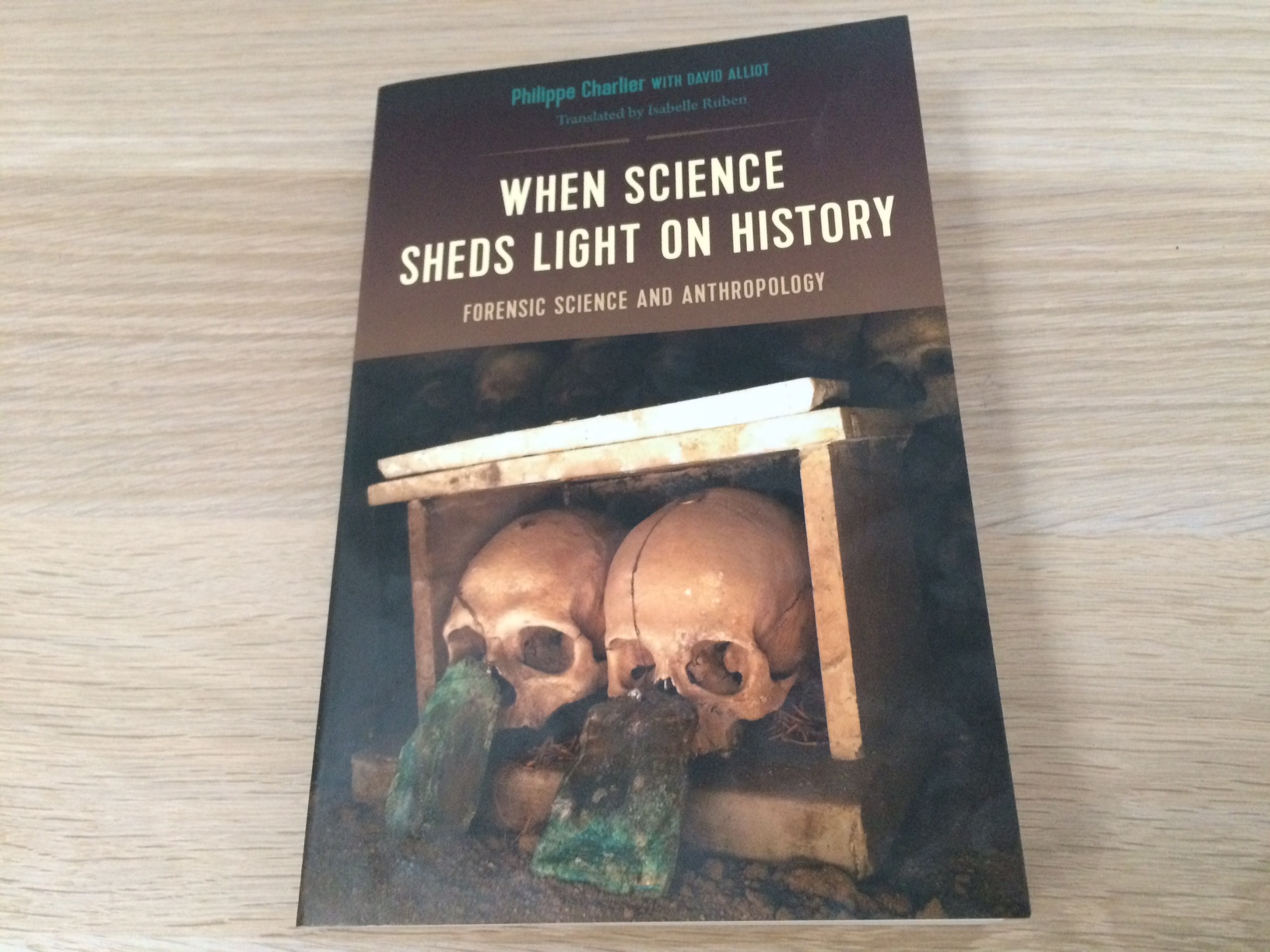
When Science Sheds Light on History – Book Review

Categories
Book Reviews

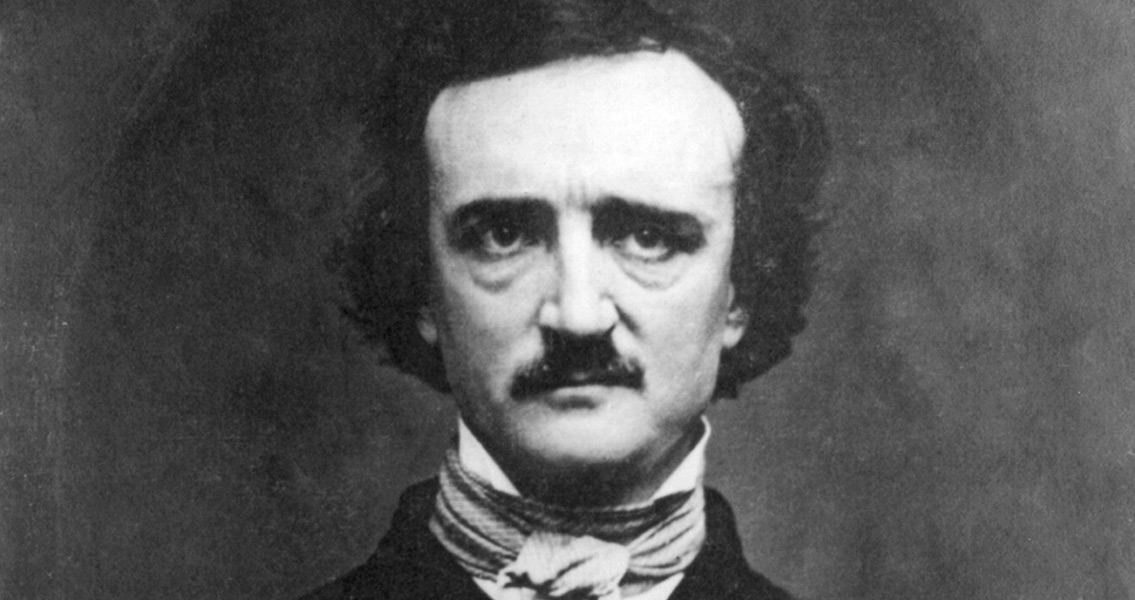
How Edgar Allan Poe Came Up With the Big Bang

Eureka: A Prose Poem was Poe’s last major work before his death in 1849. Jumping between metaphysics and cosmology, the book is far from one of his most well known and was subject to heavy criticism at the time of its publication. Of particular interest now, however, is a passage which describes a ‘primordial particle’ whose rapid expansion created the universe as we know it. The similarities between this description and the Big Bang Theory are uncanny. “The willing into being the primordial particle, has completed the act, or more properly the conception, of Creation. We now proceed to the ultimate purpose for which we are to suppose the Particle created – that is to say, the ultimate purpose so far as our considerations yet enable us to see it – the constitution of the Universe from it, the Particle.” Poe wrote in Eureka. “This constitution has been effected by forcing the originally and therefore normally One into the abnormal condition of Many…. From the one Particle, as a centre, let us suppose to be irradiated spherically – in all directions – to immeasurable but still to definite distances in the previously vacant space – a certain inexpressibly great yet limited number of unimaginably yet not infinitely minute atoms.” Poe’s startling insights in Eureka are not limited to the radiation of matter from a Big Bang. He describes “non-luminous suns” which could be seen as comparable to modern ideas of dark matter. He postulates that the expansion and contraction of the universe could be repeated an infinite number of times, another common belief of modern cosmology. Put simply, Poe imagined a dynamic, constantly evolving universe. To modern readers this may seem obvious; in the nineteenth century it was anything but, with most scientists then conceiving of space as static and non changing. Where did Poe come up with these remarkable insights? One idea is that it was just chance. Poe had no formal training in philosophy or the natural sciences, despite being an avid reader of science books (Eureka is dedicated to naturalist Alexander Humboldt). T.S. Eliot even used this as a criticism of the 150 pages of Eureka. “[Eureka] makes no deep impression” he wrote, “because we are aware of Poe’s lack of qualification in philosophy, theology or natural science.” More recently, scientists have pointed out that many of the ideas in Eureka don’t align with modern cosmology – it’s only a few that do which have overshadowed what Poe didn’t get right. Others claim that Poe’s idea of the universe reveals the true scope of his intellect. Either through aesthetic reasoning or some other insight, Poe was able to come up with the outlines of a revolutionary theory of how the universe worked, but it took until the 1960s for scientists to develop the mathematics and reasoning to flesh it out and give it credibility. Importantly, Poe himself seemed convinced that what he’d described over the course of Eureka was not an exercise in fantasy or whimsy. He wrote to a friend in 1848: “What I have propounded will (in good time) revolutionize the world of Physical & Metaphysical Science, I say this calmly – but I say it.” ]]>

Categories
Book Reviews

Conan Doyle Beyond Sherlock, From Fairies to Atrocities

Harry Houdini over the validity of spiritualism; became embroiled in solving a real life murder mystery, and was until recently believed to have been involved in one of the great archaeological hoaxes of the twentieth century. Conan Doyle was born in Edinburgh, Scotland on 22nd May, 1859. Doyle’s family were affluent, strict Irish Catholics. His father was a respected artist whose achievements had ultimately been thwarted time and again by alcoholism. His mother was a well educated woman with a passion for reading. She would prove hugely influential in Conan Doyle’s life, as he wrote in his biography: “In my early childhood, as far as I can remember anything at all, the vivid stories she would tell me stand out so clearly that they obscure the real facts of my life.” In 1876 Doyle embarked on a medical degree at the University of Edinburgh. It was here that the youngster wrote and had published his first short stories, in many ways reflecting a balance between practical scientific study and fantasy that would come to define his work. The Sherlock Holmes character first appeared in 1887’s A Study in Scarlet, published in Beeton’s Christmas Annual. Holmes was partly based on Dr. Joseph Bell, one of Doyle’s lecturers who impressed him with his intense attention to detail, a trait clearly reflected in the character. Beyond Holmes however, Doyle’s medical background is also reflected in Round the Red Lamp and the Stark-Munro Letters; the latter a novel depicting the live of a young medical graduate in nineteenth century England, the former a collection of short stories on the trials and traumas of the medical profession. Alongside fiction, Doyle engaged with highly controversial issues of the day. Inspired by “a burning indignation”, he wrote the The Crime of the Congo in just eight days in 1909. Dealing with the atrocities taking place in the Congo on behalf of Belgian King Leopold II, the powerful book included graphic portrayals of violence and is littered with horrific photos of mutilated victims. Not satisfied with the publication of his written description of the horrors in the Congo, Doyle used his fame to lobby world leaders such as Kaiser Wilhelm and Theodore Roosevelt. Doyle’s work straddles the line between the factual and the fantastical. His groundbreaking science fiction novel The Lost World tells the story of a group of explorers discovering a South American plateau where prehistoric animals survive. Although an adventure story, it is littered with references to real prehistoric creatures such as dinosaurs and hominids. It’s a book which engages with the idea of evolution at a time it was still considered cutting edge, and shows Doyle’s own interest in the sciences. Towards the end of his life Doyle became fascinated with the mystical and the occult, unveiling another, perhaps totally unexpected facet to this complicated individual. He fell out with Houdini following the illusionist’s campaign to debunk Spiritualism, Doyle having spent much of the 1920s writing books championing Spiritualist beliefs. In 1922, Doyle wrote The Coming of the Fairies, a book which promoted the Cottingley Fairies photographs. Opinion was divided at the time as to whether the images of two girls playing with fairies were a hoax (the girls finally admitted in the 1980s that the images had indeed been faked), and for many, Doyle’s passionate championing of the fairies did long term damage to his literary reputation. Sir Arthur Conan Doyle will likely always be best remembered for his most recognised character, the deerstalker and pipe bearing Sherlock Holmes. By looking at his other works however, an image of a deeply complicated, fascinating individual emerges. ]]>

Categories
Book Reviews

The Works of Flavius Josephus

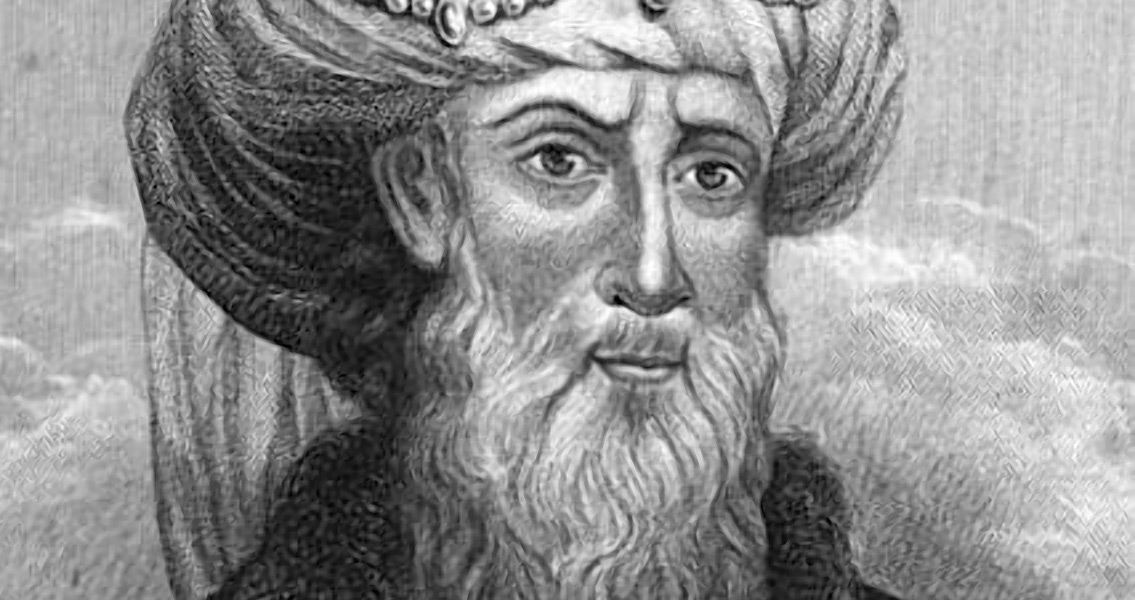
works of Flavius Josephus our knowledge of early Jewish history would be littered with massive gaps. The Jewish priest, scholar and historian wrote crucial texts on the Jewish Revolt and subsequent Roman suppression as well as earlier Jewish history, even making references to the life of Jesus. In particular, his writings give us a glimpse into the dramatic Second Temple Period. Even now, Josephus’ works are used by historians to gain an insight into events such as the Roman siege of Jerusalem in 70 CE. As excavations continue to explore the supposed site of the siege, it’s remarkable how often artefacts and evidence support the general narrative of Josephus’ writings. Two of his works are particularly crucial for the study of Jewish history. The first, ‘History of the Jewish War’, was written in seven volumes between 75 and 79 CE. At the start of the book there is a brief outline of Jewish history from the second century BCE, before launching into a detailed account of the Jewish-Roman War. The siege of Jerusalem is described in fine detail while the book also depicts the invincible might of the Romans, suggesting the revolt was likely doomed from the start. Additionally, the work deals with the causes of the revolt, highlighting it was an inevitable backlash to the harsh reality of life under Roman rule. ‘The Antiquities of the Jews’ is a much broader work, tracing the history of Judaism from creation up until the outbreak of the revolt. It is widely considered by historians to have been an attempt to present Judaism to the Romans and Greeks in a positive light; to distance the religion from the fanatical reputation it had gained in light of the Roman-Jewish War. Fascinatingly, ‘The Antiquities of the Jews’ contains references to Jesus Christ. In Book XX he is referred to as the “so-called Christ”, while a later reference refers to Christ’s divinity, something that many assume was in fact added by a Christian copyist. Most significantly, the work preserved many sources that otherwise could have been lost, making it vitally important for Jewish history. Details of Flavius Josephus’ early life are far from clear. Some accounts claim he was born in Jerusalem in 37 CE, his father a man connected to the Jewish church, his mother from a royal blood line. Others argue that he was born in Sadducee, to an aristocratic family. He excelled in his studies and eventually joined the Pharisees, a Jewish religious party infamous for distancing themselves from the Jewish nationalism which culminated in the revolt. The Pharisees were willing to submit to Roman rule, provided they could maintain religious independence. Despite his allegiance to the Pharisees, when the Jewish-Roman war broke out Josephus led forces against the Romans at Galilee. He eventually surrendered to the Romans at the siege of Jotapata, ignoring the calls of his men to fight to the death. After capture by the forces of Vespasian, Josephus managed to win the future emperor’s favour, entering his circle of trust and eventually completely defecting to the Romans (hence his Latin name). Josephus became completely absorbed into Roman society, giving his children Roman names and becoming a regular figure in the court of the emperor. Although his works show he stayed connected to Judaism, writing several retorts to the criticism leveled at the religion in the Roman and Hellenic world, he was denounced as a traitor by the Jews. A controversial figure in the history of Judaism who is often portrayed as a self-serving traitor, Josephus’ works nevertheless provide a crucial insight into a crucial period of history. The works are occasionally blighted by exaggeration, poor chronology or obvious bias reflecting the writer’s Pharisee beliefs, but they have been crucial in helping modern historians piece together the relationship between Judaism and the Roman Empire.]]>

Categories
Book Reviews

The Wealth Of Nations: Smith's Basis for Modern Political Economy

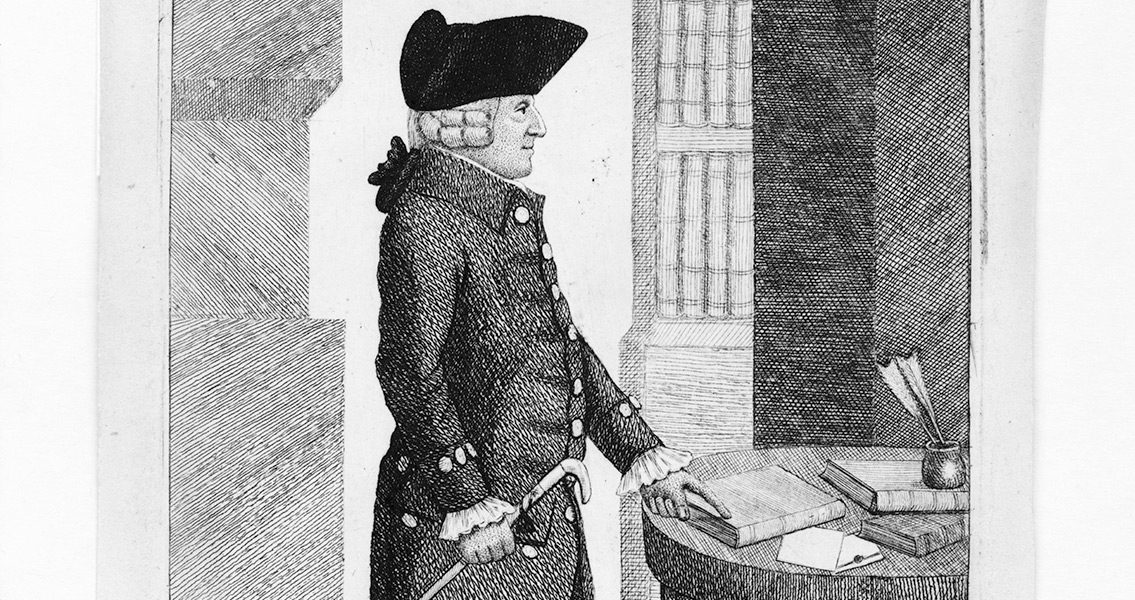
The Wealth of Nations is possibly the defining book of political economy, providing the ideological foundations for economic liberalism and laissez-faire approaches to economics. Written over a ten year period, the book was pioneering in its realisation of the political dimension to modern economics. Works on economics have of course been written throughout human history, but prior to The Wealth of Nations they tended to subjugate economics to the role of facilitator for other goals such as imperial expansion or the consolidation of governmental power. Published in 1776, Smith’s work made economics its focus, striving to explain how an economy could be run most efficiently, and how it was central to any society. The first two books of Smith’s seminal work focus on the division of labour and how it is connected to the prosperity of a society. It ultimately argues that the wealth of a nation depends on the proportion of those who are employed to those who are not, as well as the skill of the workers and the means of distributing the products of their labour. Put simply, a strong, intelligent work force increases the efficiency of production (thus encouraging the reinvestment of surpluses into educating the population). The more people who are employed, the greater the productivity of the economy, but also the more consumers there are for the products of the economy. Moving onto the third book, Smith discusses the development of societies, focusing on his native Great Britain in particular. The book charts the progression from early hunter-gatherers to the rise of agriculture and culmination in the age of international commerce. In particular, it criticises the period of feudalism across Europe following the collapse of the Roman Empire, arguing that indentured labour was an inefficient system, obstructing the progress of society. Book VI criticises the mercantile system of commerce for fixating too heavily on precious metals. Smith argues that on a national scale, true value is found in the goods and services that a nation produces and circulates. Forming the idea of Gross Domestic Product, Smith created a measure by which all modern economies are judged. Finally, Smith uses the last book to discuss ‘the revenue of the sovereign’, essentially the sources of a government’s income, but also governments’ role within the economy. It explains fair taxation, and the roles the government should play in fostering public works which facilitate education, commerce and defence. Again, the role of government is mostly located in ensuring conditions are ideal for the economy to thrive. “The subjects of every state ought to contribute towards the support of the government, as nearly as possible, in proportion to their respective abilities.” Often used as a defense of laissez-faire capitalism, it is important to point out that although a firm believer in the centrality of economy to society, in ‘The Wealth of Nations‘ Smith did not advocate ruthless consolidation of wealth by a few individuals. He argued against monopolies and lobbying groups, on the basis that they interfered with the free, natural movement of the economy. “Wherever there is great property there is great inequality. For one very rich man there must be at least five hundred poor, and the affluence of the few supposes the indigence of the many.” He explains in The Wealth of Nations, “The affluence of the rich excites the indignation of the poor, who are often both driven by want, and prompted by envy, to invade his possessions.” Critics of Smith’s work argue that he focuses too heavily on the strength of the economy and fails to take into account the moral goals it should serve in relation to the population. It is a similar criticism to that often thrown at the governments who most rigidly stick to the ideas of free market economics. However, just because Smith’s work laid the ideological basis for laissez-faire economics doesn’t mean it should also be associated with the worst excesses that have been carried out in its name.

Related Books


The Wealth of Nations book

The Wealth of Nations
Vol. 2 of 2Vol. 2 of 2
by Adam Smith

[gap height=”20″]]]>