Categories
Book Reviews

How Love Makes Us Real – The Velveteen Rabbit Reviewed

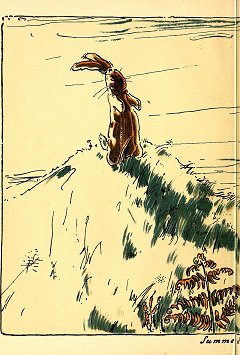
The Velveteen Rabbit by Margery Williams (Author) and William Nicholson (Illustrator) Initially published in 1922, The Velveteen Rabbit was written by Margery Williams and illustrated by William Nicholson. Since its initial publication, this children’s book has become an award-winning classic. It has been republished multiple times for each generation of children (and their parents) to enjoy. Brief Synopsis of the Plot The plot of The Velveteen Rabbit appears simple enough for a children’s story, but it also offers complexity and depth, with deeper meanings for life lessons. The story is centered around the main, titular character—a velveteen rabbit. He starts his journey as a Christmas present for a young boy. When the young boy is more interested in his other toys, the rabbit feels sad. Fortunately, he receives guidance from the other toys. One, the Skin Horse, advises the rabbit that a child’s love will make him real. The rabbit wants to become real but is unsure how to make that happen. When the young boy loses one of his more favored toys, the Velveteen Rabbit gets a chance to become a part of his life. Suddenly, he is favored. The young boy does treat him as being a real rabbit and he starts to regard himself in the same way. Unfortunately, everything starts to shatter when the young boy becomes ill. To disinfect the boy’s room, all his toys must be burnt. The Velveteen Rabbit nearly faces his end before a bit of magic gives him a reprieve and he ultimately gets what he always wanted. Relevant Themes in the Text For a children’s story, The Velveteen Rabbit has complex themes. These make the book enjoyable for children and adults alike. It also makes the book into an allegory that young children can learn from: Love Makes Us Real The wisdom offered by the Skin Horse in the novel is that the love of a child will make any toy real. That advice becomes a key theme of the book—receive love and become your real self. When the Velveteen Rabbit finally receives the love he has been seeking, he feels more real and alive than he had before. This relationship is mutually beneficial as his companionship also offers much to the young boy. In this case, love is connection, acceptance, and comfort. Dreams Come with Risk Throughout the book, the Velveteen Rabbit seeks love because he believes it will make him real. When he finally finds that love and subsequent happiness, it is dashed with the realities of life. This illustrates that while dreams may offer very rewarding outcomes, they also come with risks and sometimes unexpected consequences. Yet, if you continue to hold them in your heart (as the Velveteen Rabbit does), then there is still a possibility of achieving exactly what you want. Appearances Can Be Deceiving In this book, appearances are often deceiving. Unbeknownst to the young boy, his toys have minds and hopes and dreams and essentially lives of their own. Though they do also rely on him. Appearances are also deceiving in the sense that the young boy is initially drawn to his modern and fanciful toys but can find true happiness with a simple stuffed rabbit. Sometimes what one seeks is right in front of them, but they cannot quite see it. Finally, when it comes down to who is real versus not, the surface appearance may not always be an immediate give-away. When the Velveteen Rabbit meets some actual rabbits in the woods, he is brought back to the stark reality that he is not truly a real rabbit. Yet, his introspection and self-awareness might make him more “real” then any of them. Analysis of Writing Style The Velveteen Rabbit is an older book and the writing style reflects this. Some modern children’s books dumb things down, but this book does not. The writing lends itself to a soothing bedtime story read by the parent. As children develop their cognitive abilities, they will be able to grasp the language themselves. The older writing style may even help them to develop their more advanced reading skills. The author uses certain key elements to drive the plot. One is an internal frustration that the rabbit feels about his limitations and inability to make his own future. He must rely on others to help him reach his dreams. Yet, he grows through the story, gaining both self-esteem and increased confidence. All this is done through the style of personification as this stuffed rabbit is written with very human qualities. Relevant Themes for Today If you have ever watched Toy Story and cried during the montage where Jessie laments the loss of her child, then The Velveteen Rabbit is a book you will thoroughly enjoy. But why do people like books and movies about the plights of toys?  It is certainly because every child and every inner child truly did believe their dolls and stuffed toys were real (at least they were to them). The themes seen in the book, also continue to be relevant today. Talk to any therapist and they will surely tell you that giving and receiving real love allows people to be their genuine and authentic selves. Yes, love does make you real, when it is healthy and allows you to be your true self. Yet, love does also bring risks. Sometimes it brings loss, make ups and break ups, and new challenges that can change a person over the course of their life. But that is real too, for most people, just like the Velveteen Rabbit, it is all part of the journey. These are the lessons that you and your children can take from this book. Final Recommendations When you stock your child’s library and make nightly selections for bedtime stories, do not neglect the option of The Velveteen Rabbit. This book is a true beloved classic that any child of any generation can still connect with and enjoy. There is whimsy and magic. And, yes there is loss and sadness too. Children can handle that and even learn a few real-life lessons along the way. Indeed, this sweet story about a small stuffed rabbit, will actually let any child learn more about life and relationships. This book may also be a particularly good choice for children who are themselves experiencing an illness, or some other life change such as the loss of someone that they love. The book may even leave them with the consoling thoughts that the ones they lose are never truly gone. This story is available as an ebook from Forgotten Books or in print at Amazon.

]]>
Categories
Book Reviews

For Whom the Bell Tolls by Ernest Hemingway

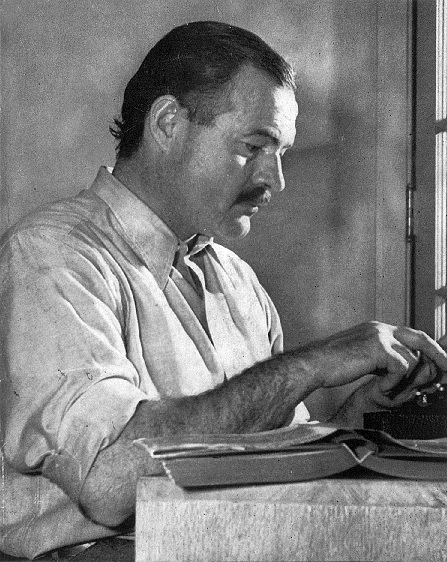
For Whom the Bell Tolls is a book with important themes that still hold relevance today. The book is semi-biographical as Hemingway took inspiration for some of the characters and events from his own experiences in the Spanish Civil War. Brief Synopsis of the Plot The story is centered around American-born Robert Jordan, a dynamiter, who is tasked with blowing up a bridge near the Sierra de Guadarrama mountain range that is located between Segovia and Madrid. The plot is tight as the action occurs over the course of just four tense days and three sleepless nights. Wrought with the brutality of war, For Whom the Bell Tolls contains imagery and themes that reveal the even deeper meanings of an already complex and rich story: Relevant Themes in the Text Like any great work, For Whom the Bell Tolls has been analyzed by literary scholars. Most agree on central themes to the story. As a reader, you can look for each theme in your own reading of the text, seek out your own as well, and take personal lessons from the messages Hemingway intended. Camaraderie based on loyalty A key theme in the text is friendship and love or more broadly camaraderie based around shared ideals, shared loyalty to those ideals, and ultimately shared loyalty to one another due to common goals. In the brief span of the time depicted in the text, Robert Jordan experiences intense friendship with his comrades and an intense relationship with his newfound love, Maria. On the one hand, this theme can all read as romanticized. After all, it seems lovely to think of a group of people quickly banding together over a shared mission. It might be easy to scoff at the way things play out. However, research does show that when placed in life and death situations, brain chemistry does allow for these fast and furious bonds. It aids survival after all. Sacrifice for the greater good of all If a main theme of For Whom the Bell Tolls is the coming together of different peoples over a common goal to promote the survival of each, it may be surprising to learn that another theme of the text is personal sacrifice. Indeed, the characters of the book are putting themselves at risk not just for their own personal survival but to promote greater ideals and a greater good. The goal for Robert Jordan and his comrades is not just their own survival but the survival of something much greater than themselves. That is war. No person ever went to war just hoping to make it out alive. They knew they risked their life, but they did it with the hopes of making the world a better place. Hemingway illustrates this perfectly through the plot of the text. Defeat and death of one’s ideals Sadly, camaraderie and personal sacrifice do not always mean success. Throughout the text, Hemingway also weaves a theme of defeat, which is illustrated with repeated instances of hopelessness and inevitability for a less desired future. This is first illustrated when Robert Jordan visits the palm reader, whose prophecies serve to foreshadow the rest of the book. Death in a literal sense is also a key theme in the book. This is to be expected based on the title alone. Being set in a period of messy war tactics only increases the odds. The characters each know the risks they face in their situation, with death by enemy or self being the ultimate one. There is no skirting around it and Hemingway does not even try to. In fact, he highlights it. Analysis of Writing Style For Whom the Bell Tolls was lauded during its initial publishing. Today, however, there are millions of books to choose from and it might not be the first option you would turn towards. The book does contain some antiquated stylings that might make it seem less relevant and accessible to today’s reader. In writing the book, Hemingway nearly treated it as though it was a true account of the war, even “translating” the content from Spanish into English. As such, there are some phrasings that might make little sense to the common reader. Although, that can also reasonably happen with any aged book, wherein some phrases have simply been lost to changing styles that occur over time. Further, despite depicting the brutalities of war, Hemingway was simultaneously mindful of the sensibilities of the time-period he was writing in. As such, he modified “foul” language, often replacing those words with the terms “obscenity” or “unprintable.”  This makes reading the book akin to watching a show with words ‘bleeped’ out but the reader can still discern meanings from context clues. Relevant Themes for Today Despite its somewhat antiquated language and styling, For Whom the Bell Tolls still has great relevance to today. The text is considered a classic after all because the themes that Hemingway included and highlighted are ones that every generation will face in some form. Any person who has been in school, a club, a job, or some other setting will know the force that can come along with camaraderie and allegiance to others. It can make people do amazing things they could not have done on their own or engage in unspeakable acts under the guise of anonymity. When you watch the news and see that an innocent person has stepped in front of a gun to protect another innocent person, you know that personal sacrifice still abounds. Yet, when you watch the news too much, seeing death and destruction, you may also be met with the same feelings of hopelessness and inevitability about a dismal future that the characters in For Whom the Bell Tolls faced. Final Recommendations Ultimately, the question is whether you should take the time to read Hemingway’s classic novel For Whom the Bell Tolls. The answer is yes, you absolutely should. This book is a classic for a reason. It contains a piece of history not often depicted in books and movies. It also contains timeless themes. At the least you will be a more learned person for adding this classic to the bookshelf of your mind. You may also learn some valuable lessons about the human spirit. You may even learn more about what people (including yourself) are willing to do to protect the people they love and their shared ideals.

 ]]>

Categories
Breaking News

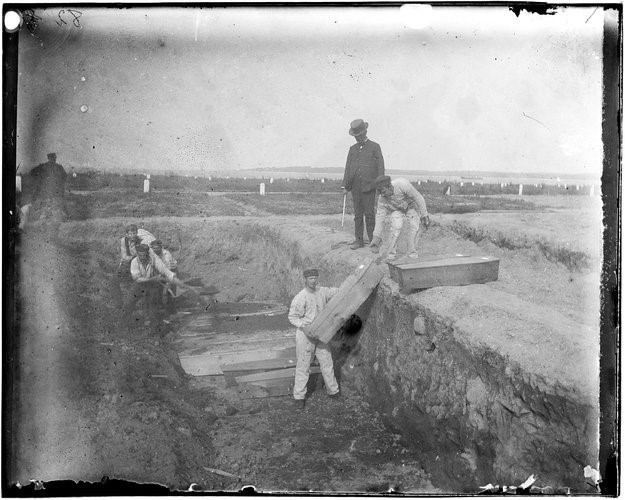
Old Bones Resurface At New York Massive Grave Site

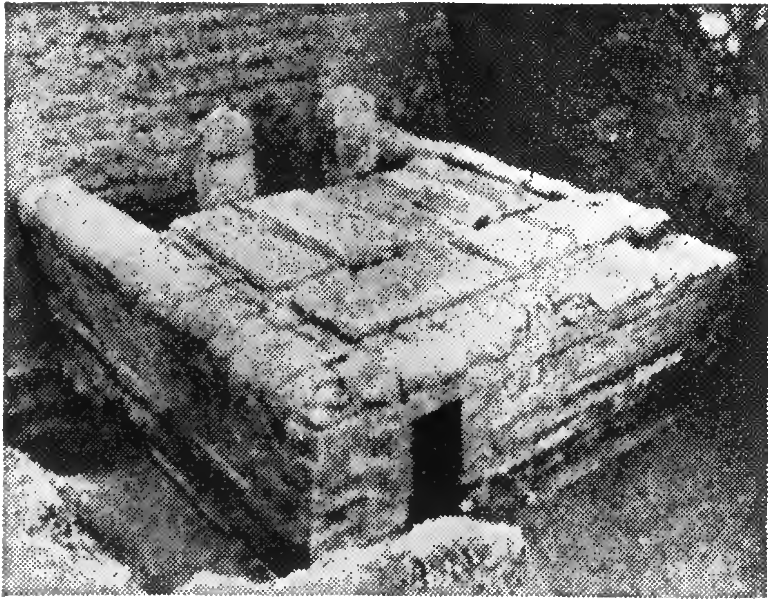
City Island and Hart Island (lower right)[/caption] Forensic anthropologists were brought in by the Department of Correction from the office of the city medical examiner some weeks ago to collect and catalog about 174 bones from the island, a repertoire which included 16 pelvic bones, 31 femurs, six jawbones and six skulls. All over the shores of the rocky island, red flags can be seen in places from where the remains were collected. Advocates for the island who have been involved in a long struggle to see the site converted into a historical site and a national park say that the bones exposed bones are reflections of the inactions on the part of the system to do nothing to improve the site. This is in fact not the first time Hart Island has been ravaged by floodwaters to reveal the grim image below the surface of the island. In 2012, hurricane sandy besieged the coast and exposed a cistern used during the civil war. Several other storms have eroded the island at various times even long before then as revealed in a 1985 report which recounted that several bones including a human skull were found on the beach. While repair work on the island which was initially billed to begin in the year 2020 has been moved up by a year due to the urgency of the situation, officials have decided that a monthly cleanup of the island will continue in order to remove exposed remains for re-burial. Melinda Hunt, one of the island advocates who has been involved in documenting the conditions on Hart island since 1991 on a recent photography trip around the island, pointed out places along the shores where the exposed bones were seen. According to her, “They came to clean this up, but it isn’t the first time and it won’t be the last”]]>

Categories
Breaking News

Pharaoh Depiction Discovered During University Class

One of the fascinating aspects of Hatshepsut is the change in how she was depicted in the monuments she constructed. In the early years she is depicted as feminine in dress and appearance, but as her reign went on she was shown in a more and more masculine fashion. Eventually her depictions show a full beard. Tragically, it seems her grandson, Amenhotep II, defaced many of her monuments and began to claim her accomplishments as his own. One of her carvings was chiselled away from a temple wall and eventually made it to Swansea University, where it was placed in the archives and forgotten about for many years. As part of their undergraduate degree, Egyptology students are given the opportunity to handle historical artefact from the large archival collection. It was while discussing artefacts in this class that the lecturer, Dr Ken Griffin, saw the carvings and immediately recognised that it was more interesting than the original archivists had thought. Dr Griffin is an expert in his subject, and has visited ancient Egyptian sites many times. He recognised the carving styles and techniques as being unique to the temple of Hatshepsut. In particular the hair and fan are carved in a very specific way. Curiously the top part of the image appears to be a fake, perhaps made by an art dealer. The stone itself seems to be authentic though, and there is a mysterious figure of a head carved on the back. Students from the class were understandably excited to be part of the rediscovery of this fragment of history. This is not the first time objects related to Hapshepsut have been found hidden in archives. A miniature hoe and rocker belonging to the pharaoh were discovered in Canada in 2016. As were stone blocks depicting her image on Elephantine Island.]]>
Categories
Book Reviews

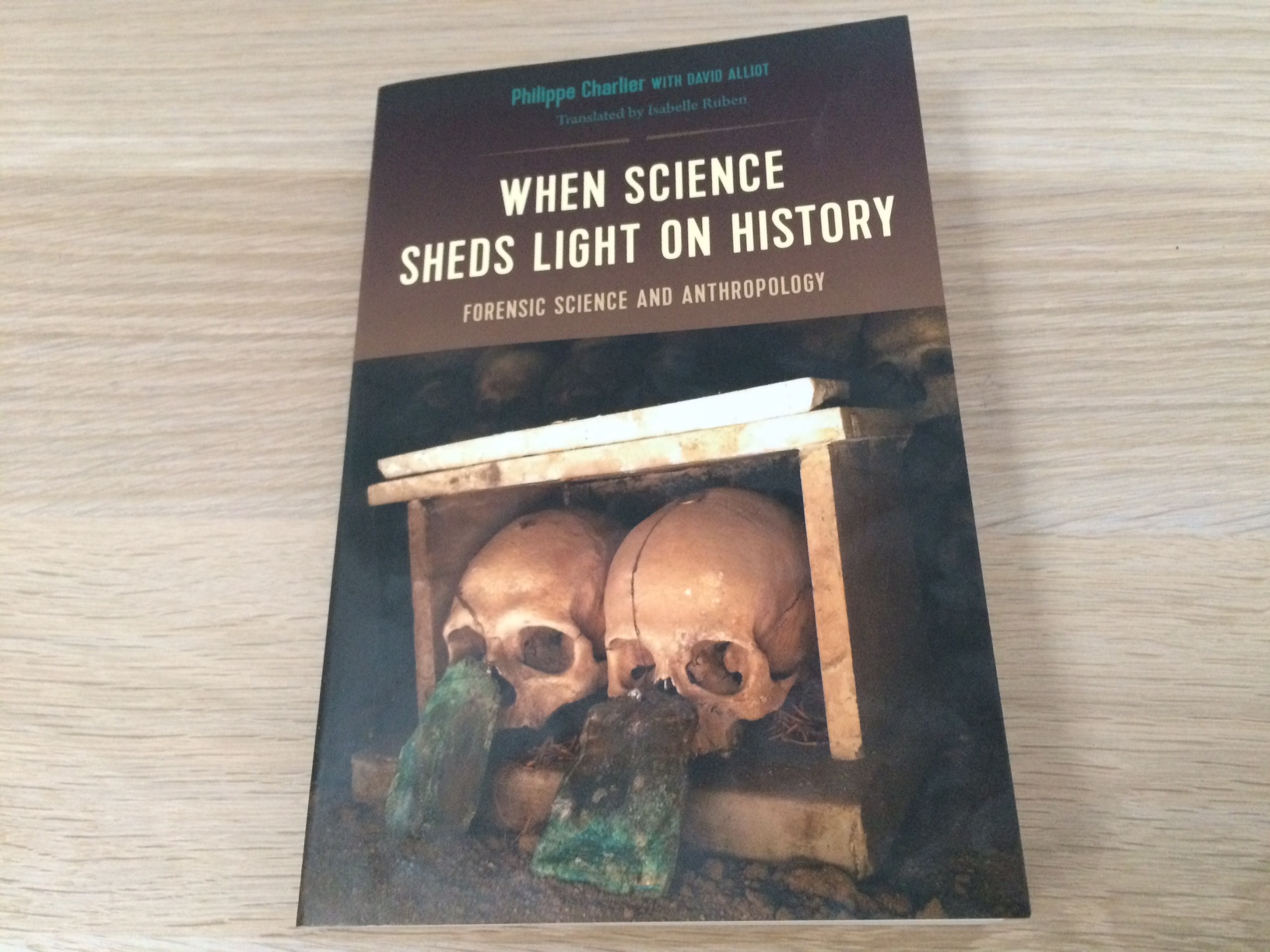
When Science Sheds Light on History – Book Review

Categories
Breaking News

Priceless Seal of Ramesses II Purchased for Just £12

Categories
Breaking News

New Historian Releases Mobile News App

App Store – iPad & iPhone – Download Google Play – Android Phone and Tablet – Download]]>

Categories
Breaking News

The Newly Discovered Work of the Lyrist Sappho

Categories
Breaking News

New Prehistoic Artefacts Found in Scotland

Recent findings uncovered new evidence for prehistoric Scotland. Recently, an unlikely turn of event has lead to a discovery of an ancient Scottish settlement believed to be an Iron Age village. Along with it, a host of ancient artefacts including tools and jewellery were also found. The unexpected discovery was excavated at the construction site of the £17 million A75 Dunragit bypass in Wigtownshire, in south-west Scotland. It has been reported that the discoveries include a rare and complete 130-piece jet bead necklace dating about 2000BC, the first of its kind ever discovered in south-west Scotland. Two of the jet beads necklaces found are considered to be the rarest of the discoveries, according to Dr Alison Sheridan of National Museums Scotland. She was also reported to have said that the necklaces were made in about 2000BC, between the Neolithic period and the Bronze Age, in Whitby, Yorkshire, located about 160 miles from where they were found. A Romano-British brooch, a Bronze Age cemetery complex, cremation urns and pottery fragments were among the other finds. Other than that, some flint tools, including a flint arrowhead from the early Neolithic period and more than 13,500 Mesolithic flints were also found. Flint is a hard, tough chemical or biochemical sedimentary rock that breaks with a conchoidal fracture. It is a form of microcrystalline quartz that is typically called “chert” by geologists. It is a preferred material for making tools and it has been used extensively by human to make stone tools during the prehistoric era. Prehistoric period is divided into three-age system, namely the Stone Age, Bronze Age and the Iron Age. Stone Age then further divided into three periods which are the Paleolithic, Mesolithic and Neolithic. Paleolithic means “Old Stone Age”, and this period begins when human were starting to use stone tools. Meanwhile, Mesolithic means “Middle Stone Age”, and this period dates from the end of the last Ice Age. It is in this period that agriculture was introduced. The Neolithic or the “New Stone Age” period in Scotland spanned approximately 4500BC to 2000BC and is the period in which settled farming became common. The Bronze Age dates from about 2500BC when metal-using and a “package” of other Continental novelties appeared in Scotland – and elsewhere in Britain – to around the 800BC, when iron objects and iron-using probably appeared. The Iron Age then lasted to about 500 AD. Rod McCullagh, an archaeologist of Historic Scotland said, “An unforeseen wealth of archaeological information has been recovered. The team of archaeologists from Amey and Guard Archaeology Ltd have uncovered the remains of dwellings and burials spanning over 7,000 years of prehistory,” He added, “In addition, numerous smaller sites have been discovered which seem to relate to the use and exploitation of the land both through hunting and farming. These are exciting discoveries which offer a much richer understanding of the settlement of south-west Scotland over the past 9,000 years.” Transport Minister of Scotland, Keith Brown have the following to say regarding the findings, “With the A75 Dunragit bypass already improving journey times and providing opportunities for business, leisure and tourism industries on this crucial route between Scotland, the rest of the UK and Europe – it is also helping shine a light on Scotland’s ancient past. “The finds at Dunragit, which would have remained uncovered had the new bypass not been built, are truly stunning, and underline the importance of the value we place on meeting our environmental obligations as we plan and construct essential new infrastructure,” he added. In the meantime the findings are being conserved for further analysis. Research is still ongoing and report by Historic Scotland will be produced to describe and explain what has been discovered along the road. Based on the report, a decision will be made on where the various collections will be stored or put on display. Whatever the result of the findings may yield to us, it would surely becomes another piece of evidence that would serves as an eye opener and might even unravel a new perspective in our knowledge and understanding of the prehistoric age. ]]>

Categories
Editorial

Joseph Grimaldi (1778-1837)

A Family of Clowns As the family name suggests, the Grimaldi family came from Italy. They had been living in England for half a century when Joseph was born. They made their living from comic performances and acting in the London theatres. Joseph’s father, Joseph Giuseppe Grimaldi, was an accomplished entertainer but a harsh parent who regularly beat his children. Joseph’s mother was a 14 year old dancer taken into his father’s apprenticeship. His father was 60 years old at the time of his birth. Joseph’s mother was not the only woman in his father’s life. He had a few mistresses. Born into such a family it was not surprise that Joseph Grimaldi began his stage career at an early age. He was only a toddler when his father took him on stage with him to take a bow on the stage of the famous Drury Lane Theatre in 1780. With no compulsory education law in those years the young boy only received the most rudimentary education. He was raised a child actor to appear in support of his father. Sometimes he had to play the role of animals. It is recorded that once his father brought him on the stage in the guise of a pet monkey with a chain around his neck. His father swung him round so fast by the chain that he was thrown off the stage into the orchestra pit. He survived this fall and many cuts and bruises. This turned out to be a good preparation for the athletic clowning style that brought him later fame. Joseph Grimaldi’s father died when he was just 10 years old. He had developed a paranoid fear of death, and especially being buried alive. In the 1700s the poor state of medicine made this a real concern, but nevertheless Grimaldi Senior went a little too far in his fears. He asked his daughter to cut off his head after his death just to make sure that he would not be buried alive. He offered her the princely sum of five pounds for performing this grisly duty. Joey the Clown The young Joseph Grimaldi was forced to become the main supporter of his family at such a young age. The famous theatre manager Richard Sheridan gave him employment at the Drury Lane Theatre for a pound per week. His mother was also employed as a dancer. Over the next few years he continued to play a series of child, animal and dwarf roles on the London stage. In 1794 he had his first major breakthrough in the Thomas John Dibdin pantomime “The Talisman; or, Harlequin Made Happy” During this era productions build around the comic characters of Harlequin and Clown were the mainstays of comic theatre. Into this particular milieu, Grimaldi found that his comic acting skills fitted very well. He developed his unique clown identify with the painted face. He also entertained the audience with acrobatics and sword play. Not infrequently he caused himself injury through his energetic performance. Another popular element in his performance was the way he used satire to poke fun at characters or stereotypes that his audience easily recognised amongst their own family or acquaintances. He also courted audience participation. In a tactic that is followed by pantomime performers today he asked the audience if he should do a certain move or trick. Invariably his audience shouted yes and egged him on. He also coined the “here we come” catchphrase which successive generations of clowns have borrowed. Some of his comic songs have also stood the test of time and you might hear them sung today where clowns perform. In the first decade of the nineteenth century Joseph Grimaldi rose to the position of the leading comic performer of Regency England. His performance as clown in the Mother Goose pantomime in 1806 brought the theatre an amazing 20,000 pounds in takings. In 1815 along with his fellow clown Jack Bologna, he earned 1,743 pounds in the course of just 56 performances. Theatrical Family Life In 1799 Joseph Grimaldi married Maria Hughes, daughter of Sadler’s Wells Theatre manager Richard Hughes. His wife died in childbirth in 1801. Joseph was devastated by his wife’s death. To take his mind off his grief he added to his performing schedule by performing at both Drury Lane and Sadler’s Wells theatres each night. During one of his routines he accidentally shot himself in his foot. His mother arranged for a dancer called Mary Bristow to attend to him in his sickness. A relationship developed and in the end of 1801 they married. By Mary Bristow he had his only child, Joseph Samuel. With his career at its peak they could afford to take a country cottage at Finchley, which was in those days a country village outside London. Just as Joseph had been introduced to the stage at an early age by his father, he decided to do the same with his own son. Joseph Samuel also developed into an accomplished pantomime performer but he remained in the shadow of his famous father and came to resent it. The Unhappy Clown It is a well-known phenomenon that comic entertainers are often struggling to cope with depression. A story is told that Joseph Grimaldi once went to a leading doctor for treatment for his depressed condition. The doctor was not aware of his patient’s identity. He recommended that the man go to see a performance of Joseph Grimaldi the clown to cheer him up. The patient looked the doctor straight in his face and said to him, “I am Joseph Grimaldi.’ Another time he is recorded as saying that while he makes other people laugh he remains “grim all day” (a clever play on his name). Grimaldi’s acrobatic stunts and numerous injuries in the course of his performances took their toll on his health. In 1821 he collapsed after a performance and from this point on his health went continually downhill. He gave a farewell performance at Drury Lane Theatre in 1827. His wife’s spendthrift habits and people taking advantage of his own lack of skills in money management led to the Grimaldi family’s fall into poverty. His own son became an alcoholic. The drunken friends and ladies of the street he brought home aggravated his parents suffering. Joseph Samuel Grimaldi died age 30. His parents made a suicide pact but their attempt to take poison was botched. Mary Grimaldi died in 1834. Joseph continuing living on his own in abject poverty relieved by visits to the tavern to drink and talk about better times. He died on 1st June 1837, probably from alcoholism. Charles Dickens edited Grimaldi’s memoirs. He had a strong admiration for the clown whom he saw while a young child in 1812. The book was a great success and still makes an entertaining read. ]]>