Categories
News

The Anniversary of the Storming of the Bastille

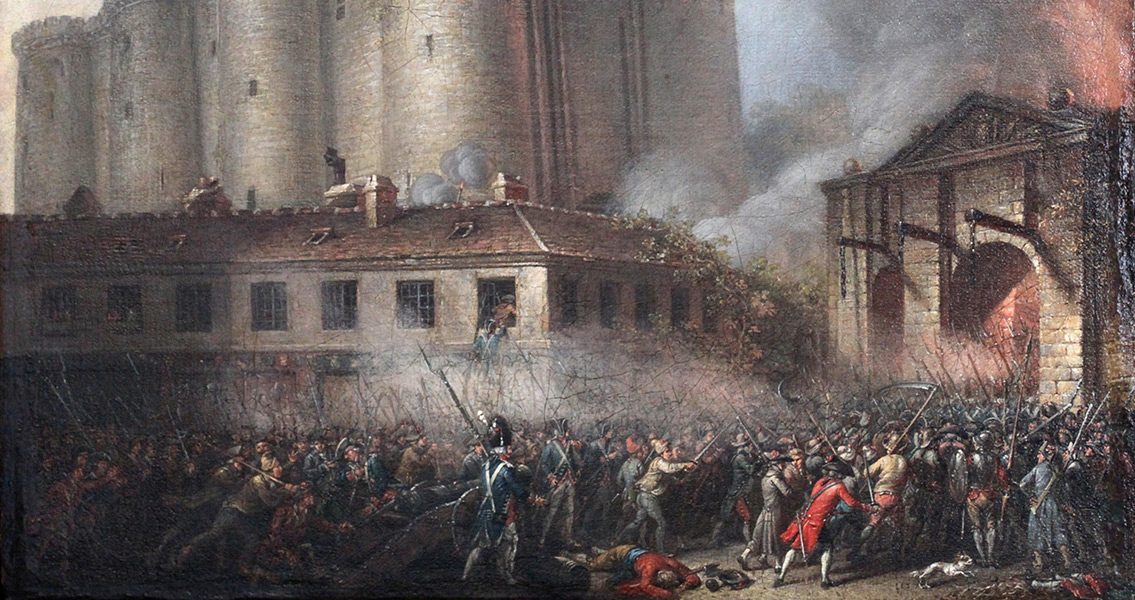
Jean-Paul Marat, rioting and looting consumed the city as Parisians prepared for a siege. On the morning of the 14th July, a massive mob descended on the Bastille. Demanding the prison governor open the gates to allow them access to the ammunition stores, the mob charged when he refused to surrender. A bloody battle ensued, but the mob eventually took control of the Bastille, killing the governor in the process and then proceeding to carry his head through the streets on a spike. The ramifications of the events of 14th July were quickly understood across Europe. The English newspaper The World declared a few days later, “A National Revolution, brought about in a period so short, has had no parallel in the History of the World: and although fatal to some, the lives that have been lost in this great accomplishment, are, in point of numbers, inconsiderable.” In France, the anniversary of the Storming of the Bastille is a national holiday, highlighting the significance with which the event is still held. The starting point of years of revolution in the country, which only came to an end with the rise of Napoleon; the 14th July 1789 heralded the era of conflict between people and power that continues to shape history to this day. ]]>
Categories
News

Marie Antoinette – Incest, Child Abuse and Adultery?

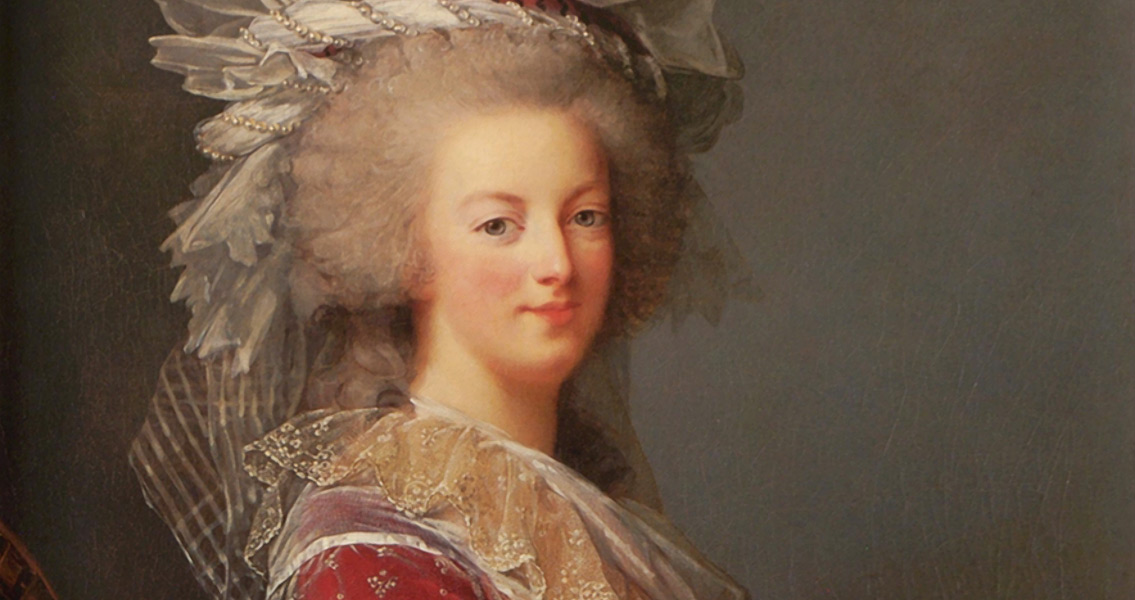
Born in Vienna in 1755, Antoinette was the fifteenth child of Holy Roman Emperor Francis I and the Habsburg Empress Maria Theresa. Part of one of the most powerful families in Europe at the time, she soon drew the interest of other monarchies around the continent. At the age of fourteen she married the future Louis XVI, sealing a new alliance between former enemies Austria and France. Before Louis’ ascent to the throne Marie Antoinette was celebrated as a teen idol in France. Following his coronation however, she became increasingly unpopular. Although stories have inevitably been exaggerated or made up – most famously the belief that she responded to a peasants food shortage by declaring “Let them eat cake” – it is clear that she lived a life almost completely antithetical to her quiet, withdrawn husband. As France entered a period of political and economic turmoil, with support of the monarchical system increasingly sparse, Antoinette’s reportedly debauched life style drew greater and greater condemnation. Spending much of her time away from the king in her private castle, the Petit Trianon, rumours began to circulate of adultery, while pamphlets accused her of ignorance of the French people, greed, and debauchery. Of course, such depictions of the last French queen have stuck. We often consider her the archetype of the excesses of extreme wealth, failing to consider that such portrayals were likely often made with ulterior motives. Indeed, many historians since, such as Charles Duke Yong, have painted her as a generous, modest monarch who tried to reform the morals of the court. Undoubtedly, the French Revolution was a vital moment in the history of democracy, coming in a society which was deeply divided between class. But is accepting the cartoonish images of Marie Antoinette failing to grasp the true complexity of the factors at play in the conflict between monarchy and people?]]>

Categories
News

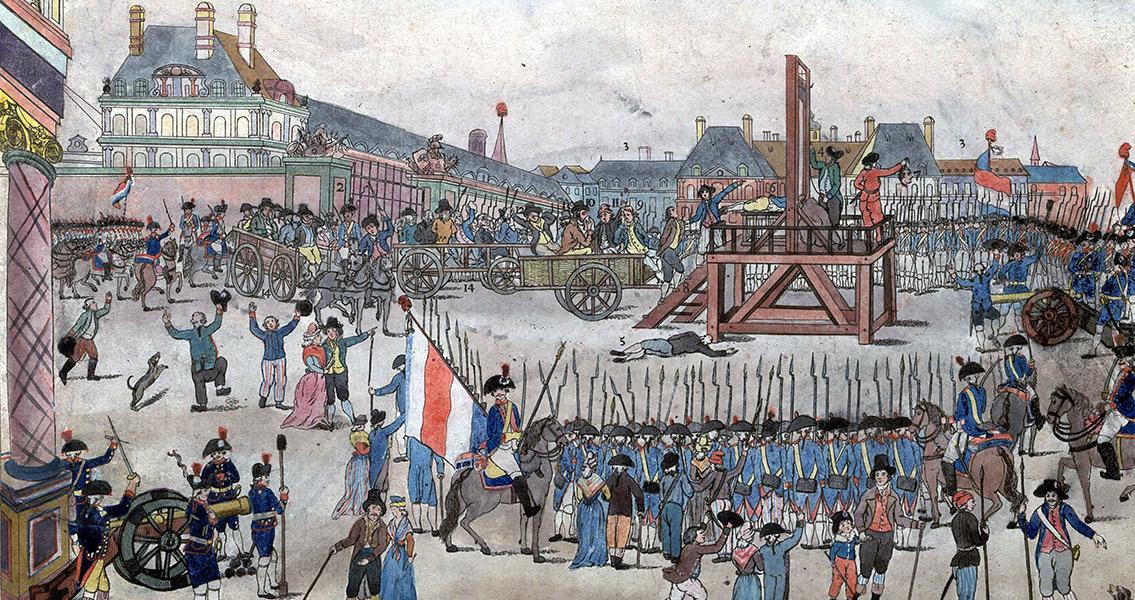
Robespierre Deposed