Categories
Breaking News

Zinc Deficiency Not Lead Exposure Killed John Franklin's Crew

HMS Terror and HMS Erebus, led by explorer and Royal Navy officer John Franklin, left Britain to search for the last section of the Northwest Passage. When both ships became icebound, all 129 men were lost, but exactly how and why they perished has been an enduring mystery. In a new study, researchers chemically mapped the fingernail and toenail of one of the dead men and found new evidence regarding Franklin and his crew’s tragic fate. A number of researchers have theorized that lead poisoning – caused by the metal leaching from the food tins or water pipes found on the ships – had caused the men’s death. Lead exposure can bring on symptoms which include neurological problems, that could have easily doomed the explorers. But now, this latest evidence shows one of the few bodies ever found had a zinc deficiency, suggesting that it was this deficiency, not lead poisoning, that led to his death. “There’s increasing evidence that lead was not the issue,” Jennie Christensen with TrichAnalytics in North Saanich, Canada, says in an article published in Nature. Christensen and her team measured the levels of zinc, copper, and lead at different locations along at thumbnail and toenail from John Hartnell, a crew member who, along with two others, died and was buried on Beechey Island where the expedition overwintered in 1845 and 1846. After studying the accumulated growth of Hartnell’s finger and toe nails, the team was able to identify week-by-week changes as they occurred in his body. “You can actually see what the levels of lead were with John Hartnell, over the period of time he was present on the expedition. That is a pretty unique insight,” Keith Millar, with the University of Glasgow, says in Nature. Christensen’s team utilized a synchrotron particle accelerator located in Saskatoon, called the Canadian Light Source, along with other instruments to construct a picture of the metals inside of Hartnell over a period of time. They discovered the crewman suffered from a serious zinc deficiency, which would have affected his immune system, leaving him considerably more vulnerable to pneumonia and tuberculosis – the very diseases that are believed to have killed him. Hartnell had high lead levels only within his last few weeks of life, when his body, dying at this time, would have released the lead stored in his bones into his blood and ultimately his nails. “The lead theory is pretty much dismantled by this point,” Ron Martin, from the Western University in London, Canada, tells Nature. In 2013, Martin analyzed the bone fragments of several crewmembers (including Hartnell) and reached the conclusion that there was no spike of lead exposure during the expedition, but rather, the men had been exposed to lead consistently throughout the course of their lives. No samples from any of the other members of the expedition are available, so the research can’t be applied beyond Hartnell’s death. However, a zinc deficiency may help to explain why other expeditions to the Arctic suffered poor health. The findings have been published in the Journal of Archaeological Science. ]]>

Categories
News

'Typhoid Mary' Passes Away After 23 Years in Quarantine

Salmonella typhi. Between 1900 and 1907 over twenty people fell sick with typhoid fever in houses where Mary worked in New York City and Long Island. Often, the disease would appear shortly after Mary had started working at a house, but she would leave before its source could be traced. Typhoid was one of the most devastating diseases of the twentieth century. Infection spread though households quickly, often meaning multiple members of a family could be infected before anyone realised what they were dealing with. The symptoms in the first week of infection are barely distinguishable from a common case of flu; by the third week it triggers inflammation of the brain and intestinal hemorrhaging. In the early nineteenth century typhoid fever was associated with the poor sanitation in deprived slums. The disease’s appearance in the home of wealthy New Yorkers left epidemiologists flummoxed. In 1907, New York City Department of Health sanitary engineer George Soper; a specialist in typhoid fever epidemics, was called to investigate an outbreak at a house in Manhattan. Soper met with Mallon, who’d also worked at a household hit with the disease he’d investigated the previous year. He soon realised that all 22 cases of the disease that had recently hit New York and Long Island could be traced back to the woman the press would soon dub Typhoid Mary. Mary fled, but the authorities caught her and had her committed to an isolation centre on North Brother Island. She was finally released in 1910, on the condition she’d never again work in a job that involved handling food. Within four years, two more epidemics broke out, one at a sanatorium in New Jersey, the other at a hospital in Manhattan. Soper was immediately suspicious, and eventually found that Mary had worked at both under an alias. In 1914 she was captured by the authorities, and sent to North Brother Island once more. Through it all and up until her death, Mary refused to accept she was responsible for the typhoid fever that had followed her for at least fourteen years, questioning how she could spread a disease she didn’t seem to be suffering from herself. Some are cynical about this: asking why, if she was so convinced she wasn’t spreading the disease, she fled after each outbreak. However aware Mary really was of her condition, hers is a challenging case. She was vilified by the press and afforded no anonymity, spending a quarter of her life confined to a quarantine facility. Even now, it provides a difficult case study in the balance authorities need to seek in protecting the public interest while also maintaining an individual’s civil rights. ]]>

Categories
News

Spiritualists, Appendix and Punches – The Death of Houdini

Categories
Breaking News

DNA Tests Quash King Albert I Death Conspiracy Theory

Royalty, bought one such relic: blood stained tree leaves, determined to find out once and for all if they were truly covered in the monarch’s blood. In 2014, Professor Dieter Deforce from the University of Gent carried out tests confirming the blood was human. From there, Larmuseau and his team commenced DNA analysis to confirm whether the blood did indeed belong to King Albert I. “King Simeon II of Saxe-Coburg and Gotha, the last tsar and former prime minister of Bulgaria who is related to Albert I on his father’s side, and Anna Maria Freifrau von Haxthausen, a German baroness who is related to Albert I on her mother’s side, were willing to cooperate. They gave up DNA samples that we compared with the DNA of the trails of blood. We found that the blood is indeed that of Albert I.” said Larmuseau, in a press release from KU Leuven. “The authenticity of the trails of blood confirms the official account of the death of Albert I. The story that the dead body of the king has never been in Marche-les-Dames or was only placed there at night has now become very improbable. Furthermore, the results show that conducting a perfect legal investigation at the time was impossible right from the start, because souvenir hunters had disturbed the scene.” Larmuseau continued. Born in April 1875, King Albert succeeded to the throne in 1909. His popularity came from his refusal to allow German troops free passage through Belgium in 1914, and his personal leadership of the Belgian army during the First World War. Following the armistice, his reign was considered crucial in securing Belgium’s post war recovery. For more information: www.fsigenetics.com Image courtesy of © KU Leuven – Maarten Larmuseau ]]>

Categories
Editorial

The Mystery Behind Emily Davison's Death

Categories
News

Alexander the Great's Mysterious Death

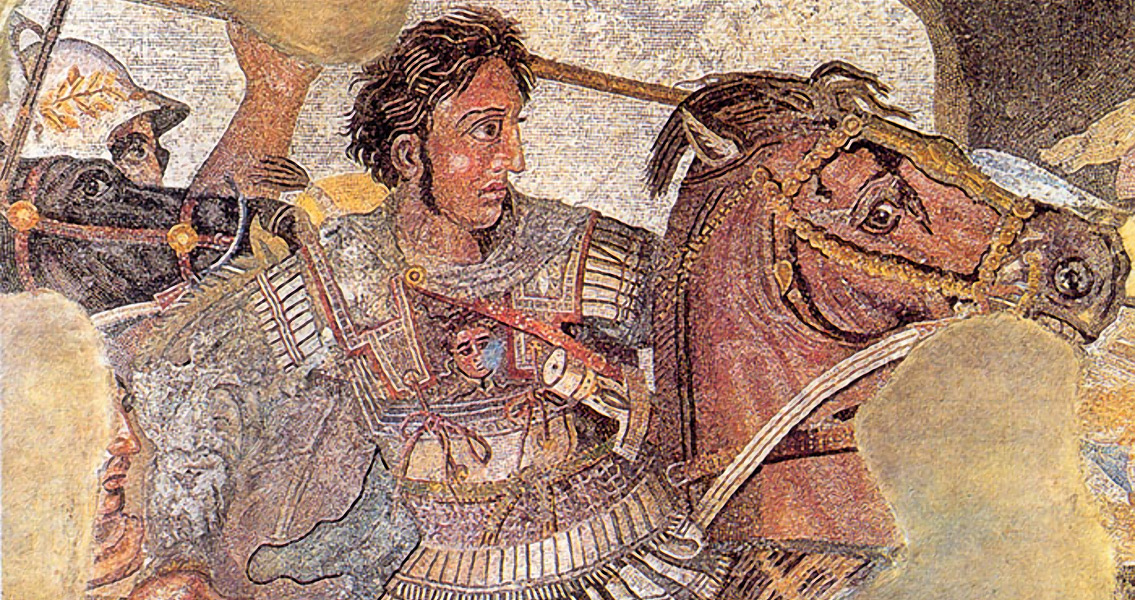
Veratrum album plant. There is evidence that some dissatisfaction had spread through Alexander’s senior officers in the last few years of his life, shown by a strike in 325 BCE when his army refused to march through India. It is possible, therefore, that Alexander was the victim of a conspiracy among his commanding officers, launched perhaps out of fear that the campaigns Alexander was planning during his stay in Babylon would be too costly. Whatever the cause, Alexander’s death over 2,000 years ago drastically altered the course of history in the Ancient World, creating a power vacuum which descended into a period of intense fighting among his former subordinates and subjects. ]]>

Categories
News

Ultimate Renaissance Man Da Vinci Passes Way

Categories
News

Anniversary of Eisenhower's Death

Categories
Editorial

Where Did the Easter Bunny Come From?

Categories
News

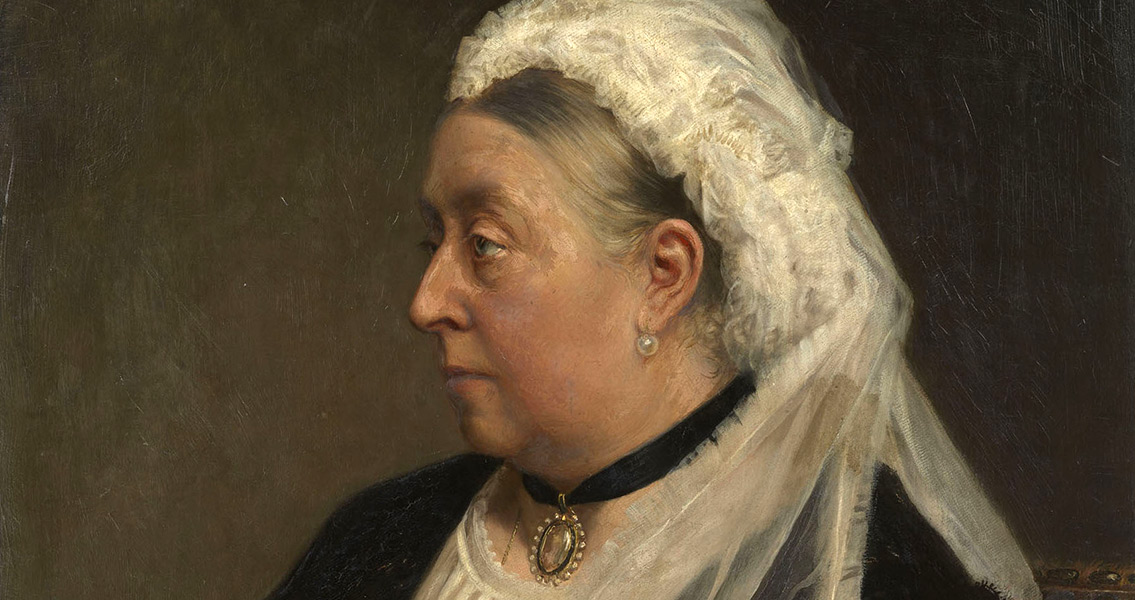
Anniversary of Queen Victoria's Death