Categories
Breaking News

Who First Domesticated Horses? The History News of the Week

Answered: Who First Domesticated Horses? A new study claims that horses were first domesticated by descendants of hunter-gatherer groups in Kazakhstan. Exactly when, where and who first domesticated horses is shrouded in mystery. A popular theory is that it was the Yamnaya culture (3300 BC–2600 BCE), yet the new research is dispelling this idea. “The successful spread of the Indo-European languages across Eurasia has puzzled researchers for a century. It was thought that speakers of this language family played a key role in the domestication of the horse, and that this, in combination with the development of wheeled vehicles, allowed them to spread across Eurasia from the Yamnaya culture,” explained Dr. Guus Kroonen, historical linguist at University of Copenhagen, in a press release. In the new study, published in the journal Science, it is shown that in fact horses were already being used by the Botai people 5,500 years ago, and much further east in Central Asia, completely independent of the Yamnaya pastoralists. An inter-disciplinary team analysed ancient and modern DNA samples from humans and compared the results – the 74 ancient whole-genome sequences studied by the group were up to 11,000 years old and were from Inner Asia and Turkey. The results found no genetic link between the Yamnaya and Botai. Intriguingly, the Botai were eventually pushed out of the central steppe region by migrations from the west. The Botai horses were also replaced, suggesting domestication of horses had already occurred elsewhere. “We now know that the people who first domesticated the horse in Central Asia were the descendants of ice age hunters, who went on to become the earliest pastoralists in the region,” stated Professor Alan Outram from the Department of Archaeology at the University of Exeter “Despite their local innovations, these peoples were overrun and replaced by European steppe pastoralists in the middle and later Bronze Age, and their horses were replaced too.” [caption id="attachment_8613" align="alignnone" width="1440"]Leprosy Skull Skeletal remains showing evidence of leprosy from the Odense St. Jørgen cemetery in Denmark, which was established in 1270 and existed until 1560.
Credit:
Dorthe Dangvard Pedersen[/caption] Did Leprosy Originate in Europe? Leprosy may have originated in Europe, innovative new research is claiming. The study by the Max Planck Institute for the Science of Human History, the University of Tübingen, EPFL Lausanne and the University of Zurich sequenced 10 new ancient genomes from the leprosy causing bacterium Mycobacterium leprae. This included the oldest leprosy genome sequenced to date, from around 400CE in the UK. The results have shown there was much more diversity in Medieval European strains of leprosy than previously thought. 90 sets of remains with skeletal deformations characteristic of leprosy from across Europe were studied, dating from 400CE to 1400CE. Previous research on the bacterium suggested that it clusters into several strains, only two of which had been present in Medieval Europe. However, the scientists found strains from Medieval Europe that are traditionally associated with locations such as Africa, Asia and the Americas. At the same time, multiple strains were also often detected in a single cemetery, giving an insight into the diversity of the disease. “We found much more genetic diversity in ancient Europe than expected,” explains Johannes Krause, senior author of the study and a director at the Max Planck Institute for the Science of Human History. “Additionally, we found that all known strains of leprosy are present in Medieval Europe, suggesting that leprosy may already have been widespread throughout Asia and Europe in antiquity or that it might have originated western Eurasia.” Interestingly, the results add growing support to the idea that the squirrel fur trade played a role in the spread of leprosy. The oldest leprosy genome sequenced in the study, from Great Chesterford, England, is the same strain found in modern day red squirrels. “The dynamics of M. leprae transmission throughout human history are not fully resolved. Characterisation and geographic association of the most ancestral strains are crucial for deciphering leprosy’s exact origin” states lead author Verena Schuenemann of the University of Zurich. “While we have some written records of leprosy cases that predate the Common Era, none of these have yet been confirmed on a molecular level.” The research has been published in the journal PLOS Pathogens. Image credit: Pottok [GFDL (http://www.gnu.org/copyleft/fdl.html) or CC-BY-SA-3.0 (http://creativecommons.org/licenses/by-sa/3.0/)], via Wikimedia Commons ]]>
Categories
Breaking News

Saladin Mystery Solved – The History News of the Week

Mystery of Saladin’s Death solved? The mystery surrounding Saladin’s death may have finally been solved. Famed for leading armies against the Crusaders, and being Sultan of an area that stretched from what is now Iraq to North Africa, Saladin died at the age of 56, some 800 years ago. There are few details about his death, other than that he became ill in 1193, and died two weeks later. Now, Stephen J. Gluckman, MD, professor of medicine at the University of Pennsylvania School of Medicine, has come up with a diagnosis. He theorises that Saladin succumbed to typhoid fever, a disease common in the region at the time. Easily cured with antibiotics nowadays, the disease would have been far more dangerous in the Middle Ages. Gluckman has based his diagnosis on what is known about Saladin’s medical history. “Practicing medicine over the centuries required a great deal of thought and imagination,” he says. “The question of what happened to Saladin is a fascinating puzzle.” Dr. Gluckman delivered his diagnosis at the 25th annual Historical Clinicopathological Conference, held May 4 at the University of Maryland School of Medicine. The conference is devoted to the diagnosis of disorders that afflicted historical figures. No Hidden Rooms in Tutankhamun’s Tomb Radar scans have provided conclusive evidence that there are no hidden rooms in Tutankhamun’s Tomb, according to Egypt’s Ministry of Antiquities. It has long been speculated that the young Pharaoh’s spectacular tomb may contain hidden chambers yet to be seen by archaeologists. However, Mostafa Waziri, Secretary General of the Supreme Council of Antiquities, announced that an Italian team has conducted extensive studies with ground-penetrating radar, showing the tomb did not contain any hidden, man-made blocking walls. The findings have been presented to an international conference in Cairo. “Our work shows in a conclusive manner that there are no hidden chambers, no corridors adjacent to Tutankhamun’s tomb,” Dr. Porcelli said, according to news.com.au. According to the ministry, the findings should bring to a close speculation over hidden rooms in the famous tomb. “…the hypothesis concerning the existence of hidden chambers or corridors adjacent to Tutankhamun’s tomb is not supported by the GPR data,” the ministry said in a statement. New Evidence for the Kingdom of David and Solomon? [caption id="attachment_8602" align="alignnone" width="400"]This is a composite aerial photograph of the four-room residency. Image credit:
Sky View and Griffin Aerial Imaging, edited by Yair Sapir[/caption] Archaeologists in Israel claim to have discovered new evidence proving the existence of the Kingdom of David and Solomon. Significantly, the new findings also give an idea of the scope of the kingdom, suggesting it extended beyond the vicinity of Jerusalem. The existence of the biblical kingdom has long been a matter of contention. Until now, little evidence of royal construction has been found in the area where the kingdom supposedly was. The Kingdom of David and Solomon supposedly reigned in the 10th century BCE. Professor Avi Faust and Dr. Yair Sapir from Bar-Ilan University have excavated a large, four room residence which was destroyed in the 8th century BCE. The large building had at least two stories, with its ground floor extending over 225 square metres. “Surprisingly, radiocarbon dates from within the floor make-up and from within a foundation deposit that was placed below the floor indicate that the building had already been erected in the 10th century BCE, between the late 11th century and the third quarter of the 10th century BCE,” said Professor Faust in a Bar-Ilan University press release. “This date is in line with other finds related to the construction, like the foundation deposit itself.” The residence is located at Tel ‘Eton in the Shephelah (20 km. southeast of the city of Qiryat Gat). According to Faust and Sapir, the building would have been constructed in a style similar to other Israelite sites, and points to a rising ‘Israelite polity’ in the region. Their excavations reveal that the site around the building would have been expanding in the 10th century. Faust and Sapir note in their research, published in the journal Radiocarbon, that any association with King David would be based on ‘circumstantial grounds’. Nevertheless, both the timing and location of the site would sync up with when David and Solomon supposedly lived. They write in their study: “…if someone thinks that there was no king by the name of David, we should find another name to call the highland king in whose time the region was incorporated into the highland kingdom”. Featured image: Saladin à Jérusalem, courtesy of Moreau.henri, via Wikimedia Commons ]]>

Categories
Breaking News

Human Stride Older than Thought – The History News of the Week

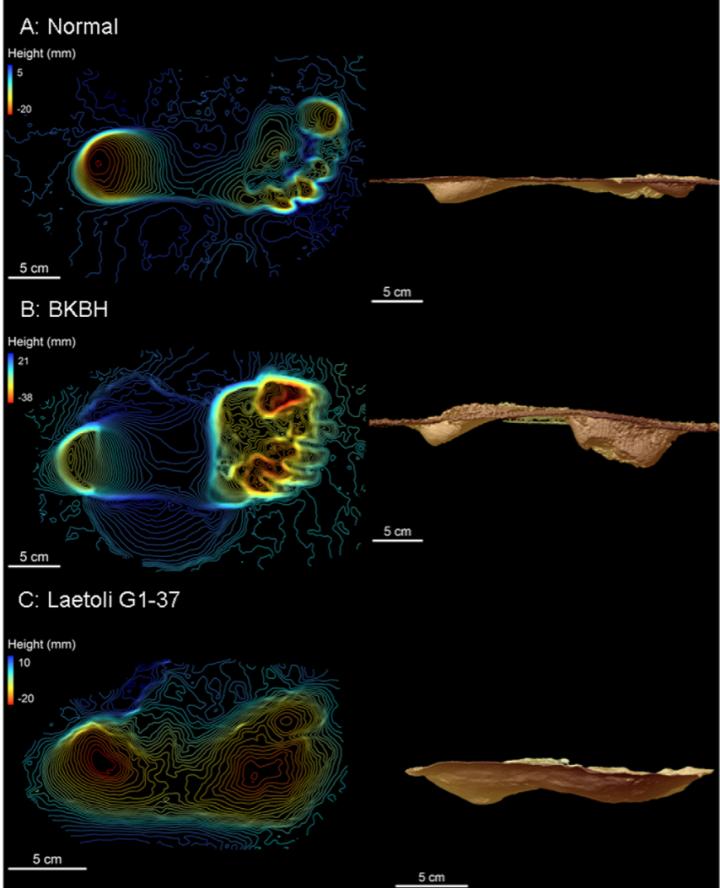
Footprints Show Human Gait Evolved Pre-Homo genus 3.6-million-year-old footprints suggest early hominins may have made the transition from ape like shuffling to upright walking much earlier than thought. “Fossil footprints are truly the only direct evidence of walking in the past,” said David Raichlen, PhD, associate professor at the University of Arizona, in a press release. Raichlen is part of a team analysing the footprints discovered in Laetoli, Tanzania. “By 3.6 million years ago, our data suggest that if you can account for differences in size, hominins were walking in a way that is very similar to living humans. While there may have been some nuanced differences, in general, these hominins probably looked like us when they walked.” It is generally considered that hominins, the name given to human ancestors prior to the homo genus, began walking on two legs around seven million years ago. However, it is also assumed that they had a crouched, bent legged posture while walking. Raichlen and colleagues used footprints and skeletons to reconstruct how these early hominins walked. These tests included comparing the Laetoli footprints with those of eight volunteers walking in an upright or ‘stooped’ (i.e. bent knees) posture. It was found that the volunteers walking upright left footprints closer to those at Laetoli. “This work suggests that, by 3.6 million years ago, climate and habitat changes likely led to the need for ancestral hominins to walk longer distances during their daily foraging bouts,” said Raichlen. “Selection may have acted at this time to improve energy economy during locomotion, generating the human-like mechanics we employ today.” Raichlen recently presented his research at the American Association of Anatomists annual meeting. Origins of the Carambolo Treasure Scientists claim to have found the source of the gold used to create the Carambolo Treasure. Currently housed in the Seville Archaeological museum, the Carambolo Treasure is a selection of gold items from 650 BCE. Discovered by chance in 1958, the Treasure comprises 16 rectangular plates, two breastpieces or pendants, a necklace and two bracelets. The items were discovered hidden inside an oval structure which also contained numerous animal bones and ceramics, leading archaeologists to conclude it was a place of ritual or worship. Ever since its discovery, archaeologists have debated the origins of the Bronze Age treasure. Now, using isotope and chemical analysis, a team of scientists from the UPV/EHU’s Geochronology and Isotopic Geochemistry Service – Ibercron, have concluded that the gold originated from a deposit 2km away from the site of the discovery, and not thousands of kilometres away has been suggested. [caption id="attachment_8598" align="alignnone" width="720"]The Carambolo Treasure Image of the Carambolo Treasure © Consejería de Cultura de la Junta de Andalucía / J. Morón[/caption] The scientists behind the study deployed an innovative method to avoid damaging the priceless artefacts. Using a form of laser ablation, they made a hole of around 0.1mm in size in the gold, in order to analyse it. This laser ablation is combined with plasma mass spectrometry, “with which we not only do isotope analyses but also elemental analyses directly on solid samples with the minimum possible impact”, according to Dr Sonia García de Madinabeitia, who worked on the study. “We base ourselves on a kind of footprint of the lead,” explained the researcher. “The isotope ratios of lead vary in terms of the function of the materials used and the age of the materials, and we determine the isotope ratio that the lead has. The fact is that there are considerable differences between some mineral deposits and others.” In addition, the scientists also carried out ‘trace and ultratrace’ analyses on the Carambolo Treasure, “because we know that mines, however much they may be gold or silver mines, never consist of pure materials, but have a series of trace and ultratrace elements that subsequently allow links between the archaeological materials and the geological materials to be established,” added García de Madinabeitia. Lessons From the World’s Oldest Peace Treaty ‘The world’s oldest peace treaty’ is challenging our image of antiquity and shedding new light on ancient conflicts. In preparation for a new exhibition at the Berlin Pergamon Museum, archaeologists have been analysing a 3,200-year-old peace treaty between Ramesses II and Ḫattušili III. They claim that contrary to the popular idea that ancient conflicts were settled through the total humiliation of the loser, complex negotiations were in fact at play. “More than 3,200 years ago, Egyptians and Hittites ensured each other mutual support in the treaty; neither of them triumphed. This must have been preceded by much negotiating, as is evidenced by extensive correspondence between the rulers”, write Director Prof. Dr Achim Lichtenberger and Curator Dr Helge Nieswandt of the University of Münster’s Archaeological Museum, in a press release. “Although the ‘victorious peace’ dominates over the ‘peace of reconciliation’ in peace images of antiquity, our research shows that the latter also existed.” In addition, the researchers claim that many ancient peace images were actually created in times of conflict. They cite the example of the Roman goddess of peace, Pax, who was present on Roman coins even at times of war. “Despite the glorification of war in antiquity, which undoubtedly existed and alienates us: images of the ideal of peace were particularly widespread during wars,” says Nieswandt. “When the order of the Roman Empire fell apart in the 3rd century AD, and when mostly short-lived soldier emperors took turns, there was an ‘inflation of peace’ on coins.” The exhibition, entitled Frieden. Von der Antike bis heute (Peace: From Antiquity to the Present Day), opened on 28th April at the Berlin Pergamon Museum. Featured Image: Footprints from (A) a modern human walking normally, (B) a modern human walking with a stooped posture known as the “bent knees, bent hip,” or BKBH, posture, and (C) 3.6 million-year-old hominin footprints found in Laetoli, Tanzania. The team’s analysis suggests ancient hominins probably walked in a way that is very similar to modern humans. Credit: David Raichlen, University of Arizona. ]]>

Categories
Breaking News

Ancient Humans Pushed Large Mammals to Extinction – The History News of the Week

Science, the authors claim that the ‘magnitude and scale’ of the size-based extinction surpassed any other in the last 66 million years. Importantly, they claim that their research also found little evidence that climate change could have been responsible for these extinctions. “If climate were causing this, we would expect to see these extinction events either sometimes (diverging from) human migration across the globe or always lining up with clear climate events in the record,” said Lyons. “And they don’t do either of those things.” [caption id="attachment_8594" align="alignnone" width="800"]Zygomaturus_BW Zygomaturus trilobus, a diprotodontid marsupial from the Pleistocene of Australia, digital. Credit: Nobu Tamura (http://spinops.blogspot.com) via Wikimedia Commons[/caption] Conflicting Evidence Multiple studies in recent years have attempted to come up with an answer as to what drove the mass extinction of the world’s megafauna. Indeed, within days of each other last January two separate studies focusing on Australia came to significantly different conclusions. An article recently published in the journal Nature Communications claimed to have evidence pointing to 85% of megafauna weighing over 100 pounds in south-west Australia going extinct within a few thousand years of humans arriving in the region. A study in Quarternary Science Journal meanwhile, claimed that humans and the large marsupial Zygomaturus trilobus coexisted with each other in Australia for at least 17,000 years. That research claims that the spectacular creatures, roughly the size of a bull, lived until the beginnings of the Last Glacial Maximum. Intriguingly, the latter study argues that the dramatic climate change caused the region’s plains to dry up, forcing the animals into closer contact with humans. This could have meant the creatures started to be hunted, a theory that links human activity and climate change in the destruction of a megafauna species. Featured image is a statue of the Columbian mammoth housed at the University of Nebraska-Lincoln. Image credit: Craig Chandler, University of Nebraska-Lincoln]]>

Categories
Breaking News

Volcanoes Linked to Roman Plague – The History News of the Week

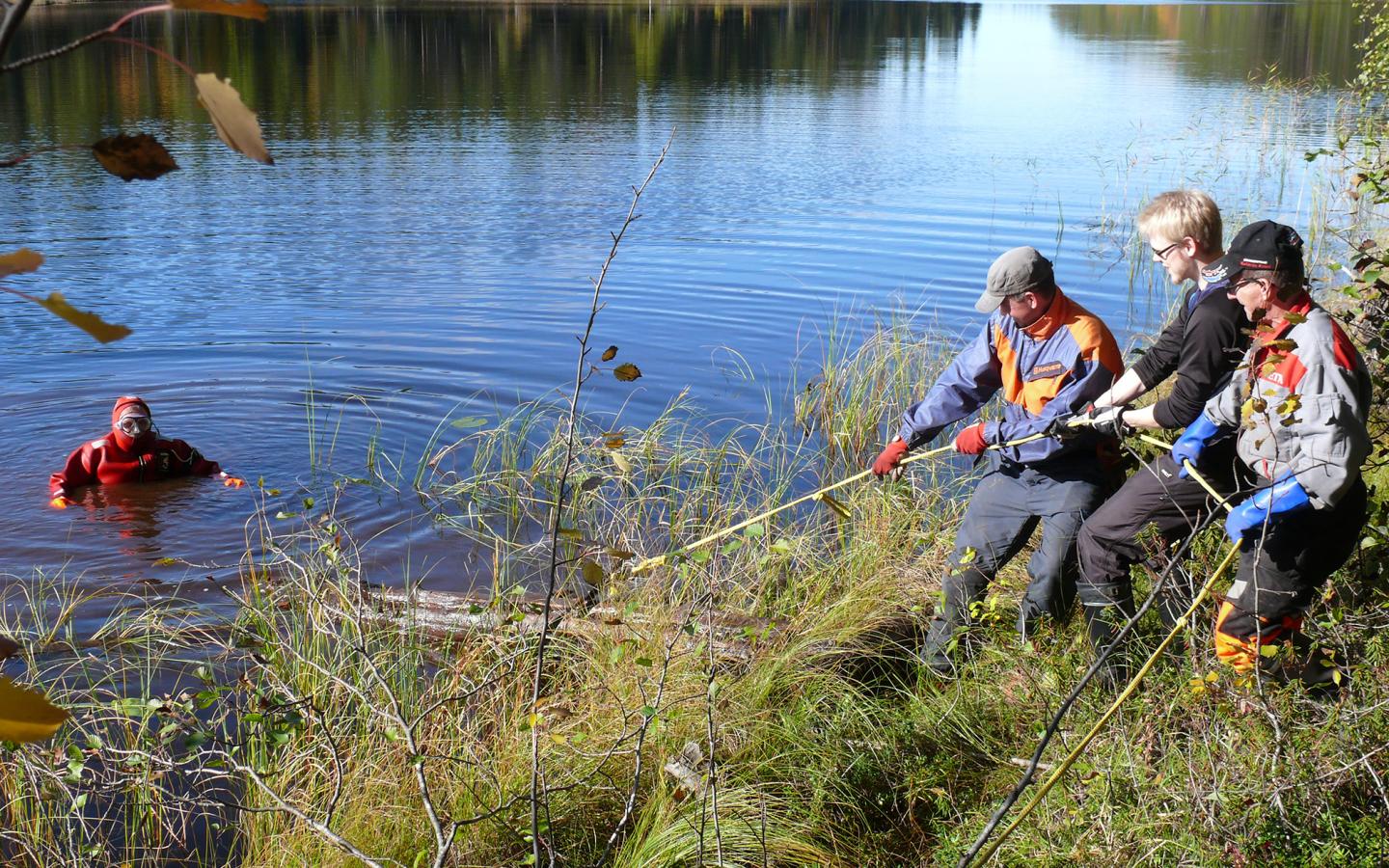
Volcanoes and a Roman Climate Crisis Volcanic eruptions in the Roman period led to climate anomalies affecting the whole northern hemisphere, according to new research. The years 536 CE and 541 – 544 CE experienced a reduction in natural light which would have made human survival much more difficult, the researchers from the Chronology Laboratory of the Finnish Museum of Natural History and Natural Resources Institute Finland (Luke) claim. Farming and animal husbandry would have been adversely affected by the reduction in sunlight, while humans would have been more prone to disease due to a lack of vitamin D. “Our research shows that the climate anomaly, which covered all of the northern hemisphere, was the compound result of several volcanic eruptions,” says Markku Oinonen, director of the Chronology Laboratory. Published in the Journal Scientific Reports, the new research is based on dendrochronology, also known as tree ring dating. The researchers analysed the variation in carbon isotopes in the annual growth rings of trees. The isotopes reflect the photosynthesis of the trees, which is largely dependent on the amount of solar radiation available in summer. “Researchers have put together an annual growth ring calendar of treeline pine spanning more than 7,600 years. Various historical events can be contrasted with the calendar. The growth ring calendar is an important indicator of global climate change,” says researcher Samuli Helama from Luke. Significantly, the years of unusually poor sunlight coincided with bubonic plague epidemic that ravished the Roman Empire. Starting in 542CE, the plague is believed to have killed around 50% of the inhabitants of the Eastern Roman Empire. From its beginnings, the devastating plague spread in western Europe and as far north as Finland, killing millions. Sulawesi Younger than Thought The unique island of Sulawesi is not as old as typically thought, new research is claiming. Located in the interface between Eurasia and Australasia, Sulawesi is home to myriad unique flora and fauna, such as the ‘deer-pig’ (Sulawesi Babirusa), ‘warty pig’ and the ‘miniature buffalo.’ Researchers from Oxford University’s Department of Archaeology and Queen Mary University of London used a combination of morphological and genetic data, alongside geological reconstructions of the island to gain a better understanding of the origins of the island’s fauna. Based on over a thousand samples, the scientists claim it is the largest ever genetic study of the island’s species. It was found that each species most likely arrived on what is now Sulawesi at different times over the past 13 million years, but all of them began to spread across the island simultaneously about 1-2 million years ago. According to the study, this coincides with geological evidence for the emergence of the arms of the island from the ocean. [caption id="attachment_8588" align="alignnone" width="512"]Location of Sulawesi Location of Sulawesi (Celebes), Indonesia, Public Domain[/caption] “Sulawesi is an amazing island, unlike any other on Earth. The key link between the three large mammals in this study is that none of them fly. Sulawesi has been an island for a long time so however they arrived, they have been evolving in isolation,” Professor Greger Larson, Director of Palaeogenomics & Bio-Archaeology Research Network at Oxford and senior author of the study. “Understanding their evolutionary history was only possible by looking not only at their genetic signatures but also the geologic history of the island. The whole region is highly tectonic and we were able to reconstruct how much of the island was under water and when. “Using a molecular clock we were then able to date the time of the expansion of all three species and by correlating those dates with the appearance of the different land masses that make up Sulawesi, we found a perfect temporal match.” Laurent Frantz, Lecturer in Molecular Genetics and Informatics at the Queen Mary University of London, said: ‘Following his famous explorations, Alfred Wallace described Sulawesi as anomalous, first noting the merging of two immensely different worlds on this island. For a long time, we thought these anomalous ecosystems slowly assembled over tens of millions of years, as continents drifted. Yet, we now know that very recent geological processes, over only the last few million years, dramatically shaped this singular tropical paradise.” Ancient Egyptian Papyrus Reveals Sexual Assault A 3,000-year-old Ancient Egyptian papyrus contains some of the oldest evidence of a man being accused of sexual assault, The Independent reports. Dubbed Papyrus Salt 124, the text lists alleged indiscretions by an artisan called Paneb, who lived in Thebes around 1200BCE. Paneb was the chief foreman of a community of artisans who built royal tombs in the ancient city, according to The Independent. The papyrus is authored by someone called Amennakht. It was sent to an official of the Pharaoh, and lists a series of complaints against Paneb. Although ambiguities in the text make some of the charges unclear, among the accusations are one of rape. Paneb is described as having taken the clothes of a woman called Yemenwaw before “he threw her on top of a wall and violated her.” The papyrus was originally translated into English in 1929, by Jaroslav Cerny. The main accusation in the text is that Paneb bribed his way to the chief foreman job, a position Amennakht was due to inherit. Light was first shed on the remarkable text by Narratively. Featured image: A subfossil tree trunk being lifted out of a lake. Image credit: Samuli Helama / Natural Resources Institute Finland ]]>

Categories
Breaking News

Furrowed brows Key to Evolution? – The History News of the Week

Modern Human Skull Alongside Kabwe1 Eyebrows on fleek: Model of a modern human skull next to Kabwe 1.
Credit: Paul O’Higgins, University of York[/caption] “Since the shape of the brow ridge is not driven by spatial and mechanical requirements alone, and other explanations for brow ridges such as keeping sweat or hair out of eyes have already been discounted, we suggest a plausible contributing explanation can be found in social communication.” Co-author of the paper, Dr Penny Spikins from the Department of Archaeology at the University of York, said: “Modern humans are the last surviving hominin. While our sister species the Neanderthals were dying out, we were rapidly colonising the globe and surviving in extreme environments. This had a lot to do with our ability to create large social networks – we know, for example, that prehistoric modern humans avoided inbreeding and went to stay with friends in distant locations during hard times. “Eyebrow movements allow us to express complex emotions as well as perceive the emotions of others. A rapid “eyebrow flash” is a cross-cultural sign of recognition and openness to social interaction and pulling our eyebrows up at the middle is an expression of sympathy. Tiny movements of the eyebrows are also a key component to identifying trustworthiness and deception. On the flip side it has been shown that people who have had botox which limits eyebrow movement are less able to empathise and identify with the emotions of others. “Eyebrows are the missing part of the puzzle of how modern humans managed to get on so much better with each other than other now-extinct hominins.” The article describing the research has been published in the journal Nature, Ecology and Evolution Featured image: Portrait of a Man with Raised Eyebrows, by Giovanni Battista Moroni ]]>

Categories
Breaking News

Secret Ancient Amazon Population Revealed – The History News of the Week

New Amazon Population Revealed Archaeologists have discovered remarkable new evidence that parts of the Amazon long thought uninhabited were in fact home to thriving, diverse populations of up to a million people. The researchers from the University of Exeter have unearthed remains revealing that a 1,800 km stretch of Southern Amazonia was continuously occupied from 1250 until 1600 by people living in fortified villages. Key to the research was the analysis of mysterious earthworks called geoglyphs – man made ditches with strange square, circular or hexagonal shapes. The new study, published in the journal Nature Communications, shows there are an estimated 1,300 geoglyphs across 400,000 square km of Southern Amazonia, with 81 in the area focused on in the latest research. The archaeologists estimate there would have been between 1,000 and 1,500 enclosed villages, with two-thirds of the sites yet to be found. “There is a common misconception that the Amazon is an untouched landscape, home to scattered, nomadic communities,” said Dr Jonas Gregorio de Souza from the University of Exeter’s Department of Archaeology. “This is not the case. We have found that some populations away from the major rivers are much larger than previously thought, and these people had an impact on the environment which we can still find today.” Dr de Souza continued: “The Amazon is crucial to regulating the Earth’s climate, and knowing more about its history will help everyone make informed decision about how it should be cared for in the future.” With large swathes of the Amazon rainforest still unexplored by archaeologists, especially in the areas away from major rivers, the latest discovery is helping fill in gaps in the history of the Amazon. Professor José Iriarte, from the University of Exeter, another member of the research team, said: “We are so excited to have found such a wealth of evidence. Most of the Amazon hasn’t been excavated yet, but studies such as ours mean we are gradually piecing together more and more information about the history of the largest rainforest on the planet “Our research shows we need to re-evaluate the history of the Amazon. It certainly wasn’t an area populated only near the banks of large rivers, and the people who lived there did change the landscape. The area we surveyed had a population of at least tens of thousands.” North America’s Oldest Footprints Discovered 13,000-year-old human footprints have been discovered on Canada’s Pacific coast, the oldest ever found in North America. The finding could have significant repercussions for the history of how North America was populated. It is widely believed that humans migrated to the continent from Eurasia during the last ice age, which ended 11,700 years ago. It is thought they entered on what is now the west coast of British Columbia, however, the search for archaeological evidence has been hindered by the densely forested and difficult to access landscape. Archaeologist Duncan McLaren and colleagues from the University of Victoria, Canada, have spent several years excavating tidal sediments on the shoreline of Calvert Island, British Columbia, searching for traces of human activity. Their findings have now been published in the online open access journal PLOS ONE. They reveal that 29 footprints have been uncovered of at least three different sizes. This suggests that they likely belonged to two adults and a child who were all walking barefoot. Radiocarbon dating has estimated the footprints to be around 13,000 years old. This suggests humans were present on the west coast of British Columbia as it emerged from the last ice age. “The results presented here add to the growing body of information pertaining to the early deglaciation and associated human presence on the west coast of Canada at the end of the Last Glacial Maximum,” the authors write in the introduction to their recently published study. 13,000 years ago, the sea level on the shores of Calvert Island was up to ten feet lower than it is today. Even so, it still would have only been accessible by boat. “[This] implies that the people who left the footprints were seafarers who used boats to get around, gather and hunt for food and live and explore the islands,” Duncan Mclaren, lead study author and anthropologist at the Hakai Institute and the University of Victoria in British Columbia, told the New York Times. Pre-historic Russia-Canada Connection Illuminated With Insect Fossils [caption id="attachment_8580" align="alignnone" width="1440"]A New Species of Scorpionfly Fossil From 53 Million Years Ago at Mcabee, British Columbia A new species of scorpionfly fossil from 53 million years ago at McAbee, British Columbia named Eomerope eonearctica. This insect is very similar to a fossil species that lived at the same time north of Vladivostok on the Asian Pacific coast, highlighting connections between Canada and Russia in ancient times. Credit: SFU[/caption] A newly discovered, 53 million-year old insect fossil is shining new light on the ancient Canada-Russia connection. Known as a scorpionfly, the insect discovered at the McAbee fossil bed site in British Columbia bears a ‘striking resemblance’ to fossils of the same period from Pacific coastal Russia. “We’ve seen this connection before through fossil plants and animals, but these insects show this in a beautiful way,” said Bruce Archibald, a research associate at Simon Fraser University’s Department of Biological Sciences. “They are so much alike that only the wing colour of the new McAbee species tells them apart.” The new Canadian species has been named Eomerope eonearctica, while its Russian counterpart is Eomerope asiatica, which was first described in 1974. “I’m not aware of any case where two such species so much alike and so close in age have been found in both Pacific Russia and Pacific Canada, and that’s pretty great,” said Archibald. According to Archibald, the insect’s only living relative is found in the temperate forest of central Chile, which has a climate similar to British Columbia’s 53 million years ago. Archibald worked with Alexandr Rasnitsyn, of Moscow’s Russian Academy of Sciences to describe the scorpionfly find. Their research has been published in The Canadian Entomologist. Featured Image: Compound structure with a small enclosure in the interior of a larger one. Credit: University of Exeter ]]>

Categories
Breaking News

A St. Patrick's Day Shock – The History News of the Week

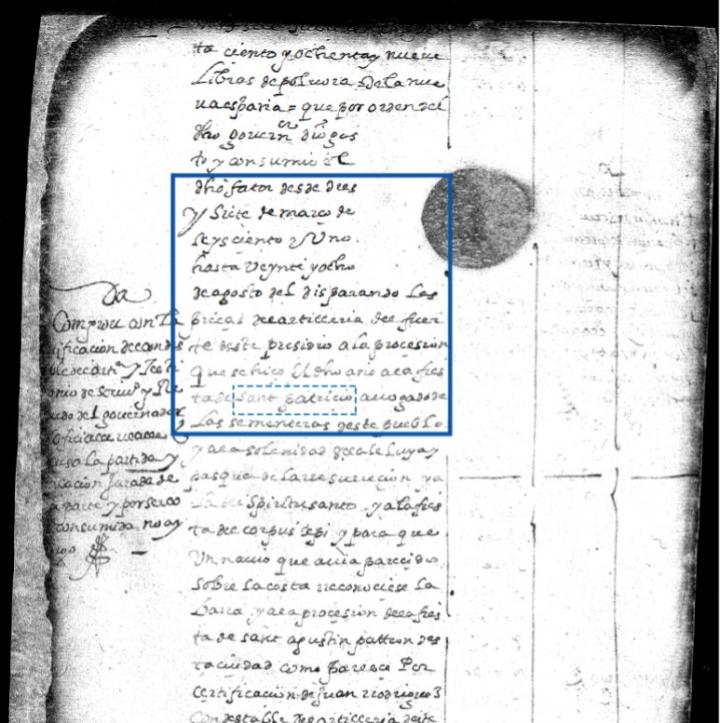
St. Patrick’s Day Celebrations had an Unlikely Origin Every 17th March cities around the globe are draped in green to celebrate St. Patrick’s Day. New research is claiming that some of the most recognisable parts of the festivities might have originated in an unexpected place. The feast of St. Patrick has been celebrated in Ireland since the ninth century. However, many of the traditions now associated with the celebration are thought to have had their beginnings with Irish immigrants to the US in the eighteenth century. Traditionally, it is thought that St. Patrick’s Day festivities such as parades and fireworks originated in north eastern US cities such as Boston and New York. However, the recently discovered evidence suggests that many of these celebrations were taking place a century before, in Florida. The basis of the new claim is gunpowder expenditures lists from St. Augustine, Florida, dated to 1600-1601. According to historians from the University of South Florida, one such list has an entry stating that in March 1600, St. Augustine’s residents gathered and processed through the streets in honour of St. Patrick, with cannon firing from a nearby wooden fort in tribute of the saint. “It was certainly a surprise,” said historian J. Michael Francis, PhD, University of South Florida-St. Petersburg, who uncovered the document. “It did not register the first time I saw the name “San Patricio,” the Spanish name for St. Patrick. After a few seconds it actually hit me that there was a St. Patrick’s Day parade/procession in St. Augustine in 1601.” The shocks didn’t end with the revelation that the residents of St. Augustine were celebrating St. Patrick’s Day with cannon and processions as early as 1600. “Even more surprising was that the document identified St. Patrick as the patron saint of the city’s maize fields,” Dr. Francis continued, in a statement from the University of South Florida. The surprising discovery was made while Dr. Francis was studying documents connected to St. Augustine’s imperial Spanish history. Neanderthals Were Compassionate Neanderthals were capable of ‘compassionate and knowledgeable health care’, according to new research from the University of York. The findings form part of a growing challenge to the image of Neanderthals as nasty, brutish and uncaring. The authors of the new study claim that in fact Neanderthals were able to deliver highly effective responses to injury and illness. [caption id="attachment_8563" align="alignnone" width="1024"]1024px-Gibraltar_Skull_(1)a Gibraltar 1 Neanderthal skull[/caption] Image credit: Jononmac46 (File:Gibraltar_Skull_(1).JPG) [CC BY-SA 3.0 (https://creativecommons.org/licenses/by-sa/3.0)], via Wikimedia Commons It has been shown before that Neanderthals provided care for their injured, but it was assumed that this was largely done out of self-interest. “Our findings suggest Neanderthals didn’t think in terms of whether others might repay their efforts, they just responded to their feelings about seeing their loved ones suffering,” said study lead author Dr. Penny Spikins, a senior lecturer from the University of York. Archaeologists have previously discovered remains of Neanderthals who’d clearly suffered serious injuries long before their deaths. The study claims that these injuries would have required monitoring, massage, fever management and hygiene care. The remains of one male Neanderthal analysed in the study had a catalogue of poor health, including a degenerative disease of the spine and shoulders. This disease would have left him weak and vulnerable in the final year of his life, the authors state. Nevertheless, his articulated remains were carefully buried, suggesting he’d remained part of the group despite being a potential burden, right up until his death. “We argue that the social significance of the broader pattern of healthcare has been overlooked and interpretations of a limited or calculated response to healthcare have been influenced by preconceptions of Neanderthals as being ‘different’ and even brutish,” Dr. Spikins explained. “However, a detailed consideration of the evidence in its social and cultural context reveals a different picture. The very similarity of Neanderthal healthcare to that of later periods has important implications. We argue that organised, knowledgeable and caring healthcare is not unique to our species but rather has a long evolutionary history.” The study has been published in the journal World Archaeology. Remains of Iron Age Feast Discovered Evidence of a huge Iron Age feast have been discovered on the Orkney Islands, off the coast of Scotland, according to The Scotsman. Archaeologists from the University of the Highlands and Islands (UHI) believe more than 10,000 animals were cooked and eaten in a massive cliff top gathering above Windwick Bay, South Ronaldsay, around 1,700 years ago. The Scotsman reports that a range of jewellery fragments and tools have been found at the site, which has been dated by radiocarbon tests on a nearby midden. “These numbers tell you about the scale of the feast and the largesse of being able to have that amount of food in circulation for what appears to be a short-lived event,” Martin Carruthers, an Iron Age expert from UHI told The Scotsman. “The feast is doing two things. It’s probably celebrating the successful conclusion of the making of a big batch of jewellery.” “The second point is the feast is pretty enormous and it is it probably the arena where pins and brooches are being handed out to individuals within the community.” Feature image: Gun expenditures log explains the procession through the streets of St. Augustine, Florida and St. Patrick as the ‘protector of the fields.’ Credit: AGI Contaduria 950 ]]>

Categories
Breaking News

Amelia Earhart’s Bones Verified – The History News of the Week

Research Confirms Remains are Amelia Earhart’s Forensic research has confirmed that bones found on a South Pacific Island are likely those of Amelia Earhart. In the 1940s, physician D.W. Hoodless performed bone measurements on the remains found on the island, and concluded they belonged to a man. Now, professor Richard Jantz from University of Tennessee has re-examined seven of the bone measurements performed by Hoodless. Using modern quantitative techniques, he concludes that Hoodless was incorrect in determining the remains to be a man’s. Significantly, Jantz’s results show that the remains are more similar to Earhart’s than to 99% of individuals in a large reference sample. The bones were also compared to the bone lengths of Earhart’s. To achieve this, her humerus and radius lengths were determined through studying a photo that included a scalable object. “Until definitive evidence is presented that the remains are not those of Amelia Earhart, the most convincing argument is that they are hers,” Jantz writes in a study, published in the journal Forensic Anthropology. Famous for being the first female aviator to fly solo across the Atlantic, Earhart and her navigator Fred Noonan mysteriously disappeared in 1937 while flying across the Pacific. Many assume her aircraft crashed into the ocean, yet some experts, such as Jantz, argue she died as a castaway on the island of Nikumaroro. Nicotine Extracted From Ancient Teeth Researchers have shown for the first time that nicotine residue can be extracted from the plaque of ancient tobacco users. The pioneering research could allow archaeologists to trace the history of tobacco consumption far back into prehistory. “The ability to identify nicotine and other plant-based drugs in ancient dental plaque could help us answer longstanding questions about the consumption of intoxicants by ancient humans,” said Shannon Tushingham, a WSU assistant professor of anthropology and co-author of the new study. “For example, it could help us determine whether all members of society used tobacco, or only adults, or only males or females.” Until now, the history of tobacco use in the Americas has been traced through the presence of pipes, charred tobacco seeds and the analysis of hair and fecal matter. However, these items are sparse in the archaeological record and can’t be tied to specific individuals. These problems don’t exist with dental matter, which preserves a wide range of substances and can be easily connected to an individual. Tushingham, along with colleagues from WSU and the University of California Davis, collaborated with members of the Ohlone tribe in the San Francisco Bay to extract plaque from the teeth of eight individuals buried between 6,000 and 300 years ago. After the plaque had been extracted with regular, everyday dental picks, it was sent to WSU labs. There, it was analysed using liquid chromatography-mass spectrometry to test for samples of nicotine and other plant-based drugs such as caffeine. Two of the samples tested positive for nicotine, showing for the first time that the drug can survive in detectable amounts in ancient plaque. One of the most interesting findings was the presence of nicotine in the plaque of an older woman. “While we can’t make any broad conclusions with this single case, her age, sex, and use of tobacco is intriguing,” Jelmer Eerkens, an anthropologist from UC Davis who worked on the study, said. “She was probably past child-bearing age, and likely a grandmother. This supports recent research suggesting that younger adult women in traditional societies avoid plant toxins like nicotine to protect infants from harmful biochemicals, but that older women can consume these intoxicants as needed or desired.” The study has been published in the Journal of Archaeological Science: Reports. Yokuts Woman Smoking Pipe Caption: This is a 1945 picture of a Yokuts Native American woman smoking a pipe. Credit: Clifford Relander New Insights into Early Pacific Settlers Researchers from the Australian National University claim to have produced ‘the most comprehensive study ever’ into the origins of people on the Pacific island of Vanuatu. Vanuatu is considered crucial to the history of migration and population of the Pacific, acting as a gateway from Asia to the ocean’s remotest islands. The results, published across two papers, confirm that the first people on Vanuatu were of the Lapita culture and arrived 3,000 years ago from South East Asia. This was followed by Papuan arrivals from the island of New Britain, part of what is now Papua New Guinea. Archaeological evidence was combined with analysis of ancient and modern DNA to make the conclusions. Dr Stuart Bedford, of the ANU School of Culture History and Language, highlighted the unique insights the study has made. “We’ve been able to track a complete genetic timeline at regular intervals starting with the first inhabitants right through to modern times,” Dr Bedford said. “The very first generation of people into Vanuatu are primarily Asian, then very quickly you see a series of migrations of Papuan people from the Bismarck Archipelago who had been living in the region for around 50,000 years. “That trend continues over the next 3,000 years right up until today as the genetic ancestry was mostly replaced by that of Papuan migrants. The people of Vanuatu today, like many peoples of the Pacific, can claim a dual heritage.” According to Professor Matthew Spriggs, a co-researcher on the study, the findings show where the Papuan migration came from. “They came from New Britain, a Papuan island just east of New Guinea,” Professor Spriggs said. “This makes sense. New Britain has some of the earliest known Lapita sites. “So what we think happened is that Lapita people after arriving in New Britain moved fairly directly on to Vanuatu and encouraged some of the local populations already in place on New Britain to move there as well.” The influence of the Lapita culture can still be felt in the languages of the region. “The Lapita people who originally came to Vanuatu from South East Asia spoke a form of Austronesian,” Dr Bedford said. “That language persisted and over 120 descendant languages continue to be spoken today, making Vanuatu the most linguistically diverse place on Earth per capita. “This is a unique case, where a population’s genetic ancestry was replaced but its languages continued.” ]]>

Categories
Breaking News

Neanderthals Made Cave Paintings – The History News of the Week

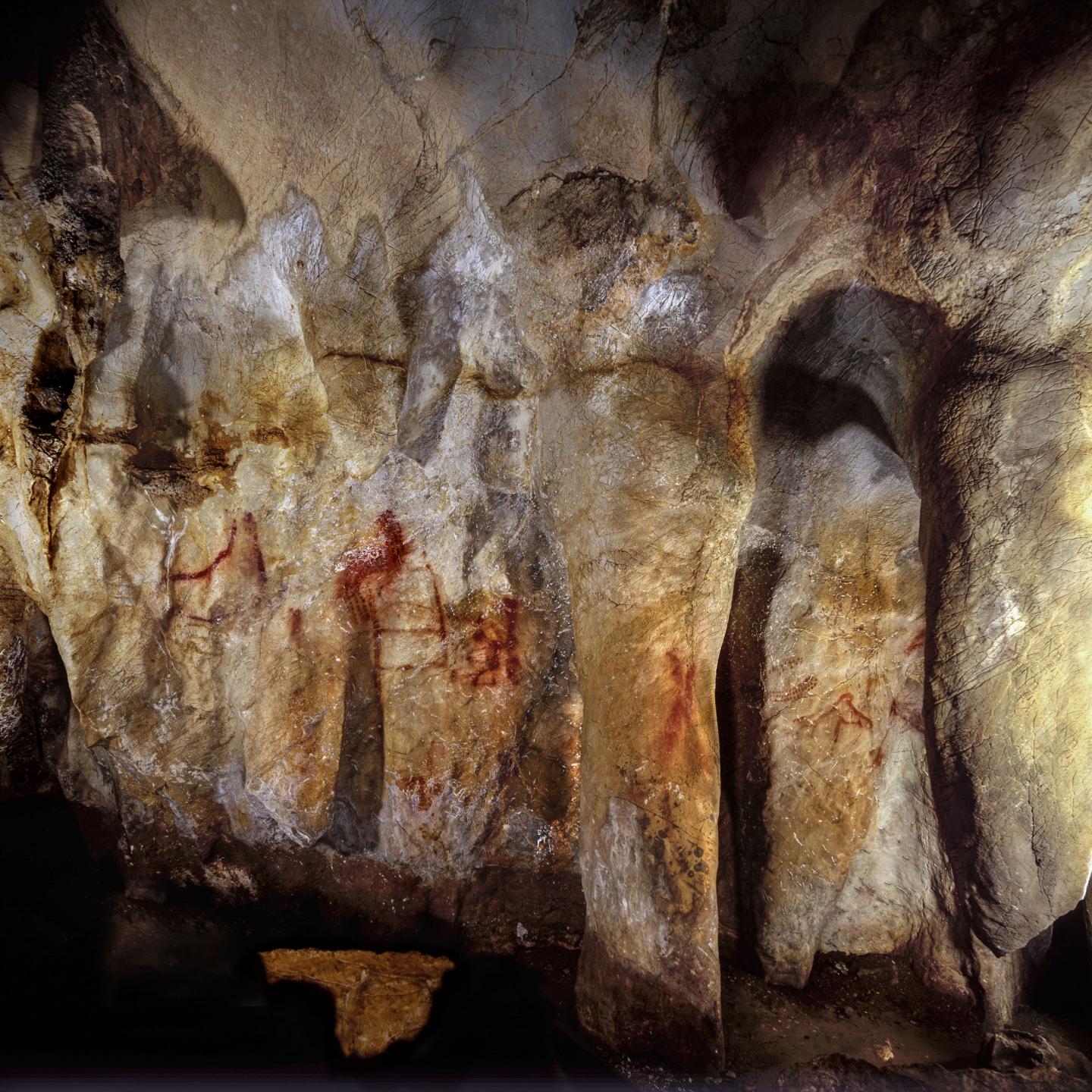
Neanderthals Created 64,000 Year-Old Cave Paintings Neanderthals, and not humans, created the world’s oldest cave paintings, new research claims. The findings add to growing evidence that our closest extinct evolutionary cousins were far from their barbaric, unsophisticated representation in popular culture. Scientists from the Max Planck Institute for Evolutionary Anthropology and University of Southampton show that paintings in three Spanish caves are over 64,000 years old. That’s 20,000 years before the first humans arrived in Europe. The research has been published in the journal Science. It suggests that Neanderthals thought symbolically, an attribute usually only attributed to modern humans. “Artefacts whose functional value lies not so much in their practical but rather in their symbolic use are proxies for fundamental aspects of human cognition as we know it,” said Dirk Hoffmann, from the Max Planck Institute, in a press release. Cave painting has, until now, been entirely attributed to modern humans, largely due to difficulties in dating it precisely. The international team behind the new study used the uranium-thorium method to date tiny carbonate deposits that have built up on top of the cave paintings. Traces of uranium and thorium indicate when the deposits formed. This allows a minimum age for the paintings underneath to be determined. Joint lead author Dr Chris Standish, an archaeologist at the University of Southampton, said: “This is an incredibly exciting discovery which suggests Neanderthals were much more sophisticated than is popularly believed. “Our results show that the paintings we dated are, by far, the oldest known cave art in the world, and were created at least 20,000 years before modern humans arrived in Europe from Africa – therefore they must have been painted by Neanderthals.” Infant Cranial Modification Linked to Identity in Ancient Andes A new study claims that the binding and reshaping of infants’ skulls in the Andes between 1100 and 1450 was linked to identity and inequality. Prior to the expansion of the Inca Empire into the region that is now Peru, cranial modification of infants was hugely popular. Assistant professor of anthropology at Cornell University Matthew Velasco argues that these head-shaping practices were connected to political solidarity and social inequality. The anthropologist analysed hundreds of skeletal remains from multiple tombs in the Colca Valley of highland Peru. One key finding was that modification grew in popularity over the period of investigation. Prior to 1300, cranial modification was rare, while by the end of the period it had risen to 73.7% of the population. “The increased homogeny of head shapes suggests that modification practices contributed to the creation of a new collective identity and may have exacerbated emerging social differences,” Velasco said. “Head shape would be an obvious signifier of affiliation and could have encouraged unity among elites and increased cooperation in politics.” Velasco found that women with modified heads had better access to varied food options and were less likely to encounter violence in their lives. This, he suggests, points to a connection between cranial modification and inequality. A sixteenth century Spanish colonial document Velasco examined described groups moulding skulls into the shapes of volcanoes from their origin myth. “If this is true, then cranial modification reflects a deeply religious worldview and was fundamental to a person’s being and existence, and not simply a fashion statement,” Velasco said. Velasco’s findings have been published in the journal Current Anthropology. Ninth Century Rock Art Destroyed Unique paintings on a ninth century temple in Hyderabad have been whitewashed by villagers, according to the Times of India . The cave temples, located on a hillock, are one of the oldest structures in the region. However, their artworks were not on any protected lists for archaeological sites. “They were initially Jain caves that were later converted into a Lord Shiva temple after installation of shivalingam. During the recent Shivaratri celebrations, the villagers whitewashed the paintings on the pillars and cave walls,” Aravind Arya Pakide, an archaeology expert, told the Times of India. “It is complicated to restore these paintings. In the name of beautification, they are using acrylic paints and damaging the archaeologically-significant structures.” Ceiling paintings on an ornate gateway have been particularly badly affected, with only traces of the figures depicted remaining, the Times of India article reports. Featured image: La Pasiega, Section C, Cave Wall With Paintings. The ladder shape composed of red horizontal and vertical lines (centre left) dates to older than 64,000 years and was made by Neanderthals. Image credit: © P. Saura ]]>