PLOS ONE, is available here Image courtesy of Delagnes et al (2016)]]>
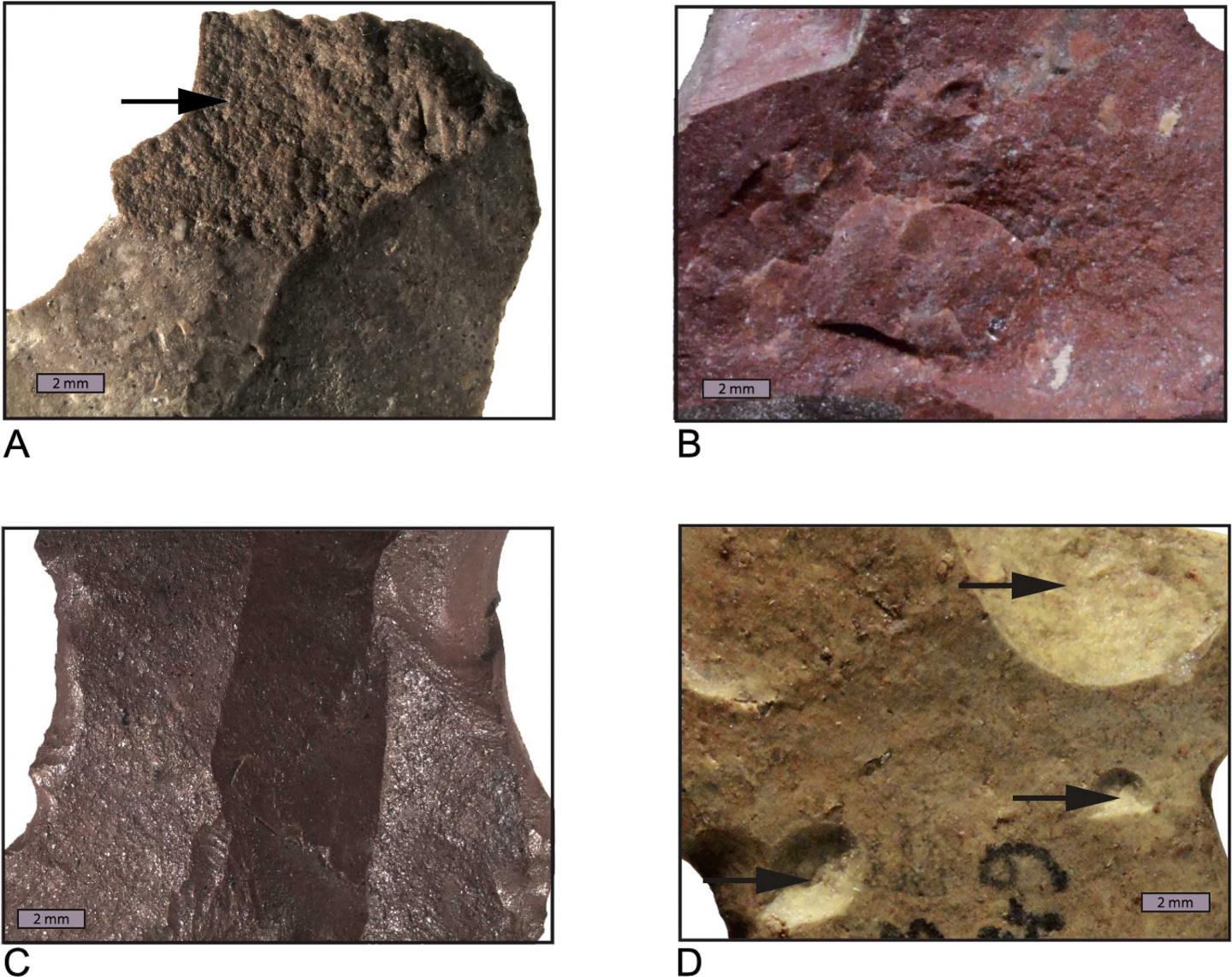
PLOS ONE, is available here Image courtesy of Delagnes et al (2016)]]>

PLOS ONE. Two major, seemingly contradictory hypotheses exist for the ways climate and environment could have influenced the wave of human progress that included the development of axes and other tools with handles, and the formation of sophisticated hunting techniques. One school of thought suggests that the technological advances were spurred on in response to climate instability. The other school advocates a more indirect approach, suggesting that environmental stability in fact provided a secure setting to foster the innovations. Until now, a disconnect between paleaoenvironmental records and archaeological sites has made it difficult to test these explanations; to determine whether climatic and environmental changes were in phase with waves of early human innovation. Patrick Roberts, the lead author of the study, along with his colleagues, acquired data concerning paleaoenvironmental conditions in the Middle Stone Age by carrying out analysis of animal remains, shellfish taxa and the stable carbon and oxygen isotope measurements in ostrich eggshell. The objects were taken from two archaeological sites, Blombos Cave and Klipdrift Shelter, spanning 98,000 to 73,000 years ago and 72,000 to 59,000 years ago, respectively. The team found that the climatic and environmental variations displayed in ostrich eggshell stable isotope measurements, faunal records, and shellfish indicators may not have occurred at the same time as technological and cultural innovations at the two sites under study. Although climate change may have had an impact on subsistence strategies, the results seem to show it wasn’t the driving force. “Our results suggest that although climate and environmental changes occurred, they were not coincident with cultural innovations, including personal ornamentation, or the appearance of complex tool-types. This suggests that we have to consider that other factors drove human innovation at this stage in our species’ evolution.” said Professor Roberts, in a PLOS ONE press release. The team’s results suggest that context specific analysis is necessary, analysing sites and innovations individually, to truly understand the driving forces behind the drastic changes of the Middle Stone Age. For more information PLOS ]]>
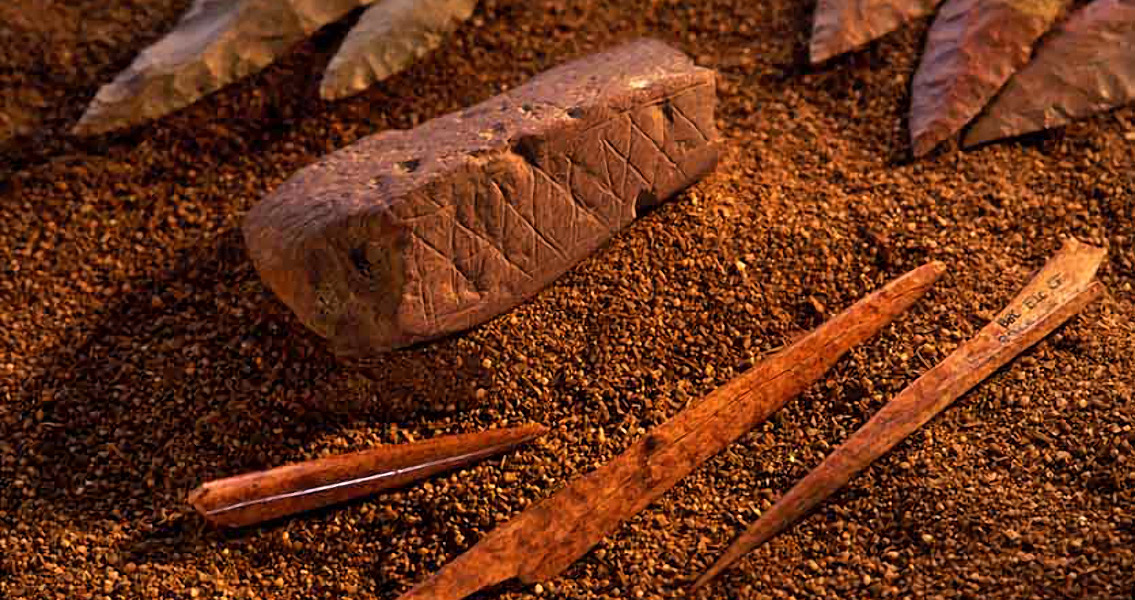
PLOS ONE, found that South African settlements existing some 1,000 kilometers apart during the MSA were using similar types of stone tools at the same time. Scientists found that these tool-making tribes of humans, which existed around 71,000 years in the past, were likely to have developed independently of each other – especially since the methods used to create these tools diverged even though the end products were so similar. This is in stark contrast to archaeological evidence dating back to just 65,000 years ago, says Lyn Wadley, who remarked in a press release that the older civilizations didn’t seem to demonstrate the same level of disseminated cultural and social tradition as the settlements dating to just 6,000 years later. One of the authors of the new study, Professor Wadley, teaches archaeology at Johannesburg’s University of the Witwatersrand. The dig sites involved in the study, Sibudu in KwaZulu-Natal and Blombos Cave in the Western Cape region, are among the most famous within South Africa. The exact locations of each dig are known as Howiesons Poort and Still Bay respectively; these sites have yielded up much of what modern archaeology has been able to deduce about the earliest forms of human civilization, how human tradition began to develop through cross-cultural contact with individual tribes of early humans in the MSA, and when that development first began to occur. There’s precedent for the idea of cultural exchange between such relatively isolated pockets of early humanity, as earlier research into stone tools made around 65,000 years in the past shows that the processes used to create tools at both locations were similar, despite the difference in the types of stone found in each place. However, the new research shows little in the way of this evidence from 71,000 years ago; this is an indication that socialization among disparate groups of human settlements developed over the gap between the two time periods, especially since the evidence from the settlements dating back to 65,000 years ago has shown several different examples of this cultural cross-pollination. Currently, the differences in stone tool making methods discovered by Professor Wadley and the other members of the research team involved in the study is some of the only evidence of its type in existence. While the results are certainly promising, the archaeologists say that additional research is going to be needed before a definitive date can be pinned down as to when humanity began to come together through important concepts such as tool making techniques passed down from generation to generation. For more information: www.journals.plosone.org Image courtesy of Wikimedia Commons user: Chenshilwood]]>