Categories
Breaking News

Furrowed brows Key to Evolution? – The History News of the Week

Modern Human Skull Alongside Kabwe1 Eyebrows on fleek: Model of a modern human skull next to Kabwe 1.
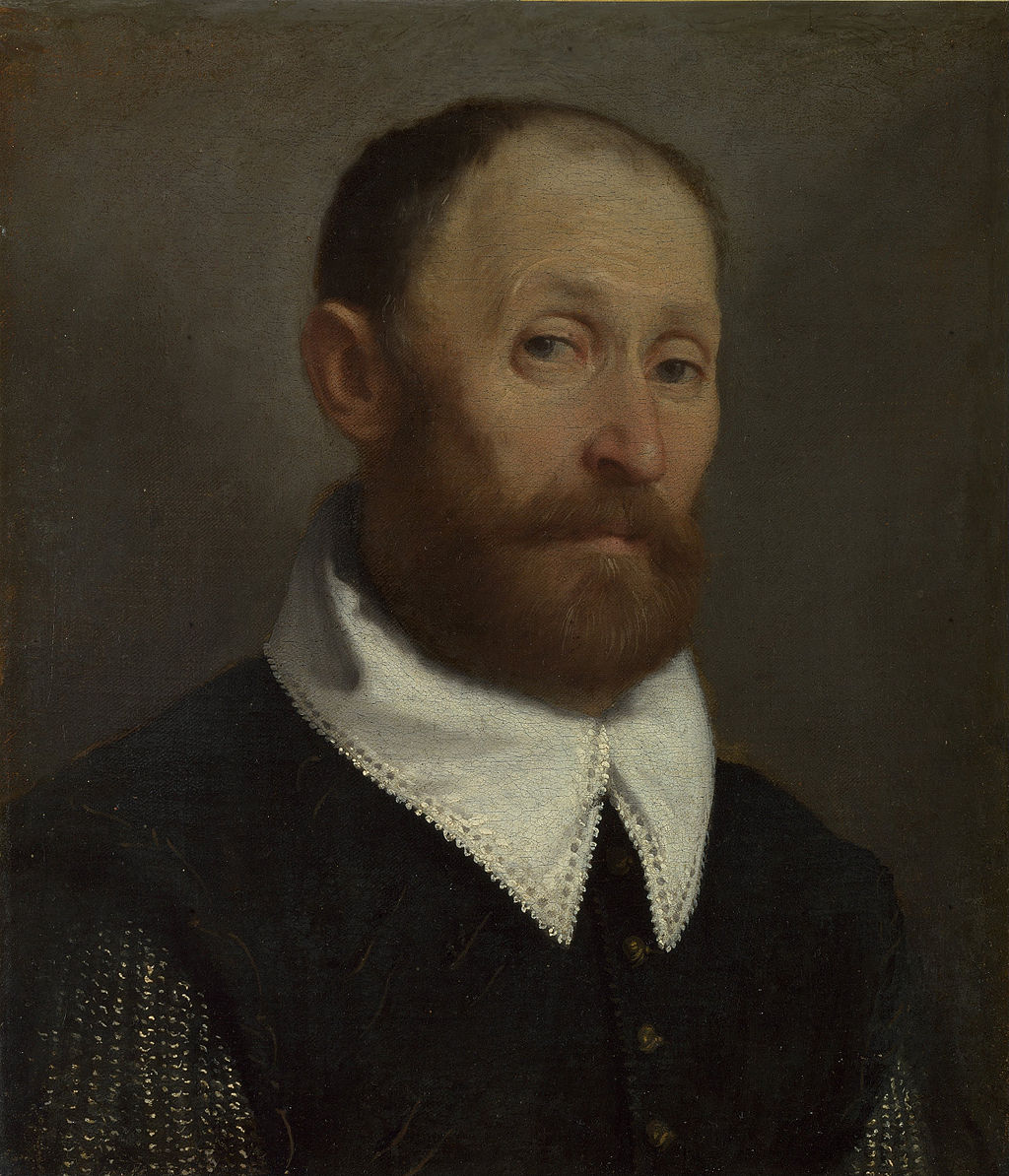
Credit: Paul O’Higgins, University of York[/caption] “Since the shape of the brow ridge is not driven by spatial and mechanical requirements alone, and other explanations for brow ridges such as keeping sweat or hair out of eyes have already been discounted, we suggest a plausible contributing explanation can be found in social communication.” Co-author of the paper, Dr Penny Spikins from the Department of Archaeology at the University of York, said: “Modern humans are the last surviving hominin. While our sister species the Neanderthals were dying out, we were rapidly colonising the globe and surviving in extreme environments. This had a lot to do with our ability to create large social networks – we know, for example, that prehistoric modern humans avoided inbreeding and went to stay with friends in distant locations during hard times. “Eyebrow movements allow us to express complex emotions as well as perceive the emotions of others. A rapid “eyebrow flash” is a cross-cultural sign of recognition and openness to social interaction and pulling our eyebrows up at the middle is an expression of sympathy. Tiny movements of the eyebrows are also a key component to identifying trustworthiness and deception. On the flip side it has been shown that people who have had botox which limits eyebrow movement are less able to empathise and identify with the emotions of others. “Eyebrows are the missing part of the puzzle of how modern humans managed to get on so much better with each other than other now-extinct hominins.” The article describing the research has been published in the journal Nature, Ecology and Evolution Featured image: Portrait of a Man with Raised Eyebrows, by Giovanni Battista Moroni ]]>
Categories
Breaking News

Smoke Tolerance Key to Humans Outlasting Neanderthals

Molecular Biology and Evolution. A difference in the aryl hydrocarbon receptor, which regulates the body’s response to polycyclic aromatic hydrocarbons, may have desensitised humans to the toxic spew of chemicals generated by smoke and fire, according to the authors. This desensitisation would have given humans an advantage compared to other hominids when it came to processing the toxins. “If you’re breathing in smoke, you want to metabolize these hydrophobic compounds and get rid of them, however, you don’t want to metabolize them so rapidly that it overloads your system and causes overt cellular toxicity,” explained Perdew. “For Neandertals, inhaling smoke and eating charcoal-broiled meat, they would be exposed to multiple sources of polycyclic aromatic hydrocarbons, which are known to be carcinogens and lead to cell death at high concentrations. The evolutionary hypothesis is, if Neandertals were exposed to large amounts of these smoke-derived toxins, it could lead to respiratory problems, decreased reproductive capacity for women and make especially preadolescents susceptible to respiratory viruses, while humans would exhibit decreased toxicity because they are more slowly metabolizing these compounds.” Genomic data from humans, Neanderthals and Denisovans was compared to explore the differences in the genetics of polycyclic aromatic hydrocarbon tolerance. The disparity was even greater than the researchers anticipated. “We thought the differences in aryl hydrocarbon receptor ligand sensitivity would be about ten-fold, but when we looked at it closely, the differences turned out to be huge,” said Perdew. “Having this mutation made a dramatic difference, it was a hundred-fold to as much of a thousand-fold difference.” Why the Neanderthals went extinct is a question that has plagued scientists for decades, with many suggesting it may have been a consequence of the spread of humans, or climate change. There is evidence that both humans and Neanderthals used fire, according to George Perry, assistant professor of anthropology and biology, Penn State, who worked on the study. The consequences of this fire use, which likely started with our hominin ancestors around a million years ago, might have been deadly for Neanderthals. Resistance to smoke toxins would have been an evolutionary advantage that afforded modern humans a host of benefits. “Cooking with fire could have allowed our ancestors to incorporate a broader range of foods in our diets, for example, by softening roots and tubers that might otherwise have been hard to chew,” said Perry. “Cooking could also help increase the digestibility of other foods, both in chewing time and reduced energetic investment in digestion.” Fire had a multitude of other vital uses for early humans, providing warmth at high latitudes and helping form settlements. “Besides heating and cooking, humans used — and still use — fire for landscape burning and as part of hunting and gathering, and now as part of agriculture,” Perry continued. The findings add further weight to other studies that have suggested developing the ability to cook was one of the key advantages that helped humans thrive, drastically improving the quality of their diet. However, the scientists suggest that the mutation had one negative outcome. The receptor might explain modern humans’ greater tolerance to cigarette smoke, allowing people to develop the smoking addiction that contributes to millions of deaths each year across the globe. “Our tolerance has allowed us to pick up bad habits,” Perdew said. ]]>

Categories
Breaking News

Early Human Children Played with Toys

Categories
Breaking News

Genetic Taste Genes Helped Produce Modern Man