Categories
Breaking News

Climate change greatly impacted extinction of Neanderthals

What are stalagmites? Stalagmites grow in thin layers each year and any change in temperature alters their chemical composition. The layers therefore preserve a natural archive of climate change over many thousands of years. The researchers examined stalagmites in two Romanian caves, which revealed more detailed records of climate change in continental Europe than had previously been available. From looking closely at the layers of the stalagmites, the archaeologists were able to identify a series of prolonged cold and dry periods in Europe between 44,000 and 40,000 years ago. Temperatures would gradually cool, staying very cold for centuries or even millennia, and then warm up again very abruptly.

Neanderthal presence declined during cold periods

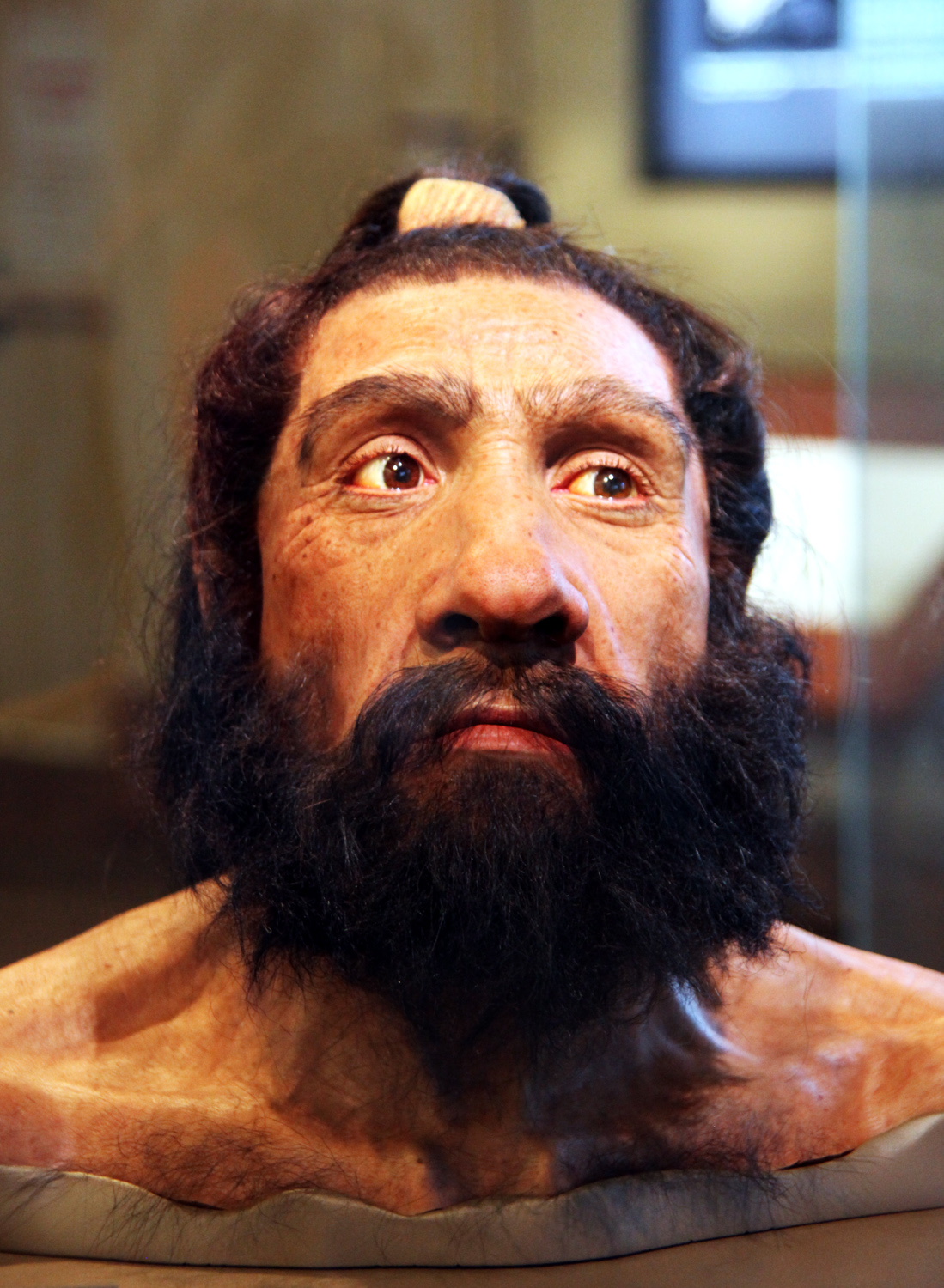
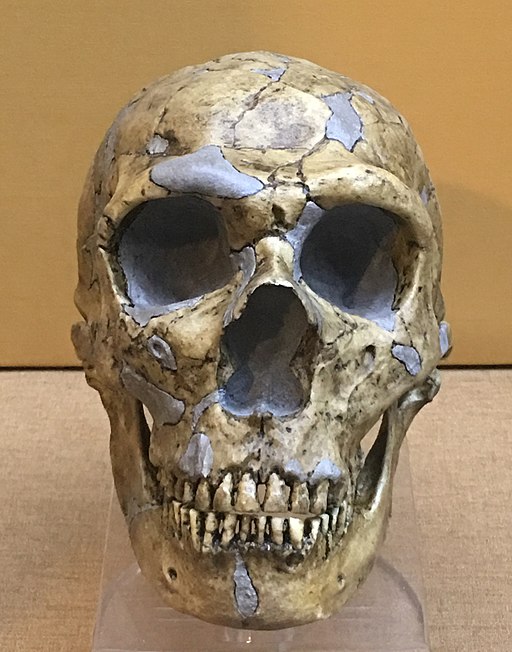
These cold periods coincide with the timings of a near complete absence of archaeological artefacts from the Neanderthals. From this, it has been suggested that changes in climate had a significant impact on the long-term survival of Neanderthal man. [caption id="attachment_8774" align="aligncenter" width="500"] A model an adult Neanderthal male head and shoulders on display in the Hall of Human Origins in the Smithsonian Museum of Natural History in Washington, D.C. Credit: Tim Evanson[/caption] Dr Vasile Ersek is co-author of the study and a senior lecturer in physical geography in Northumbria University’s Department of Geography and Environmental Sciences. He explains: “The Neanderthals were the human species closest to ours and lived in Eurasia for some 350,000 years. However, around 40,000 years ago – during the last Ice Age and shortly after the arrival of anatomically modern humans in Europe – they became extinct. “For many years we have wondered what could have caused their demise. Were they pushed ‘over the edge’ by the arrival of modern humans, or were other factors involved? Our study suggests that climate change may have had an important role in the Neanderthal extinction.”

Why did modern humans survive cold periods?

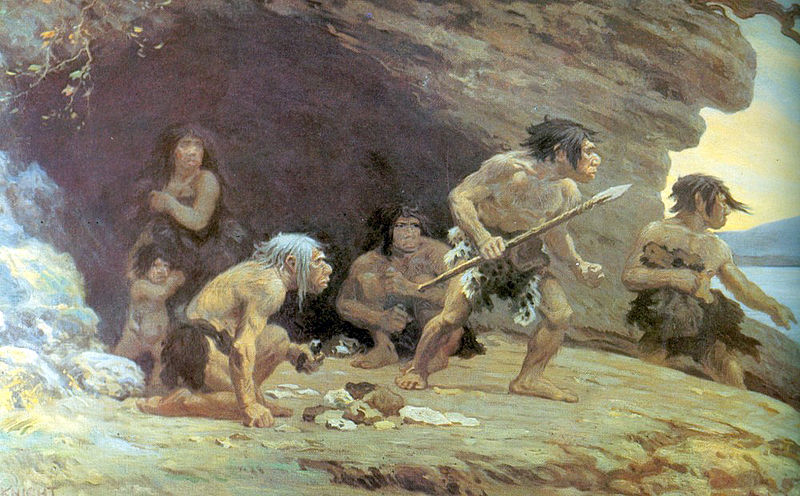
The researchers have stated that modern humans survived these cold conditions – known as stadial periods – because they were more adaptable to their environment. [caption id="attachment_8773" align="aligncenter" width="500"] Credit: Le Moustier Neanderthals by Charles R Knight, 1920[/caption] While Neanderthals were skilled hunters and were able to use fire, their diet wasn’t as diverse as that of modern humans. They lived mainly on meat, so when that food source became more scarce during colder periods, Neanderthals became vulnerable. By this time, modern humans had begun to incorporate fish and plants into their diet – potentially marking them for survival.

Depopulation, repopulation

According to Dr Ersek, the research team’s findings have indicated that this cycle of “hostile climate intervals” over thousands of years, in which the climate varied abruptly and was characterised by extreme cold temperatures, was responsible for the future European demographic. “Before now, we did not have climate records from the region where Neanderthals lived which had the necessary age accuracy and resolution to establish a link between when Neanderthals died out and the timing of these extreme cold periods,” he said, “But our findings indicate that the Neanderthal populations successively decreased during the repeated cold stadials. “When temperatures warmed again, their smaller populations could not expand as their habitat was also being occupied by modern humans and this facilitated a staggered expansion of modern humans into Europe. “The comparable timing of stadials and population changes seen in the archaeologic and genetic record suggests that millennial-scale hostile climate intervals may have been the pacesetter of multiple depopulation-repopulation cycles. These cycles ultimately drew the demographic map of Europe’s Middle-Upper Paleolithic transition.” Read more about the difference between Neanderthals and modern humans here.]]>

Categories
Breaking News Editorial

Why Homo sapiens survived (and other hominins didn't)

Map of the potential distribution of archaic hominins, including H. erectus, H. floresiensis, H. neanderthalenesis, Denisovans and archaic African hominins, in the Old World at the time of the evolution and dispersal of H. sapiens between approximately 300 and 60 thousand years ago.
Credit: Roberts and Stewart. 2018. Defining the ‘generalist specialist’ niche for Pleistocene Homo sapiens. Nature Human Behaviour. [/caption]

Homo sapiens surviving extreme conditions

Archaeological and palaeoenvironmental datasets from the Middle and Late Pleistocene eras have come under critical review in the recent collaboration between the Max Planck Institute and the University of Michigan. Hominin movement and biological development within and beyond Africa proves our species’ ability to occupy diverse and ‘extreme’ settings around the world. This could well explain how Homo sapiens became the last surviving hominin on the planet. Previously, it was thought that early homo sapiens had stayed close to the coast or savannahs, not infiltrating extreme environments until around 15,000 years ago. But this new evidence has shown humans were in tougher climates far earlier, affecting the debate over what it means to be human – as a Homo sapien, at least.

What does it mean to be human?

“So much focus has gone into finding the next artwork, the next fossil, that in the search for a sort of ‘modernity’ as it is often put – other fundamental elements were neglected,” says Dr Patrick Roberts from the Max Planck Institute for the Science of Human History. Under this new theory, investigations into what separates Homo sapiens from our ancestors would shift away from attempts to uncover the earliest traces of art, language and technological complexity. They’d move, instead, towards understanding what makes our species ecologically unique.

New ideas of Neanderthal creativity

Recent research exposed the fact that our Neanderthal cousins created art before Homo sapiens, and were therefore capable of creating symbolism independently. Because of this, the lines between Homo sapiens and our ancestors are becoming increasingly blurred. You can read more about Neanderthal creativity and the recent discoveries that probe into it here. [caption id="attachment_8774" align="aligncenter" width="500"] A model an adult Neanderthal male head and shoulders on display in the Hall of Human Origins in the Smithsonian Museum of Natural History in Washington, D.C. Credit: Tim Evanson[/caption]

Ancestral ecologies

In contrast to other hominins, our species not only colonised environments as varied as deserts, tropical rainforests, high altitude settings and the palaeoarctic, but also flourished in these extreme conditions. Looking at our ancestral ecologies, we know that the genus Homo is highly diverse. Although often given the blanket name of ‘human,’ both academically and colloquially, using one term is certainly deceptive. There were a range of Homo species, all of which comfortably developed to reflect their surroundings. Homo erectus and Homo floresiensis (also known as ‘the Hobbit’) are thought to have occupied resource-scarce tropical rainforests from 1 million to 100,000 and 50,000 years ago respectively. The Neanderthals (Homo Neanderthalensis) occupied the high latitude areas of Eurasia between 250,000 and 40,000 years ago. To some extent, they backed themselves into an ecological corner, by only developing hunting skills in specialised environments.

What is the difference between ‘humans’ and Neanderthals?

While it might seem like there were gulfs between Homo sapiens and Homo Neanderthalensis, it would be remiss not to point out that the Neanderthals were our closest hominin relatives. In fact, Homo Neanderthalensis shares 99.7% of DNA with Homo sapiens. The history, appearance, intelligence and behavioural similarities and differences between the two are explored by Daryl Worthington on the New Historian – click here to read more.

Rapid Homo sapien colonisation

In contrast to the rest, Homo sapiens had spread to higher-elevation niches by around 80-50,000 years ago. By 45,000 years ago, the species was rapidly colonising both palaeoarctic and tropical rainforest conditions in Asia, Melanesia and the Americas. In order to decipher how our species demonstrated its colonising capacity elsewhere in places like northwest India and the high elevations of Tibet and the Andes, better-dated and higher resolution environmental datasets are required.

Homo sapiens: the ‘generalist specialist’

Ultimately, the new theory is that Homo sapiens were a ‘generalist specialist’. The ’generalist specialist’ is a new ecological niche: one that reflects Homo sapiens’ ability to occupy a huge diversity of environmental settings across the majority of the Earth’s continents by the Late Pleistocene. Dr Patrick Roberts has written: “A traditional ecological dichotomy exists between ‘generalists’, who can make use of a variety of different resources and inhabit a variety of environmental conditions, and ‘specialists’, who have a limited diet and narrow environmental tolerance.” He continues: “However, Homo sapiens furnish evidence for ‘specialist’ populations, such as mountain rainforest foragers or palaeoarctic mammoth hunters, existing within what is traditionally defined as a ‘generalist’ species.”

How did Homo sapiens become a ‘generalist specialist’?

Dr Brian Stewart, from the Department of Archaeology at the University of Michigan, thinks that this new niche was carved out through extensive cooperation between non-kin individuals. He writes: “Non-kin food sharing, long-distance exchange, and ritual relationships would have allowed populations to ‘reflexively’ adapt to local climatic and environmental fluctuations, and outcompete and replace other hominin species.” It comes down to empathy, as well as an ability to accumulate and pass on cultural knowledge.

How our species became the last surviving hominin on the planet

“As with other definitions of human origins, problems of preservation also make it difficult to pinpoint the origins of humans as an ecological pioneer. However, an ecological perspective on the origins and nature of our species potentially illuminates the unique path of Homo sapiens as it rapidly came to dominate the Earth’s diverse continents and environments”, says Roberts. He writes: “Understanding this ecological niche provides a framework for discussing what it means to be human and how our species became the last surviving hominin on the planet.”]]>
Categories
Breaking News

A St. Patrick's Day Shock – The History News of the Week

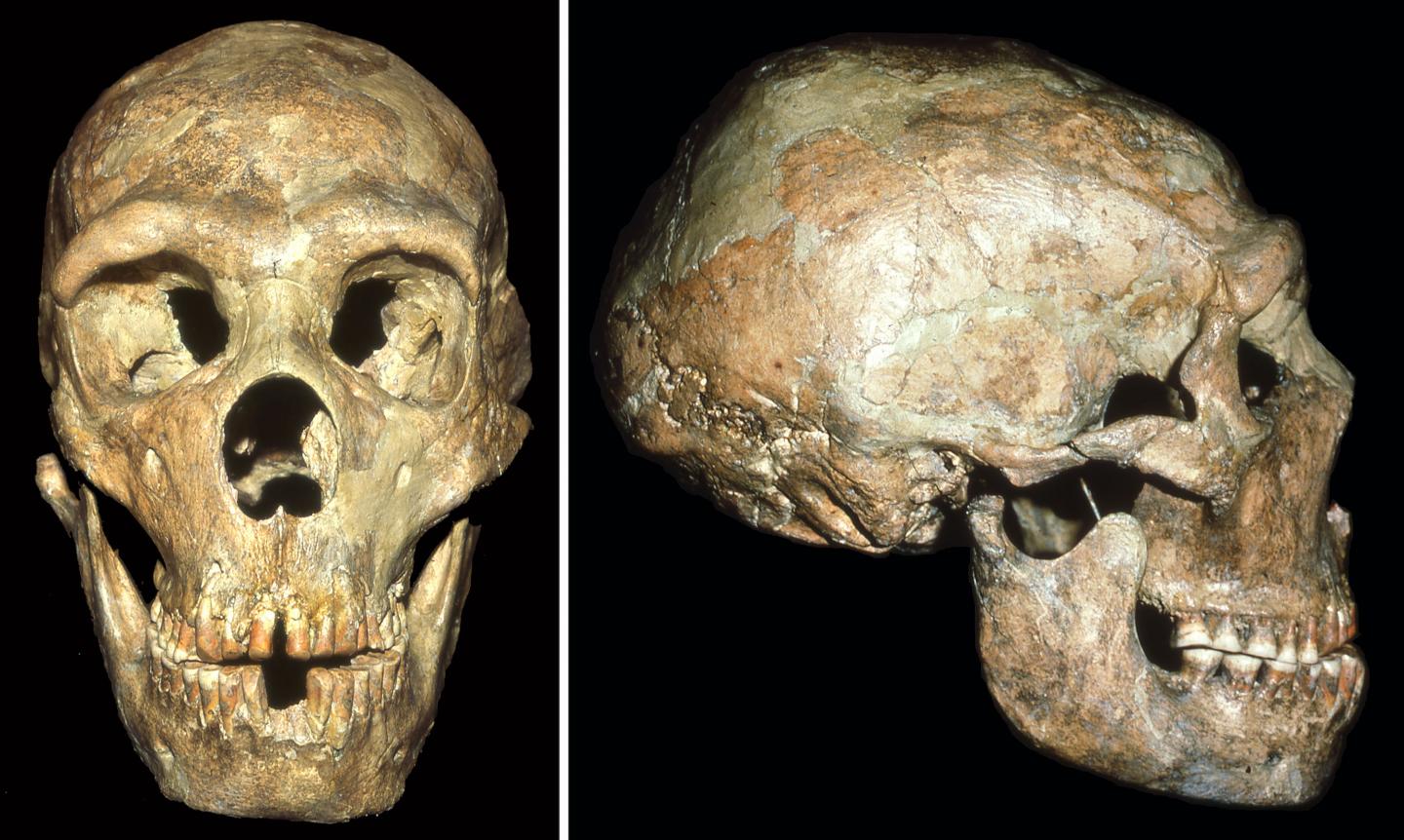
St. Patrick’s Day Celebrations had an Unlikely Origin Every 17th March cities around the globe are draped in green to celebrate St. Patrick’s Day. New research is claiming that some of the most recognisable parts of the festivities might have originated in an unexpected place. The feast of St. Patrick has been celebrated in Ireland since the ninth century. However, many of the traditions now associated with the celebration are thought to have had their beginnings with Irish immigrants to the US in the eighteenth century. Traditionally, it is thought that St. Patrick’s Day festivities such as parades and fireworks originated in north eastern US cities such as Boston and New York. However, the recently discovered evidence suggests that many of these celebrations were taking place a century before, in Florida. The basis of the new claim is gunpowder expenditures lists from St. Augustine, Florida, dated to 1600-1601. According to historians from the University of South Florida, one such list has an entry stating that in March 1600, St. Augustine’s residents gathered and processed through the streets in honour of St. Patrick, with cannon firing from a nearby wooden fort in tribute of the saint. “It was certainly a surprise,” said historian J. Michael Francis, PhD, University of South Florida-St. Petersburg, who uncovered the document. “It did not register the first time I saw the name “San Patricio,” the Spanish name for St. Patrick. After a few seconds it actually hit me that there was a St. Patrick’s Day parade/procession in St. Augustine in 1601.” The shocks didn’t end with the revelation that the residents of St. Augustine were celebrating St. Patrick’s Day with cannon and processions as early as 1600. “Even more surprising was that the document identified St. Patrick as the patron saint of the city’s maize fields,” Dr. Francis continued, in a statement from the University of South Florida. The surprising discovery was made while Dr. Francis was studying documents connected to St. Augustine’s imperial Spanish history. Neanderthals Were Compassionate Neanderthals were capable of ‘compassionate and knowledgeable health care’, according to new research from the University of York. The findings form part of a growing challenge to the image of Neanderthals as nasty, brutish and uncaring. The authors of the new study claim that in fact Neanderthals were able to deliver highly effective responses to injury and illness. [caption id="attachment_8563" align="alignnone" width="1024"]1024px-Gibraltar_Skull_(1)a Gibraltar 1 Neanderthal skull[/caption] Image credit: Jononmac46 (File:Gibraltar_Skull_(1).JPG) [CC BY-SA 3.0 (https://creativecommons.org/licenses/by-sa/3.0)], via Wikimedia Commons It has been shown before that Neanderthals provided care for their injured, but it was assumed that this was largely done out of self-interest. “Our findings suggest Neanderthals didn’t think in terms of whether others might repay their efforts, they just responded to their feelings about seeing their loved ones suffering,” said study lead author Dr. Penny Spikins, a senior lecturer from the University of York. Archaeologists have previously discovered remains of Neanderthals who’d clearly suffered serious injuries long before their deaths. The study claims that these injuries would have required monitoring, massage, fever management and hygiene care. The remains of one male Neanderthal analysed in the study had a catalogue of poor health, including a degenerative disease of the spine and shoulders. This disease would have left him weak and vulnerable in the final year of his life, the authors state. Nevertheless, his articulated remains were carefully buried, suggesting he’d remained part of the group despite being a potential burden, right up until his death. “We argue that the social significance of the broader pattern of healthcare has been overlooked and interpretations of a limited or calculated response to healthcare have been influenced by preconceptions of Neanderthals as being ‘different’ and even brutish,” Dr. Spikins explained. “However, a detailed consideration of the evidence in its social and cultural context reveals a different picture. The very similarity of Neanderthal healthcare to that of later periods has important implications. We argue that organised, knowledgeable and caring healthcare is not unique to our species but rather has a long evolutionary history.” The study has been published in the journal World Archaeology. Remains of Iron Age Feast Discovered Evidence of a huge Iron Age feast have been discovered on the Orkney Islands, off the coast of Scotland, according to The Scotsman. Archaeologists from the University of the Highlands and Islands (UHI) believe more than 10,000 animals were cooked and eaten in a massive cliff top gathering above Windwick Bay, South Ronaldsay, around 1,700 years ago. The Scotsman reports that a range of jewellery fragments and tools have been found at the site, which has been dated by radiocarbon tests on a nearby midden. “These numbers tell you about the scale of the feast and the largesse of being able to have that amount of food in circulation for what appears to be a short-lived event,” Martin Carruthers, an Iron Age expert from UHI told The Scotsman. “The feast is doing two things. It’s probably celebrating the successful conclusion of the making of a big batch of jewellery.” “The second point is the feast is pretty enormous and it is it probably the arena where pins and brooches are being handed out to individuals within the community.” Feature image: Gun expenditures log explains the procession through the streets of St. Augustine, Florida and St. Patrick as the ‘protector of the fields.’ Credit: AGI Contaduria 950 ]]>

Categories
Breaking News

Neanderthals Made Cave Paintings – The History News of the Week

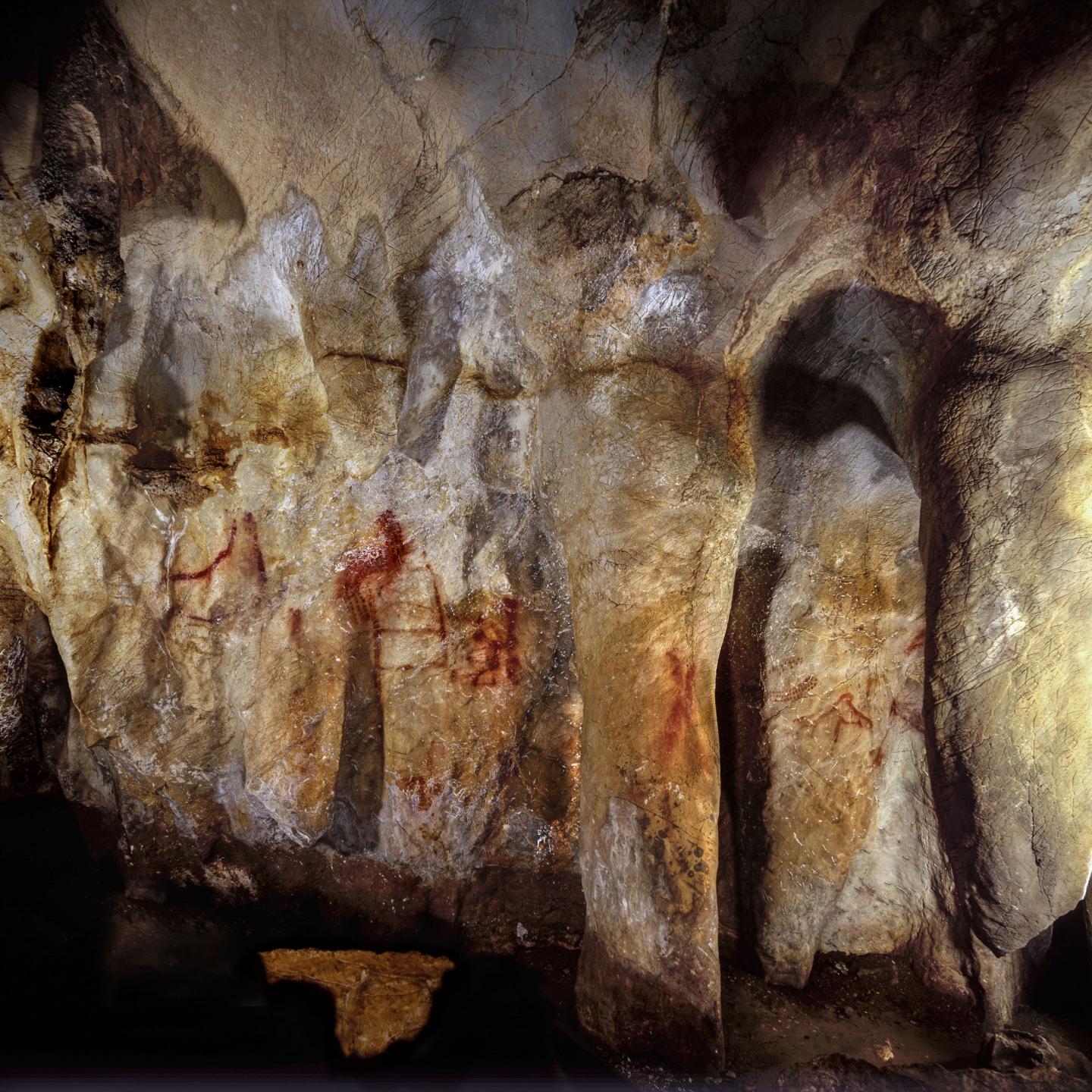
Neanderthals Created 64,000 Year-Old Cave Paintings Neanderthals, and not humans, created the world’s oldest cave paintings, new research claims. The findings add to growing evidence that our closest extinct evolutionary cousins were far from their barbaric, unsophisticated representation in popular culture. Scientists from the Max Planck Institute for Evolutionary Anthropology and University of Southampton show that paintings in three Spanish caves are over 64,000 years old. That’s 20,000 years before the first humans arrived in Europe. The research has been published in the journal Science. It suggests that Neanderthals thought symbolically, an attribute usually only attributed to modern humans. “Artefacts whose functional value lies not so much in their practical but rather in their symbolic use are proxies for fundamental aspects of human cognition as we know it,” said Dirk Hoffmann, from the Max Planck Institute, in a press release. Cave painting has, until now, been entirely attributed to modern humans, largely due to difficulties in dating it precisely. The international team behind the new study used the uranium-thorium method to date tiny carbonate deposits that have built up on top of the cave paintings. Traces of uranium and thorium indicate when the deposits formed. This allows a minimum age for the paintings underneath to be determined. Joint lead author Dr Chris Standish, an archaeologist at the University of Southampton, said: “This is an incredibly exciting discovery which suggests Neanderthals were much more sophisticated than is popularly believed. “Our results show that the paintings we dated are, by far, the oldest known cave art in the world, and were created at least 20,000 years before modern humans arrived in Europe from Africa – therefore they must have been painted by Neanderthals.” Infant Cranial Modification Linked to Identity in Ancient Andes A new study claims that the binding and reshaping of infants’ skulls in the Andes between 1100 and 1450 was linked to identity and inequality. Prior to the expansion of the Inca Empire into the region that is now Peru, cranial modification of infants was hugely popular. Assistant professor of anthropology at Cornell University Matthew Velasco argues that these head-shaping practices were connected to political solidarity and social inequality. The anthropologist analysed hundreds of skeletal remains from multiple tombs in the Colca Valley of highland Peru. One key finding was that modification grew in popularity over the period of investigation. Prior to 1300, cranial modification was rare, while by the end of the period it had risen to 73.7% of the population. “The increased homogeny of head shapes suggests that modification practices contributed to the creation of a new collective identity and may have exacerbated emerging social differences,” Velasco said. “Head shape would be an obvious signifier of affiliation and could have encouraged unity among elites and increased cooperation in politics.” Velasco found that women with modified heads had better access to varied food options and were less likely to encounter violence in their lives. This, he suggests, points to a connection between cranial modification and inequality. A sixteenth century Spanish colonial document Velasco examined described groups moulding skulls into the shapes of volcanoes from their origin myth. “If this is true, then cranial modification reflects a deeply religious worldview and was fundamental to a person’s being and existence, and not simply a fashion statement,” Velasco said. Velasco’s findings have been published in the journal Current Anthropology. Ninth Century Rock Art Destroyed Unique paintings on a ninth century temple in Hyderabad have been whitewashed by villagers, according to the Times of India . The cave temples, located on a hillock, are one of the oldest structures in the region. However, their artworks were not on any protected lists for archaeological sites. “They were initially Jain caves that were later converted into a Lord Shiva temple after installation of shivalingam. During the recent Shivaratri celebrations, the villagers whitewashed the paintings on the pillars and cave walls,” Aravind Arya Pakide, an archaeology expert, told the Times of India. “It is complicated to restore these paintings. In the name of beautification, they are using acrylic paints and damaging the archaeologically-significant structures.” Ceiling paintings on an ornate gateway have been particularly badly affected, with only traces of the figures depicted remaining, the Times of India article reports. Featured image: La Pasiega, Section C, Cave Wall With Paintings. The ladder shape composed of red horizontal and vertical lines (centre left) dates to older than 64,000 years and was made by Neanderthals. Image credit: © P. Saura ]]>

Categories
Breaking News

Why Neanderthals Couldn’t Draw – The History News of the Week

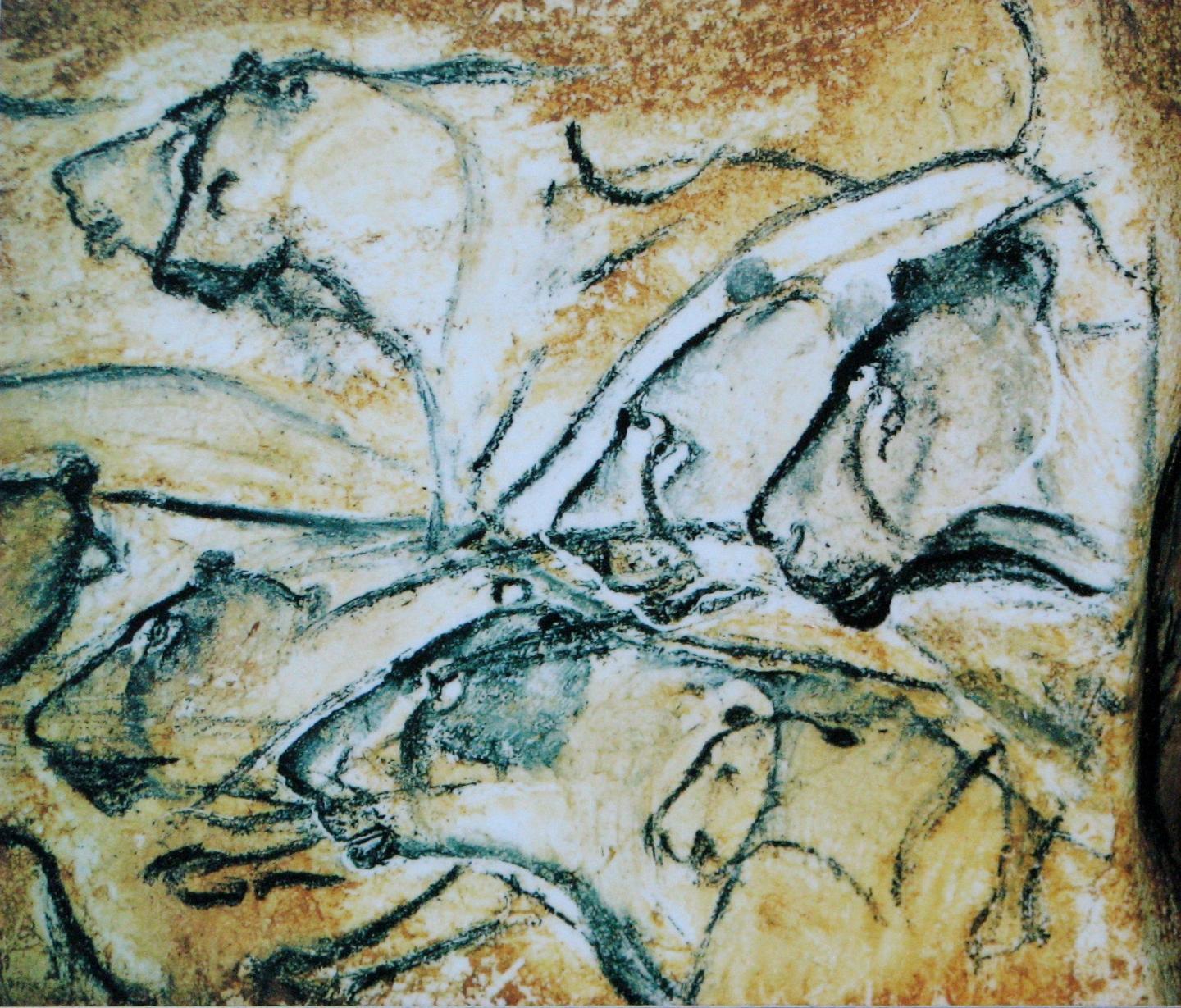
Hunting Skills Affected Neanderthals’ Drawing New research from the University of California Davis claims that Neanderthals’ lack of drawing ability compared to other early modern humans could be connected to their hunting skills, Neanderthals had large brains and were capable of making sophisticated tools, yet never demonstrated the ability to draw recognisable images. On the other hand, early modern humans created vivid depictions of animals and other figures in cave drawings. Richard Coss, a professor of psychology from UC Davis, thinks this difference could be connected to the fact that Neanderthals hunted with thrusting spears while early humans used throwing spears. Coss argues, in his study published in the journal Evolutionary Studies, that the hand-eye coordination involved in both hunting with throwing spears and drawing representational images could explain differences in intelligence between Neanderthals and humans. For 500,000 years early humans hunted with throwing spears in sub-Saharan Africa, something which caused their prey to develop better fight or flight strategies. Anthropologists have suggested that using throwing spears from a distance made hunting large game less dangerous. “No explanation has been given for why large animals, such as hippos and Cape buffalo, are so dangerous to humans,” Coss said. “Other nonthreatening species foraging near these animals do not trigger alert or aggressive behaviour like humans do.” Coss argues that Neanderthals, which left Africa for Eurasia long before modern human ancestors did, used thrusting spears at close range to kill horses, reindeer, bison and other large game that had not developed an innate wariness of humans. “Neanderthals could mentally visualise previously seen animals from working memory, but they were unable to translate those mental images effectively into the coordinated hand-movement patterns required for drawing,” Coss writes. After studying the drawings and engravings of animals made by human artists 28,000 to 32,000 years ago in the Chauvet-Pont-d’Arc Cave in southern France, Coss concluded: “The visual imagery employed in drawing regulates arm movements in a manner similar to how hunters visualise the arc their spears must make to hit their animal targets.” Coss argues that the development of drawing could have triggered a host of social changes in the early human ancestors. “There are enormous social implications in this ability to share mental images with group members,” he writes, in the recently published study. Toba Supereruption Didn’t Cause Volcanic Winter 74,000 years ago, the Toba supereruption caused spectacular destruction on the island of Sumatra. It has been hypothesised that the eruption triggered a six-year long volcanic winter in East Africa, in turn causing the human population in the region to plummet. New research from the University of Arizona has looked at the effect of the eruption on East Africa. The findings disagree with the Toba Catastrophe Hypothesis, finding no evidence of severe ecological disruption following the eruption. “This is the first research that provides direct evidence for the effects of the Toba eruption on vegetation just before and just after the eruption,” said lead author Chad L. Yost, a doctoral candidate in the UA Department of Geosciences. “The Toba eruption had no significant negative impact on vegetation growing in East Africa.” Yost and colleagues studied microscopic bits of plants preserved in two sediment cores from Lake Malawi, the southernmost of the East African Rift Lakes. They analysed samples taken from roughly every 8.5 years over a period beginning approximately 100 years before the eruption and ending 200 years later. “It is surprising,” Yost said. “You would have expected severe cooling based on the size of the Toba eruption–yet that’s not what we see.” According to Yost, if the region had experienced the multi-year cooling suggested in the Toba Catastrophe Hypothesis, the cores would have evidence of a massive die-off of the region’s vegetation at all elevations. However, the team only found some die-off in mountain plants just after the eruption, and no die-off in lower elevation plants. Part of the Toba Catastrophe Hypothesis says the eruption caused human populations to shrink. However, according to Yost, all known archaeological evidence of human habitation in the region is found at low elevations. “We know anatomically modern humans were living within 50 kilometers of Lake Malawi,” Yost said. “People would have been able to travel to habitats and lower elevations that had little to no cooling effect from the Toba eruption,” he said. Co-author Andrew S. Cohen, UA Distinguished Professor of Geosciences, said: “That a singular event in Earth history 75,000 years ago caused human populations in the cradle of humankind to drop is not a tenable idea.” The research has been published in the Journal of Human Evolution. First Briton had “Dark to Black Skin” Scientists have carried out the first ever full DNA analysis of Britain’s oldest modern human specimen, revealing that 10,000-year-old Cheddar Man likely had “dark to black skin”, blue eyes and dark curly hair. “Generally people would be very surprised to see what Cheddar Man – an individual from 10,000 years ago – looked like,” Dr Selina Brace, an ancient DNA researcher who contributed to the work at the Natural History Museum, told The Independent. The fossil of Cheddar Man was first discovered in 1903 in Gough’s Cave in Somerset. He lived shortly after the first settlers crossed from continental Europe to Britain at the end of the last ice age. The new revelations, made through genetic analysis of Cheddar Man’s bones, show that the genes for lighter skin became widespread in European populations later than traditionally thought. Tom Booth, an archaeologist at the Natural History Museum who worked on the project, told the Guardian: “It really shows up that these imaginary racial categories that we have are really very modern constructions, or very recent constructions, that really are not applicable to the past at all.” The key to the surprising discovery was genetic markers that showed skin pigmentation usually associated with sub-Saharan Africa. Dr Brace told The Independent: “It’s kind of surprising, because you would have thought [light skin] would have come more quickly as people are moving into these different climates. But in fact what we think is they had a very meat and fish-rich diet, so it was quite likely they were getting their vitamin D from there.” Featured image: Replica of drawing of lions painted in the Chauvet Cave. Art in the cave has been identified as created by early modern humans.]]>
Categories
Breaking News

Inequality’s Deep Roots – The History News of the Week

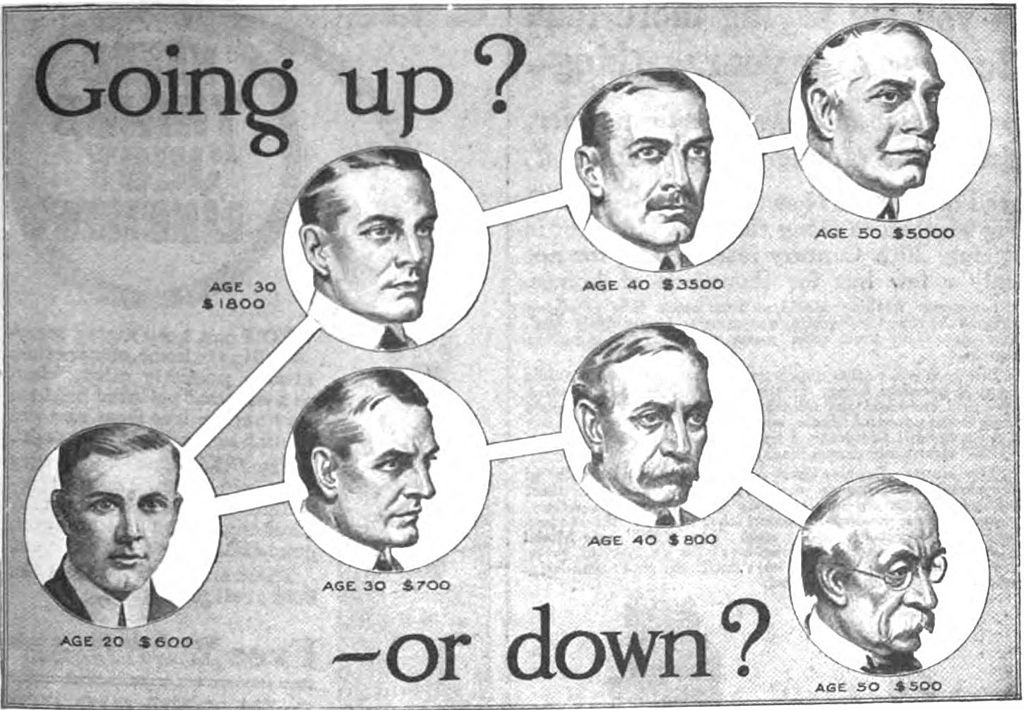
Inequality Started with the Rise of Agriculture New research claims that the rise of economic inequality in human societies can be traced all the way back to the dawn of agriculture. Published in the journal Nature, the research involved academics from fourteen different institutions, and was led by Tim Kohler from Washington State University (WSU). The findings have profound implications for modern societies, the authors believe. “Inequality has a lot of subtle and potentially pernicious effects on societies,” Kohler explained. The researchers based their findings on the Gini coefficient, a commonly used measure of inequality developed over a century ago by Italian statistician and sociologist Corrado Gini. On this system, a country with total wealth equality would have a Gini coefficient of zero, while a country with all the wealth concentrated in one household would have a Gini Coefficient of one. House sizes were compared at 63 different archaeological sites, and the researchers used this data to assign Gini coefficients. It was found that hunter-gatherer societies typically had lower wealth disparities, with a median Gini of .17. This is likely because their nomadic lifestyles would have made wealth accumulation difficult, and passing it on to future generations even more so. Small-scale, low intensity farmers (horticulturalists) had a median Gini of .27, while large scale agricultural societies had a median Gini of .35. One remarkable observation by Kohler’s team is that inequality continued to rise in the Old World, but plateaued in the New World. According to Kohler, this is down to the ability of Old World societies “to literally harness big domesticated mammals like cattle and eventually horse and water buffalo.” Draft animals, which were not available in the New World, let rich farmers till more land and expand into new areas. This increased their wealth while ultimately creating a class of landless peasants. “These processes increased inequality by operating on both ends of the wealth distribution, increasing the holdings of the rich while decreasing the holdings of the poor,” the researchers write in their study. Bronze metallurgy and a mounted warrior elite further increased the Gini coefficient in the Old World, allowing some individuals to live in massive houses and make territorial conquests, the benefits of which were inherited by their descendants. The researchers’ models put the highest Gini numbers in the ancient Old World at .59, close to that of contemporary Greece’s .56 and Spain’s .58. It is well short of China’s .73 and the United States .80, a 2000 figure cited in the Nature paper. The 2016 Allianz Global Wealth Report puts the U.S. Gini at .81 and Kohler said in a WSU press release he has seen the U.S. Gini reported as high as .85, “which is probably the highest wealth inequality for any developed country right now.” For Kohler, the current high Gini number in the US should be a cause for concern. “People need to be aware that inequality can have deleterious effects on health outcomes, on mobility, on degree of trust, on social solidarity–all these things,” he said in a WSU statement. “We’re not helping ourselves by being so unequal.” Kohler has documented four periods of growing inequality among the ancient Pueblo people of the American Southwest, all of which ended in violence and greater equality. The last of these was particularly dramatic – coinciding with the complete depopulating of the Mesa Verde area. “In each case, you see not just this decline in Gini scores, but we also see an increase in violence that accompanies that decline,” Kohler said. “We could be concerned in the United States, that if Ginis get too high, we could be inviting revolution, or we could be inviting state collapse. There’s only a few things that are going to decrease our Ginis dramatically.” 14 Million Years Ago, Madrid Was a Desert A new study claims that the central Iberian Peninsula, an area that covered what is now Madrid, was an arid savanna during the middle Miocene period. The research, led by the Complutense University of Madrid and published in the journal PLOS ONE, compared mammal assemblages from different localities in Africa and South Asia with those that inhabited the Iberian central area 14 million years ago. Through paleontological studies of the fossil vertebrate remains found at the Somosaguas site in Madrid, the researchers have been able to infer the environment that existed there. The central premise behind the research is that the body size of every species is largely influenced by the environmental conditions of their habitat. Elephants in humid places such as Asian jungles, for instance, are smaller than those living in dry places like African savannas. “Based on this premise, the distribution of sizes within a mammal community can offer us valuable information about its climatic context”, explains Iris Menéndez, a researcher at the Department of Paleontology of the UCM and the Institute of Geosciences (UCM and CSIC). From their analysis, the palaeontologists have inferred that the centre of the Iberian Peninsula witnessed ‘a very arid tropical climate with a high precipitation seasonality’. After a brief wet period, the annual dry season could last up to ten months. “These results confirm the previous inferences on the savanna environment of Somosaguas in the Miocene, but placing this habitat at their driest estimated, within the limits between the savanna and the desert”, says Menéndez. Climatic parameters from more than 60 modern day Asian and African sites were compiled as a point of comparison for the study. “For this purpose, we made a compilation of information on mammalian fauna lists, their body sizes, and climatic parameters for these localities, such as temperatures and precipitation. Based on this data, we developed statistical models suitable for the inference of different climatic parameters in the past”, explained the UCM researcher. “We included the information on the 26 mammal species found in the Somosaguas site, which allowed us to infer the environment by comparison with the extant assemblages”. Neanderthals Lived in Spain for 3,000 Years Longer Than Thought Neanderthals survived in Spain long after they had died out every else, new research claims, suggesting our extinct cousins lived in Spain 3,000 years longer than is traditionally believed. According to the international team of researchers who carried out the study, the findings suggest that the process of modern human populations absorbing Neanderthal populations through interbreeding was not a regular, gradual wave of advance but a “stop-and-go, punctuated, geographically uneven history.” Over a period of ten years the researchers excavated three new sites in southern Spain, where they unearthed evidence of Neanderthal materials from as recently as 37,000 years ago. “Technology from the Middle Paleolithic in Europe is exclusively associated with the Neanderthals,” said Dr. João Zilhão, from the University of Barcelona and lead author of the study. “In three new excavation sites, we found Neanderthal artefacts dated to thousands of years later than anywhere else in Western Europe. Even in the adjacent regions of northern Spain and southern France the latest Neanderthal sites are all significantly older.” The Middle Paleolithic spanned from 300,000 to 30,000 years ago. It is widely acknowledged that during this time, anatomically modern humans started to move out of Africa and assimilate coeval Eurasian populations, including Neanderthals, through interbreeding. “We believe that the stop-and-go, punctuated, uneven mechanism we propose must have been the rule in human evolution, which helps explaining why Paleolithic material culture tends to form patterns of geographically extensive similarity while Paleolithic genomes tend to show complex ancestry patchworks,” Dr. Zilhão said. Dr. Zilhão believes that discovering and analysing new Neanderthal sites is the key to understanding the pattern of human evolution, and the true fate of the Neanderthals. “There is still a lot we do not know about human evolution and, especially, about the Neanderthals,” said Dr. Zilhão. “Our textbook ideas about Neanderthals and modern humans have been mostly derived from finds in France, Germany and Central Europe, but during the Ice Ages these were peripheral areas: probably as much as half of the Paleolithic people who ever lived in Europe were Iberians. Ongoing research has begun to bear fruit, and I have no doubt that there is more to come.” The study has been published in the journal Heliyon. Featured Image: Illustration from a 1916 advertisement for International Correspondence Schools, Scranton, Pennsylvania, a vocational school, in the back of a US popular science magazine. During the Industrial Revolution, income inequality in the US was very great, and education was seen as a route to social mobility. This advertisement uses the threat of poverty to recruit students. Part of advertising copy that appeared below the picture: “Here is your future charted for you, based on the actual average earnings of trained and untrained men. Which way will you go? You’ll either go up, through training, to a position that means good money and more comforts as the years go by, or you’ll go down, through lack of training, into the ranks of the poorly paid.” ]]>

Categories
Breaking News

Neanderthals Never Had a Chance – The History News of the Week

Neanderthals Were Always Doomed A new study, published this week in the journal Nature Communications, claims the Neanderthals were doomed the moment humans entered Eurasia. Scientists have long been trying to determine the cause of the Neanderthals’ extinction. Theories have ranged from the spread of humans providing too much resource competition for the Neanderthals’ to survive, to climate change or fundamental genetic limitations. The latest study suggests that the Neanderthals’ fate was inevitable. The Stamford University scientists used computer modelling to show that the migration of modern humans from Africa into Asia meant humans were always going to eventually replace Neanderthals, whatever factors might have played a role in the species’ collapse. “Here we show that a scenario of migration and selectively neutral species drift predicts the Neanderthals’ replacement,” the authors write in the introduction to their study. Neanderthals inhabited Eurasia for over 300,000 years, yet within 15,000 years of the arrival of modern humans to the region, our closest extinct living relatives were extinct. “We suggest that although selection and environmental factors may or may not have played a role in the inter-species dynamics of Neanderthals and modern humans, the eventual replacement of the Neanderthals was determined by the repeated migration of modern humans from Africa into Eurasia,” the authors write. “Our simple model suggests that recurring migration from Africa into the Levant and Europe—even at a low rate—was sufficient to result in the Neanderthals’ replacement even if neither species had a selective advantage over the other, and regardless of possible differences in population size between the two species.” Fossils of Humans’ Oldest Ancestors Discovered in Southern England Fossils of the oldest mammals from the line that led to mankind have been discovered on England’s Jurassic Coast. The small, rat like mammals lived 145 million years ago, at the time of the dinosaurs, and are the ancestors of most mammals alive today – from humans to blue whales. A team of researchers led by Dr Steve Sweetman from the University of Portsmouth identified the two fossilised teeth of the creatures found on the Dorset coast. Portsmouth graduate student Grant Smith made the initial discovery. “Grant was sifting through small samples of earliest Cretaceous rocks collected on the coast of Dorset as part of his undergraduate dissertation project in the hope of finding some interesting remains. Quite unexpectedly he found not one but two quite remarkable teeth of a type never before seen from rocks of this age. I was asked to look at them and give an opinion and even at first glance my jaw dropped,” Dr Sweetman explained in a University of Portsmouth press release. “The teeth are of a type so highly evolved that I realised straight away I was looking at remains of Early Cretaceous mammals that more closely resembled those that lived during the latest Cretaceous – some 60 million years later in geological history. In the world of palaeontology there has been a lot of debate around a specimen found in China, which is approximately 160 million years old. This was originally said to be of the same type as ours but recent studies have ruled this out. That being the case, our 145-million-year-old teeth are undoubtedly the earliest yet known from the line of mammals that lead to our own species.” According to Dr Sweetman, the animals were likely furry, nocturnal creatures. He believes the smaller one may have eaten insects and could have been a burrower, while the larger may have eaten plants as well as insects. “The teeth are of a highly advanced type that can pierce, cut and crush food. They are also very worn which suggests the animals to which they belonged lived to a good age for their species. No mean feat when you’re sharing your habitat with predatory dinosaurs.” The teeth were recovered from exposed rocks in cliffs near Swanage, a site which has yielded thousands of fascinating fossils in the past. According to Smith’s supervisor, Dave Martill, a professor of Biology at the University of Portsmouth, it quickly became apparent that they’d discovered something remarkable. “We looked at them with a microscope but despite over 30 years’ experience these teeth looked very different and we decided we needed to bring in a third pair of eyes and more expertise in the field in the form of our colleague, Dr Sweetman. “Steve made the connection immediately, but what I’m most pleased about is that a student who is a complete beginner was able to make a remarkable scientific discovery in palaeontology and see his discovery and his name published in a scientific paper. The Jurassic Coast is always unveiling fresh secrets and I’d like to think that similar discoveries will continue to be made right on our doorstep.” A study detailing the findings has been published in the journal Acta Palaeontologica Polonica. Ancient Egyptian Papyri Ink Contained Copper The black ink used by Ancient Egyptian scribes contained copper, according to new analysis by the University of Copenhagen of 2,000-year-old papyri fragments. It’s generally been assumed that writing ink was primarily carbon-based until the fourth and fifth centuries CE, but by carrying out X-ray microscopy on the fragments, the Danish researchers have shown that copper, an element never before identified in ancient ink, was used. Intriguingly, even though the papyri fragments were written over a period of three centuries and originate from different regions, the team’s results did not show much variation. “The composition of the copper-containing carbon inks showed no significant differences that could be related to time periods or geographical locations, which suggests that the ancient Egyptians used the same technology for ink production throughout Egypt from roughly 200 BCE to 100 CE,” said Egyptologist and first author of the study Thomas Christiansen from the University of Copenhagen. Private papers of an Egyptian soldier named Horus, who was stationed at a military camp in Pathyris, and the Tebtunis temple library, were the two primary sources of the papyri. The fragments all formed parts of larger manuscripts which are currently part of the Carlsberg Collection at the University of Copenhagen. “None of the four inks studied here was completely identical, and there can even be variations within a single papyrus fragment, suggesting that the composition of ink produced at the same location could vary a great deal. This makes it impossible to produce maps of ink signatures that otherwise could have been used to date and place papyri fragments of uncertain provenance,” explains Christiansen. “However, as many papyri have been handed down to us as fragments, the observation that ink used on individual manuscripts can differ from other manuscripts from the same source is good news insofar as it might facilitate the identification of fragments belonging to specific manuscripts or sections thereof.” The researchers suggest that their findings, which have been published in the journal Scientific Reports, could also greatly aid conservation efforts of ancient Papyri. Featured Image: Homo neanderthalensis skull – a hominid fossil reconstruction in the Beijing Museum of Natural History – China, July 2017. Image courtesy of Wikimedia Commons user: Bjoertvedt ]]>

Categories
Breaking News

History News of the Week – Neanderthals Showed Compassion

Neanderthals Were Compassionate, New Evidence Suggests Around 50,000 years ago, an older Neanderthal who had suffered multiple debilitating injuries and became deaf likely relied on others to avoid prey and survive into his forties, new analysis suggests. “More than his loss of a forearm, bad limp and other injuries, his deafness would have made him easy prey for the ubiquitous carnivores in his environment and dependent on other members of his social group for survival,” said Erik Trinkaus, study co-author and professor of anthropology in Arts & Sciences at Washington University in St. Louis. Trinkaus and colleagues’ research has been published in the online open access journal PLOS ONE. Known as Shanidar 1, the Neanderthal’s remains were discovered in 1957 at the Shanida Cave in Iraqi Kurdistan by Ralph Solecki, an American archaeologist. Previous studies of Shanidar 1’s remains had found evidence of multiple injuries, including a serious blow to the side of the face, fractures and the eventual amputation of the right arm at the elbow. It was also noted that he had suffered a systematic degenerative condition. In the latest analysis, Trinkaus and Sébastien Villotte of the French National Centre for Scientific Research confirm that bony growths in Shanidar 1’s ear canals would have produced profound hearing loss. Surviving in the hostile Pleistocene environment would have been highly challenging, even without hearing loss. As with other Neanderthals who have been found to have survived with serious injuries or disabilities, the authors suggest Shanidar 1 most likely required significant social support to reach old age. “The debilities of Shanidar 1, and especially his hearing loss, thereby reinforce the basic humanity of these much maligned archaic humans, the Neandertals,” said Trinkaus. Squirrels Spread Leprosy to England The prevalence of leprosy in the south-east of England during the medieval period could be explained by squirrel fur trade with Scandinavia, according to new research. Genetic analysis of a pre-Norman woman’s skull, unearthed from a garden in Suffolk, has added to growing evidence that East Anglia was the epicentre of a leprosy epidemic that spread through medieval England. New research, published in The Journal of Medical Microbiology, suggests the disease reached England through either contact with Scandinavia via Anglo-Saxon movement, or through the sustained trade in squirrel fur. Radiocarbon dating by researchers from the University of Cambridge confirmed that the woman, dubbed the “The Lady of Hoxne,” lived sometime between 885-1015 CE. Their analysis of the skull also detected traces of Mycobacterium leprae, the bacteria which cause leprosy. Squirrels are a known carrier of these bacteria. The disfiguring effects of leprosy were clear on the woman’s skull, providing evidence that she would have suffered extensive facial lesions and possibly nerve damage to her extremities. She was infected with the same strain of the disease that has been found in other remains in East Anglia. Sarah Inskip, Research Associate at St John’s College, Cambridge, and lead author of the paper, said: “This new evidence coupled with the prevalence of leper hospitals in East Anglia from the eleventh century onward adds weight to the idea that the disease was endemic in this region earlier than in other parts of the country. “It is possible that apparent clustering of leprosy cases in the East Anglia region could be attributed to chance – perhaps more medieval human remains have simply been uncovered in the region and the discoveries have been better conserved by a soil type containing high levels of bone-preserving chalk. However, the same conditions are also found in areas such as Hampshire and Dorset, where many early Anglo-Saxon cemeteries have been excavated, but no cases of leprosy have yet been reported.” Significantly, the same strain of leprosy that seems to have been prevalent in East Anglia has also been identified in medieval remains in Sweden and Denmark. This has led the authors to claim that North Sea trade links could have brought the disease to England. “It is possible that this strain of leprosy was proliferated in the South East of England by contact with highly-prized squirrel pelt and meat which was traded by the Vikings at the time this woman was alive. Strong trade connections with Denmark and Sweden were in full flow in the medieval period, with Kings Lynn and Yarmouth becoming significant ports for fur imports,” added Dr Inskip. Although leprosy has not been found in humans on the British Isles for over two centuries, a recent study has detected the infection in red squirrels on Brownsea Island in Dorset. Sequencing of the M.leprae strain that affects the squirrels found it to be closely related to that detected in the woman from Hoxne. “Research has already established that leprosy can be passed from armadillos to humans, so that it may also come from squirrels is an interesting idea,” said Inskip. “It is questionable how long the bacteria could have survived on fur or meat, but it’s notable that squirrels were also sometimes kept as pets.” “Perhaps it’s the movement of people and prolonged connection between East Anglia and Scandinavia that’s important to our understanding of the history of leprosy in the UK, but further research refuting or confirming the role of the fur trade could be highly enlightening and exciting”. Modern Society hasn’t Made Mankind less Violent Two anthropologists claim that people living in ‘modern-day nations’ are not less violent than their ancestors or people currently living in smaller hunter-gathering and horticultural societies. The research also claims that living in ‘a large, organised’ society increases the likelihood of surviving a war, pointing out that although ‘modern’ societies may have a larger number of soldiers or combatants who die in a war, they represent a smaller percent of the total population. Florida State University Distinguished Research Professor of Anthropology Dean Falk and Charles Hildebolt, a professor from the Washington University Medical School in St. Louis, make their claims in the journal Current Anthropology. “Rather than being more violent, people who live in small-scale societies are more vulnerable to a significant portion of their community being killed in warfare than those living in states because, as the old saying goes, ‘there is safety in numbers,'” Falk said in a press release. “We recognise, of course, that people living in all types of societies have the potential not only for violence — but also for peace.” Falk and Hildebot have found that war deaths for both small-scale and more modern state societies escalate with increasing population sizes. They attribute this, at least partly, to developments in weapons and military strategy. The authors claim their study challenges the idea that as nations and modern societies develop, there is a reduction in violence. Falk and Hildebolt analysed data on population sizes and death from intergroup conflicts in 11 chimpanzee communities, 24 human non-states, 19 countries that fought in World War I and 22 countries that fought in World War II. It was discovered that on the whole the chimpanzees were less violent than humans, pointing to humans having more severe forms of warfare. It was also found that, as with humans, the annual average percentage of deaths among chimpanzees declined as their populations increased. Featured image: The skull of a Neanderthal known as Shanidar 1 shows signs of a blow to the head received at an early age. Credit: Erik Trinkaus ]]>

Categories
Breaking News

History News of the Week – St. Francis of Assisi Myth, Neanderthal Children, and the Rapa Nui

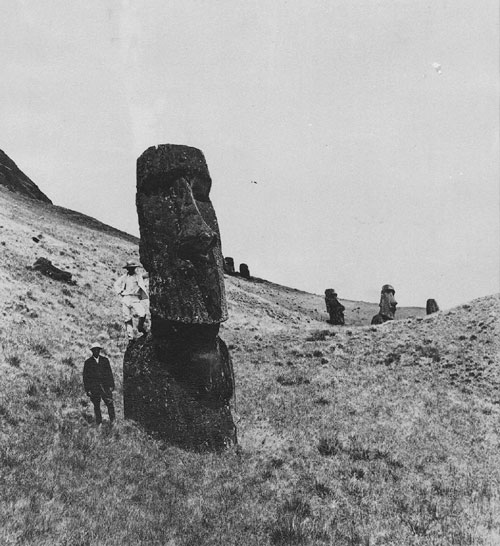
Saint Francis of Assisi Myth Proven true? For more than seven centuries the Friary of Folloni near Montella in Italy has gone to great lengths to protect some small fragments of textile. This is because of a myth claiming the fragments originate from a sack of bread that appeared on the doorstep of the friary in the winter of 1224, a sack allegedly sent from Francis of Assisi and carried to the friary by an angel. Now, an international team of scientists has determined that at least part of this myth is true. C-14 analysis has confirmed that the textile can be dated to between 1220-1295, while there is also evidence that bread had been kept in the sack. “Our studies show that there was probably bread in the sack. We don’t know when, but it seems unlikely that it was after 1732, where the sack fragments were inmured in order to protect them. It is more likely that bread was in contact with the textile in the 300 years before 1732; a period, where the textile was used as altar cloth — or maybe it was indeed on the cold winter’s night in 1224 — it is possible,” said research leader Kaare Lund Rasmussen, a specialist in archaeo-chemical analysis from the University of Southern Denmark, and the leader of the research team. Unfortunately, the researchers have not been able to address the question of how the bread sack ended up at the friary. “This is maybe more a question of belief than science,” said Rasmussen, in a statement. The results of the study have been published in the journal Radiocarbon. New Insights Into How Neanderthals Grew Pioneering research has shed light on how Neanderthals, the closest extinct evolutionary cousins to modern humans, grew. A study led by Antonio Rosas, researcher at the Spanish National Research Council (CSIC), looked at the fossilised remains of an eight-year-old Neanderthal child’s skeleton to establish whether there are any differences in the growth of Neanderthals and Homo sapiens. Published in the journal Science, the study determined that both species do indeed regulate their growth differently. Neanderthals had a greater cranial capacity than modern humans, an intracranial volume of 1,520 cubic centimetres for a Neanderthal adult compared to 1,195 cubic centimetres for a modern human. Tellingly, the intercranial volume of the Neanderthal child had already reached 1,330 cubic centimetres at the time of his death. In other words, it had reached 87.5% of the total by around eight years of age. For a modern human child, the full development of cranial capacity would already have been reached by that age. “Developing a large brain involves significant energy expenditure and, consequently, this hinders the growth of other parts of the body. In sapiens, the development of the brain during childhood has a high energetic cost and, as a result, the development of the rest of the body slows down,” Rosas explained. According to the research, the skeleton and dentition of the young Neanderthal present a physiology which is similar to that of a sapiens of the same age, except for the thorax area, which corresponds to a child between five and six years, in that it is less developed. “The growth of our Neanderthal child was not complete, probably due to energy saving”, explains CSIC researcher Antonio Rosas. It was also determined by the study that the maturation of the Neanderthal child’s vertebral column occurred around two years later than it would in an anatomically modern human. In all hominids, the cartilaginous joints of the middle thoracic vertebrae and the atlas are the last to fuse, but in this Neanderthal, fusion occurred about two years later than in modern humans. “The delay of this fusion in the vertebral column may indicate that Neanderthals had a decoupling of certain aspects in the transition from infancy to the juvenile phase. Although the implications are unknown, this feature could be related to the characteristic enlarged shape of the Neanderthal torso, or slower brain growth”, says Rosas. New Insight into the Size of Rapa Nui’s Population When Europeans first arrived on Rapa Nui (aka Easter Island), they estimated the population to be between 1,500 and 3,000, numbers which seemed strikingly low considering the nine hundred giant stone statues located around the island. Now, a new study hopes to give a new estimation of the population of Rapa Nui, based on the island’s farming potential, and hopefully provide some explanation as to how the spectacular statues could have been built. “Despite its almost complete isolation, the inhabitants of Easter Island created a complicated social structure and these amazing works of art before a dramatic change occurred,” said Dr. Cedric Puleston, lead author of the study, from the Department of Anthropology, University of California, Davis, USA. “We’ve tried to solve one piece of the puzzle – to figure out the maximum population size before it fell. It appears the island could have supported 17,500 people at its peak, which represents the upper end of the range of previous estimates.” He added: “If the population fell from 17,500 to the small number that missionaries counted many years after European contact, it presents a very different picture from the maximum population of 3,000 or less that some have suggested.” Rapa Nui’s history has long been a source of controversy. Much archaeological evidence has suggested that the population had been much higher than the small number encountered by the first Europeans to arrive at the island. What caused this massive population drop-off however, has remained shrouded in mystery, with theories ranging from war to the island’s resources being exhausted through over use. Puleston and colleagues examined the agricultural potential of the island, to calculate how many people the island could have sustained. “We examined detailed maps, took soil samples around the Island, placed weather stations, used population models and estimated sweet potato production. When we had doubts about one of these factors we looked at the range of its potential values to work out different scenarios,” Puleston explained. “The result is a wide range of possible maximum population sizes, but to get the smallest values you have to assume the worst of everything. If we compare our agriculture estimates with other Polynesian Islands, a population of 17,500 people on this size of island is entirely reasonable.” ]]>

Categories
Breaking News

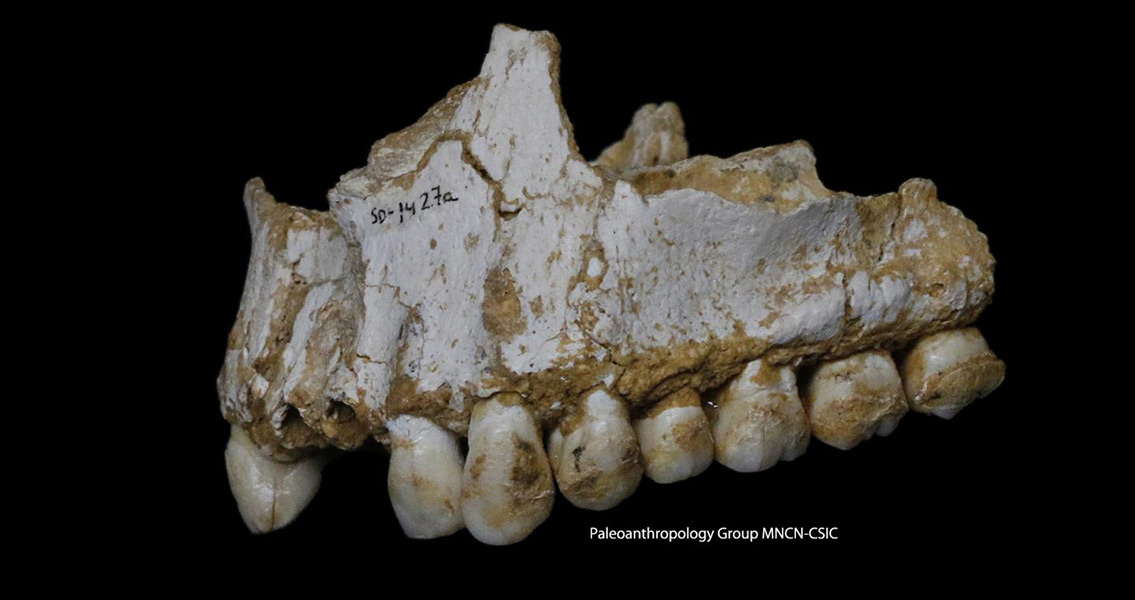
Neanderthals Used Plant-Based Medicine, Says New DNA Study

Nature, can be found here Image courtesy of Paleoanthropology Group MNCN-CSIC]]>