Categories
Breaking News

New Discovery from Egypt’s Old Kingdom

Egypt Independent that the stone wall was dated using the pottery fragments that were embedded in the mortar used to build the wall. Among the fragments were pieces of carinated bowls, fashioned in a style that was typical of the Sixth Dynasty (2278-2184 BCE) reign of King Pepi II. The Old Kingdom is generally regarded as the time period between the Third Dynasty and Sixth Dynasty (2686–2181 BCE) in the third millennium BCE, when Egypt achieved its first ongoing peak of civilization. The three ostensible “Kingdom” periods: the Old, the Middle, and the New Kingdoms, indicate the peaks of civilization within the lower Nile Valley. The Old Kingdom is notable for being a dynamic time for Egyptian art. During this period, sculptors created the earliest known individual portraits as well as the first life-size statues in copper, wood, and stone. Masons and architects mastered the building techniques that were necessary in the construction of monumental stone structures. Additionally, the art of carving precisely detailed reliefs was perfected. Egypt’s Middle Kingdom (also referred to as The Period of Reunification) is the time period between 2050 BCE and 1800 BCE, covering the twelfth and thirteenth dynasties. The New Kingdom, also known as the Egyptian Empire, between the sixteenth century BCE and the eleventh century BCE, covers the eighteenth, nineteenth, and twentieth dynasties. Qubbet el-Hawa is the site of a cemetery containing Rock-cut tombs, located on the west bank of the Nile river, across from the Egyptian city of Aswan. The elite tombs discovered there date primarily to the Old Kingdom and include the well-known tomb of Harkhuf. A member of the research team, Carl Graves is quoted by the Egypt Independent as saying: “The findings are dramatically altering our understanding of the funerary landscape in this area during the Old Kingdom and First Intermediate Period in 2278-2184BC. I don’t think anyone yet knows who the tombs might have belonged to.” The discovery was made as part of the project’s first field season. ]]>

Categories
Breaking News

Neolithic Cochno Stone to be Digitally Resurrected

here Featured image, showing pre-1965 graffiti on the Cochno Stone, is courtesy of University of Glasgow]]>

Categories
Breaking News

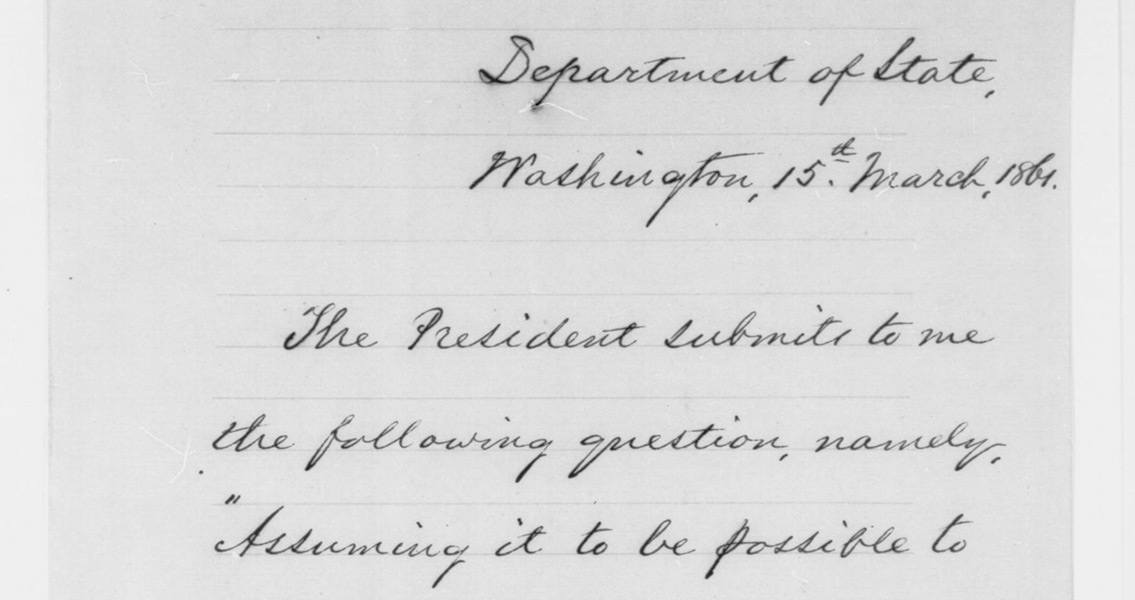
Decoded Civil War Telegrams Offer a Glimpse of Humanity

L.A. Times regarding the cache of documents and 35 leather-bound ledgers related to telegrams that were sent between 1862 and 1867. “We don’t really know what is in here. Every single telegram has a story behind it, from the president to the greatest generals and to the privates and telegraph operators. It’s like putting together a huge jigsaw puzzle.” The telegrams were kept by Thomas T. Eckert: head of the U.S. military telegraph office at the War Department and a Lincoln confidant. The Huntington has begun a Decoding the Civil War crowdsourcing campaign relying on volunteers to unravel secret texts using cipher charts. So far, over 2,100 “citizen archivists” and war buffs around the world have been able to transcribe less than a third of the collection. The project still has an open invitation for volunteers. The telegrams cover the gamut; from heartbreak, sarcasm, warning and conniving to draft riots, downed cables and cotton markets. They also include the latest news from the battlefield, like Lincoln’s venturing that Grant’s forces had “Petersburg completely enveloped” and had captured “about twelve thousand prisoners & fifty guns.” In a telegram about troop movements, Gen. William T. Sherman reflects sorrow: “my eldest boy Willie, my California boy, nine years old died here yesterday of fever and dysentery contracted at Vicksburg. His loss to me is more than words can express.” Some are less serious, like the telegraph sent by J.W. Carver that informs Eckert: “Family matters require my immediate attention at home for a few days. If not attended to at once I am utterly destroyed.” The messages, tapped out by around 1,500 telegraph operators, traveled over approximately 15,000 miles of telegraph lines and revolutionized wartime communications. Eckert, who would go on to become president of Western Union, took the telegram ledgers when he retired in 1867. Until he died in 1910, the documents were left in storage. In 2008 they surfaced and were subsequently sold at auction for $36,600 to a company that specializes in rare books, the William Reese Co. The collection was sold to the Huntington in 2012. “The telegrams were actually considered lost,” Mario Einaudi, who is overseeing the project to digitize the documents on behalf of the Huntington Library, told the L.A. Times, “They’re significant in that what we’re making available to people is raw history. The language comes through so loud and clear that it puts you back on your heels.” ]]>

Categories
Breaking News

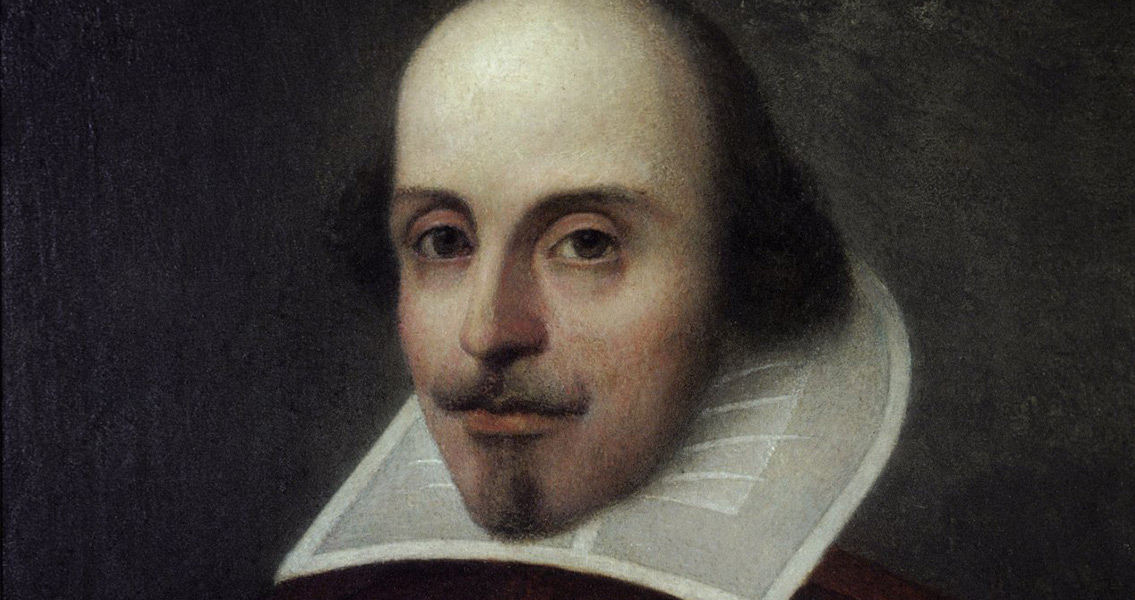
New Project Will Determine If a Rose By Any Name Was Still a Rose

Heritage Daily. “Supported by hundreds of years of scholarly enterprise, Shakespeare is now a global phenomenon. One of the areas we know very little about is what the Elizabethans themselves would have made of Shakespeare’s language. When they heard a word in one of Shakespeare’s plays, what did it mean to them?” As the project moves forward, researchers also hope to learn what made Shakespeare’s writing unique by comparing the language he used to the language used by his contemporaries. An earlier pilot study has provided some hints, as Culpeper explained to Heritage Daily. “Shakespeare seems to love the word ‘I’ as in the pronoun referring to one’s self. It is a little word but an important one. Modern drama is similar to an over-heard conversation – we listen to characters asking questions like ‘What do you think about X?’ and we learn about characters from their answers. But Shakespeare is much more geared to the direct presentation of the self through the word ‘I’”. The project is being funded by the British Arts & Humanities Research Council, and published in two separate volumes. All of the resources used in its creation will be made available to students and scholars. ]]>