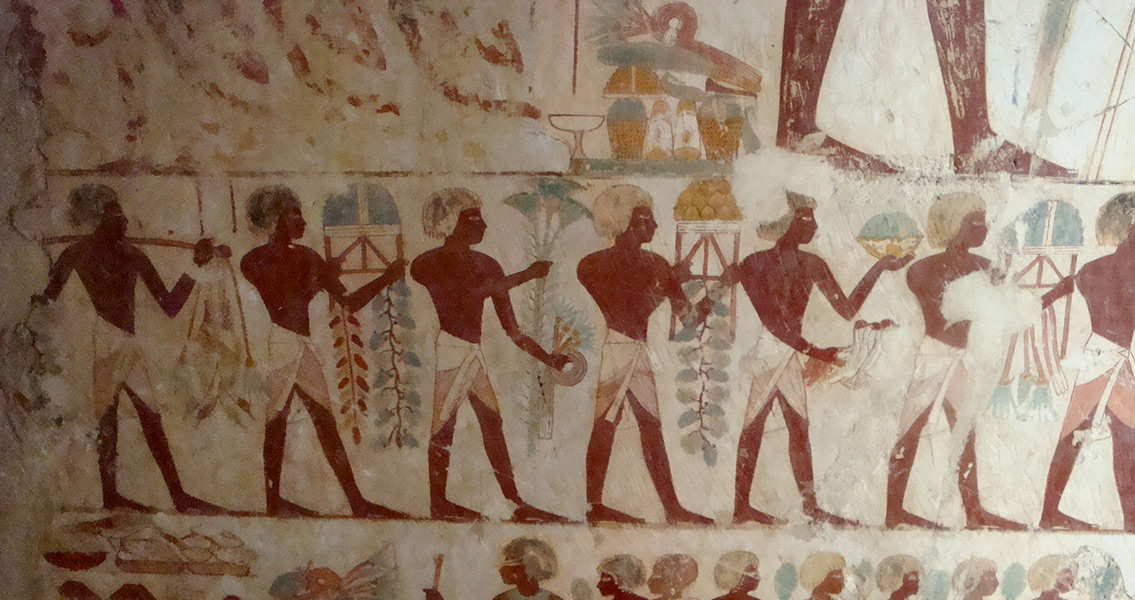
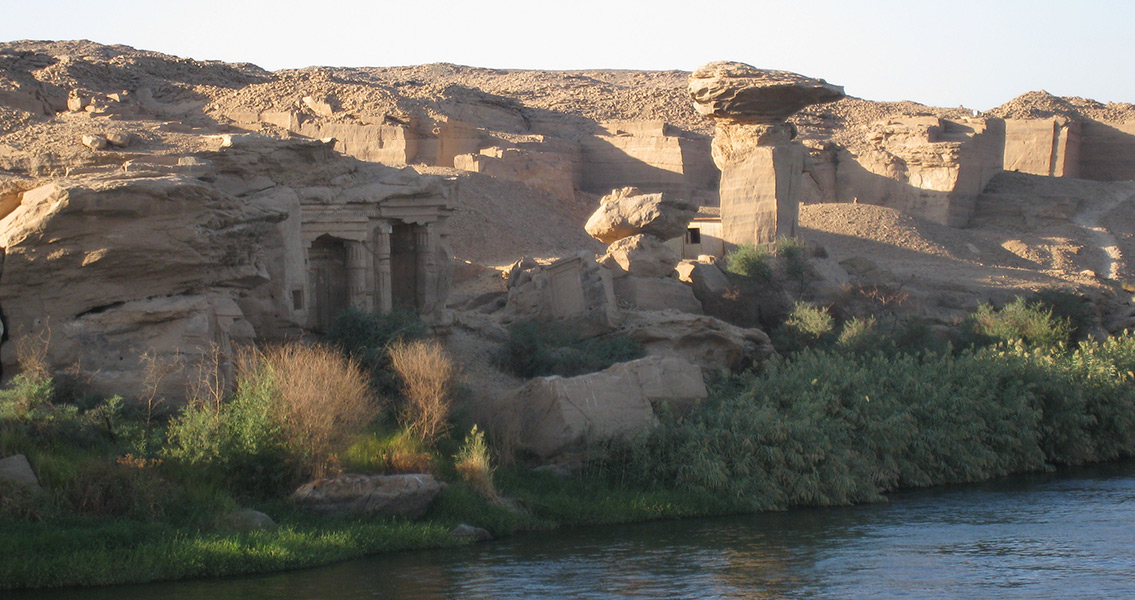
Haaretz, new finds at the Gebel el Silsila necropolis in the form of lavish grave goods show that the individuals buried within were not slaves or menial workers as was first thought. In fact, grave offerings such as crocodiles and cats indicate these individuals, who were likely miners that helped quarry sandstone for construction during the early Eighteenth Dynasty, might have worked hard but were held in high regard. A Swedish archaeology expedition, spearheaded by John Ward and Maria Nilsson, excavated and studied a dozen new tombs, a trio of crypts, and an additional crypt with multiple animal burials, all dating to circa 1543 BCE to 1292 BCE. The discovery of previously-untouched tombs at Silsila – which would have been called Kheny during the Eighteenth Dynasty – has yielded in excess of 55 tombs. Each of these tombs has between 10 to 15 burials, but the majority of these burials have been long-since looted – though the new discoveries show little signs of ancient plundering. The remains of more than 80 people have been recovered so far, according to Nilsson, who said that there were not just men but women and children interred in these tombs. Based on telltale signs of wear on a portion of the skeletal remains, the researcher feels that it’s a good guess that these individuals would have been quarrymen and perhaps their families. Many of these individuals were buried with grave goods in the form of personal belongings. Some were laid to rest with amulets designed to provide protection for the soul’s journey to the world beyond. Such burial goods were expensive, clearly showing these individuals were of a higher social status than conscripted workers or simple slaves, according to Nilsson. More signs indicating the relative wealth and affluence of these ancient Egyptians can be found in the beautiful craftsmanship of the rest of the jewelry that was buried with them. Pendants, scarabs, amulets and earrings found in the tombs show high levels of expertise, indicating that those who worked ancient Egypt’s quarries might have been regarded with high levels of deference – though the researcher was quick to say that there would have to be further study and analysis before this could be concluded categorically. The site is also noteworthy for the high number of animal burials, many of which show signs of being sacrificed prior to being interred. In one instance, a single crypt contained approximately a dozen goats and sheep that look as if they were purposely sacrificed, judging by visible head trauma. Additional remains, which include a pair of crocodiles, a cat and a pair of Nile perch were also included in these animal burials. One of the crocodiles was found outside a tomb, which may indicate that it had expired there after one of the Nile’s many floods. Again, more analysis will be necessary to make final determinations. ]]>
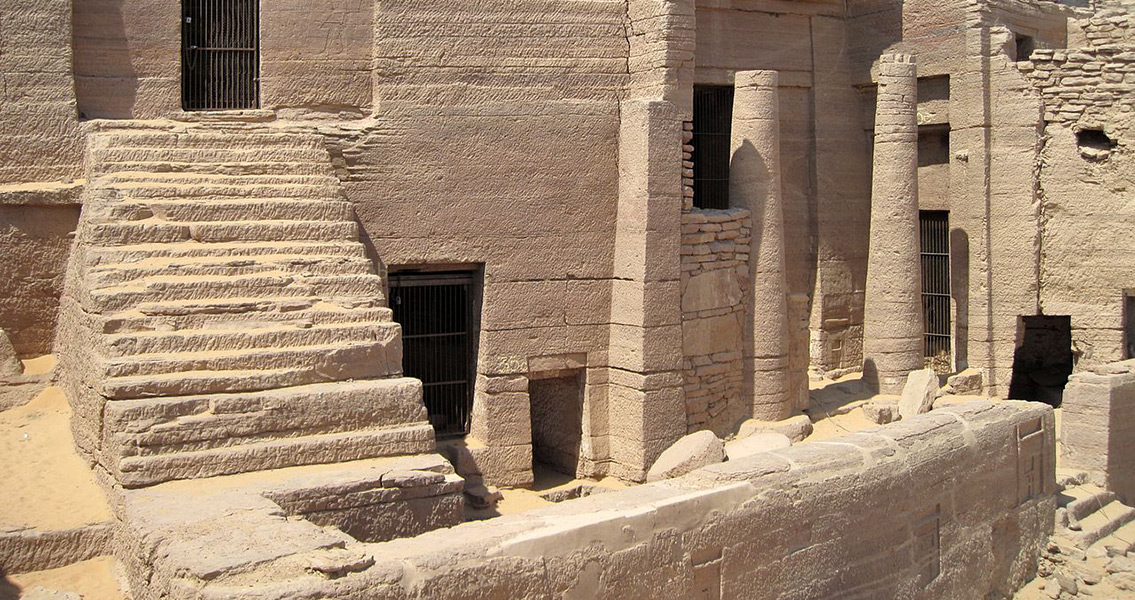
Egypt Independent that the stone wall was dated using the pottery fragments that were embedded in the mortar used to build the wall. Among the fragments were pieces of carinated bowls, fashioned in a style that was typical of the Sixth Dynasty (2278-2184 BCE) reign of King Pepi II. The Old Kingdom is generally regarded as the time period between the Third Dynasty and Sixth Dynasty (2686–2181 BCE) in the third millennium BCE, when Egypt achieved its first ongoing peak of civilization. The three ostensible “Kingdom” periods: the Old, the Middle, and the New Kingdoms, indicate the peaks of civilization within the lower Nile Valley. The Old Kingdom is notable for being a dynamic time for Egyptian art. During this period, sculptors created the earliest known individual portraits as well as the first life-size statues in copper, wood, and stone. Masons and architects mastered the building techniques that were necessary in the construction of monumental stone structures. Additionally, the art of carving precisely detailed reliefs was perfected. Egypt’s Middle Kingdom (also referred to as The Period of Reunification) is the time period between 2050 BCE and 1800 BCE, covering the twelfth and thirteenth dynasties. The New Kingdom, also known as the Egyptian Empire, between the sixteenth century BCE and the eleventh century BCE, covers the eighteenth, nineteenth, and twentieth dynasties. Qubbet el-Hawa is the site of a cemetery containing Rock-cut tombs, located on the west bank of the Nile river, across from the Egyptian city of Aswan. The elite tombs discovered there date primarily to the Old Kingdom and include the well-known tomb of Harkhuf. A member of the research team, Carl Graves is quoted by the Egypt Independent as saying: “The findings are dramatically altering our understanding of the funerary landscape in this area during the Old Kingdom and First Intermediate Period in 2278-2184BC. I don’t think anyone yet knows who the tombs might have belonged to.” The discovery was made as part of the project’s first field season. ]]>

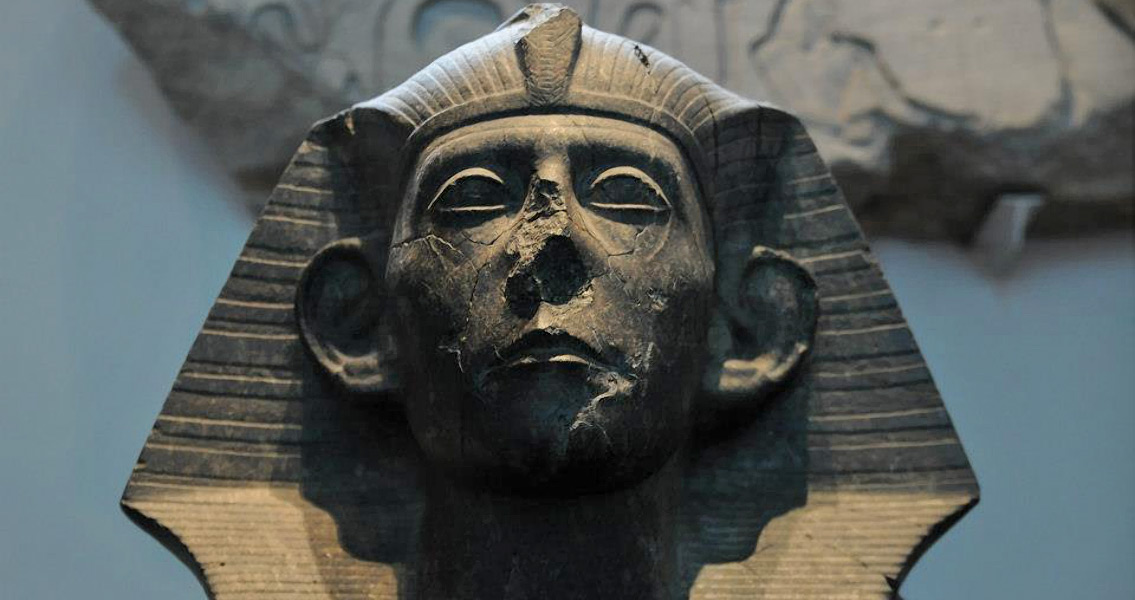
International Journal of Nautical Archaeology (IJNA). Wegner adds that: “some images are small and simple, the smallest reaching only about 4 inches (10 centimeters) in length.” 120 boat images have survived, but it’s believed that there would have been more etched onto the walls of the building in ancient times. Additionally, the tableau contains etchings of cattle, gazelle and flowers. Near the building’s entrance, which measures 68 feet by 13 feet (21 meters by 4 meters), archaeologists found over 145 pottery vessels, a majority of which were buried with their necks facing the building’s entrance way. “The vessels are necked, liquid-storage jars, usually termed ‘beer jars’ although probably used for storage and transport of a variety of liquids”, writes Wegner in IJNA. The building was first documented in a 1904 report by an archeological team working at Abydos from 1901 to 1903. The team, however, didn’t have time for excavations at the building site and had no idea what it contained. The discoveries have left archaeologists with a number of mysteries they’re hopeful future excavations will help solve. For example, the creators of the tableau remain unknown, as does the reason for its creation. It’s possible that whoever built the boat also drew the tableau, or that a group of people participating in a funerary ceremony following pharaoh Senwosret III’s death drew the images on the walls of the building. Another possibility is that people accessed the building after the pharaoh’s death and created the etchings. Archaeologists have determined a group of individuals did enter the building sometime after the pharaoh died and salvaged the boat in order to reuse the planks. Also puzzling to archeologists is the purpose of the pottery vessels discovered by the building’s entrance. It’s possible that liquid from the vessels was spilt on the ground purposefully to imitate the boat “floating” into place. It’s also possible the wooden boat had been moved across the desert on a wooden sledge. The liquid in the vessels would then have been used to solidify and lubricate the ground along the path of the boat. Wegner says in IJNA “the ceramic vessels used in this journey may themselves have taken on a ritual significance, and both boat and jars were then buried together as ceremonial interment of objects associated with royal mortuary rites.” Excavations by the team are planned in the future, in collaboration with Egypt’s Ministry of State for Antiquities. ]]>