Categories
Breaking News

Bronze Age Ruins Discovered in Qormi, Malta

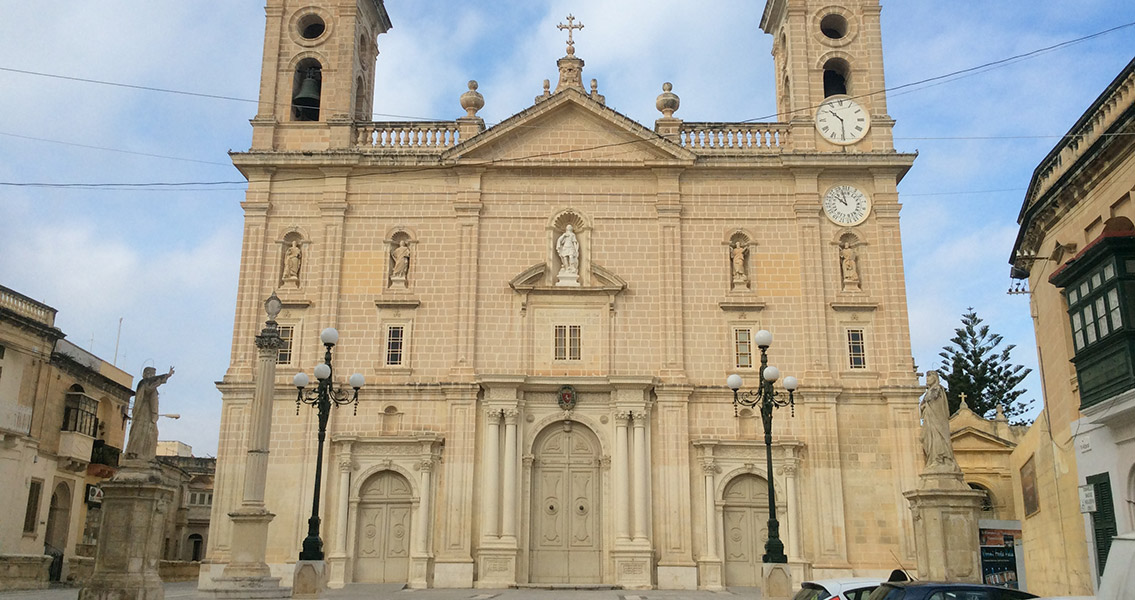
Times of Malta news website, a MEPA spokesman remarked that there were several conditions when it came to the approval for the planning application, one of which was the requirement to consult Malta’s Superintendence of Cultural Heritage both during the planning application submission process and prior to its submission as well. As a result, the Maltese cultural heritage watchdog decided to undertake a thorough archaeological survey across the entirety of the proposed development’s footprint. The evaluation of the site on an archaeological level, as well as the analysis of what has been found already, are still ongoing and will continue to halt construction until the governmental office is satisfied there is no risk of loss or destruction of cultural artifacts. According to an interview with Superintendent Anthony Pace, reported in the Times of Malta, the region was subject to heavy transformation during the Crusades, particularly when it came to the primacy of the Order of St. John – better known as the Knights Hospitaller, a Catholic military organization that was originally conceived as an order that would tend to the wounded and weary. Soon, the chivalric order began to provide armed escort for pilgrims traveling to and from Jerusalem as well. Founded in circa 1099 and still existing in certain forms to this day, the Order of St. John found a home in Malta in the early sixteenth century when King Charles I of Spain – acting in his capacity as King of Sicily – granted them the island in 1530. Pace remarked that at the time of this transformation, this region of Qormi was turned into field terraces through extensive quarrying, cutting through and even damaging a number of archaeological remains from even older periods. The remains discovered in the survey so far include examples of cart ruts left behind from the Bronze Age. Masonry remains, in particular the remains of a Roman-era rock-cut tomb, were also discovered during the archaeological survey. In addition, a stone cistern and well were among the archaeological finds. Once the Superintendence of Cultural Heritage completes its assessment, it will issue recommendations as how to preserve the newly-discovered remains for future study. Image courtesy of Wikimedia Commons user: Continentaleurope ]]>
Categories
News

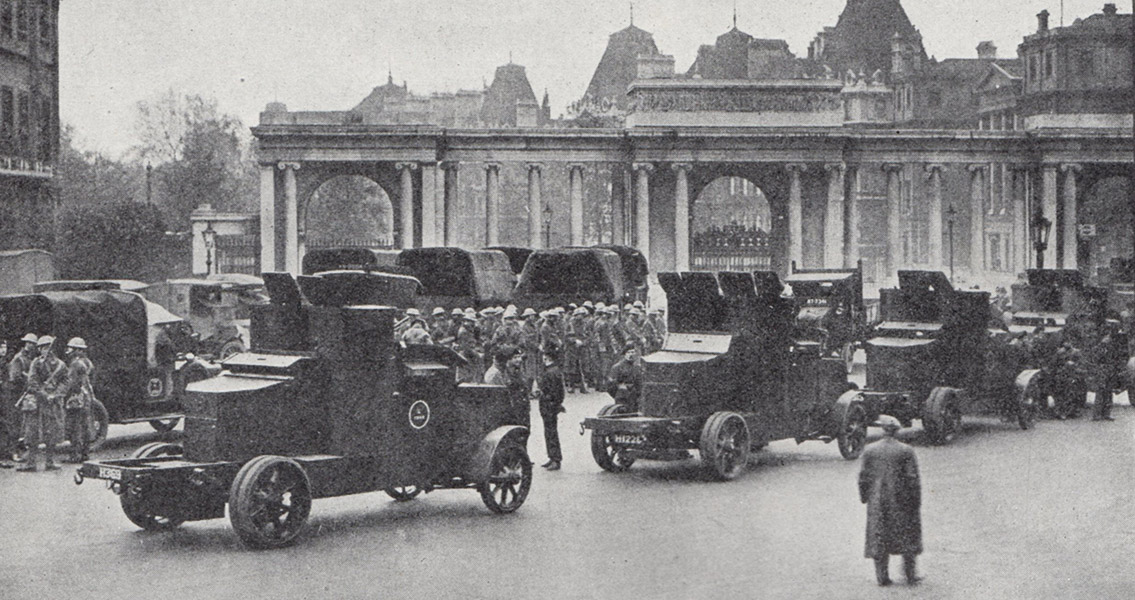
Ninetieth Anniversary of the General Strike in the UK

Categories
Breaking News

Infant Titanosaur Fossil Reveals Early Dinosaur Life

Science, can be found here Image courtesy of Kristi Curry Rogers]]>

Categories
Breaking News

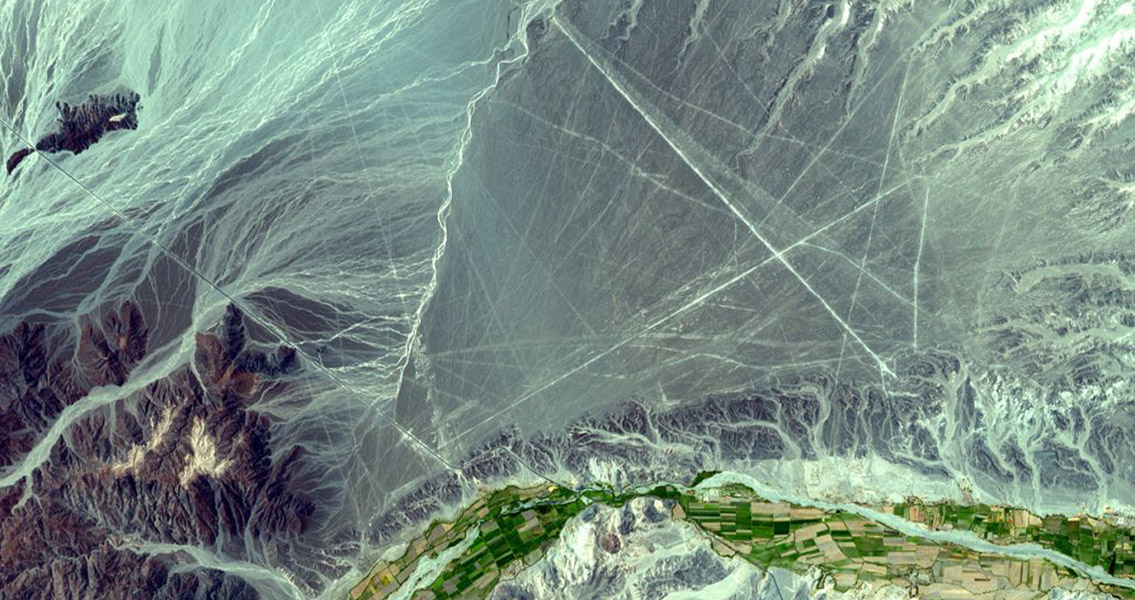
Discovery of New Geoglyph Keeps the Nazca Lines from Fading

Categories
News

Ultimate Renaissance Man Da Vinci Passes Way

Categories
Breaking News

Details Emerge from Cold War-Era Nuclear Shipwreck

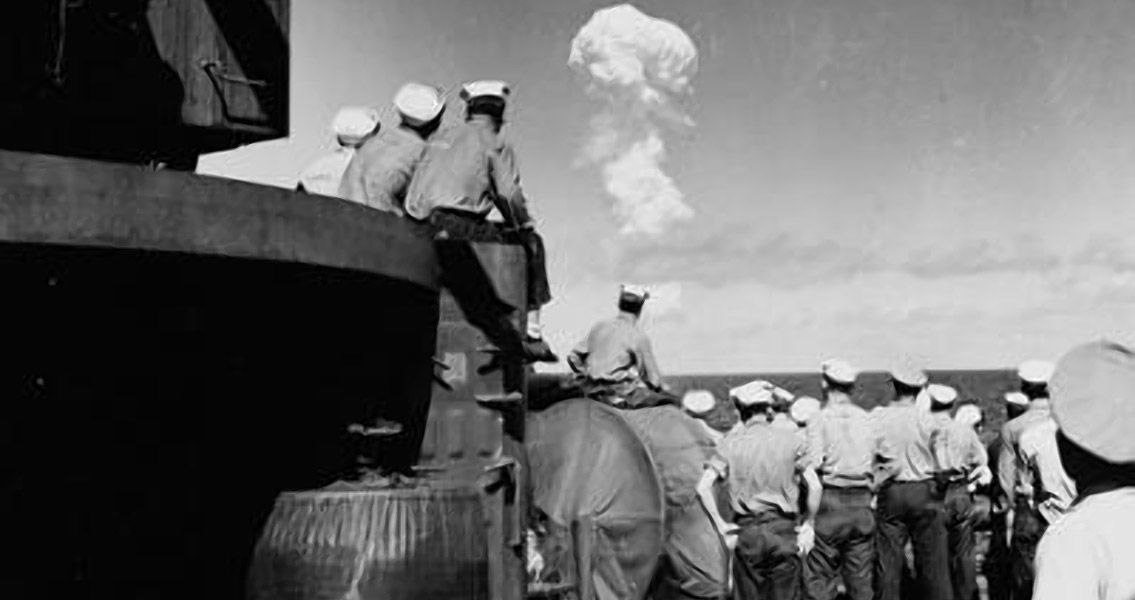
Independence, a US Navy vessel deliberately sacrificed in 1946 at the Bikini Atoll nuclear weapons tests at the very inception of the Cold War. The Independence, which was used by the Navy as a nuclear test platform for five years, eventually met its end when it was purposefully scuttled around 30 miles off the coast of central California. The location, long kept secret to prevent the Soviet Union from gleaning any information that would aid in their own endeavors to develop bigger and more devastating nuclear weapons, was pinpointed in 2015 through a joint effort between aeronautics giant Boeing, and the Offices of National Marine Sanctuaries and Ocean Exploration from the US National Oceanic and Atmospheric Administration (NOAA). NOAA and Boeing used a combination of high-resolution sonar imaging and an unmanned submersible known as “Echo Ranger” to locate and safely survey the still-irradiated wreck of the Independence. The resultant case study, plus newly declassified files on the Navy ship straight from the US National Archives, concerning its time as a nuclear weapons testbed, have been published in the Journal of Maritime Archaeology (JNA). In a press release from journal publisher Springer, one of JMA’s editors-in-chief, Annalies Corbin, remarked that the journal was honored to be presenting such historically significant information on Cold War archaeological efforts. Corbin hopes the newly-published material will launch new conversations on the management of maritime underwater cultural heritage sites such as the final resting place of the USS Independence. The lead scientist of the Independence mission and NOAA’s Director of Maritime Heritage for its Office of National Marine Sanctuaries, James Delgado, was also quoted by the press release, stating that merging documentary evidence with a study of the physical remains of a maritime archaeological site is a goal that can and should be pursued. Delgado not only co-authored the main report appearing in the newest issue of JNA, but also penned an article on the many different vessels that survived the initial weapons test at Bikini Atoll but were not sunk there. Corbin, who edited the issue, also ensured that additional essays and articles from experts in the field of marine archaeology and Cold War archaeology were included. Other authors include Robert E. Neyland, head of the Underwater Archaeology Branch of the US Navy, and Todd Hanseon, the Los Alamos National Laboratory’s Chief Historian and Archaeologist. The infamous tests at Bikini Atoll, The Bikini tests, conceived and undertaken just one year after dropping not one but two nuclear weapons on Japan, at Hiroshima and Nagasaki, to end the Second World War, was one of the most visible and noteworthy events to signal a fundamental shift in postwar history. In one of the newly-declassified reports dating from the era, it was suggested that the awesome power of nuclear weaponry represented a new era where the utter destruction of man had become possible, scouring the Earth of nothing but vestigial traces of humanity. The newest issue of JMA is available at www.springer.com Image courtesy of Naval History and Heritage Command]]>

Categories
Breaking News

Ancient Terraforming: Mound Key, A Calusa City Built on Shells

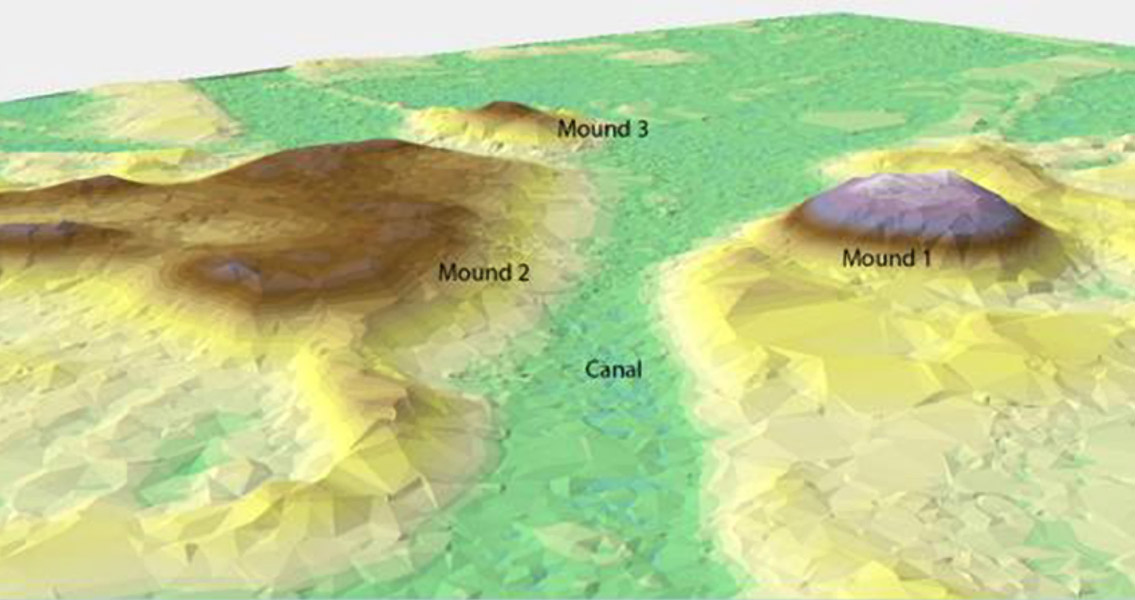
PLOS ONE. A pre-Hispanic polity with a population as high as 50,000 at its peak, the Calusa Kingdom controlled much of what is now South Florida prior to the arrival of Christopher Columbus. Revealing the sophistication of pre-Columbian societies in the Americas, the Calusa were building their own water bound settlements centuries before such practices were adopted in the form of artificial islands in China and Dubai. These islands were created from shells piled into massive heaps, sometimes as high as nine metres above sea level. One of the largest and most well known of these sea borne settlements is Mound Key, situated in what is now Estero Bay, close to Fort Myers Beach in Florida. When Columbus reached the New World in the fifteenth century, Mound Key was serving as the capital of the Calusa kingdom. Thompson’s team used a combination of systematic coring of the shell deposits, excavations, and intensive radiocarbon dating to study the development of the anthropogenic island. Their findings have afforded unprecedented insight into the island’s creation, inhabitation and development. “This study shows peoples’ adaptation to the coastal waters of Florida, that they were able to do it in such a way that supported a large population,” said Thompson, in an interview with the University of Georgia. “The Calusa were an incredibly complex group of fisher-gatherer-hunters who had an ability to engineer landscapes. Basically, they were terraforming.” Heaps of shells, bones and other discarded objects, known as midden, were used in the construction of the island. One of the most remarkable discoveries by Thomspon’s team is that this midden wasn’t in fact uniform from top to bottom. One would assume that the midden would be piled up with the oldest material buried at the base, and the newest closest to the top, but radiocarbon dating proved this was not the case. In many instances older shells and charcoal fragments were found above younger ones. Thompson and his team believe this shows that the midden was being reworked and reshaped, moved around to create new landforms for a variety of different purposes. “You’re talking hundreds of millions of shells. … Once they’ve amassed a significant amount of deposits, then they rework them. They reshape them.” The authors hypothesise in the study that this unexpected distribution of the midden can be explained by the island’s abandonment and then reoccupation. During periods of cooler temperatures, when fish were scarce, it seems the Calusa abandoned the island, only returning when the climate warmed and fishing became productive once again. This second period of occupation saw a host of large scale labour projects initiated, giving the island the shape it has today. A major conclusion from Thompson et al.’s study is that Calusa culture was far more complicated than traditionally believed, and in need of further study and reassessment. In particular, the team have gained insight into just how creative this society which the Spanish characterised as ‘war like’ really was. The Calusa had sophisticated methods to deal with environmental changes and fishing surpluses, to sustain their civilisation. “Our research there over more than 25 years has provided an understanding of how the Calusa responded to environmental changes such as sea-level rises.” Thompson said in the interview. “They lived on top of high midden-mounds, engineered canals and water storage facilities, and traded widely while developing a complex and artistic society. It takes a team of scientists with different skills working together to discover how all this worked.” The team have only scratched the surface of this fascinating culture, and are returning to the site in May to undertake even more research at Mound Key. “There’s a whole story that goes along with this site. It’s a laboratory that allows us to explore many different things, some of which are important to the present and the future and some of which are important to understanding the past.” said Thompson. For more information: www.plos.org Image courtesy of Victor Thompson/University of Georgia]]>