PLOS ONE, can be found online here Image courtesy of Tel Aviv University.]]>

PLOS ONE, can be found online here Image courtesy of Tel Aviv University.]]>

Raphus cucullatus, better known as the dodo, had a brain that was rather large for its size. The closest relative of the dodo, the simple and ubiquitous pigeon, has a brain-body size ratio roughly equivalent to that of its extinct cousin; pigeons can of course be trained, something that requires a modicum of intelligence. Dodos earned the reputation for being particularly dim thanks to the circumstances surrounding their extinction. The large-sized flightless bird was native to Mauritius, an island in the Indian Ocean, and was found there when sailors discovered the island at the end of the sixteenth century. With the birds having never encountered humanity before, they had no reason to fear the sailors that would coax them onto boats to be used as a source of fresh meat; by 1662 the last dodo had disappeared from the island. Invasive species introduced to Mauritius also contributed to the dodo’s decline and extinction, according to Stony Brook University’s Eugenia Gold, the lead author of the new research paper. In an interview with Heritage Daily, Gold recounted how she approached London’s Natural History Museum in her endeavor to learn more about the curious bird. The museum had a well-preserved dodo skull in its collection and permitted the researcher to scan it using high-resolution computed tomography (CT). Gold then compared the image to those she made of the skulls of several different pigeon species at the Microscopy and Imaging Facility at the American Museum of Natural History. Gold’s results were startling. She found that the size of the dodo’s skull, and therefore its brain, in relation to the rest of its body, was “right on the line” compared to the pigeon examples she scanned herself and those provided by collaborators from the National Museum of Scotland and the Natural History Museum of Denmark. While the researcher was quick to say that there’s more to relative intelligence than simple brain size, the results provide a basic measurement tool, one that may help dispel the myth that the dodo was an exceedingly stupid example of a bird. The research also unearthed an insight in the morphology of the dodo by revealing the bird had a much larger olfactory bulb than most bird species. Most birds have highly developed optic lobes, showing a preference for visual acuity over the ability to process smells, but as the dodo was flightless, Gold and her co-authors have made the suggestion that the species relied on scent to help it hunt and scavenge for food sources on the ground. While the diet of the dodo is still an unsolved mystery, it’s likely it would have fed on shellfish and other marine animals, smaller land vertebrates, and even fruit from trees on the island. As a final mystery, the semicircular canal of the dodo – the region of the bird’s ear where it would have derived its sense of balance – incorporated a curvature described by the researchers as “unusual”. There are currently no viable theories as to this atypical biological construction. Gold’s research, published in the Zoological Journal of the Linnean Society, can be found online here]]>

here.]]>

http://journals.plos.org/plosone/article?id=10.1371/journal.pone.0148583]]>

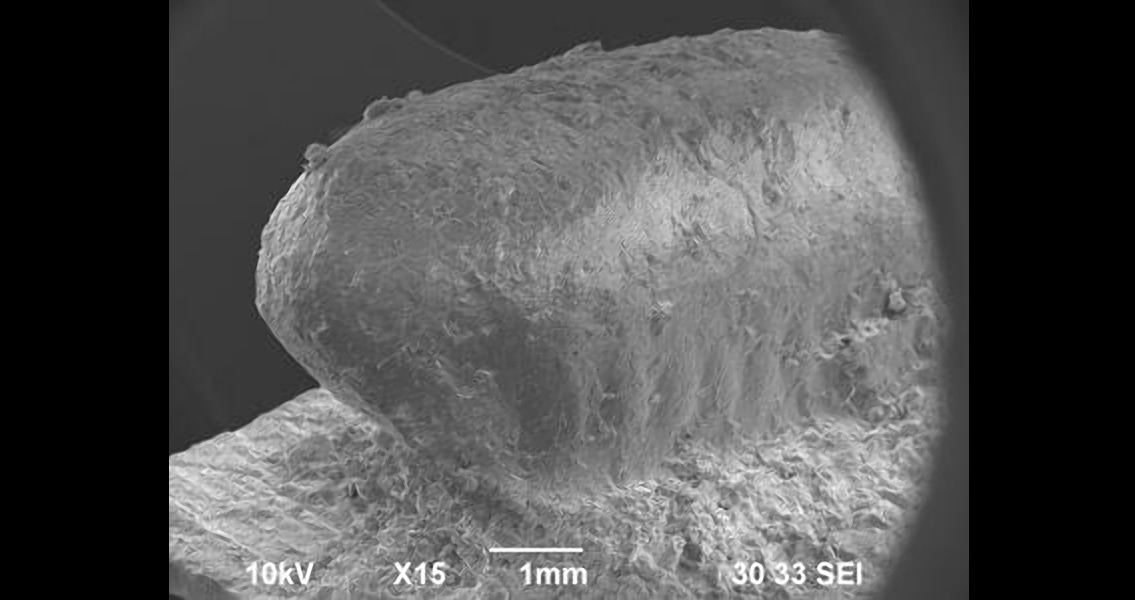
P. fulginosa is depicted in Japanese artwork and literature from the Edo Period of the eighteenth century. Previously, the cockroach species was considered a domestic one from the Edo Period forward based on Japanese cultural evidence, but with these potsherds dating back to at least 4,000 years in the past, it now seems certain that P. fulginosa has been present in Japan for much longer than originally thought. This isn’t the first time Obata and his team has made an insect-based discovery by examining the impressions left behind on ancient Japanese pottery. In a similar study conducted in the same region as this latest one, the archaeologist discovered nearly 175 impressions left behind by the maize weevil, a pest that fed on chestnuts, acorns, or other stored food materials high in starch. Between the maize weevil discovery and this most recent one, Obata says that the humans in the region were likely living relatively settled lives that required them to stockpile food in the longer term. Image courtesy of Prof. Hiroki Obata]]>


revelations about Bronze Age life in the UK for several months now. The level of preservation of the artifacts and dwellings of the settlement, which was arranged on stilts and jutted over what was a large river at the time, has prompted researchers to nickname the site “Britain’s Pompeii.” The newest find continues in this trend of remarkable preservation. The wooden wheel found by archaeologists near one of the largest of the roundhouse dwellings at Must Farm dates to anywhere between 1,100 BCE to 800 BCE, is around three feet in diameter, and still contains its hub. Cambridge Archaeological Unit’s David Gibson, the leader of the dig, said to the BBC that the discovery of the wheel shows how the river settlement was linked closely to the dry land beyond. Historic England’s chief executive, Duncan Wilson, also commented on the unprecedented discovery, remarking that both its completeness and size is highly noteworthy, as it marks the earliest complete wheel of its kind – nearly miraculous considering how fragile the wheel is. Wilson added that the mere fact of the wheel’s existence provides additional information that helps historians to understand the technology used during the Late Bronze Age and what the lives of people living during that time would have been like. The new find is indicative of the unique quality of the quarry site, according to Gibson. At least two roundhouses were discovered earlier in 2016, with the possibility of a third such dwelling having been constructed for the settlement as well. All of the buildings have been dated to between 1,000 BCE and 800 BCE, with the wooden timbers having fallen into the river after a fire ravaged Must Farm; thanks to the silt of the riverbed, the remains of the buildings survived to be found some 3,000 years later. The fact that a large wooden wheel was found in the ruins of what had once been a settlement built on stilts over a large, rushing river does raise several questions among researchers. Chris Wakefield, an archaeologist working on the site, told the BBC that along with the partial skeletal remains of a horse found in early January, the wheel could indicate the presence of a horse-drawn cart, but it’s still much too early to be able to draw any conclusive connections between one and the other. Horses were highly uncommon in the Bronze Age, Wakefield added, which complicates matters even further; the archaeologist said it could be several years before sample data analysis of the Must Farm finds are complete. More information and images of the wheel are available from Historic England Image courtesy of Jorge Royan]]>

here ]]>

here Image courtesy of Santa Fe Institute]]>