Categories
Breaking News

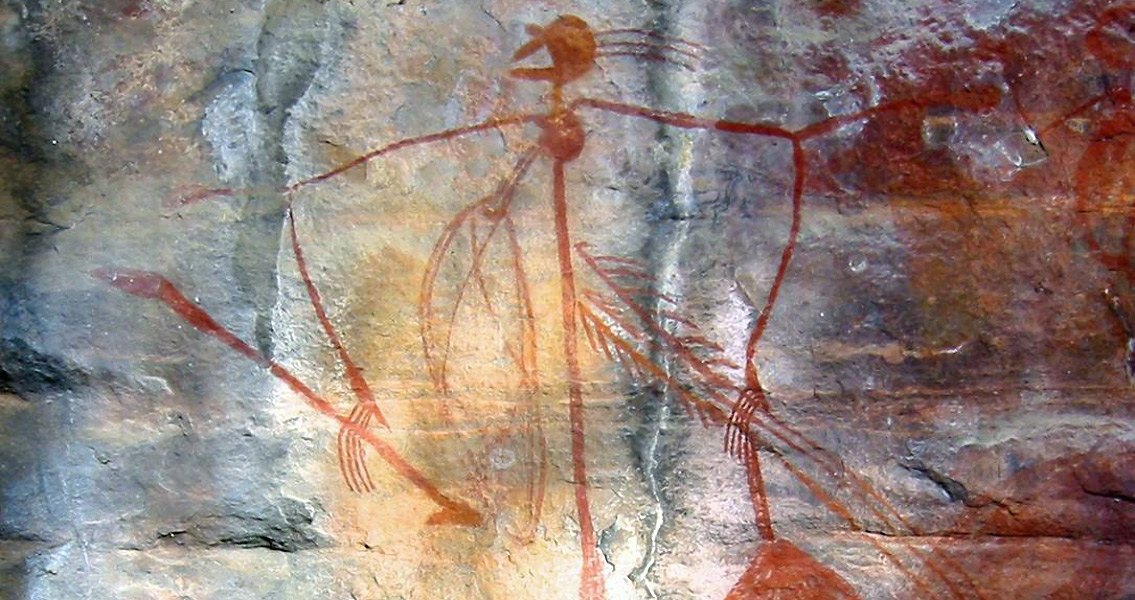
New Study Traces Aboriginal Ancestry Back 50,000 Years

Popular Archeology, adding, “This is unlike people anywhere else in the world and provides compelling support for the remarkable Aboriginal cultural connection to country. We’re hoping this project leads to a rewriting of Australia’s history texts to include detailed Aboriginal history and what it means to have been on their land for 50,000 years – that’s around 10 times as long as all of the European history we’re commonly taught.” This research is the first phase of a 10-year project intended to allow people to trace their Aboriginal heritage and regional ancestry in order to construct a family genealogical history. Additionally, it will also help with the return of Aboriginal artifacts. “Aboriginal people have always known that we have been on our land since the start of our time,” said Mr. Lewis O’Brien, a Kaurna Elder who was among the original hair donors and is a member of the study’s advisory group. “But it is important to have science show that to the rest of the world. This is an exciting project and we hope it will help assist those of our people from the Stolen Generation and others to reunite with their families.” The research will be further extended to study paternal Aboriginal lineages and obtain additional information in the nuclear genome. Team member Dr. Ray Tobler, a postdoctoral researcher who has an Aboriginal heritage from his father’s side, was granted an Australian Research Council (ARC) Indigenous Discovery Fellowship to continue the AHP research, and investigate how the longevity of the Aboriginal populations in various habitats in different regions of Australia has helped form the amazing physical diversity found in today’s Aboriginal Australians. The research findings have been published in the journal Nature. ]]>
Categories
Breaking News

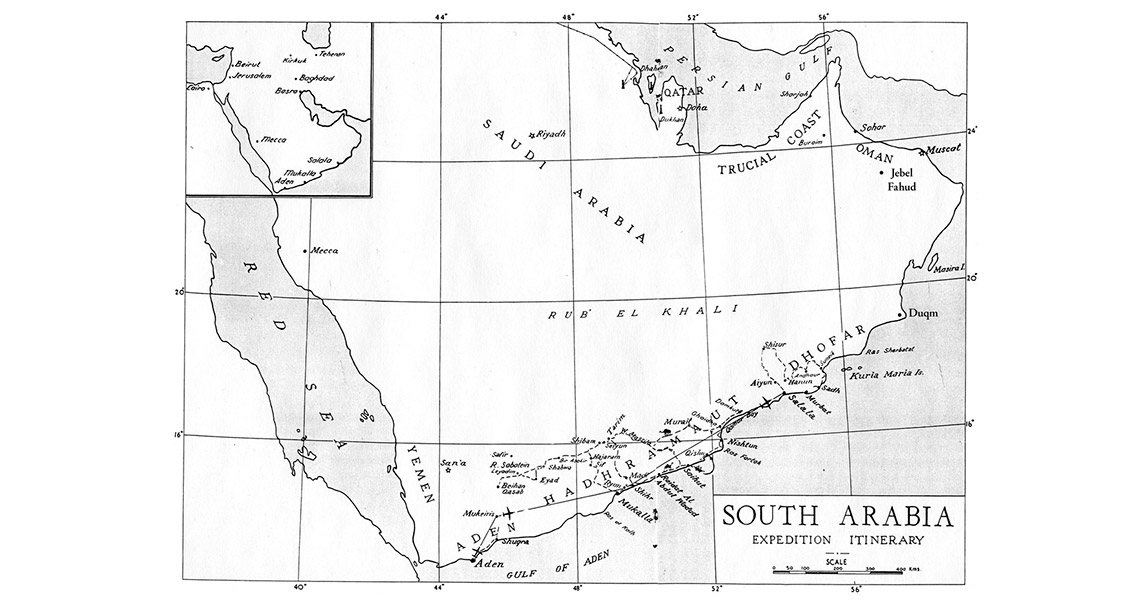
Southern Arabia Inhabited Much Earlier Than Thought

Scientific Reports, the new study argues that in fact humans made their way to Arabia soon after the last Ice Age had receded. The researchers at the University of Huddersfield, who specialise in the analysis of human DNA, have based their conclusion on the study of a rare mitochondrial DNA lineage known as R0a. The haplogroup appears most frequently in Arabia and the Horn of Africa, but can also be found elsewhere. Genetic material from the parts of a cell responsible for converting food into usable energy, mitochondrial DNA is passed on maternally. It can provide vital insights into human migration thousands of years ago. Dr Francesca Gandini, the lead author, and her co-researchers from the University of Huddersfield have come to the conclusion that the R0a lineage is actually significantly more ancient than previously thought, with a deep presence in Arabia. Indeed, they believe it can be traced all the way back to the Pleistocene. These surprising results, according to Gandini and colleagues’ article, could be explained by the existence of an oasis or refuge in the region which allowed people to shelter from the inhospitable conditions of the Ice Age. 20,000 years ago much of the Earth was completely uninhabitable to humans as a result of plummeting temperatures in a period known as the Last Glacial Maximum. The only way they survived were in refugia where groups could cluster together and pool resources. The University of Huddersfield research argues that one such refuge could have existed somewhere in Southern Arabia, possibly close to what are now the Red Sea Plains. Earlier studies suggest the R0a haplogroup migrated to Southern Arabia from the Near East following the Ice Age, but Gandini et al’s work adds to a growing body of evidence that this was not the case. “…multiple lines of evidence suggest that the major R0a subclades had entered Arabia and begun diversifying before the Last Glacial Maximum.” they write in the study. “This is in accord with evidence from rock art in Northern Arabia that the Neolithic pastoral economy was adopted by hunter–gatherers, rather than introduced by dispersing agriculturalists from the Near East.” Significantly, there is little archaeological evidence for a human population surviving in Southern Arabia through the Lower Glacial Maximum. This, the team hypothesize, points to an as yet an unknown refuge somewhere in Arabia. Using the same mitochondrial data, the authors of the article also describe the dispersal during the post-glacial period around 11,000 years ago, of humans from Southern Arabia into East Africa. Moreover, as well as suggesting the potential migration of the R0a haplogroup through the Middle East and into Europe, the study raises the possibility that a prehistoric trading network could have existed in the region that covers modern day Pakistan, India and Iran. For more information: www.nature.com]]>

Categories
Breaking News

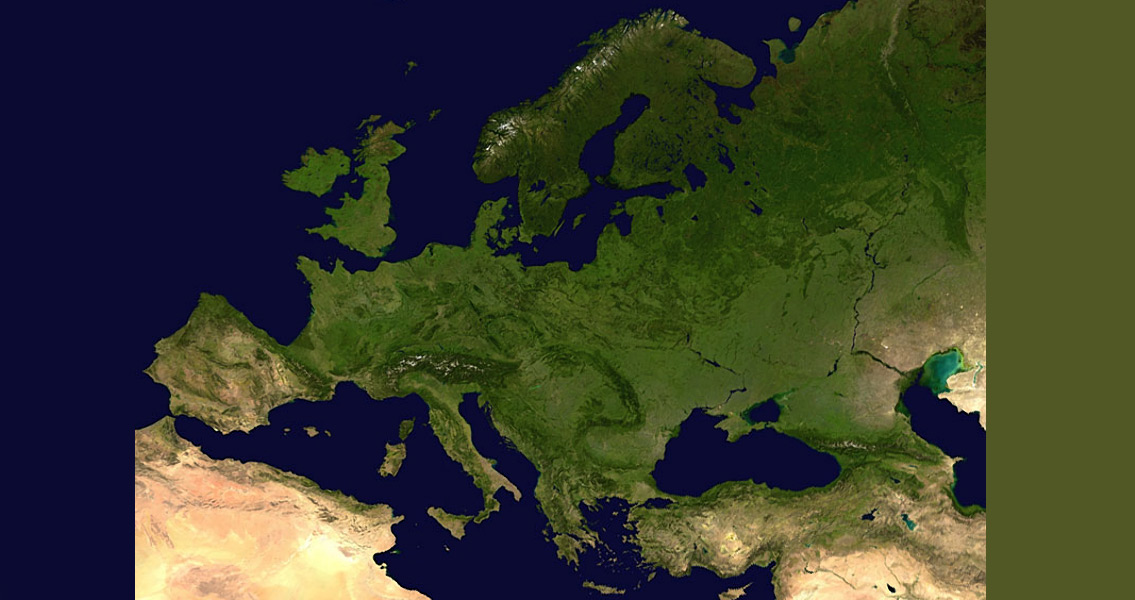
DNA Offers Insights into European Hunter Gatherers

Categories
Breaking News

Child Mummy Is One of Few in the C1Bi Group