Categories
Breaking News

New Study Traces Aboriginal Ancestry Back 50,000 Years

Popular Archeology, adding, “This is unlike people anywhere else in the world and provides compelling support for the remarkable Aboriginal cultural connection to country. We’re hoping this project leads to a rewriting of Australia’s history texts to include detailed Aboriginal history and what it means to have been on their land for 50,000 years – that’s around 10 times as long as all of the European history we’re commonly taught.” This research is the first phase of a 10-year project intended to allow people to trace their Aboriginal heritage and regional ancestry in order to construct a family genealogical history. Additionally, it will also help with the return of Aboriginal artifacts. “Aboriginal people have always known that we have been on our land since the start of our time,” said Mr. Lewis O’Brien, a Kaurna Elder who was among the original hair donors and is a member of the study’s advisory group. “But it is important to have science show that to the rest of the world. This is an exciting project and we hope it will help assist those of our people from the Stolen Generation and others to reunite with their families.” The research will be further extended to study paternal Aboriginal lineages and obtain additional information in the nuclear genome. Team member Dr. Ray Tobler, a postdoctoral researcher who has an Aboriginal heritage from his father’s side, was granted an Australian Research Council (ARC) Indigenous Discovery Fellowship to continue the AHP research, and investigate how the longevity of the Aboriginal populations in various habitats in different regions of Australia has helped form the amazing physical diversity found in today’s Aboriginal Australians. The research findings have been published in the journal Nature. ]]>

Categories
Breaking News

New Research Reveals Australian Megafauna Coexisted with People

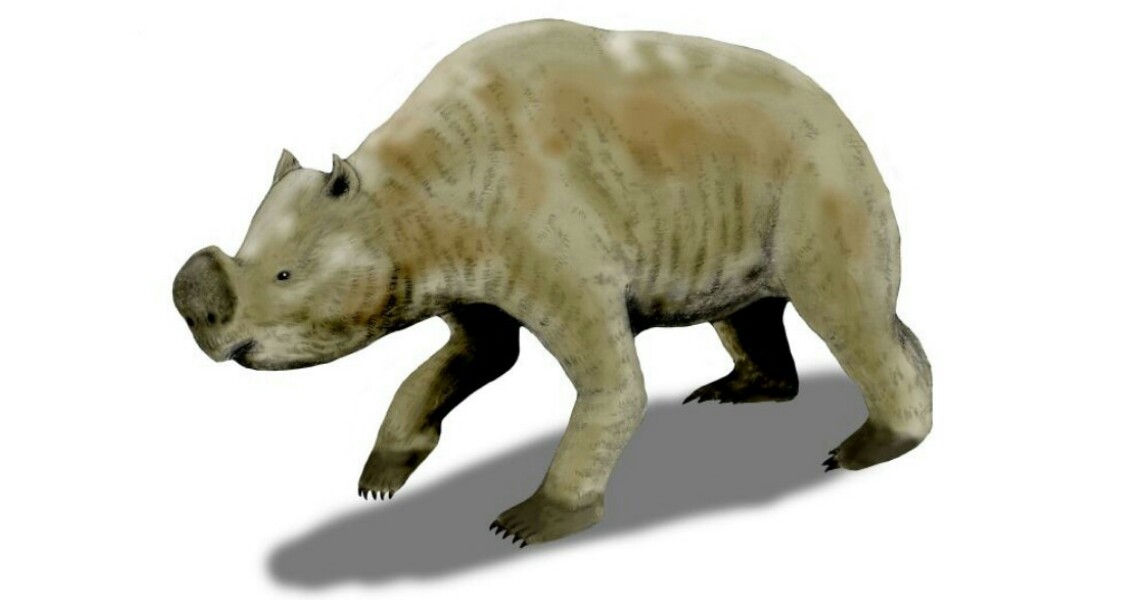
Zygomaturus trilobus, discovered several decades ago may have finally provided the answer. Large and lumbering with big flared cheek bones (zygomatics), Zygomaturus was a marsupial generally the size of a large bull. Little is known about its ecology, or why it went extinct. Excavated on two different occasions during the 1980s, the animal’s upper jaw was shipped to the Australian Museum in Sydney where it was stored still surrounded by the original sediments. The lower part of the jaw is on display at Mungo National Park. Optically stimulated luminescence dating (OSL) was used to test the sediment samples, while the fossils were tested directly using uranium series (U-series) dating. The tests show the specimen died approximately 33,000 years ago. Aborigines arrived in the region about 50,000 years ago. The Zygomaturus specimen indicates megafauna and people coexisted for 17,000 years at least. In fact, the species appears to have lived until the dramatic climate change referred to as the last glacial cycle prior to the Last Glacial Maximum. This date of 33,000 years does not necessarily represent the extinction of Zygomaturus. The deteriorating climatic conditions could have made Willandra Lakes a refuge for both people and megafauna as the surrounding plains became drier, bringing species like the Zygomaturus into increased contact with people. Regardless, the fossil has caused a shift in the debate over megafauna extinction. The research has been published in the Quaternary Science Reviews journal. ]]>

Categories
News

Aboriginals Killed at Pinjarra

The Pinjarra Massacre took place on 28th October, 1834. The event is remembered as one of the most horrendous massacres of Aboriginal peoples in Australia’s history.

Battle or Massacre?

Even now, close to two centuries later, the event in Western Australia is cause for significant controversy. Referred to as the Battle of Pinjarra in some histories – suggesting that the Aboriginal people’s deaths were part of a conflict involving mutual aggression, others argue that the term massacre is the only one capable of truly capturing the events that took place in Pinjarra. Ultimately, a case can be made for both explanations. The Aboriginal people in the region had shown aggression to the European Settlers there, although one could argue this was an inevitable consequence of Europeans moving into their territory. Just as significantly for those who call the event a massacre, among the Aboriginal people killed were a substantial amount of women and children.

Tensions Before Violence

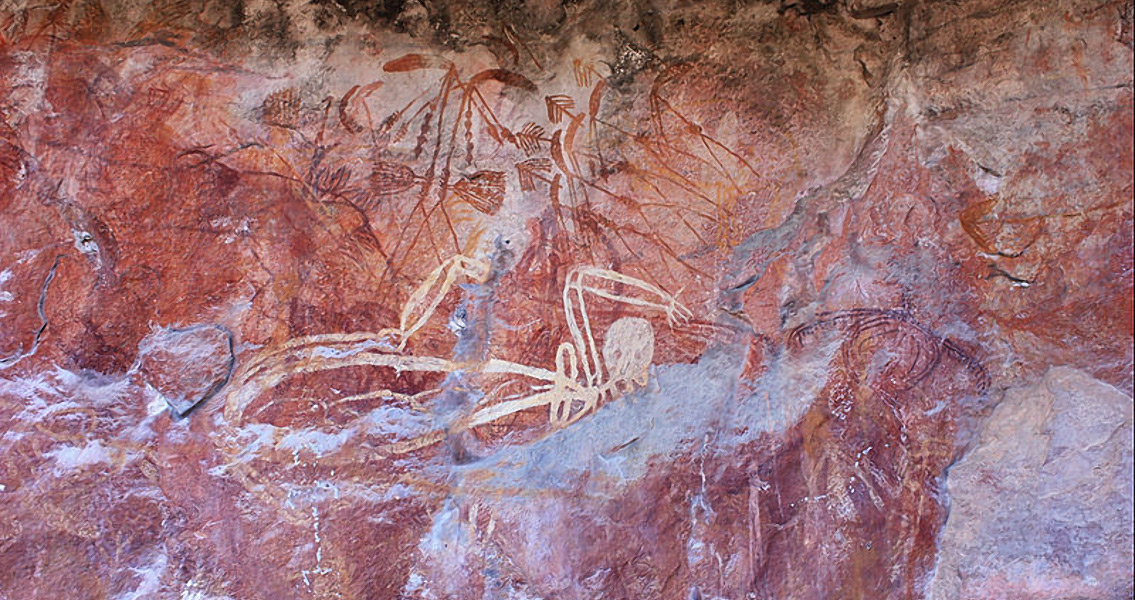
[caption id="attachment_8723" align="aligncenter" width="800"] Panorama of the Swan River Settlement, 1831[/caption] The origins of the tragic events at Pinjarra came in the arrival of the first European settlers to Western Australia, in 1829. Led by Captain James Stirling, the Swan River Colony was quickly established in what is now known as the Peel region of Australia. This was a region which had been inhabited for thousands of years by the Bindjareb tribe, an indigenous people particularly renowned for their spear making ability. Tensions quickly started to form between the white, European settlers and the Bindjareb tribe. While the Aboriginal people initially placed the Europeans into their folk traditions, interpreting them as the returning ghosts of their ancestors, Stirling declared the region a territory of England, arguing that the Bindjareb should be accountable to English law. As the settlers expanded their territory, taking up more land as they established farms, settlements, and ultimately towns, conflict started to brew. One key issue was a fundamental difference in agricultural practices. The Bindjareb people practiced firestick farming, a method where parts of the bush were torched to enable hunting and encourage regrowth of the land. For the white settlers, with little understanding of the firestick tradition, it seemed like an attack, especially on the occasions when the fires spread into the land they had started to cultivate.
The Flash Point

Signs of discontent continued to mount in the region over the next few years, as the settlers desire for land increasingly put pressure on the Aboriginal population. In 1834, with the colonists struggling to feed themselves, Governor Stirling ordered the flour rations given to the Bindjareb as a means of keeping the peace to be cancelled. On 24th April a group of Bindjareb launched a raid on the mill at South Perth, stealing 445kg of flour, possibly as a result of a misunderstanding that saw them believe that the flour rations were payment for the land the settlers had taken from them. Eventually, three Bindjareb believed to have been involved in the incident were captured by the settlers, and publicly flogged. Several days later, in response to their humiliating punishment, the Bindjareb men formed a group and lead a retaliation against the settlers, killing one soldier and seriously injuring another. With tensions high, Governor Stirling set off on an expedition with a group of soldiers and police on 26th October. Taking a surveyor with them, they intended to expand the area of settlement to Pinjarra, a region with fertile land. It was also an area at the heart of the Bindjareb community. At some point on 28th October, Stirling’s party encountered members of the Binjareb tribe. His group divided into two, taking up strategically advantageous positions around the Bindjareb camp. Exact details of which side was the first to show aggression are not clear, with some sources arguing that the Bindjareb hurled their spears at Stirling’s men, while others claim Stirling’s forces opened fire first. Either way, after roughly an hour of fighting, the outnumbered colonists were forced into retreat. Only one settler had been killed in the fighting, although several, including Stirling, were injured. Even now, it is unclear how many Aboriginal people were killed, but estimates range from around fifteen into the hundreds.]]>

Categories
Breaking News

Aboriginal Oral Traditions Go Back More than 7,000 years

www.tandfonline.com Image courtesy of Wikimedia Commons user: Google Cultural Institute]]>

Categories
Breaking News

Aboriginal Rock Art Discovered in Suburban Sydney