Nature Plants, can be found here]]>

Nature Plants, can be found here]]>

here Image courtesy of University of Oklahoma]]>
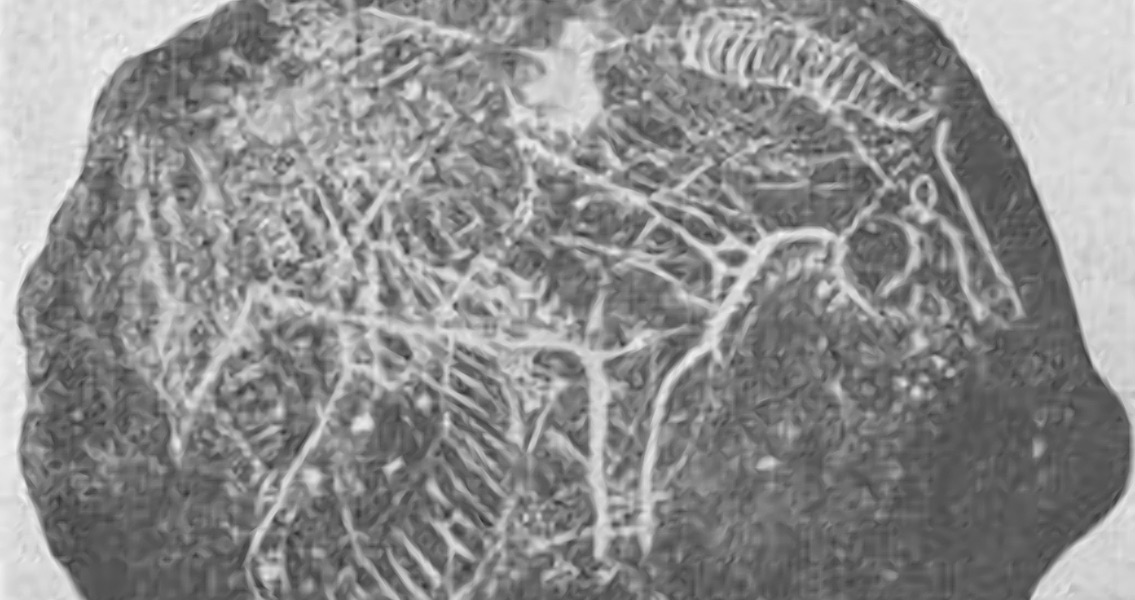
The Independent. The problem is that he can’t know for sure just how old these rock carvings are. A major hurdle – one that can’t be easily overcome – is the fact that sanctions are imposed on Iran by the United States, posing difficulties in data access and analysis tools. Despite these disadvantages, Dr. Naserifard has spent more than a decade in his journeys across the length and breadth of Iran, claiming to have found 50,000 ancient engravings and paintings. Despite the lack of help from the United States, archaeologists from other countries around the world have occasionally pitched in to help Dr. Naserifard. Such an instance occurred in 2008 when Dutch researchers accompanied the Iranian on a visit to the area, evaluating a series of drawings that had been made with the use of cups and determining that they could have been made as much as 40,000 years in the past. Meanwhile, one of the most noteworthy finds is that of the engraved figure of an ibex, a type of deer with long, curled horns. The piece is thought to be 4,000 years old and but one of several similar pieces of prehistoric art that adorn the trail. These discoveries are slowly but surely building evidence for a hypothesis that modern humans began to develop common art traditions well before any diaspora from the Middle East, Dr. Naserifard remarked. He described his excitement in finding these ancient works of art as comparable to “finding treasure.” However, US sanctions have deprived Dr. Naerifard and colleagues of access to much-needed technology used in analyzing and dating samples. The archaeologist has high hopes that such technology can be brought into Iran in order to provide better, more accurate data concerning these engravings. With the US ban on fissionable materials being sent to Iran, scientists within the country lack analysis tools that rely on uranium to conduct much of their research. The technology is being used in other regions of the world as an alternative to radiocarbon dating, as it provides accurate estimations as to the date an object was created. Despite the many limitations his research has faced as a result of the ban, the archaeology professor says he has plans to continue his work, involving other archaeological institutions from around the globe in order to help document his many finds. Hopes are that such international attention may provide avenues for a more accurate date analysis of the ancient art. ]]>

D. vorax, with its incredibly powerful bite and sharp, bone-crushing teeth, put a new spin on the theory that marsupials originated in South America, instead suggesting the origin point was both much further north – and about 10 to 20 million years earlier – than previously thought. Gregory Wilson, vertebrate paleontology adjunct curator from Seattle’s Burke Museum and lead researcher on the study, remarked that D. vorax absolutely “crushes the mold” when it comes to what scientists expect from mammals of the time period. With most other mammals from the era about the size of a shrew, D. vorax would have been a “fearsome predator” Wilson stated – one whose prey included some of the smaller dinosaur species. Discovered in the Hell Creek Formation, D. vorax fossil specimens were found in rock dating to between 59 million and 66 million years in the past. This isn’t the first instance of evidence pointing to creatures of this kind in North America though; based on previous finds, which were primarily fragmented teeth or jawbones, scientists have established something close to 60 different species of marsupial-like animals classified as metatherians from the entire Cretaceous. However, these new findings are radically different as they entail a partial snout and upper jawbone, and a nearly complete skull. These D. vorax parts have never been seen before now and have revealed that the creature is the largest metatherian known to have lived during the Cretaceous. While perhaps not large by the standards of the gargantuan dinosaurs roaming the Earth at that point, D. vorax would have weighed anywhere from just over 5 pounds to as much as 11-and-a-half pounds, the scientists have concluded. Even more interesting is the possible bite force the creature had, based on computed tomography (CT) scans of the fossilized remains. After determining where the jaw muscles would have been attached to the creature’s skull, and then comparing these muscles with modern animal analogues whose bite forces are already recorded, the researchers revealed that D. vorax would have had the strongest mammal bite strength ever. Most similar to modern hyenas and felines, the metatherian’s bite was strong enough to bite through bone. D. vorax could have easily bitten through hard shells of marine crustaceans and even small-sized dinosaurs. Wear patterns on the creature’s teeth bear out these hypotheses, scientists remarked. The new research study, published in the journal Nature Communications, can be found online here]]>


Molecular Biology and Evolution, can be found here Image courtesy of Zhen Wang, Shanghai Institutes for Biological Sciences, Chinese Academy of Sciences, Shanghai, P. R. China ]]>
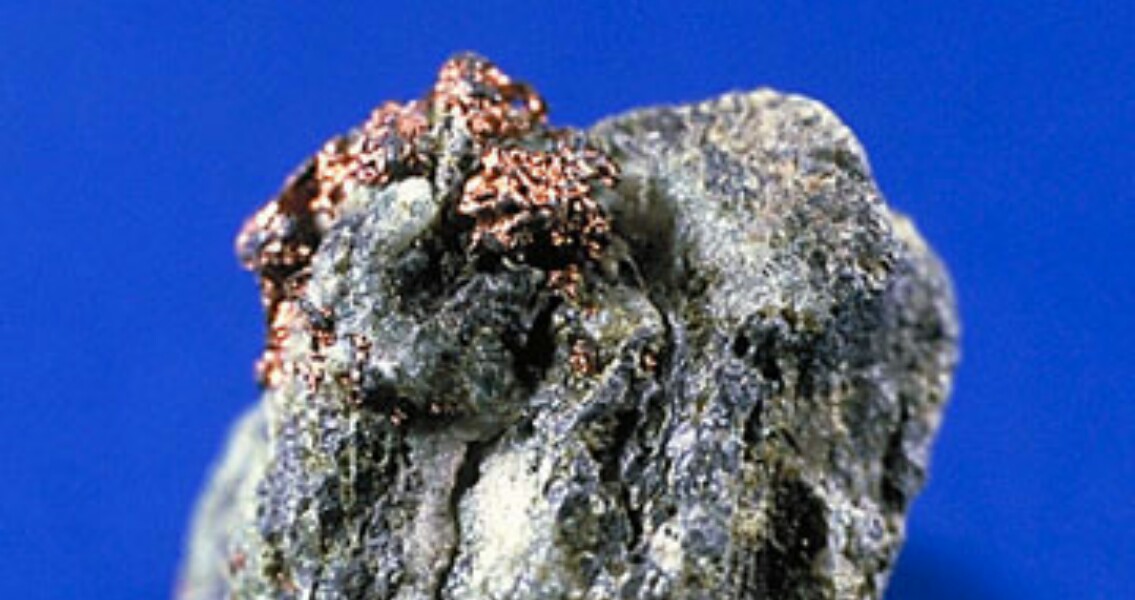
CBC News, a new research study has found that humans from the Neolithic era ended up polluting a river that once flowed in the Wadi Faynan region of southern Jordan in the Middle East. The form of the pollution was from these ancient humans learning how to smelt ore into metal, the international team of scientists report. The now-dry riverbed bears the telltale evidence of pollution left behind during the Copper Age, where humans living and working near the river built fires and then heated charcoal and copper ore over these fires. The find underlines the point when early humanity began to construct tools not from stone but from metal, according to Russell Adams, an anthropology professor from the University of Waterloo in Canada. These individuals and communities were in the middle of experimenting with not just fire but its effects on pottery, ceramics, and copper ore, said Professor Adams in an interview with CBC News Kitchener-Waterloo. These three components were all involved in the production of copper from ore in the early parts of the Copper Age. The spread of these technological innovations, and the adoption of these methods and the use of the metals they made, are often seen as the beginning of what modern anthropologists speak of as the “modern world”, Adams added. At first, the only items created by this primitive smelting process would have been beads or other small, symbolic pieces. However, as the technology developed the scope of the project grew as well, leading to the construction of factories and mines. In essence, the region became the epicenter of the first industrial revolution, thousands of years before the nineteenth century’s industrialization and mechanization. Adams stated that the area of southern Jordan would have been the home of incredibly innovative technology for the time period. However, the waste material from the smelting process – known as slag – was not given a second thought. Without this slag being contained, metals present in this waste, like thallium, arsenic, lead, zinc and copper, would have been absorbed by the plants growing nearby. These plants would then become food for local fauna – including humans. The polluted vegetation would have had a negative impact on the health of those who worked or lived near the copper smelting operations, possibly including malformation, infertility and premature death. Scientists have found high copper and lead levels in human remains from the Roman period. The new discoveries have prompted a desire to conduct an analysis as to how much pollution would have been present during the Bronze Age, which began around 3200 BCE, in order to measure its impact on human communities. The new research paper, published recently in the journal Science of the Total Environment, can be found here]]>
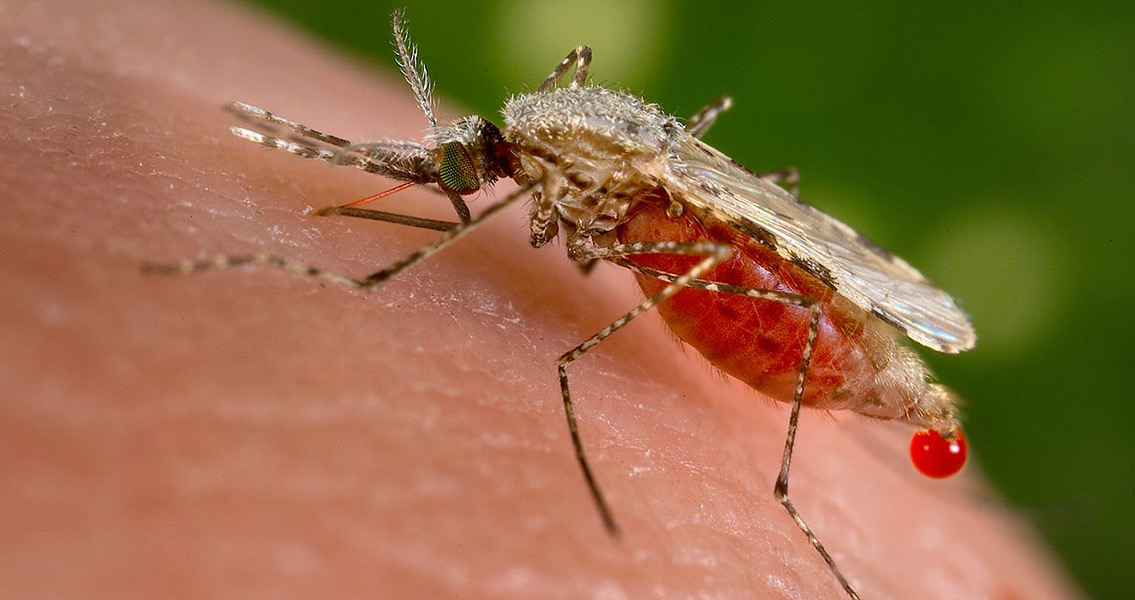
Plasmodium falciparum. Malaria, which can cause a flu-like illness, chills and fever in those it infects, was likely a significant force in ancient Rome resulting in widespread death, according to Hendrik Poinar, the director of McMaster University’s Ancient DNA Center in Canada. The evolutionary geneticist and one of the authors of the new research report said in an interview with CNN that the death toll from Malaria in ancient Rome could have been close to the toll it takes in modern Africa. There are approximately 438,000 fatalities a year from malaria, according to the World Health Organization, and the vast majority of these cases – a full 91 percent – originate from sub-Saharan Africa, despite the treatable and preventable nature of the disease. Prior to this new discovery, the only evidence of malaria – or illnesses with symptoms that matched malaria – was found in texts from the period. Poinar stated that there were difficulties classifying these illnesses as malaria. There were simply too many infections that cause fevers for a malaria diagnosis to be definitive. However, the clues were there, especially since the outbreaks seemed to be repeated at the same time each year. This indicated that the culprit could be malaria, as it’s possible to be re-exposed again and again without building immunity to the infection. However, without any sort of DNA evidence to back up the theory, there was no way to support it with raw data – until now. Malaria was found to be quite widespread, not only present on the coast of the Italian peninsula but also in deep inland rural regions as well. Normally it would be next to impossible to find evidence of malaria infection in 2,000-year-old remains as the parasites most often leave evidence behind in organs that decompose quickly, and do not cause changes in skeletal remains. New methods allow scientists to extract minute particles of DNA from dental pulp, purifying and enriching the remains enough to test for the presence of modern malaria. The researchers used an innovative method that has been employed in studying the plague and cholera which involves attaching molecules of a modern version of the pathogen with magnetic beads. These beads “pulled down” the low concentration of parasite DNA and found its signature. The new research study, which appears in the journal Current Biology, can be found here]]>
