Categories
Breaking News

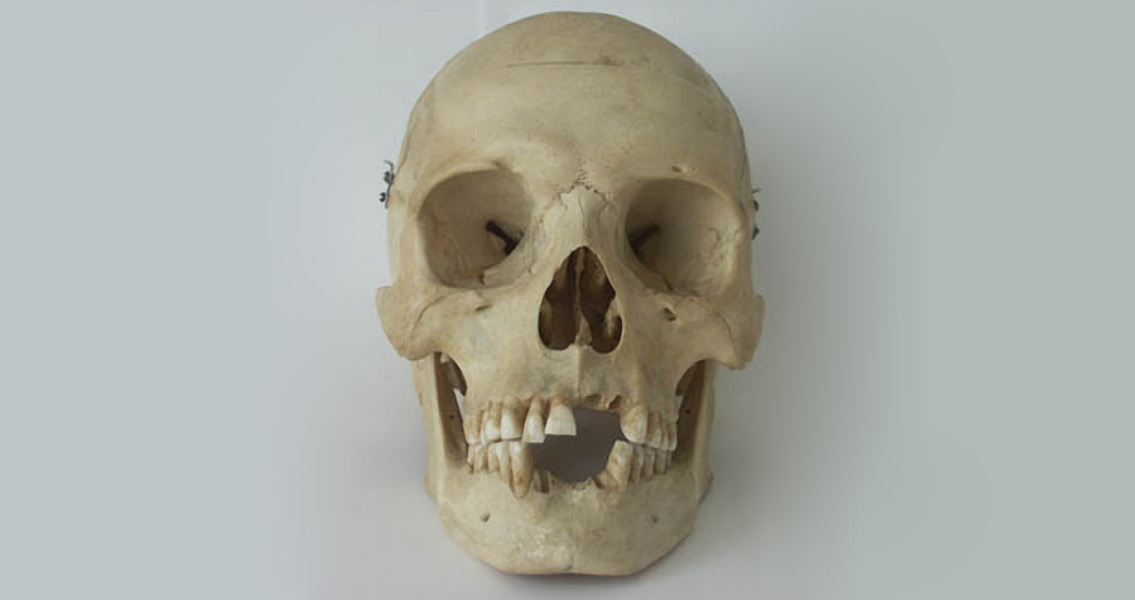
Rare Medieval Black Death Burial Pit Discovered in England

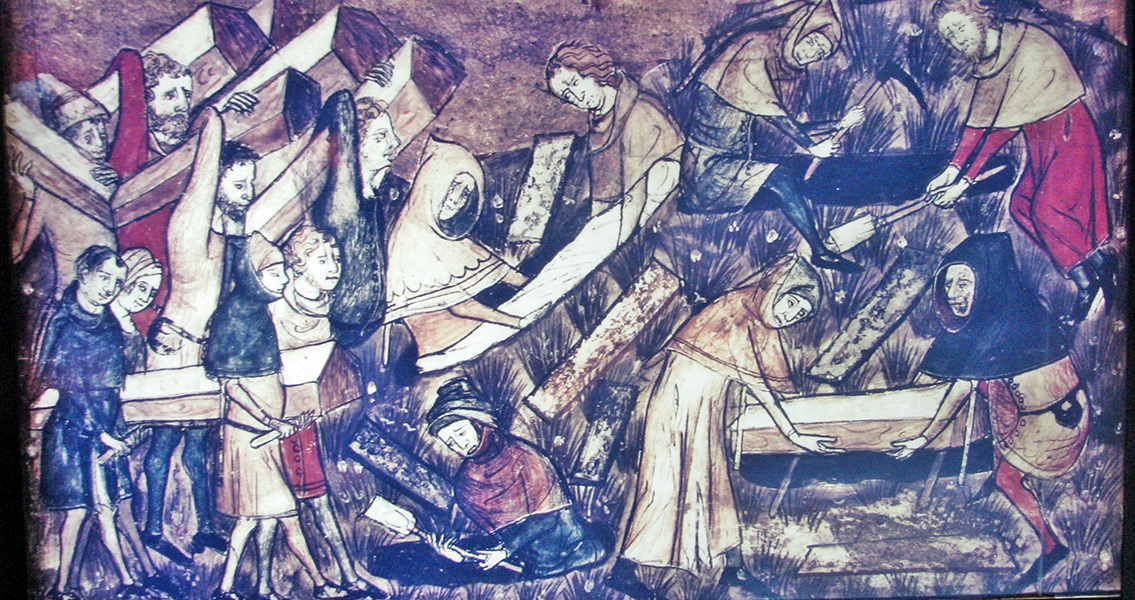
The Telegraph. A total of 48 sets of skeletal remains – 21 of them belonging to children – were found at the site, which at one time was a monastery hospital. Researchers say that it seems quite clear that the local community was overwhelmed when the Black Death came to the region, forcing them to cope in the only way they could – by burying their dead in one mass grave. One of the worst plagues to ever blaze across humanity, the Black Death claimed the lives of anywhere from 75 to 200 million people in Europe from 1346 through 1353; according to historical records, Lincolnshire was struck by the disease in the early months of 1349. The Black Death as a whole completely changed the social landscape of Europe in a myriad of ways in addition to the massive loss of life. Sheffield University researchers partnered with scientists from Canada’s McMaster University, sending tooth samples from the deceased in order to extract ancient DNA from the pulp of these teeth. Analysis confirmed the presence of Yersinia pestis, the bacterium behind the Black Death, according to Sheffield University’s Dr. Hugh Wilmott. Dr. Wilmott, from the university’s Department of Archaeology, remarked that while the death toll in England from the disease was astronomical – up to 50 percent of the population – it’s extremely rare to find multiple graves within the country. For the most part, local communities seemed to simply treat fatalities from the Black Death in an ordinary way – in fact, the only other two sites dating to the fourteenth century where the Y. pestis bacterium has been found were London cemeteries with accompanying historical documentation detailing how the burgeoning numbers of urban dead necessitated the opening of new burial grounds. The discovery of this completely unexpected and previously unknown fourteenth century burial ground in the rural reaches of Lincolnshire stands as a unique event in the history of the Black Death in England, the scientist stated. If anything, it clearly illustrates how the community at the time was completely unprepared to withstand such a terrible threat. More analysis is slated to be undertaken, with research into the skeletal remains as a whole. This will enable researchers to identify the gender and age of each set of remains, as well as create a detailed study of any other illnesses and ailments they might have suffered from, using the telltale signs left behind in their skeletal structure according to the University of Sheffield’s Dr. Diana Mahoney Swales. ]]>

Categories
Breaking News

New Research Reveals Existence of Ancient Antarctic Beetles

ZooKeys, is available here ]]>

Categories
Breaking News

Low-Mass Supernova May Be Behind Formation of Solar System

here ]]>

Categories
Breaking News

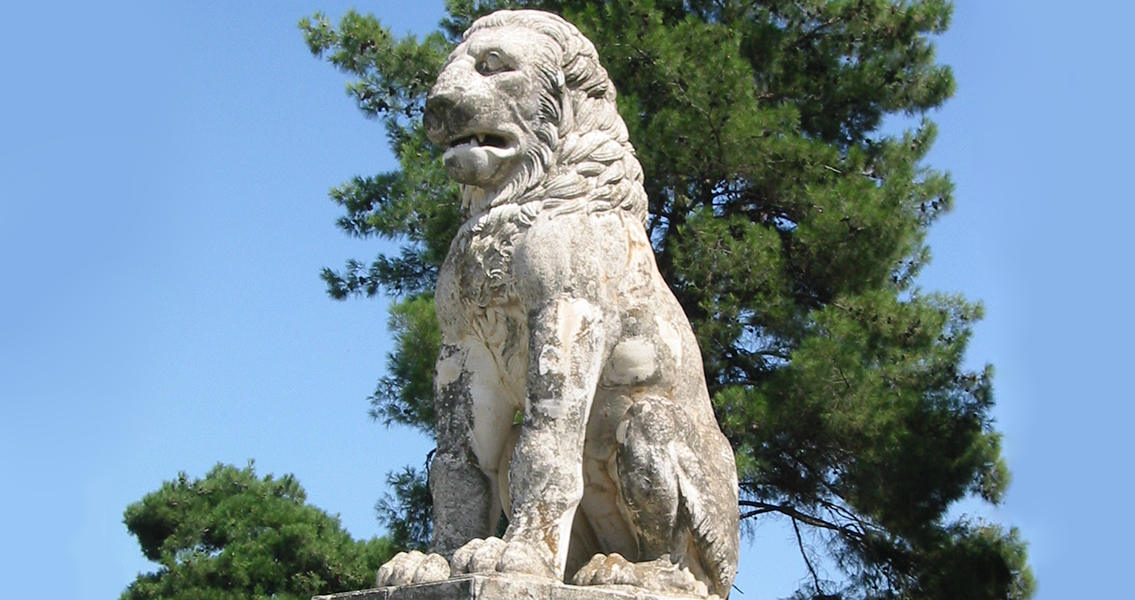
Amphipolis Site Could Harbor Second Monument

Categories
Breaking News

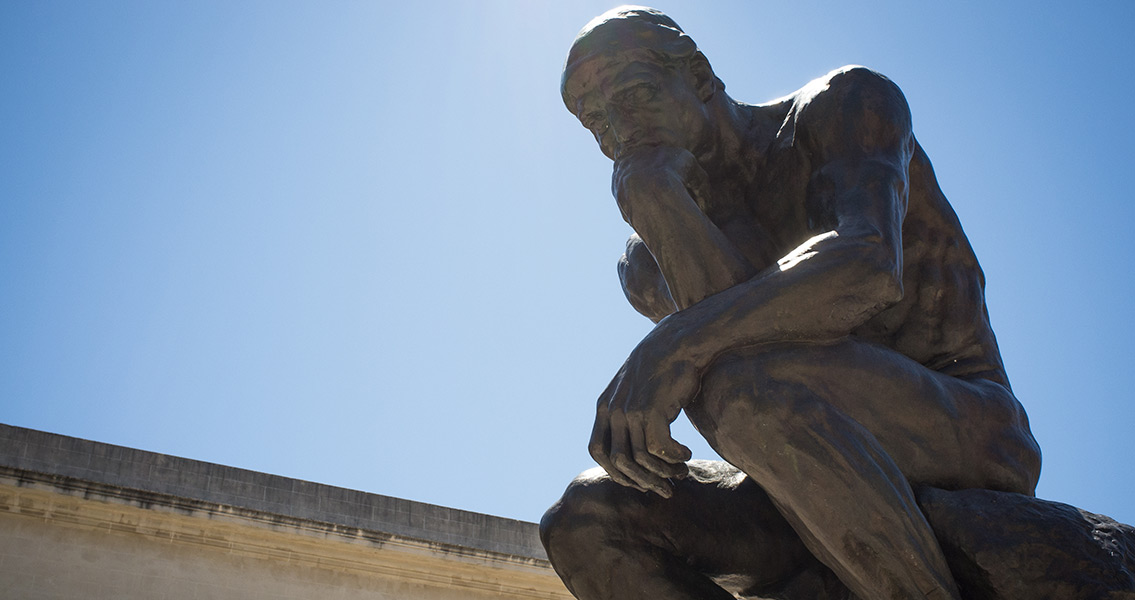
Newly Discovered Sculpture Looks Like Rodin’s “Thinker”

The Times of Israel, dig leader Gilad Itach remarked that the figurine was discovered on the very final day of excavations, just prior to modern construction efforts commencing at the site. The pot itself is relatively characteristic of the period, Itach stated, but the statue that was added after it had been created is unique, as there have never been any discoveries of such a figurine in previous digs. Archaeologists say that the sculpture features an incredible attention to detail for its age. The arms and legs, as well as the face, seem to have been added on to the neck of the jug which was used as the base for the formation of the upper torso of the figure. Along with the figure, which measures seven inches in height, a large number of other items were found as well. Sheep and donkey bones were discovered at the dig site, in addition to an ax head, arrowheads and daggers. The items were likely used as burial goods, Itach explained, probably for the grave of one of the Canaanites who inhabited the region during the Middle Bronze Age. It would have been customary to provide a large number of funeral goods for prominent members of the community, the researcher remarked, as beliefs were that the objects individuals were interred with would have traveled with them to the next world. To Itach’s knowledge, this is the first burial to feature such a wide assortment of objects, especially the remarkable pottery find. The resemblance to “The Thinker” is quite uncanny. The face of the figure rests on one of its hands as it sits on the pot, looking as if it is lost in thought. There’s no way of telling whether the potter who created the jug added the figure or if a second craftsman did so, Itach added. The Yehud dig site yielded more than just the unique set of burial goods. Several other artifacts were discovered that date even older than the Middle Bronze Age, including a shattered earthenware butter churn and the remains of what might have been an ancient well dating to the Chalcolithic period, around 6,000 years in the past. Meanwhile, an earlier archaeological dig in Yehud in close proximity to the location of the statue revealed a massive necropolis dating to the Bronze Age containing nearly 100 pit graves. The remains of men, women and children were found within, complete with grave goods that included jewelry, animal bones, scarabs, pins, daggers and pots. Researchers say that the location saw continued use as a cemetery for several centuries afterwards as well. Images of the newly discovered artifact can be found here: here ]]>

Categories
Breaking News

Shrine of St. Olaf, Norway’s Patron Saint, Discovered

Live Science, researchers from the Norwegian Institute for Cultural Heritage Research (NIKU) say that they have found the remains of the church where the Norwegian king’s body was taken in 1031, when he was raised to sainthood and became known as Saint Olaf. The former Viking raider was baptized into the Roman Catholic faith in 1013, shortly before embarking on a quest to unite the disparate kingdoms of Norway under a single ruler – a task he accomplished in 1016. Olaf ruled as king until 1028, when he was deposed and forced to flee to Russia. In 1030 he attempted to retake the throne, only to be killed in battle at Trondheim, where he was buried. The following year, after rumors had spread how the dead king had been associated with the performance of many local miracles, his body was exhumed. Upon discovering that Olaf was in a state that satisfied the church’s requirements for miraculous preservation, the English Bishop Grimkell declared Olaf a saint, having him reinterred in St. Clement’s Church. While the earthly remains of St. Olaf no longer reside on the site – they were relocated to the site of Trondheim’s Nidaros Cathedral at a later date – NIKU researchers now believe they have found the stone foundation of the original St. Clement’s Church. Additionally, a small rectangular stone platform was uncovered at the east end of the building, which archaeologists surmise as the base of the altar of the church – the very same alter that would have been constructed over the grave of Saint Olaf. Anna Petersén, the site’s excavation director, remarked that the church has a unique place in the intersection of Norwegian politics, culture, and religion. Put in a historical perspective, a large proportion of the Norwegian national identity has its roots in the canonization of Olaf Haraldsson, and the recently discovered church is literally the place where that process began. In life, King Olaf was arguably Christian in name only, as while he had been baptized to the Catholic faith his rule is categorized historically as harsh enough to warrant him becoming deposed in 1028. A former Viking raider, Haraldsson spent time in England, where he pledged his sword to King Ethelred to fight against the Danes, a common enemy – King Canute of the Danes was instrumental in providing support to the Norwegian nobles that overthrew their heavy-handed monarch a little over a decade into his reign. While Bishop Grimkell declared the dead king a saint in 1031, he was not officially recognized as such by the Roman Catholic Church until 1164, when he was canonized by Pope Alexander III. Despite his problematic reign, Saint Olaf is seen as a figure of Norwegian independence. The Norwegian coat of arms features a representation of Saint Olaf in the form of the ax held by a crowned rampant lion on a red field. ]]>

Categories
Breaking News

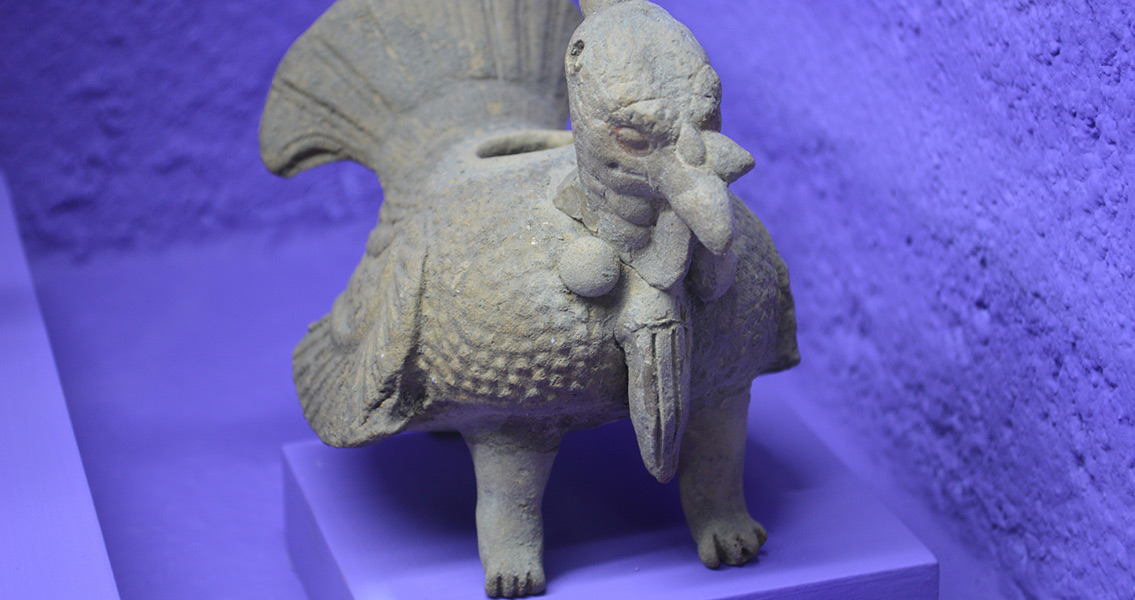
Domesticated Turkeys Much, Much Older than Thanksgiving

Phys.Org, a new research paper has revealed that domesticated turkey eggs have been found in Oaxaca, Mexico dating to the fifth-sixth century CE. The 1,500-year-old eggs are the oldest evidence of turkey domestication to be found in the Americas, according to Field Museum archaeologist Gary Feinman, one of the authors of the paper. Before this, educated guesses had been made concerning turkey domestication based solely on the presence of turkey bones – or their absence – at other archaeological sites, Feinman remarked. However, this new discovery is the first strong evidence of domestication, and the archaeologist states that it’s being used to confirm prior hypotheses. The eggs were found in a region of Oaxaca that is known to have been the territory of the Zapotec, a native population that has had ties to the land for millennia. The find was quite unexpected, Feinman said, adding that discovering an entire clutch of intact eggs is exceedingly rare. Thanks to the expertise of Feinman’s colleague, University of North Carolina-Chapel Hill archaeologist Heather Lapham, the eggs were identified immediately as turkey eggs. They were found next to the remains of seven newly-hatched turkey chicks, possibly as an offering, explained the researcher. Analysis of the shells via scanning electron microscope verified Lapham’s positive identification. Feinman says that it’s clear these turkeys were domesticated, based on the entire clutch of unhatched eggs as well as the other turkey bones found at the excavation. The discovery aids in confirming historical information regarding the Zapotec and how they made use of turkeys in the past. There are Zapotec people still living in Oaxaca today, and the domesticated turkey is still very much a part of their culture. Feinman pointed out that the birds are raised as poultry, used in rituals and given as gifts; food items prepared for religious festivals, weddings, baptisms and birthdays all feature turkey heavily. The story of Mesoamerican animal domestication has been filled in by a significant extent thanks to the new discovery. While the Eurasian continent features a high number of domesticated animals, few such examples are present in Oaxaca and beyond. The only domestic meat sources available in Oaxaca 1,500 years in the past would have been dogs and turkeys, Feinman said, unlike the variety of meat sources available to Eurasian inhabitants. Today, this has changed dramatically thanks to the Spanish bringing over animals such as pigs, cattle and chickens during their colonization of the region. However, the turkey, with its strong roots in Zapotec culture, is still highly significant in the area both ritually and economically. The modern domesticated turkeys of Oaxaca are not so different from those that would have been present in the original American colonies during the time of the first Thanksgiving, nor are they too dissimilar to the domesticated turkeys bred in North America today, Feinman remarked. The research study, which appears in The Journal of Archaeological Science: Reports, is available here]]>

Categories
Breaking News

The Curious Connection between Mayans and Dead Dinosaurs

PLOS ONE, can be found here]]>

Categories
Breaking News

Newly-Restored Remnant of Circus Maximus Opened to Public

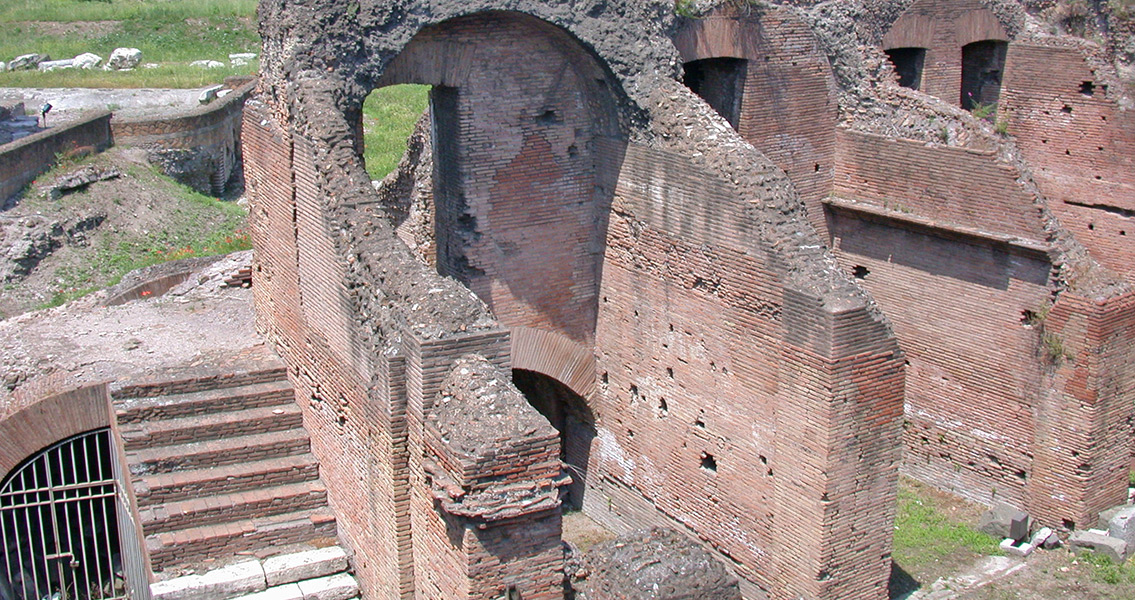
the Telegraph, the seven-year-long excavation of the remaining corner of the Circus Maximus yielded massive archaeological finds. Items such as fragmented golden bracelets and necklaces, a gilded glass goblet with the image of a horse, and over 1,000 bronze coins dating to the third century CE were found within the ruins. Additional finds include the remains of a triumphal arch, constructed of Tuscan white marble, erected in honor of Emperor Titus’ quashing of the Jewish Rebellion in 70 CE. The arch itself would have been the largest of its kind at the time it was constructed, according to Marialetizia Buonfiglio, the archaeologist who spearheaded the excavation efforts. Its position drew the eyes of everyone within the arena, and was used as the spot where Roman emperors would enter the Circus Maximus, often to the roars of hundreds of thousands of patricians and plebeians alike. It is thought that the Circus Maximus was used for sporting events as far back as around 800 BCE, as Romulus, the mythical founder of Rome, is said to have hosted horse races on the central track. The Imperial Roman-era version of the complex was largely destroyed in 64 CE in a fire; subsequent emperors attempted to rebuild it, and the final touches were put on the reconstruction efforts – at great expense – by Emperor Trajan in 104 CE. Games continued to be held there until the sixth century CE. There is still plenty to discover by archaeologists when it comes to the Circus Maximus. The original chariot track, for example, is still buried beneath approximately 30 feet of accumulated soil and rubble, a result of the disused sports complex being repurposed as farming fields and even industrial factories by the nineteenth century. During the early to mid-twentieth century, the Circus Maximus was repurposed once again, most notably by Mussolini, as a parade ground for displays of fascist propaganda. ]]>

Categories
Breaking News

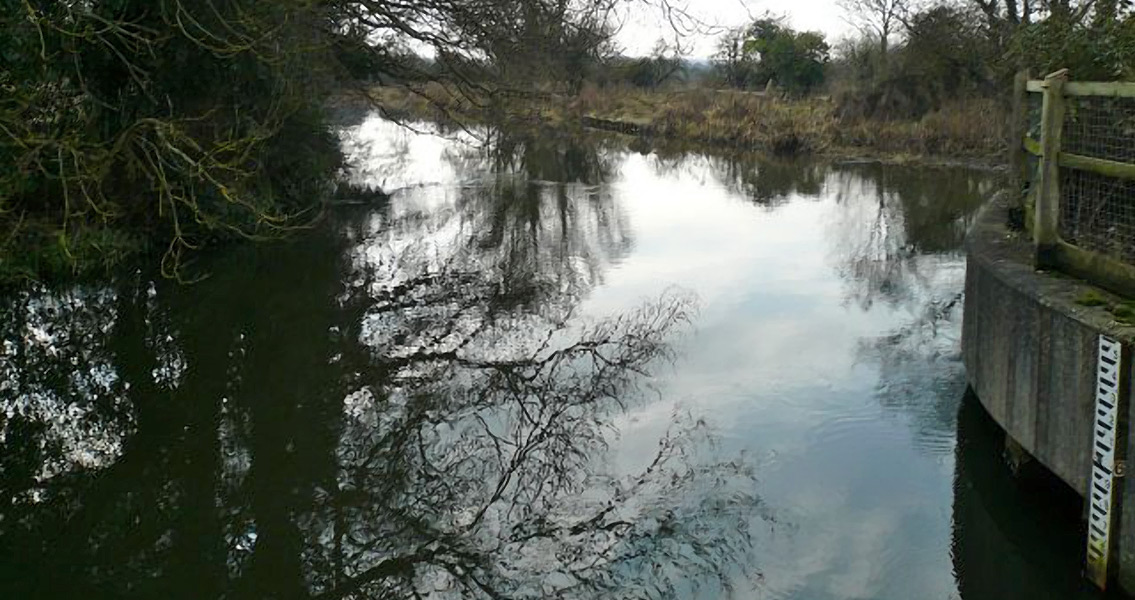
Waterlogged Anglo-Saxon Cemetery Yields Well-Preserved Graves

Heritage Daily, Historic England Chief Executive Duncan Wilson said that the new find will provide greater levels of understanding of rural Middle-Saxon communities and their religious beliefs. The potential of this site to reveal the story of those who once lived there is “immense,” Wilson added. MOLA archaeologist James Fairclough also commented on the find and how the details of Christian Anglo-Saxon burial practices were preserved in “remarkable” detail. Fairclough said that the chalky, alkaline waters of the River Wensum and the acidic sand in its banks created ideal conditions to preserve the wooden graves and the skeletons held within. The finds from the dig, once properly cleaned, catalogued and analyzed, will be on display at Norwich Castle Museum, according to museum curator Tim Pestell. ]]>