Categories
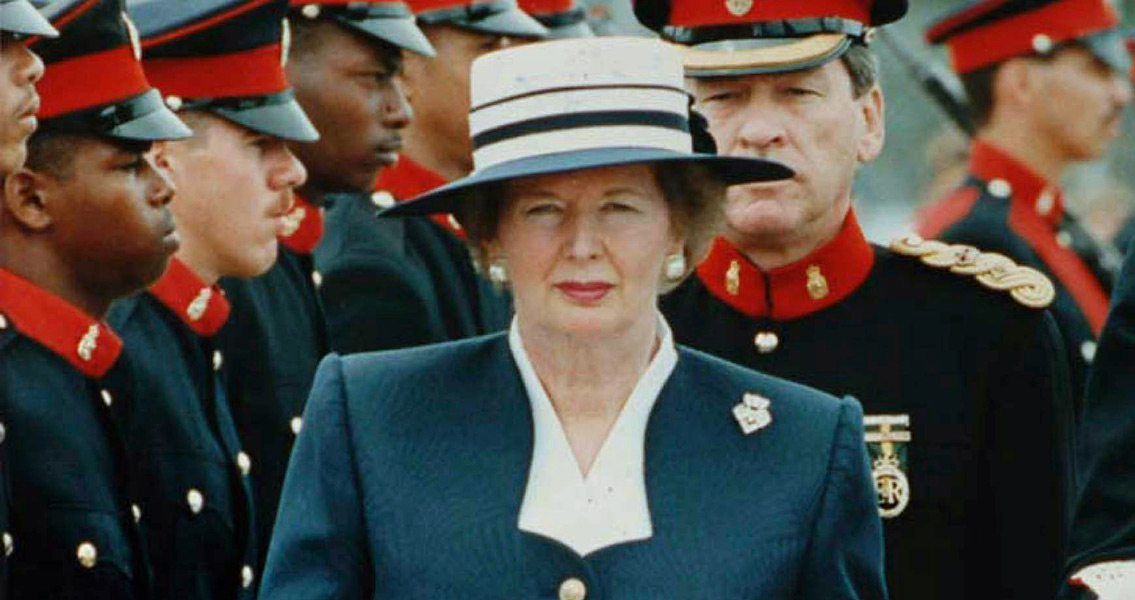
Thatcher Leaves Number Ten

Queen Anne’s Revenge. Exactly why the name was chosen is unclear. Some have speculated it was in reference to Queen Anne’s War, the name given to the War of Spanish Succession by those living in the Americas, (a war Blackbeard may have fought in as a privateer) while others suggest it was a reference to Queen Anne, the last Stuart monarch of England who reigned during the Act of Union in 1707 and died in 1714. For two years Hornigold and Blackbeard worked in tandem, their two ships carrying out pirate raids across the high seas, until Hornigold accepted amnesty from the British navy in 1717 and retired from his life of piracy. North Carolina’s Outer Banks had become a haven for outlaws during the late seventeenth century, the shallow sounds and inlets ideal locations for pirate vessels to disappear quickly. In 1718, Virginia Governor Alexander Spottswood grew tired of Blackbeard and other pirates’ continued use of the territory and dispatched a Royal Navy force to North Carolina. Details of the ensuing battle are unclear. As with so much of Blackbeard’s life myth becomes mixed up with fact, but legend has it he endured five musket shots and twenty sword lacerations before finally dying. Blackbeard’s reign of terror came after the main Golden Age of Piracy, when British and French seamen had launched raids on Spanish shipping in the Carribbean and Americas, often with the clandestine approval, if not encouragement, of their own governments. What seems to have made Blackbeard different in terms of how he is remembered is that he was the highest profile pirate at a time after the Spanish War of Succession, when the French, Spanish and British governments all launched a clamp down on piracy. On the one hand, a propaganda campaign was launched against him and other pirates, vilifying them as dangerous, immoral, cold blooded killers. This is an image that has stuck, although it’s interesting to point out that there is no archival evidence of Blackbeard killing somebody who hadn’t tried to kill him first. Ships who gave into the pirate’s demands were merely looted, and then allowed to go on their way. On the other hand, Blackbeard also became something of a Robin Hood figure to the poorest in society, someone who was stealing from the extremely wealthy. Again, this may have some truth, but there is little evidence that he took this to the next step and tried to redistribute this wealth among the poor. Nevertheless, it cemented the iconic image of Blackbeard as a roguish, daring adventurer type figure, carrying out daring raids against the odds on wealthy merchants. Almost three hundred years after his death, historians continue to find new evidence about Blackbeard’s life, as they attempt to find the reality behind the layers of propaganda, legend and myth.]]>
Related Books

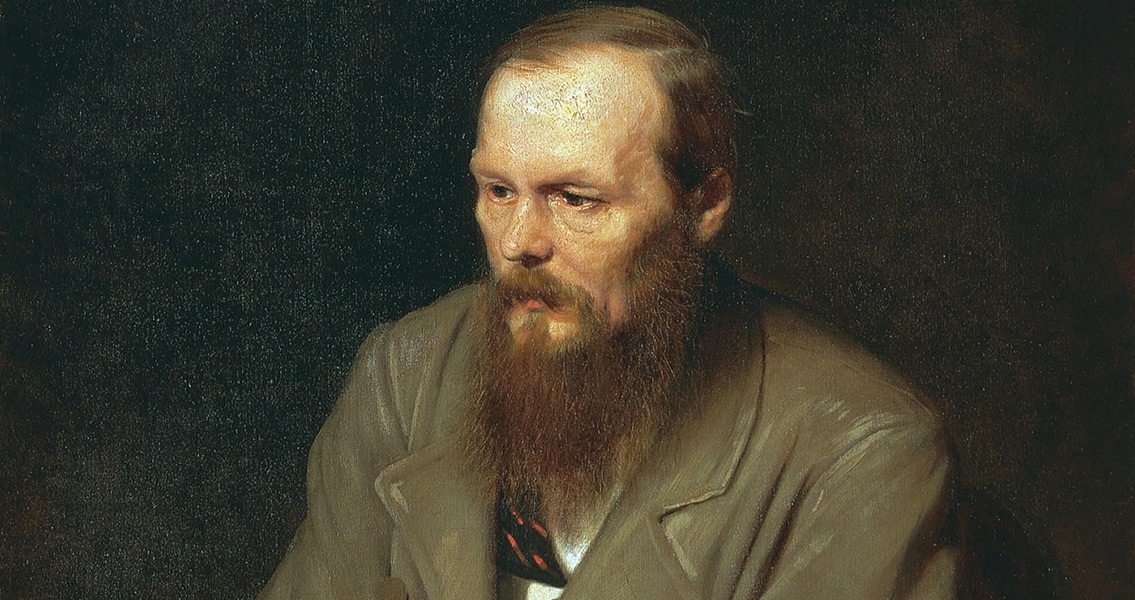
Letters of Fyodor Michailovitch Dostoevsky to His Family and Friends
by Fyodor Dostoyevsky


Supremacy which would have seen him pledge allegiance to the Church of England. In 1601 Catesby was involved in the Essex Rebellion, a plot by the Earl of Essex, Robert Devereux, to seize Queen Elizabeth and destroy her powerful advisor, Sir Robert Cecil. Devereux gathered 300 supporters to aid in his plan, but was still ultimately foiled and charged with treason. Catesby was fined and imprioned for his role in the failed plot. His involvement in 1601 saw him listed as a dangerous character by the government. He was apparently involved in discussions in 1602 with the Spanish about initiating a rebellion in England, and in 1603 was arrested after Elizabeth’s death as a precaution against him causing trouble during the process of securing James’ succession. The Gunpowder Plot was Catesby’s idea. In 1604, increasingly aware that a beleagured Spain would not assist a Catholic rebellion in England, he recruited Christopher and John Wright, and Thomas Winter in his plot to assassinate the king. Over the following year he recruited the rest of the plotters. Renowned as a deeply charismatic man, the failure of the Gunpowder Plot should not over shadow the exceptional skill and organisation Catesby demonstrated in arranging its implementation. Following the plot’s discovery, Catesby was captured and killed along with the rest of the conspirators. Sir Everard Digby was just as fascinating. Little is known about his early life, although some have speculated that he came from a Roman Catholic family who kept their beliefs low key enough to avoid persecution. At some point at the start of the seventeenth century the man who had hitherto seemed unconcerned with political or theological issues met a Jesuit priest named John Gerard. While suffering from a serious illness, which Gerard aided him through, it is believed that Digby converted to Catholicism. A wealthy, charming man who had married into an influential family, Digby was knighted by King James in 1603. How he came to be involved with the Gunpowder Plot is unknown, simply because so much of his background can only be speculated about. What is clear however, is that he gave £1500, a considerable sum at the time, to fund Catesby’s plan. Digby was given two crucial roles in the plot. Firstly, he was to capture Princess Elizabeth, the daughter of king James, with the idea that she could eventually be installed as something of a puppet monarch. Secondly, he was to recruit Catholic supporters in the Midlands to launch an uprising there once the king had been assassinated. Following the unraveling of the plot, Digby was granted rights not given to the others, on the grounds that he had confessed to the charges brought against him. Trialled seperately, he was allowed to give a speech at the hearing. In it, he delivered several explanations for his involvement in the plot, among them the accusation that James had reneged on promises to make legislation promoting greater tolerance towards Catholics. Digby’s punishment was to be hung, drawn and quartered. Guy Fawkes is the most widely remembered conspirator of the Gunpowder Plot. However, only by looking at the lives of the other conspirators can we begin to see just how complex the plot was, and the many layers of intrigue behind it. ]]>