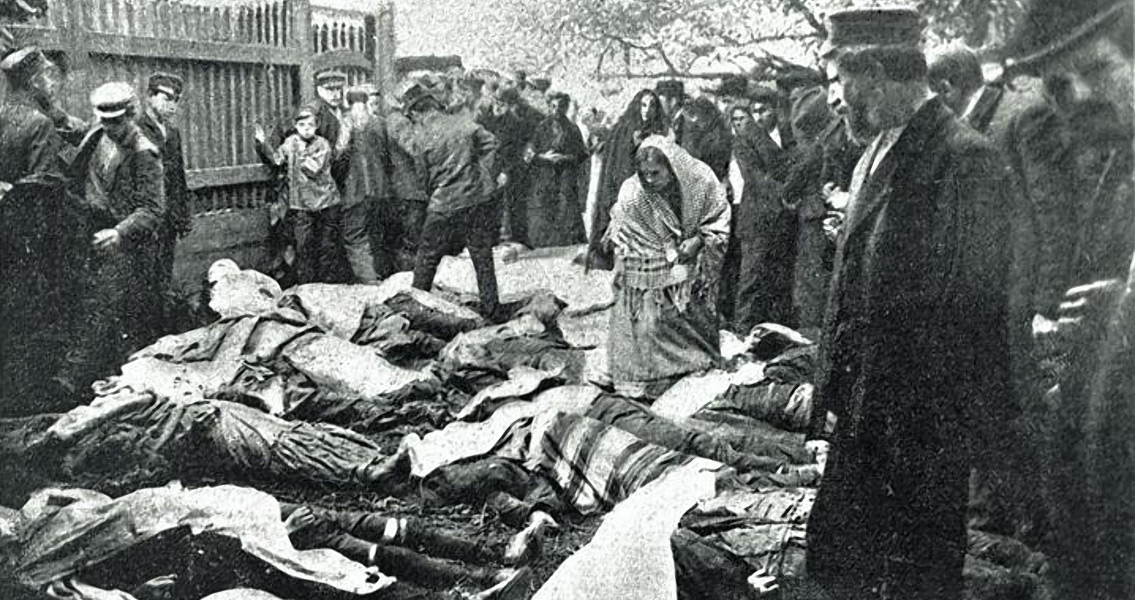

Zydowski Zwiazek Wojskowy, trans. The Jewish Military Union) and ZOB (Zydowska Organizacja Bojowa, trans. The Jewish Combat Organisation) to combat the Nazi soldiers. The two groups, the ZOB with around 500 members, the ZZW some 250, soon elected to work together to resist German attempts to destroy the ghetto. In October 1942, the ZOB managed to establish contact with the Home Army, an underground movement of the Polish military which resisted the Nazi occupation. They made a deal which saw the Home Army supply ZOB with weapons, mostly hand guns and explosives. Resistance had become the only option for those imprisoned in the Warsaw Ghetto. The chances of success were slim, but their fate under Nazi rule had been made increasingly obvious. Death seemed more and more inevitable, at least armed resistance offered some chance of survival. “Whomever you talk to, you hear the same cry: The resettlement never should have been permitted. We should have run into the street, set fire to everything in sight, have torn down the walls, and escaped to the Other Side. The Germans would have taken their revenge. It would have cost tens of thousands of lives, but not 300,000.” wrote Emmanuel Ringelblum in 1942, in his diary of life in the Warsaw Ghetto. “Now we are ashamed of ourselves, disgraced in our own eyes, and in the eyes of the world, where our docility has earned us nothing. This must not be repeated now. We must put up a resistance, defend ourselves against the enemy, man and child.” Shortly after the Nazi invasion of Poland, Warsaw’s Jewish citizens were forced into the barb wire fenced ghetto. More Jews from across Poland and Nazi occupied Eastern Europe were sent to the site, so that some 400,000 people ended up living in an area covering less than two square miles. Forced to live on inadequate rations, disease and starvation soon started to kill thousands each month. From July 1942, Jews from the Warsaw Ghetto started to be rounded up and taken to the Treblinka concentration camp at a rate of roughly 6,000 a day. The Nazi authorities initially claimed Treblinka was a labour camp, but news soon got to the ghetto that being transferred meant almost certain death. The first act of resistance came on 18th January, 1943, when ZOB fighters ambushed the Nazi forces sent in to round up some of the ghetto’s population for transfer. Fighting lasted for a few days, and several Nazi soldiers were killed before they could withdraw. Two months later, Heinrich Himmler announced that the ghetto was to be emptied of its population on 19th April, to celebrate Hitler’s birthday. When SS soldiers entered the ghetto on the 19th they were faced with 1000 ZOB fighters armed with homemade bombs and guns. Frantic fighting ravaged the streets while the non-combatant residents hid themselves in secret underground bunkers. The SS soldiers soon withdrew, but the respite was short lived. On the 24th April an all out military assault was launched on the ghetto. For a month relentless fighting wrecked the ghetto, as the ZOB waged guerrilla warfare against the Nazi troops in an attempt to fend off transportation to Treblinka. As the battle continued, Nazi soldiers set about systematically destroying the ghetto block by block, obliterating the bunkers where Jewish residents had been hiding. ZOB soldiers continued their fight from the sewers, but on 8th May their cause was all but lost with the destruction of their command centre, and the group’s leaders committed suicide to evade capture. By 16th May the Warsaw Ghetto was under Nazi control, and transportation to Treblinka resumed en masse. Some 300 German soldiers were killed in the uprising, while thousands of Jews lost their lives in the fighting. Any Jewish survivors were sent to Treblinka, where most perished before the end of the war. The heroic last stand by the ZOB may have ended in tragic defeat, but it was remarkable in terms of the amount of Nazi forces it diverted, especially considering the resistance fighters’ limited resources. Although it failed to save the people of the Warsaw Ghetto, it had aided the Allied war effort with the Nazi troops it occupied.]]>
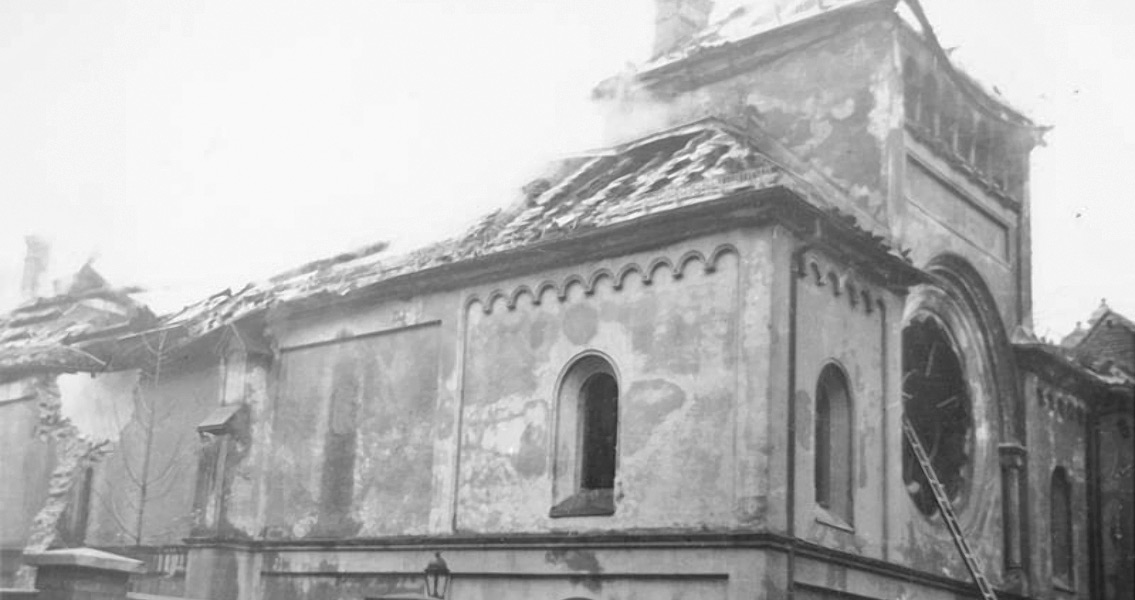
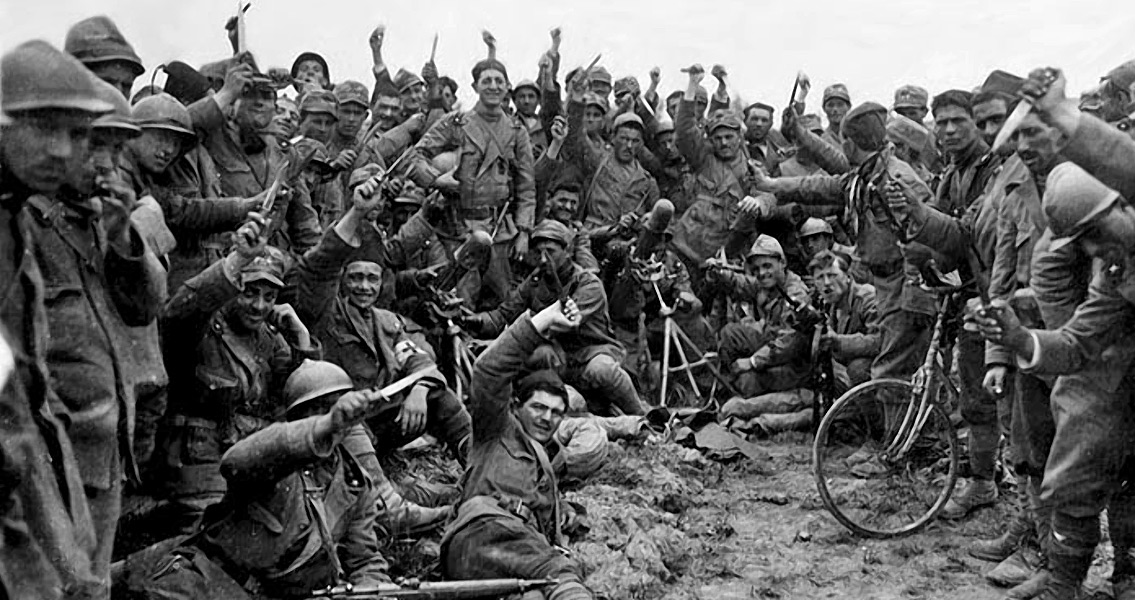
Jewish History. Pavin argues that the religious leaders of the Italian Jewish community ultimately came to identify with the Italian nationalistic cause unconditionally. Messages communicated through wartime propaganda were incorporated into the rabbis’ sermons without much critical questioning. With the outbreak of war, Italian rabbis pledged their full-fledged support for the cause. Patriotic enthusiasm is clearly visible in rabbis’ sermons, Pavin argues. The sacrifice made by Italian Jews who laid down their lives for their country was portrayed as something to aspire to. Based on these sermons, it appears that Jewish communities in Italy had fully assimilated with the Italian patriotic identity. Interestingly, a clear Jewish identity, separate and distinct from Italian Christians, remained intact. “The perception and self-representation of Jews as a distinct minority at both a religious and an ethnic level did not conflict with their sense of identification with and loyalty to their country,” Pavin argued, “and thus did not prevent the rabbis— as can be seen in their sermons—from fully supporting the Italian war effort.” Pavin makes some interesting arguments and draws some fascinating conclusions. Precisely how the rabbis’ messages were received, however, still needs further investigation. Pavin notes that the rabbis’ war was very different from the average Jewish soldier as it was free of blood and death, he suggests this disconnect as a possible explanation for why many Jewish soldiers did not seek serious support from their religious leaders. For more information: www.link.springer.com Image courtesy of Wikimedia Commons user: File Upload Bot (Magnus Manske)]]>
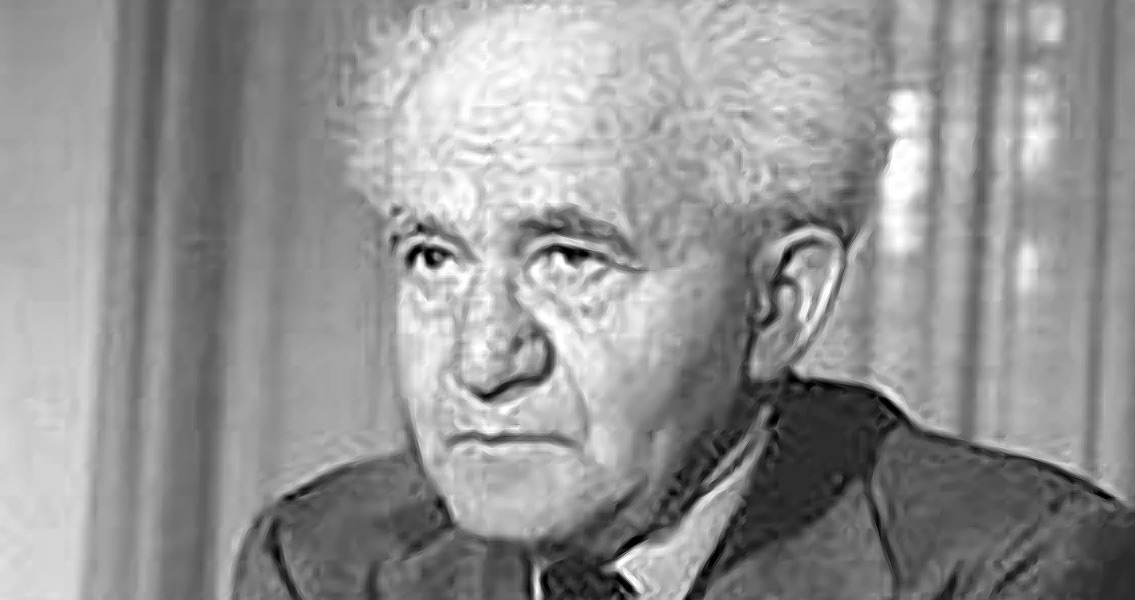
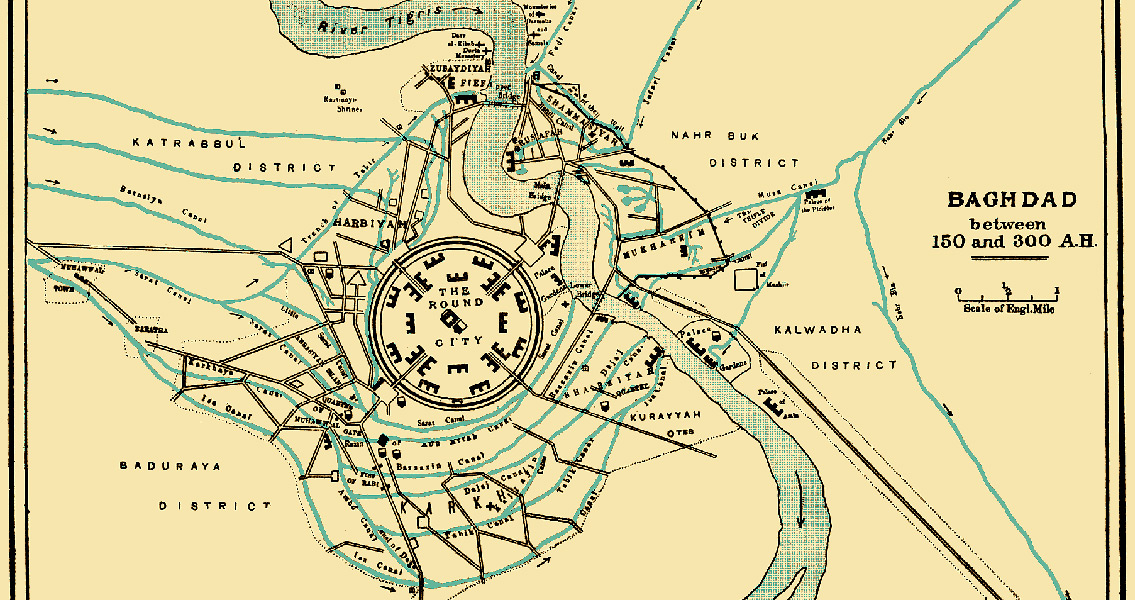
Jewish History. “Yet these narratives can often be dismantled when the primary sources that support the narrative are revisited.” Interestingly, Ackerman-Lieberman argues that the supposed move away from an agricultural economy towards a more urbanised, artisan way of life was merely a coincidence. Migration to the cities, he argues, simply coincided with the fact that agriculture was no longer the main source of income for Jews in the Middle East in the eighth and ninth centuries. Ackerman-Lieberman suggests that urbanisation was not the only process occurring in this period. Not only were urban centres growing, but rural areas were also. “Burgeoning irrigational infrastructure and the expansion of river transport led to intensified rural settlement akin to that seen in the urban areas,” he argued. It appears that there would have been little economic incentive for rural Jews to head towards urban centres, as agriculture was still a profitable business along the Tigris and Euphrates. Importantly, for the vast majority of Jewish farmers, it was not especially profitable for them to up sticks and change their means of generating an income. The impoverished majority of Jewish tenant farmers, Ackerman-Lieberman argues, simply lacked the financial capital to become merchants, while wealthier Jews could expand their rural holdings by engulfing smaller farms. One of the central tenets surrounding the supposed Jewish urbanisation is that there are very few mentions of Jews in historical records. Ackerman-Lieberman, however, views this silence in a different way. He argues that the record of Jewish agricultural pursuits is poor not because Jews were not involved in agriculture, but because what survives tends to be legal and mercantile letters, not agricultural correspondence. Also, much agricultural and commercial law had been settled before the Abbasids came to power. As a result, what legal records there are do not refer to numerous Jewish farmers in the law reports. “Without clearer evidence that the bulk of the Jewish population moved to the garrison cities in the eighth century,” Ackerman-Lieberman concluded, “the very reasonable explanation that Jews continued in their agricultural pursuits should be maintained.” It is important to note that Ackerman-Lieberman does not provide a clear explanation of what did happen to the Jewish population under the Abbasid caliphate. What he does do, however, is critically engage with an established narrative in Jewish history and effectively call into question many long-held assumptions. For more information: www.link.springer.com Image courtesy of Wikimedia Commons user: Andres rojas22]]>