Categories
Breaking News

History News of the Week – Minoan 'Masterpiece' Unearthed

Discovery of Minoan Sealstone Could ‘Rewrite’ History of Ancient Greek Art Researchers working at the tomb of 3,500 year old Bronze Age warrior in the southwest of Greece have unearthed an ‘intricately carved’ sealstone which University of Cincinnati (UC) archaeologists are heralding as one of the finest works of prehistoric Greek art ever discovered. Depicting an intense hand-to-hand battle, the artefact has been dubbed the ‘Pylos Combat Agate’. “Looking at the image for the first time was a very moving experience, and it still is,” said Shari Stocker, a senior research associate in UC’s Department of Classics “It’s brought some people to tears.” “What is fascinating is that the representation of the human body is at a level of detail and musculature that one doesn’t find again until the classical period of Greek art 1,000 years later,” explained Jack Davis, the university’s Carl W. Blegen professor of Greek archaeology and department head, in a statement from UC. Davis and Stocker have been leading a dig at the tomb of the Bronze Age warrior, which was first discovered in 2015. The tomb’s occupant has been dubbed the ‘Griffin Warrior’, and his final resting place has already yielded a wealth of fascinating artefacts, including four gold signet rings. The size of the hand carved stone is perhaps the most remarkable thing about it, measuring just 3.6cm in length. Many of its details can only be viewed with a powerful camera lens and photomicroscopy. “Some of the details on this are only a half-millimetre big,” said Davis. “They’re incomprehensibly small.” The dramatic image of a warrior plunging a sword into a shielded enemy’s neck is reminiscent of the kinds of scenes described in Homer’s Iliad. Although the researchers can’t say if the image reflects a Homeric epic, they’re confident it would be from a legend familiar to Minoans and Mycenaeans. “It would have been a valuable and prized possession, which certainly is representative of the Griffin Warrior’s role in Mycenaean society,” Stocker explained. “I think he would have certainly identified himself with the hero depicted on the seal.” The sheer skill that would have been needed to create the sealstone is causing a re-evaluation of the history and development of Ancient Greek art. “It seems that the Minoans were producing art of the sort that no one ever imagined they were capable of producing,” explained Davis. “It shows that their ability and interest in representational art, particularly movement and human anatomy, is beyond what it was imagined to be. Combined with the stylised features, that itself is just extraordinary.” “This seal should be included in all forthcoming art history texts, and will change the way that prehistoric art is viewed,” said Stocker. Date of Biblical Eclipse Pinpointed Researchers have determined the date of an ancient eclipse which is referred to in the Bible. They believe it could be the oldest date of a solar eclipse yet recorded. The researchers used a combination of the Bible and Ancient Egyptian texts to pinpoint the date of the eclipse to 30th October 1207 BCE. From this information they’ve been able to refine the dates of Egypt’s ancient pharaohs, particularly the reign of Ramesses the Great. Biblical scholars have long been perplexed by the book of Joshua, which describes Joshua leading the people of Israel in Canaan, a region which covers modern day Israel and Palestine. According to the Biblical text, Joshua prayed “Sun, stand still at Gibeon, and Moon, in the Valley of Aijalon. And the Sun stood still, and the Moon stopped, until the nation took vengeance on their enemies.” “If these words are describing a real observation, then a major astronomical event was taking place – the question for us to figure out is what the text actually means,” said paper co-author Professor Sir Colin Humphreys from the University of Cambridge’s Department of Materials Science & Metallurgy. “Modern English translations, which follow the King James translation of 1611, usually interpret this text to mean that the sun and moon stopped moving,” said Humphreys, who is also a Fellow of Selwyn College. “But going back to the original Hebrew text, we determined that an alternative meaning could be that the sun and moon just stopped doing what they normally do: they stopped shining. In this context, the Hebrew words could be referring to a solar eclipse, when the moon passes between the earth and the sun, and the sun appears to stop shining. This interpretation is supported by the fact that the Hebrew word translated ‘stand still’ has the same root as a Babylonian word used in ancient astronomical texts to describe eclipses.” Evidence that the Israelites were in Canaan between 1500 and 1050 BCE can be found in the Merneptah Stele, an Egyptian text dating from the reign of the Pharaoh Merneptah, son of Ramesses the Great. The large granite block, held in the Egyptian Museum in Cairo, says that it was carved in the fifth year of Merneptah’s reign and mentions a campaign in Canaan in which he defeated the people of Israel. Using an innovative eclipse code, one which considers variations in the planet’s rotation, the team determined that the only annular eclipse visible from Canaan between 1500 and 1050 BCE was on 30 October 1207 BCE, in the afternoon. If the team’s calculations, which have been published in the Journal of Astronomy and Geophysics, are correct, then it is possible to date the reign of both Ramesses and his son to within a year. “Solar eclipses are often used as a fixed point to date events in the ancient world, Humphreys said. If Humphreys et al’s results of accepted, then the reign of Merneptah began in 1210 or 1209 BCE. As it is known from Egyptian texts how long he and his father reigned for, it would mean that Ramesses the Great reigned from 1276-1210 BCE, with a precision of plus or minus one year, the most accurate dates available. Hitler Only Joined the Nazis After Being Rejected by Another Far-Right Group Adolf Hitler only joined the Nazi Party after being rejected by another far right group, a historian at Aberdeen University is claiming. According to the Independent, historian Dr Thomas Weber unearthed an unpublished document which reveals that the German Socialist party told Hitler in 1919 they did not want him in their party nor to write for their newspaper. Weber argues that this rejection by the German Socialist Party should be seen as a crucial historic event, a turning point which ultimately led to Hitler joining the Nazi party and becoming its leader. Weber suggests that Hitler would have found it much more difficult to rise to the leadership of the much larger German Socialist Party. “I can only speculate why they did not let him join but one would imagine it had something to do with the fact Hitler was opinionated and they did not want to have someone there who was telling them what to do,” he told the Independent. He added: “If he had been accepted into the German Socialist party he would have almost certainly remained on the sidelines. Hitler managed to push over the established leadership of Nazi party but that would have been very unlikely to have happened if he had joined the German Socialist party.” The document Weber has discovered is from the testimony of Hans Georg Grassinger, the founding chairman of the German Socialist party, reports the Guardian. It describes how, in 1919, Hitler approached Grassinger to join the Party. Hitler also asked Grassinger to borrow money. Hitler, who was 30 at the time, was informed that the party did not him in their ranks. Featured image: The tiny sealstone depicting warriors in battle measures just 1.4 inches across but contains incredible detail. Credit: University of Cincinnati ]]>

Categories
Breaking News

History News of the Week – Volcanoes Caused Upheavals in Ancient Egypt

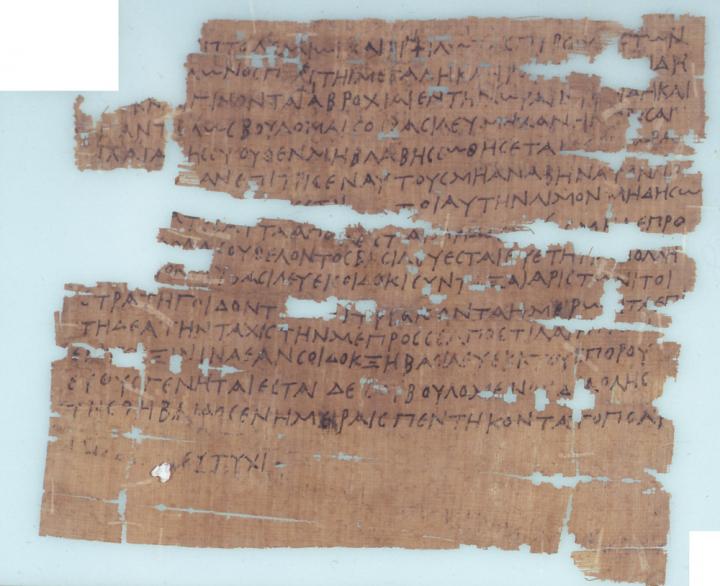
Volcano Led to Unrest in Ancient Egypt An event that “changed everything about Near-East history,” according to Yale University historian Joseph Manning, could be explained by volcanic eruptions. In the middle of a highly successful campaign against the Seleucid Empire, Ptolemy III, leader of the Ancient Egyptian Ptolemaic Kingdom, abruptly decided to return his forces back to Egypt in around 245 BCE. It was a dramatic and hugely significant move which historians have long been unable to explain. Manning and colleagues believe Ptolemy’s actions could be explained by the effects of volcanic eruptions. In particular, they’ve found evidence that by cooling the planet’s atmosphere, major volcanoes can disrupt the flow of the Nile River. This could have led to drastic food shortages in the region, and heightened tensions. Beyond the war with the Seleucid Empire, Manning believes that volcano eruptions could be linked to a host of upheavals and uprisings in Ptolemaic Egypt. Manning’s study, which has been published in the journal Nature Communications, drew on evidence ranging from ice core records to ancient papyri to analyse the effects of climate events on Ancient Egyptian society. “That’s the beauty of these climate records. For the first time, you can actually see a dynamic society in Egypt, not just a static description of a bunch of texts in chronological order,” Manning says. “This is of absolutely enormous importance.” During the Ptolemaic period, which spread from just after the death of Alexander the Great until the death of Cleopatra, Egyptian farmers depended hugely on flooding of the Nile in the summer months to irrigate their grain fields. “When the Nile flood was good, the Nile valley was one of the most agriculturally-productive places in the Ancient World,” says Francis Ludlow, a climate historian at Trinity College in Dublin and a co-author of the new study. “But the river was famously prone to a high level of variation.” If the Nile didn’t flood the land, it could lead to grain shortages. The authors suggest it was one such grain shortage that forced Ptolemy to return home in 245 BCE. The study authors highlight how this lack of flooding in the Nile could have been caused by volcano eruptions elsewhere on the planet. The key is a band of monsoon weather around the equator called the intertropical convergence zone. Most years, in the summer months, this band of weather moves up from the equator and floods one of the major tributaries to the Nile. When volcanoes erupt they blast out sulphurous gases which can ultimately cool the atmosphere. When this happens in the northern hemisphere, it can prevent the monsoon rains moving as far as normal. “When the monsoon rains don’t move far enough north, you don’t have as much rain falling over Ethiopia,” Ludlow said in a press release. “And that’s what feeds the summer flood of the Nile in Egypt that was so critical to agriculture.” Using computer simulations, the team found that poor flood years on the Nile matched up with major volcanic eruptions at locations across the globe. They then found that these volcanic eruptions also preceded major political and economic events that affected Egypt, including Ptolemy III’s abandonment of the campaign against the Seleucid empire, as well as the Theban Revolt. The volcanic eruptions didn’t cause these upheavals on their own, both Ludlow and Manning stress, but they likely added fuel to existing economic, political and ethnic tensions. Ominously, Ludlow claimed the findings could hold a warning for the future. “The twenty-first century has been lacking in explosive eruptions of the kind that can severely affect monsoon patterns. But that could change at any time,” he says. “The potential for this needs to be taken into account in trying to agree on how the valuable waters of the Blue Nile are going to be managed between Ethiopia, Sudan and Egypt.” Permian-Triassic Extinction Happened a Million Years Earlier than Thought New research in the remnants of the Godwanides mountain range has discovered evidence that one of the greatest mass extinction events in history happened earlier than previously thought. “We’ve established that climatic changes related to the devastating end of the Permian mass extinction event about 250 Million years ago were beginning earlier than previously identified,” said Dr. Pia Viglietti from the Witwatersrand University. The Permian-Triassic was one of history’s most significant mass extinction events, wiping out 96% of all marine species and 70% of terrestrial vertebrate species. Viglietti analysed fossil rich sediments present in the Karoo region of South Africa, which were deposited in the tectonic events that created the spectacular Gondwanides mountains. She found that the vertebrate animals in the area started to go extinct much earlier than would be expected under conventional dating of the mass extinction event. “The Karoo Basin takes up a huge portion of South Africa and most of us who drive through it do not think much of it,” explained Viglietti. “But if you know what you’re looking for, the Karoo represents a wealth of knowledge about the story of life on Earth.” She continued: “The Gondwanides not only influenced how and where rivers flowed (depositing sediment), it also had a significant effect on the climate, and thus the ancient fauna of the Karoo Basin,” As mountains erode, they place less weight on the earth’s crust, meaning the depression they’ve created in it starts to reduce. 100 million years ago, the Gondwanides would have had this effect on the Karoo region. This process is recorded in the sediment by periods of deposition and non-deposition. “During my PhD, I have identified a new tectonic “loading” event (mountain building event) that kick-started sedimentation in the Latest Permian Karoo Basin,” explained Viglietti. The sediments during this loading event also provided evidence of climatic changes as well as evidence of a previously overlooked “faunal turnover”, which points to the start of the end Permian mass extinction event, according to Viglietti’s findings. “Within the last million years before this major biotic crisis, the animals had already started to react. I interpret this faunal change as resulting from climatic effects relating to the end-Permian mass extinction event – only occurring much earlier than previously identified,” concluded Viglietti. Viglietti’s study has been published in the journal Scientific Reports. Amber Room Discovered? Three German researchers claim to have discovered the most valuable piece of treasure looted by the Nazi regime, the Independent reports. A series of ornate panels, the legendary Amber Room is often considered the most expensive item stolen by the Nazi’s in the Second World War. Embellished with amber and gold leaf, the panels were gifted to Peter the Great in 1716. Estimated to be worth £224 million, their whereabouts has remained a mystery since the end of the war. After examining witness reports compiled by the Stasi and KGB after World War Two, treasure hunters Leonhard Blume, Peter Lohr and Günter Eckhardt concluded that the Amber Room had been hidden in a network of tunnels in a cave in the Ore Mountains, eastern Germany. They used radar to reveal what lay beneath the cave outside the town of Hartenstein, close to the Czech border. “We discovered a very big, deep and long tunnel system and we detected something that we think could be a booby trap,” Blume told The Times. The three explorers also claim to have found evidence of an explosion in the area, which they say fits with witness accounts of items being hidden in the tunnel and then the entrance blown up to hide them. According to the Independent, historians tend to argue that either the Amber Rooms were destroyed in an air raid on Konigsberg, or by Soviet soldiers at the end of the war. Blume, Lohr and Eckhardt are now seeking funding from a sponsor, so they can excavate the location. Featured Image Caption: This piece of papyrus from the mid-Third Century BCE describes a period of famine in Egypt that occurred when the Nile River failed to flood for several years in a row. It was collected from the Egyptian city of Edfu. Credit: © Department of Papyrology, Institute of Archaeology, University of Warsaw ]]>

Categories
Breaking News

History News of the Week: Earthquakes Shaped Ancient Greek Culture

Did Earthquakes Shape Ancient Greek Culture? New research claims that earthquake faults could have played a central role in shaping the culture of Ancient Greece. Professor of Geoscience Communication Iain Stewart MBE, Director of Plymouth University’s Sustainable Earth Institute, has presented a host of documentaries about how the power of earthquakes has shaped landscapes and communities. Now, he claims the Ancient Greeks could have deliberately built sacred or treasured sites on land affected by seismic activity. It has previously been argued that Delphi, once home to a legendary oracle, gained its important role in Classical Greek society as a result of a scared spring and intoxicating gases that emanated from a fault line formed by an earthquake. Stewart argues that Delphi might not be the only such case, suggesting that the cities of Mycenae, Ephesus, Cnidus and Hierapolis could have all been constructed around fault lines. “Earthquake faulting is endemic to the Aegean world, and for more than 30 years, I have been fascinated by the role earthquakes played in shaping its landscape. But I have always thought it more than a coincidence that many important sites are located directly on top of fault lines created by seismic activity,” Professor Stewart said. “The Ancient Greeks placed great value on hot springs unlocked by earthquakes, but perhaps the building of temples and cities close to these sites was more systematic than has previously been thought.” The Aegean region has an abundance of fault lines and ruined ancient settlements, but Stewart claims that many seismic fault traces in the region run through the heart of some ancient settlements’ most sacred structures. In Delphi, for instance, a sanctuary was destroyed by an earthquake in 373BCE. The city’s temple was subsequently rebuilt directly on the same fault line. It’s previously been suggested that legendary tales of individuals descending into the underworld to gain oracular status, could be referring to caves or grottoes formed by seismic activity. Professor Stewart concludes: “I am not saying that every sacred site in ancient Greece was built on a fault line. But while our association with earthquakes nowadays is that they are all negative, we have always known that in the long run they give more than they take away. The ancient Greeks were incredibly intelligent people and I believe they would have recognised this significance and wanted their citizens to benefit from the properties they created.” Frog and Salamander Ancestors had a Full Mouth of Teeth Modern frogs and salamanders are close to toothless, but a new study from the University of Toronto highlights that this was far from the case with some of their ancestors. According to the study, published online in the journal PeerJ, the ancient amphibian ancestors had a full array of teeth, large fangs and thousands of tiny hook-like structures called denticles on the roofs of their mouths that would snare prey. The authors of the paper, Professor Robert Reisz and his colleagues Bryan Gee and Yara Haridy, two graduate students, believe that the tooth bearing plates “were ideally suited for holding on to prey, such as insects or smaller tetrapods, and may have facilitated a method of swallowing prey items via retraction of the eyeballs into the mouth, as some amphibians do today.” In many vertebrates, ranging from fish to early synapsids (ancestors of mammals), denticles are commonly found in dense concentrations on the bones of the hard palate (roof of the mouth). However, in one group of tetrapods, temnospondyls (which are thought to be the ancestors of modern amphibians), these denticles were also found on small, bony plates that filled the large soft part of the palate. Suspended in soft tissue, these toothy palettes are often lost during the process of fossilisation. “Denticles have all of the features of the large teeth that are found on the margin of the mouth,” says Reisz. “In examining tetrapod specimens dating back ~289 million years, we discovered that the denticles display essentially all of the main features that are considered to define teeth, including enamel and dentine, pulp cavity and peridontia.” The team’s study saw them analyse specimens unearthed from the fossil rich Dolese Brothers Limestone quarry near Richards Spur, Oklahoma. Reisz and colleagues claim that the next area of study will be determining why modern amphibians have reduced or no teeth, but their ancient ancestors had mouths full of them. Nazi Relics Discovered in Austrian Parliament A range of Nazi artefacts have been discovered in the Austrian parliament building in Vienna during renovation works, the Jerusalem Post reports. Two busts of Hitler, four Nazi era paintings and a relief were discovered in a box hidden in the building’s basement, reports claim. Following the Anschluss, when Nazi Germany annexed Austria in 1938, the parliament building was turned into a “Gauhaus”, a local Nazi party headquarters. It continued to serve as the Nazi base in Vienna until the end of the Second World War. According to the Jerusalem Post, the Nazi artefacts have now been handed to University of Vienna historians Bertrand Perz and Verena Pawlowsky, who are exploring the building’s Nazi history. They will make recommendations on how best to preserve the relics for the future, the Jerusalem Post writes, citing Austrian newspaper Der Standard. Image courtesy of Free On Line Photos [Copyrighted free use], via Wikimedia Commons]]>

Categories
Breaking News

History News of the Week – A Cover-up of a Nazi Plot, a Ghost Species, and a Rethink on Australia

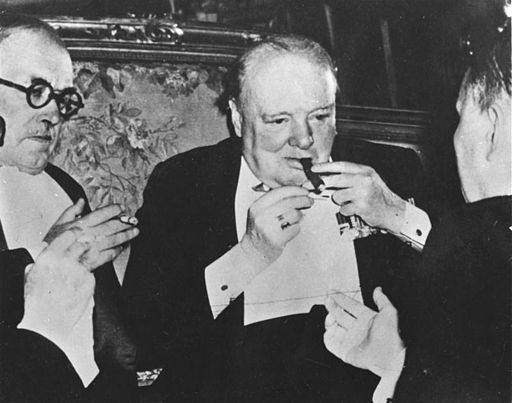
Churchill Tried to Cover-up Nazi Royal Plot Newly released papers from the UK’s National Archives have revealed that Winston Churchill wanted to “destroy all traces” of telegrams about a Nazi plot to reinstate the abdicated King Edward VIII to the throne in return for his support during the Second World War. According to the Guardian, the telegrams reveal a plan to kidnap the Duke of Windsor – as the abdicated monarch was then known, and his wife Wallis Simpson, in Portugal in 1940. The Cabinet Office papers released by the National Archives reveal a 1953 appeal from Churchill to US president Dwight D Eisenhower and the French government to prevent publication of the telegrams for at least “10 to 20 years”, the Guardian reports. Churchill believed the telegrams were likely to give the misleading impression that the duke was in regular touch with German agents, and open to ideas which were disloyal. The prime minister’s appeal was made after he’d learnt a microfilm of the documents had fallen into the hands of the US State Department, and were being considered for inclusion in the US’ official history of the war. Although Churchill succeeded, and publication of the telegrams was delayed by a few years, they still eventually came to light in 1957. “Ghost” Species Points to Interbreeding Between Humans and Other Hominins Through studying saliva, scientists have discovered clues to a “ghost” species of archaic humans that may have contributed genetic material to the ancestors of people living in Sub-Saharan Africa today. The new findings add to growing evidence that sexual relationships between different species of archaic humans might not have been unusual, and in fact the norm. Previous research has already concluded that the ancestors of modern humans interbred with other hominin species, such as Neanderthals and Denisovans, in Asia and Europe. The latest research, published in the journal Molecular Biology and Evolution, adds to other recent genetic analyses indicating ancient Africans also interbred with other early hominins. “It seems that interbreeding between different early hominin species is not the exception — it’s the norm,” said Omer Gokcumen, PhD, an assistant professor of biological sciences in the University at Buffalo College of Arts and Sciences. “Our research traced the evolution of an important mucin protein called MUC7 that is found in saliva,” he said. “When we looked at the history of the gene that codes for the protein, we see the signature of archaic admixture in modern day Sub-Saharan African populations.” The MUC7 protein gives spit its slimy consistency, as well as binding to microbes, which may help the body get rid of disease-causing bacteria. The team of scientists were researching the purpose and origins of the protein by examining the gene in more than 2,500 human genomes, when they discovered that one group from Sub-Saharan Africa had a significantly different version to that found in other humans. “Based on our analysis, the most plausible explanation for this extreme variation is archaic introgression – the introduction of genetic material from a ‘ghost’ species of ancient hominins,” Gokcumen says. “This unknown human relative could be a species that has been discovered, such as a subspecies of Homo erectus, or an undiscovered hominin. We call it a ‘ghost’ species because we don’t have the fossils.” The study was led by Gokcumen and Stefan Ruhl, DDS, PhD, a professor of oral biology in UB’s School of Dental Medicine. Humans May Have Arrived in Australia 10,000 Years Earlier than Thought Newly discovered artefacts suggest humans arrived in Australia 10,000 years earlier than previously believed. Exactly when Australia was first settled by humans has long been shrouded in ambiguity, with recent studies seemingly pushing the approximate date further and further back in time. A team of researchers led by the University of Queensland, and including scientists from the University of Washington, found and dated artefacts from Madjedbebe, Northern Australia that suggest humans arrived there 65,000 years ago. A paper detailing the artefacts and the dating method has been published in the journal Nature. The new findings could have a significant impact on theories about the emergence of early humans and how they coexisted with their environment. In particular, according to the researchers it throws serious doubt on the idea that humans caused the extinction of megafauna such as giant kangaroos, wombats and tortoises. “Previously it was thought that humans arrived and hunted them out or disturbed their habits, leading to extinction, but these dates confirm that people arrived so far before that they wouldn’t be the central cause of the death of megafauna,” co-author and UW associate professor of anthropology Ben Marwick said. “It shifts the idea of humans charging into the landscape and killing off the megafauna. It moves toward a vision of humans moving in and coexisting, which is quite a different view of human evolution.” Among the artefacts discovered were ochre crayons and other pigments, as well as objects believed to be the world’s oldest edge-ground hatchets, potential evidence that these ancient humans ground seeds and processed plants. The artefacts were dated using radiocarbon dating and optical stimulated luminescence (OSL) – a technique used on minerals that can reveal a variety of things, such as the last time a grain of sand was exposed to sunlight – useful for determining when an artefact was buried. Featured Image courtesy Bundesarchiv, Bild 183-14059-0005 / CC-BY-SA 3.0 [CC BY-SA 3.0 de (http://creativecommons.org/licenses/by-sa/3.0/de/deed.en)], via Wikimedia Commons ]]>

Categories
Breaking News

History News of the Week – Ancient Egyptian Prosthesis Studied

New insights into remarkable Ancient Egyptian prosthesis Egyptologists from the University of Basel have been examining a 3,000-year-old prosthetic big toe from Ancient Egypt. Discovered in a female burial from the necropolis of Sheikh Abd el-Qurna close to Luxor, the prosthesis had been studied before, but the Swiss team have now examined it using the most cutting-edge techniques, such as modern microscopy, X-ray technology and computer tomography. It’s been revealed that the remarkable artefact was refitted several times to its owner, a priest’s daughter. The researchers have also reclassified the materials used in the wooden toe’s construction, and determined how the prosthesis was made and utilised. The new analysis has revealed the skill involved in the toe’s construction, particularly in the mobility the prosthesis would have offered, and the intricately designed belt strap which would have fastened it to its wearer. Together with experts from ETH Zurich, the scientists from Basel are assessing the natural and man-made structures of the tomb and its surroundings. According to a statement from the University: “The specialists are currently developing geometric precise digital elevation, landscape, and architecture models for this area. These will then be combined to an archaeological and geological 3-D map that will illustrate the morphology of the terrain as well as the investigated subterranean structures. On that basis, the researchers want to reconstruct and simulate the development of the cemetery and its use phases.” Water Bottles used by Native Americans could have been poisonous A new study suggests that the water bottles manufactured by Native Californian Americans could have been detrimental to their health. Scientists recreated the Native American water bottles to gain insights into the manufacturing process. In particular, they wanted to see if bitumen, a material derived from petroleum, could have had an impact on the indigenous Californians’ health. The team made two types of ancient water bottle using traditional Native American methods. One of the bottles was lined with soft bitumen, known as ‘malak’, which washes ashore after seeping through the ocean floor, and one was lined with hard bitumen, known as ‘woqo’, typically found in land deposits. “In accordance with historical records, we used a Monterey chert flake and a bird bone awl to weave baskets from soft rush plants from California. We sourced abalone shells to use as mixing dish and heated the bitumen with metavolcanic pebbles before applying to the basket by hand using a sea mammal bone,” said Kevin Smith, co-author of the study and a PhD student from the University of California. Bitumen consists of polycyclic aromatic hydrocarbons (PAHs), which are linked with health problems such as cancer, hormone imbalances, organ damage and developmental impairments. After studying the recreated bottles, the scientists behind the study found that although storing water in the bitumen lined bottles didn’t cause dangerous levels of PAHs to leech out – even after two months, olive oil quickly became contaminated, suggesting the storage of fatty foods could have been a health risk. Dr Sabrina Sholts, lead author of the study from the Smithsonian Institution’s National Museum of Natural History, said: “To our knowledge, this is the first time that experimental archaeology has been used to quantify PAH exposure in an ancient population. We believe that our research provides a deeper temporal context for understanding health impacts and evolutionary changes related to harmful chemical exposure caused by human technology.” The study has been published in the journal Environmental Health. Nazi artefacts found in Argentina could be fake On 20th June, the New York Post reported a “a trove of original Nazi artefacts” had been discovered in Argentina. Among the objects were an original bas relief of Hitler and a medical device used for measuring heads. The collection of 75 objects was found hidden in an art collector’s home, just outside the capital city of Buenos Aires. According to the Associated Press, the objects are believed to have belonged to high-ranking Nazis in Germany. “Our first investigations indicate that these are original pieces,” Argentine Security Minister Patricia Bullrich told the Associated Press On 24th June, the Washington Examiner reported that the objects could be fake, citing a leading auctioneer of Nazi artefacts, Bill Panagopulos, president of Maryland-based Alexander Historical Auctions. Panagopulos said the items were ‘obvious replicas’, after seeing video footage and pictures of the artefacts. The art collector whose home the objects were discovered in is still under investigation. Image courtesy of University of Basel, LHTT. Image: Matja� Kačičnik ]]>

Categories
Breaking News

History News of the Week: Did the Nazis Tolerate Lesbians?

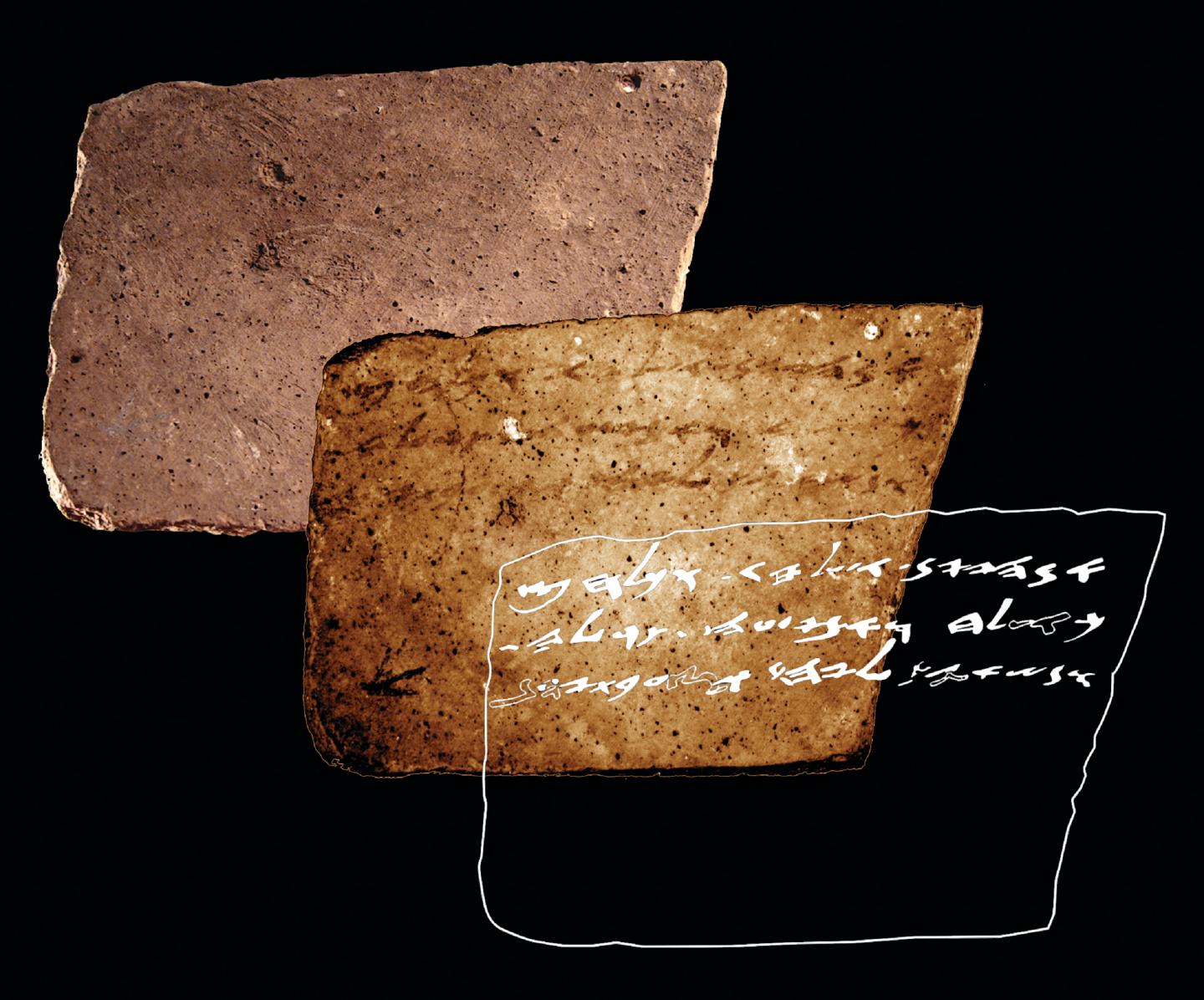
Limited toleration of Lesbianism in Nazi Germany A new study claims that the Nazi regime, infamous for its discrimination and oppression, had some toleration for Lesbians. Samuel Clowes Huneke, a doctoral candidate in history at Standford University in the USA, analysed police examination files from the 1940s related to alleged violations of same sex relations laws. His findings have been published in the Journal of Contemporary History. “These files add a new level of nuance to existing scholarship,” Huneke said in a statement from Stanford. “They hint at a more normal existence that was the daily experience of some lesbians in the Third Reich.” The Nazi regime’s persecution of homosexual men is well known, with homosexual acts between men explicitly criminalised. Somewhere between 5,000 and 15,000 alleged homosexual men were incarcerated in concentration camps under the Nazi regime, with up to 60% of them dying in the camps. The experience of homosexual women in Nazi Germany however, is much more ambiguous, especially because women were excluded from the laws that made homosexuality illegal among men. Huneke argues that Nazi officials didn’t view lesbians as a threat, as women were banned from most spheres of politics and public life “In light of both the fearsome persecution of homosexual men and scholarship that places it in the context of National Socialist pronatalism, the regime’s seeming lack of interest in female homosexuality is startling, for in other respects the government placed considerable burdens on women,” writes Huneke, who is working on a dissertation about the history of homosexuality in postwar Germany. Files Huneke discovered in 2015 show that Nazi authorities investigated eight women in Berlin, all denounced for violating same sex laws. In each case, authorities determined the women could not be prosecuted for same-sex relations under the criminal code. “To scholars accustomed to seeing in the Nazi state a jungle of overlapping jurisdictions, personal initiative and law based solely on the Führer’s wish, this is a curious portrait of the Nazi justice system, one marked by an unexpected concern for the strict interpretation of statute,” Huneke writes in his article. Invisible Hebrew inscription revealed Tel Aviv University (TAU) researchers have discovered and deciphered an invisible inscription on the back of a pottery shard which has been on display in the Israel Museum for over 50 years. The ostracon – an ink inscribed pottery shard, dates back around 2,600 years, to the period just before the destruction of the kingdom of Judah by Nebuchadnezzar. An inscription on the ostracon’s front side was noticed when the object was first unearthed in 1965, and has been thoroughly studied by scholars. Opening with a blessing by Yahweh, it also discusses money transfers. The back of the shard had been considered blank however, until now. “Using multispectral imaging to acquire a set of images, Michael Cordonsky of TAU’s School of Physics noticed several marks on the ostracon’s reverse side. To our surprise, three new lines of text were revealed,” said Arie Shaus of TAU’s Department of Mathematics and one of the principal investigators of the study published in the journal PLOS ONE. Deciphering 17 words on the object’s reverse, the researchers concluded it was a continuation of the text on the front side. “The new inscription begins with a request for wine, as well as a guarantee for assistance if the addressee has any requests of his own,” said Shaus, in a statement. “It concludes with a request for the provision of a certain commodity to an unnamed person, and a note regarding a ‘bath,’ an ancient measurement of wine carried by a man named Ge’alyahu.” Tel Arad was a military outpost at the southern border of the kingdom of Judah, stationing 20 to 30 soldiers. One tonne World War Two bomb exploded at Sevastopol Explosive experts in Sevastopol have successfully destroyed a one-tonne World War Two bomb, according to the Daily Mail. The parachute mine was found seventeen metres under the surface, in the bay of Sevastopol, on the Crimean Peninsula. It seems likely that the massive bomb was dropped in 1941 as part of a Nazi campaign to block the entrance to Sevastopol’s port – in turn disrupting shipping to and from the city. According to the Daily Mail, the bomb had to be destroyed due to its proximity to a gas pipeline, hydraulic engineering facility and a shellfish farm. The delicate operation took nine hours, and saw divers move the bomb into open sea, before it was detonated remotely using a robot submarine. The ferocious detonation included a massive amount of seawater being blown some 100 feet (30.5 metres) into the air. ]]>

Categories
Breaking News

History News of the Week: Nazi Loot, B-25s and Prehistoric Ochre

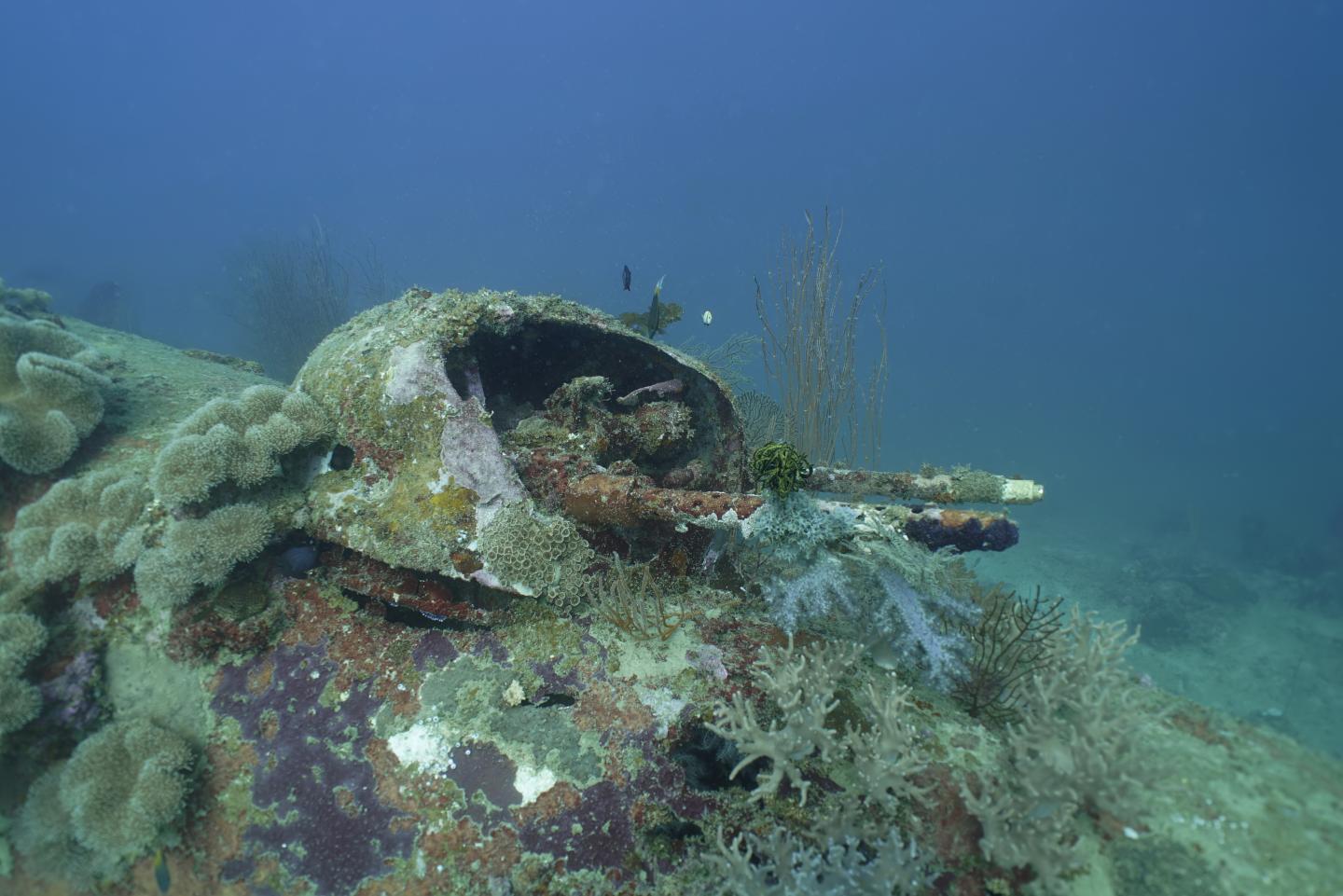
Middle Stone Age Humans used Ochre for Millennia A new study published in the journal PLOS ONE claims that Middle Stone Age humans living in a cave in what is now Ethiopia were using ochre for at least 4,500 years. An iron-rich rock, ochre is a common find at many Middle Stone Age sites. The Porc-Epic cave in Ethiopia contains the largest collection of ochre from the period, weighing 40 kg and believed to date to 40,000 years ago. The authors of the PLOS ONE study conducted a detailed analysis of 3792 pieces of ochre from Porc-Epic, using microscopy and experimental reproduction of grinding techniques to assess how the ochre had been processed and used over a period of 4,500 years. The researchers, led by Daniela Rosso from the University of Barcelona, Spain, found that the inhabitants of the cave persistently and consistently acquired, processed and used the same types of ochre throughout the period. Around 50% of the ochre pieces discovered had been modified by the prehistoric inhabitants, but the team also found that as time went on the inhabitants processed less ochre. The forms of modification also changed, with flaking and scraping becoming more popular while grinding became less so. These gradual changes in processing techniques could be explained by “cultural shifts”, according to the researchers. The authors state that their analysis of ochre treatments suggests a “cohesive behavioral system shared by all community members and consistently transmitted through time.” Two Missing B-25s Documented Two B-25 bombers, believed to be linked to missing US service personnel, have been documented in the waters off Papua New Guinea. The findings are part of Project Recover, a collaboration between marine scientists, archaeologists and volunteers to find US military aircraft and associated MIAs from World War Two. Searching over an area of 10 km2, Project Recover unearthed a B-25 that had been missing for over 70 years, one which is linked with a crew of six MIAs. “People have this mental image of an airplane resting intact on the sea floor, but the reality is that most planes were often already damaged before crashing, or broke up upon impact. And, after soaking in the sea for decades, they are often unrecognisable to the untrained eye, often covered in corals and other sea-life,” said Katy O’Connell, Project Recover’s Executive Director, who is based at the University of Delaware’s College of Earth, Ocean, and Environment. “Our use of advanced technologies, which led to the discovery of the B-25, enables us to accelerate and enhance the discovery and eventual recovery of our missing servicemen.” Former Nazi Loot Goes to Auction 80 years after being looted by the Nazis, an Italian masterpiece is set for auction at Sotheby’s in London, according to the Guardian. Depicting a stunning view of Venice, La Punta della Dogana e san Giorgio Maggiore was painted in 1739 by Michele Marieschi. In 1938 the painting belonged to the Grafs, a Viennese Jewish family who fled Austria after the country was annexed by Nazi Germany. Forced to leave their valued artwork behind, they searched in vain after the war for their lost masterpiece. In 1998, it was revealed that Christie’s knew the whereabouts of the painting, but could not disclose the information due to client confidentiality rules. After years of negotiation a settlement has finally been agreed with the descendants of the Graf family. Although the exact terms have not been disclosed, the painting will have to be sold so the current owners can receive a ‘significant’ sum in compensation, according to the Guardian. Going to auction on 5th July, the picture is expected to fetch somewhere between £500,000 and £700,000. Image courtesy of Project Recover ]]>

Categories
Editorial

Fascism USA – Priests, Nazis and the New Deal

How do you define fascism? Like any political ideology, it is difficult to define fascism convincingly; debates over definition clouded by historical examples serving as inescapable archetypes. The Oxford Dictionary defines fascism as: “a political philosophy, movement, or regime (as that of the Fascisti) that exalts nation and often race above the individual and that stands for a centralized autocratic government headed by a dictatorial leader, severe economic and social regimentation, and forcible suppression of opposition.” Taking this as a basis, elements of fascism have been seen throughout US history, and in particular in the 1930s. Fascism Versus the New Deal Fascism took hold in Europe in the wake of economic calamity. In the USA, the response to the Great Depression was the election of Franklin D. Roosevelt to the presidency and the implementation of the New Deal – a program of government investment, extension of federal authority and welfare spending designed to stabilise the US economy. Roosevelt was elected president four times, but his liberal politics were far from universally popular. Like Europe, there were those in the US who felt fascism was the only way forward. Father Charles Coughlin Eleven days after the Kristallnacht massacre of Jews in Germany, Michigan based Catholic priest Father Charles Coughlin took to the airwaves in defence of the Nazis’ actions. A swift backlash ensued against Coughlin, culminating in New York radio station WMCA cancelling his show. Nevertheless, Coughlin continued broadcasting from his Michigan church. Father Coughlin associated Judaism with Russian Communism. To him, the actions of the Nazis, including their blatant antisemitism, were a means to fight off Communists. Speaking to a reporter in the late 1930s about the path of politics in the USA, Coughlin said: “I take the road of fascism”. A few years earlier the charismatic priest had formed his own political party, and even made a run for the White House. In 1933 the radio stations carrying Coughlin’s broadcasts had a potential audience of some 40 million people. Rallying against internationalism, bankers and Jews, Coughlin started a new political organisation in 1934, the National Union for Social Justice. Two years later, the party had a candidate in the presidential election. At a rally in Rhode Island, Coughlin declared, “I shall have the courage to stand up and advocate the use of bullets”, promising “more bullet holes in the White House than you could count with an adding machine.” Coughlin’s candidate, William Lemke, suffered an embarrassing defeat by winning just nine hundred thousand votes. Combined with the backlash against his post Kristallnacht broadcast, Coughlin was increasingly pushed into retiring from public life. The German American Bund Father Coughlin wasn’t alone in backing Hitler and the Nazis. Supporters of the German American Bund remained loyal to the Nazis throughout the Great Depression, and into the 1940s. The German American Bund was essentially an organisation of ethnic Germans living in the USA. Its support of Nazism stretched to antisemitism, anti-communism, and an insistence that the USA should remain neutral in the Second World War. German American Bund leader Fritz Kuhn was regarded as the leading antisemite in the USA. His organisation carried out a range of activities around the USA, publishing books and magazines, organising rallies, even maintaining youth organisations similar to the Hitler Youth in Germany. Kuhn was ultimately imprisoned for embezzling funds, while other leaders of the group were arrested as the USA headed towards war with Germany. With support waning, the organisation was eventually banned after the USA entered the fray of World War Two. Father Charles Coughlin and the German American Bund are two American Fascist movements that existed in the run up to the Second World War. There were others, such as the Black Legion; a Ku Klux Klan splinter group which indulged in acts of terrorism and vigilantism, but what makes the German American Bund and Father Coughlin so shocking is the level of public respectability their representatives and their ideas seemed to win. Fascist governments never took hold in the USA in the twentieth century like they did in Spain, Italy, Germany and elsewhere in Europe. However, that doesn’t mean that fascism hasn’t left its mark on US history. ]]>

Categories
Breaking News

Anne Frank Possibly Not Betrayed but Captured by Chance

The Diary of A Young Girl has since been translated into over sixty different languages. The latest revelation that the family were not betrayed is likely to be a controversial one. For many years the story of the Frank family has been considered a symbol of Dutch bravery and defiance in the Second World War, but also of collaboration. Many studies have previously tried to solve the mystery of who actually reported the family. Carried out by the Anne Frank House, the new study published last Friday sought to find out what led the authorities to the hiding place of the Frank family. “The question has always been: Who betrayed Anne Frank and the others in hiding? This explicit focus on betrayal, however, limits the perspective on the arrest,” reads the five page summary of the study. As well as examining details of the arrest itself, the new study is the first to also look at Anne Frank’s Diary as a source to gain an insight into what drew the authorities to the address at Prinsengracht 263. The researchers found that there was a lot happening at the house that could have attracted the attention of Nazi authorities. “This new study reveals that there was more going on at 263 Prinsengracht than just people being hidden in the Secret Annexe. Illegal work and fraud with ration coupons was also taking place.” they write in the summary. “…it is possible that the SD searched the building because of this illegal work and fraud with ration coupons, and that the SD investigators discovered Anne Frank and the seven others in hiding simply by chance.” Two men in the building dealt illegal ration cards, and had been arrested earlier in 1944, a fact actually mentioned in Anne’s Diary. The study explains: “During their day-to-day activities, investigators from this department often came across Jews in hiding by chance.” As the authors of the study admit, their findings don’t completely refute the idea that the eight Jews hiding in the Annexe were betrayed. The study does however, show that the details of their capture are yet to be fully explained, that the popular telling of the story might be too simple. More information about the study can be found here ]]>

Categories
Breaking News

Nazi Networks in Post War Germany Under Investigation

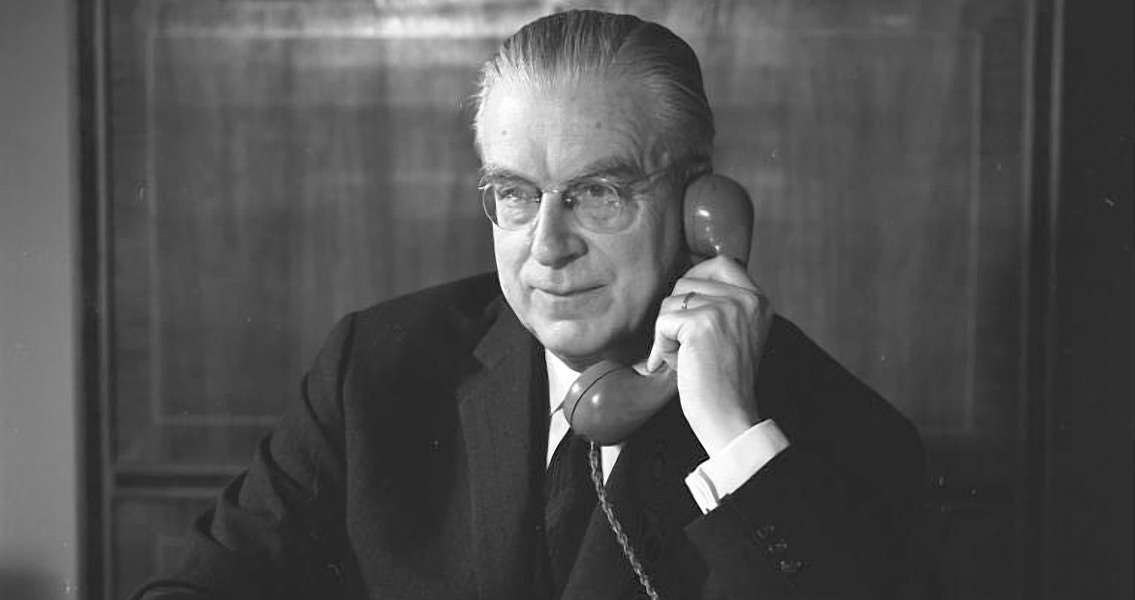
Adolf Eichmann, were eventually captured, while others managed to evade justice for the rest of their lives. While many who’d worked in the higher echelons of the Nazi regime were either killed in the Second World War or prosecuted at the Nuremberg Trials, lower level party members or soldiers were often allowed to continue unpunished, forging careers in Germany’s post war society. ]]>