Categories
Breaking News

Ancient Humans Pushed Large Mammals to Extinction – The History News of the Week

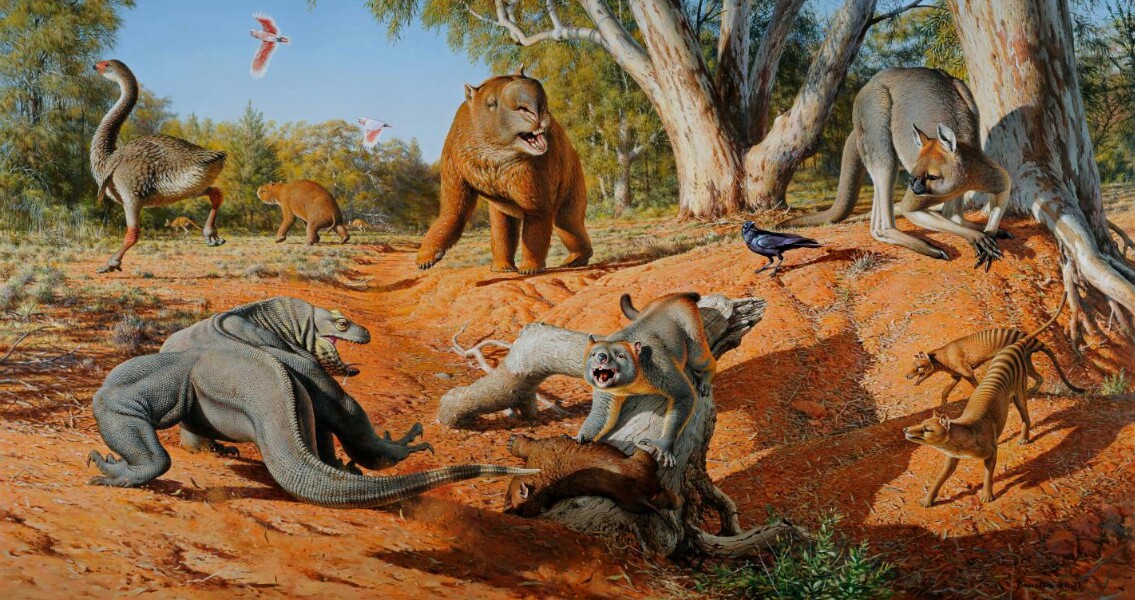
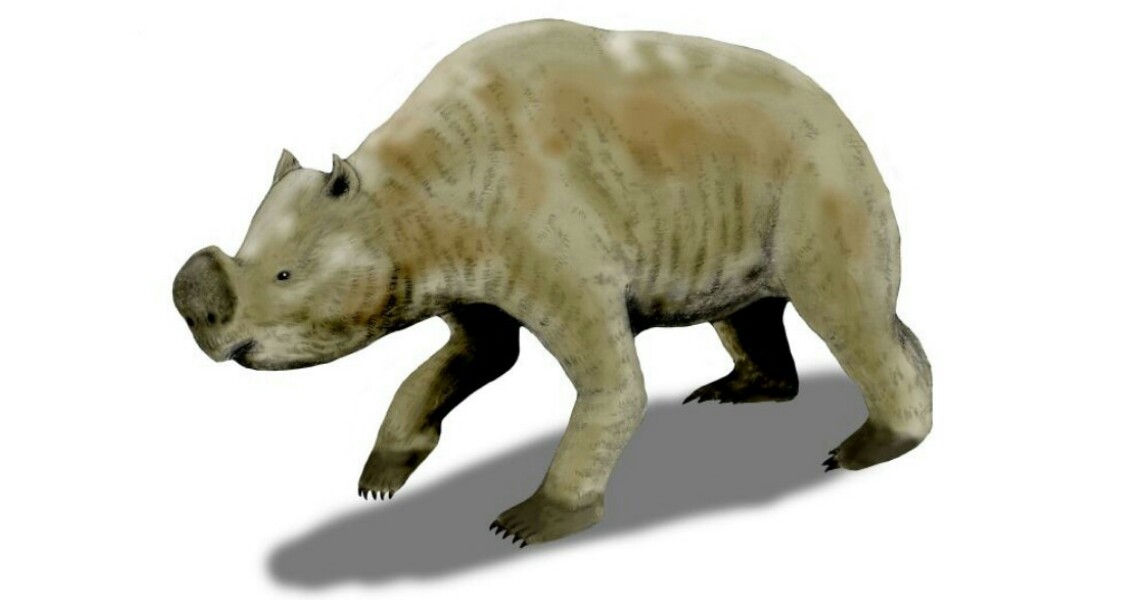
Science, the authors claim that the ‘magnitude and scale’ of the size-based extinction surpassed any other in the last 66 million years. Importantly, they claim that their research also found little evidence that climate change could have been responsible for these extinctions. “If climate were causing this, we would expect to see these extinction events either sometimes (diverging from) human migration across the globe or always lining up with clear climate events in the record,” said Lyons. “And they don’t do either of those things.” [caption id="attachment_8594" align="alignnone" width="800"]Zygomaturus_BW Zygomaturus trilobus, a diprotodontid marsupial from the Pleistocene of Australia, digital. Credit: Nobu Tamura (http://spinops.blogspot.com) via Wikimedia Commons[/caption] Conflicting Evidence Multiple studies in recent years have attempted to come up with an answer as to what drove the mass extinction of the world’s megafauna. Indeed, within days of each other last January two separate studies focusing on Australia came to significantly different conclusions. An article recently published in the journal Nature Communications claimed to have evidence pointing to 85% of megafauna weighing over 100 pounds in south-west Australia going extinct within a few thousand years of humans arriving in the region. A study in Quarternary Science Journal meanwhile, claimed that humans and the large marsupial Zygomaturus trilobus coexisted with each other in Australia for at least 17,000 years. That research claims that the spectacular creatures, roughly the size of a bull, lived until the beginnings of the Last Glacial Maximum. Intriguingly, the latter study argues that the dramatic climate change caused the region’s plains to dry up, forcing the animals into closer contact with humans. This could have meant the creatures started to be hunted, a theory that links human activity and climate change in the destruction of a megafauna species. Featured image is a statue of the Columbian mammoth housed at the University of Nebraska-Lincoln. Image credit: Craig Chandler, University of Nebraska-Lincoln]]>

Categories
Breaking News

History News of the Week – A Cover-up of a Nazi Plot, a Ghost Species, and a Rethink on Australia

Churchill Tried to Cover-up Nazi Royal Plot Newly released papers from the UK’s National Archives have revealed that Winston Churchill wanted to “destroy all traces” of telegrams about a Nazi plot to reinstate the abdicated King Edward VIII to the throne in return for his support during the Second World War. According to the Guardian, the telegrams reveal a plan to kidnap the Duke of Windsor – as the abdicated monarch was then known, and his wife Wallis Simpson, in Portugal in 1940. The Cabinet Office papers released by the National Archives reveal a 1953 appeal from Churchill to US president Dwight D Eisenhower and the French government to prevent publication of the telegrams for at least “10 to 20 years”, the Guardian reports. Churchill believed the telegrams were likely to give the misleading impression that the duke was in regular touch with German agents, and open to ideas which were disloyal. The prime minister’s appeal was made after he’d learnt a microfilm of the documents had fallen into the hands of the US State Department, and were being considered for inclusion in the US’ official history of the war. Although Churchill succeeded, and publication of the telegrams was delayed by a few years, they still eventually came to light in 1957. “Ghost” Species Points to Interbreeding Between Humans and Other Hominins Through studying saliva, scientists have discovered clues to a “ghost” species of archaic humans that may have contributed genetic material to the ancestors of people living in Sub-Saharan Africa today. The new findings add to growing evidence that sexual relationships between different species of archaic humans might not have been unusual, and in fact the norm. Previous research has already concluded that the ancestors of modern humans interbred with other hominin species, such as Neanderthals and Denisovans, in Asia and Europe. The latest research, published in the journal Molecular Biology and Evolution, adds to other recent genetic analyses indicating ancient Africans also interbred with other early hominins. “It seems that interbreeding between different early hominin species is not the exception — it’s the norm,” said Omer Gokcumen, PhD, an assistant professor of biological sciences in the University at Buffalo College of Arts and Sciences. “Our research traced the evolution of an important mucin protein called MUC7 that is found in saliva,” he said. “When we looked at the history of the gene that codes for the protein, we see the signature of archaic admixture in modern day Sub-Saharan African populations.” The MUC7 protein gives spit its slimy consistency, as well as binding to microbes, which may help the body get rid of disease-causing bacteria. The team of scientists were researching the purpose and origins of the protein by examining the gene in more than 2,500 human genomes, when they discovered that one group from Sub-Saharan Africa had a significantly different version to that found in other humans. “Based on our analysis, the most plausible explanation for this extreme variation is archaic introgression – the introduction of genetic material from a ‘ghost’ species of ancient hominins,” Gokcumen says. “This unknown human relative could be a species that has been discovered, such as a subspecies of Homo erectus, or an undiscovered hominin. We call it a ‘ghost’ species because we don’t have the fossils.” The study was led by Gokcumen and Stefan Ruhl, DDS, PhD, a professor of oral biology in UB’s School of Dental Medicine. Humans May Have Arrived in Australia 10,000 Years Earlier than Thought Newly discovered artefacts suggest humans arrived in Australia 10,000 years earlier than previously believed. Exactly when Australia was first settled by humans has long been shrouded in ambiguity, with recent studies seemingly pushing the approximate date further and further back in time. A team of researchers led by the University of Queensland, and including scientists from the University of Washington, found and dated artefacts from Madjedbebe, Northern Australia that suggest humans arrived there 65,000 years ago. A paper detailing the artefacts and the dating method has been published in the journal Nature. The new findings could have a significant impact on theories about the emergence of early humans and how they coexisted with their environment. In particular, according to the researchers it throws serious doubt on the idea that humans caused the extinction of megafauna such as giant kangaroos, wombats and tortoises. “Previously it was thought that humans arrived and hunted them out or disturbed their habits, leading to extinction, but these dates confirm that people arrived so far before that they wouldn’t be the central cause of the death of megafauna,” co-author and UW associate professor of anthropology Ben Marwick said. “It shifts the idea of humans charging into the landscape and killing off the megafauna. It moves toward a vision of humans moving in and coexisting, which is quite a different view of human evolution.” Among the artefacts discovered were ochre crayons and other pigments, as well as objects believed to be the world’s oldest edge-ground hatchets, potential evidence that these ancient humans ground seeds and processed plants. The artefacts were dated using radiocarbon dating and optical stimulated luminescence (OSL) – a technique used on minerals that can reveal a variety of things, such as the last time a grain of sand was exposed to sunlight – useful for determining when an artefact was buried. Featured Image courtesy Bundesarchiv, Bild 183-14059-0005 / CC-BY-SA 3.0 [CC BY-SA 3.0 de (http://creativecommons.org/licenses/by-sa/3.0/de/deed.en)], via Wikimedia Commons ]]>

Categories
Editorial

Case For the Anthropocene? Megafauna, Ice Ages and Man-Made Deserts

The death of megafauna Some scholars have suggested that humans started making irreversible changes to the planet as far back as ten thousand years ago. When humanity first started to spread across the globe spectacular megafauna inhabited the continents, from Wooly Mammoths in the Northern Hemisphere to giant kangaroos in Australia. Many of these creatures are now extinct, with scientists debating intensely whether this was the result of human activity – such as hunting or competition for food, the drastic climate change at the end of the Ice Age; or a mixture of both. If these mass extinctions were driven by humans, it would signify a massive, permanent change to the planet’s ecosystems. Ecosystem Makers Humanity’s influence has not necessarily been just destructive. There is an increasing number of scientists and archaeologists who argue that two of the planet’s most awe-inspiring ecosystems: the Amazon rainforest and the Sahara Desert, could have been created by human activity. Fertile land found radiating from the remains of ancient settlements in recent years has led some archaeologists to claim that for millennia a massive civilisation once inhabited the Amazon, enriching the soil to allow the rainforest to grow. Earlier this year, a new study looked at the distribution of various tree species to add further support to the idea the Amazon was shaped by human hand thousands of years ago. Earlier this year, a research study claimed humans may have played a role in turning the Sahara from green, fertile and dotted with lakes 10,000 years ago to the desert it is today. The research suggests that the arrival of pastoralism to the Sahara could have upset the region’s ecosystem, cleared vegetation leading to an increased albedo and drastic reduction in rainfall. The theory is a relatively new one, but the team behind it are continuing their search for more evidence to support it. The Little Ice Age A 1677 painting by Abraham Hondius depicts ice skaters on London’s River Thames. To any modern Londoner, such a sight seems unthinkable. The seventeenth century was characterised by plummeting temperatures on a global scale however, which some historians label the Little Ice Age. A number of explanations have been offered for this prolonged period of unusually low temperatures, from increased volcanic activity blocking the sun’s radiation to changing ocean current flows. Some have even suggested a shift in the earth’s orbital cycle could have caused the freeze. Another argument posits a human explanation. Specifically, some scientists claim that the massive population loss in the Americas following the arrival of Europeans led to a huge decline in agriculture and process of reforestation substantial enough to change the oxygen/carbon ratio in the atmosphere and generate a cooling effect. Killing the Aral Sea As recently as the 1970s the Aral Sea was the fourth largest lake in the world, yet only 10% of it now remains, leaving a desert in its place. Situated between Kazakhstan and Uzbekistan, the Aral Sea’s disappearance took less than forty years. In the 1960s irrigation projects by the Soviet Union saw the two main rivers feeding the lake diverted. The consequences have been terrifying. The climate in the area has changed massively due to a huge reduction in rainfall. Fishing communities have been devastated by lost livelihoods. Toxic gases rise from the exposed seabeds, leading to dangerous levels of pollution in the area. Ecosystems that once flourished in the Aral Sea are now all but extinct. Meanwhile, dust storms caused by the dried up land have caused nearby glaciers to melt much faster, in turn leading to massive reductions in the amount of drinking water. Radiation The 1950 date chosen by the Working Group on the Anthropocene is heavily tied in with the proliferation of nuclear weapons and power. Although atomic bombs were being tested in the USA in the 1940s, with the first two used in anger against Japan in 1945, it was in the 1950s that nuclear weapons went global. The nuclear arms race saw more and more countries testing weapons of mass destruction, while nuclear power stations also sprung up around the globe to meet a growing energy demand. These saw radioactive elements flung across the planet, having an immeasurable impact on the environment. There are of course countless other examples which could be mentioned, all of which point to the impact mankind has had on the planet. Some are debatable, some speculative, others, such as the drying of the Aral Sea, impossible to deny. Whether one believes we live in the Anthropocene or not, mankind has undoubtedly left a dramatic mark on the delicate ecosystems and environment of the planet. ]]>

Categories
Breaking News

Faeces Eating Fungus Shows Humans Sent Megafauna Extinct

Nature Communications places the blame firmly on humans. Typically, explanations for the extinction of Australian megafauna have focused on either climate change or hunting by humans. The new study, led by scientists from Monash University in Victoria, Australia and the University of Colorado Boulder, has used the ancient faeces left behind by the megafauna to reach its conclusion. The team used a sediment core drilled from the Indian Ocean off the southwest coast of Australia to reconstruct past climate and ecosystems on the continent. The sediment core contains chronological layers of material blown into the ocean including ash, dust, pollen and spores from a fungus known as Sporormiella which thrived on the dung of plant eating mammals. Analysis of the sediment revealed that spores from Sporormiella were in abundance from 150,000 years ago, until plummeting around 45,000 years ago. “The abundance of these spores is good evidence for a lot of large mammals on the southwestern Australian landscape up until about 45,000 years ago,” said Professor Gifford Miller from CU Bolder’s Department of Geological Sciences, one of the study’s authors. “Then, in a window of time lasting just a few thousand years, the megafauna population collapsed.” According to Miller, the study results suggest that shortly after the arrival of humans 85 percent of Australia’s megafauna weighing over 100 pounds went extinct. Tellingly, the sediment core analysis also revealed that Australia’s southwest had dense forests 45,000 years ago, much like it does today. A hotbed of biodiversity, these forests make it unlikely that ecosystem change was behind the extinction of the megafauna. “It’s a region with some of the earliest evidence of humans on the continent, and where we would expect a lot of animals to have lived,” Miller explained. “Because of the density of trees and shrubs, it could have been one of their last holdouts some 45,000 years ago. There is no evidence of significant climate change during the time of the megafauna extinction.” Miller suggests that “imperceptible overkill” could have caused the extinction. A study published in 2006 claimed that even a small amount of megafauna hunting, at a rate as low as one juvenile mammal being killed per person per decade, could well have led to a species going extinct within a few hundred years. “The results of this study are of significant interest across the archaeological and Earth science communities and to the general public who remain fascinated by the menagerie of now extinct giant animals that roamed the planet – and the cause of their extinction – as our own species began its persistent colonization of Earth,” said study leader Sander van der Kaars of Monash University. The issue of the cause behind Australian megafauna extinction is likely to remain controversial, however. Just last week a study was published arguing that humans and certain megafauna coexisted for a least 17,000 years in Australia, highlighting just how complicated the extinction process might have been. Image courtesy of Peter Trusler, Monash University]]>

Categories
Breaking News

New Research Reveals Australian Megafauna Coexisted with People

Zygomaturus trilobus, discovered several decades ago may have finally provided the answer. Large and lumbering with big flared cheek bones (zygomatics), Zygomaturus was a marsupial generally the size of a large bull. Little is known about its ecology, or why it went extinct. Excavated on two different occasions during the 1980s, the animal’s upper jaw was shipped to the Australian Museum in Sydney where it was stored still surrounded by the original sediments. The lower part of the jaw is on display at Mungo National Park. Optically stimulated luminescence dating (OSL) was used to test the sediment samples, while the fossils were tested directly using uranium series (U-series) dating. The tests show the specimen died approximately 33,000 years ago. Aborigines arrived in the region about 50,000 years ago. The Zygomaturus specimen indicates megafauna and people coexisted for 17,000 years at least. In fact, the species appears to have lived until the dramatic climate change referred to as the last glacial cycle prior to the Last Glacial Maximum. This date of 33,000 years does not necessarily represent the extinction of Zygomaturus. The deteriorating climatic conditions could have made Willandra Lakes a refuge for both people and megafauna as the surrounding plains became drier, bringing species like the Zygomaturus into increased contact with people. Regardless, the fossil has caused a shift in the debate over megafauna extinction. The research has been published in the Quaternary Science Reviews journal. ]]>

Categories
Breaking News

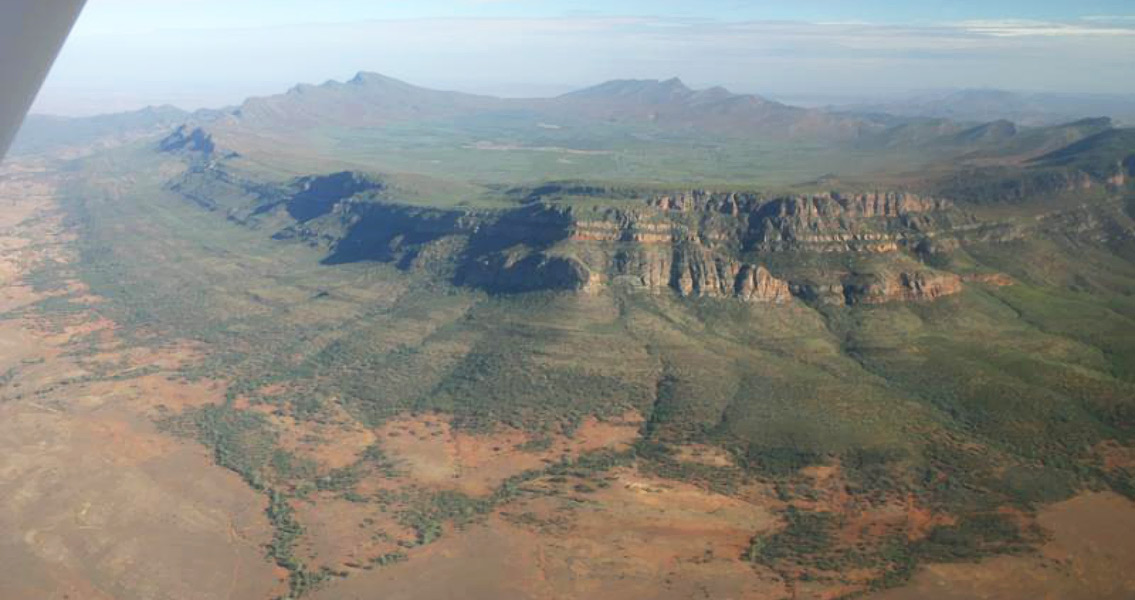
Habitation of Inland Australia Dates to 49,000 Years Ago

Nature, can be found online here]]>

Categories
Breaking News

Scientists Get Amazingly Accurate Date for Mammoth Extinction

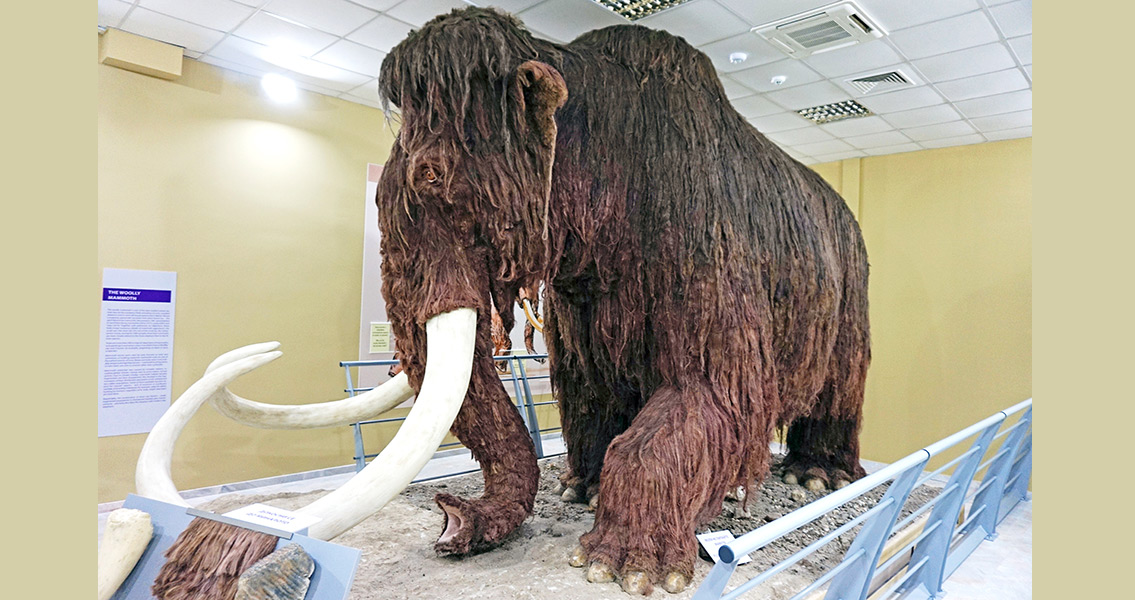
Proceedings of the National Academy of Sciences. Exactly what caused the extinction of woolly mammoths and other prehistoric megafauna is a major point of contention among scientists. Theories tend to focus on climate change, the actions of humans (for example hunting), or a combination of both. The researchers used environmental proxies to study how the habitat on St. Paul Island was changing at the time of the mammoths’ extinction. They found that the fate of mammoths on the island was different to those on the world’s continents, where mammoths went extinct around 12,000 years ago. Formed between 14,700 and 13,500 years ago, the island sank rapidly until 9,000 years ago, and continued to sink slowly until 6,000 years ago (at present it is just 42 square miles in area). As the island shrank the mammoths were concentrated into an ever decreasing area, and the available water started to run out. Pollen from the lake cores show that the area around the lake was denuded of vegetation by the mammoths. Much like modern elephants, the mammoths likely started to dig holes in search of water, increasing erosion and filling the lake with soil, in turn leaving even less water for drinking. Once the mammoths had gone extinct however, vegetation returned to the area and the erosion came to an end. Put simply, the mammoths had contributed to their own demise. Interestingly, the authors point out that this raises a fresh take on what can push a population to extinction. “(the research) highlights freshwater limitation as an overlooked extinction driver and underscores the vulnerability of small island populations to environmental change, even in the absence of human influence”. Image courtesy of Wikimedia Commons user: Tiia Monto]]>

Categories
Breaking News

Climate Change and Humans Killed Ice Age Megafauna

Science Advances has used DNA evidence to argue that the Ice Age megafauna were in fact the victims of a ‘perfect storm’ of both. The study, led by the Australian Centre for Ancient DNA (ACAD) at the University of Adelaide, argues that it was only as the climate started to warm, around 12,300 years ago and long after the first humans had arrived in the region, that the megafauna in Patagonia started to die out. Researchers from University of Colorado Boulder, University of New South Wales and University of Magallanes in Patagonia, were involved in the study. For a thousand years humans lived in Patagonia alongside the megafauna. Seemingly, while the region stayed cold, the populations of megafauna remained constant. When the climate started to warm however, the impact was startlingly quick. “Patagonia turns out to be the Rosetta Stone – it shows that human colonisation didn’t immediately result in extinctions, but only as long as it stayed cold,” said study leader Professor Alan Cooper, ACAD Director, in a press release. “Instead, more than 1000 years of human occupation passed before a rapid warming event occurred, and then the megafauna were extinct within a hundred years.” DNA analysis was at the heart of the study. Researchers traced the genetic history of megafauna populations by studying DNA extracted from radio carbon dated teeth and bones excavated from caves in Patagonia and Tierra del Fuego. The pattern of human colonisation of the Americas was rapid, and coincided with contrasting temperature trends on each continent. Using the genetic histories of populations of sabre-toothed cats, giant jaguars, the South American horse and the short faced bear, the team managed to distinguish the impacts of humans and climate change on the mega fauna populations. “The America’s are unique in that humans moved through two continents, from Alaska to Patagonia, in just 1500 years,” said Professor Chris Turney from the University of New South Wales. “As they did so, they passed through distinctly different climate states – warm in the north, and cold in the south. As a result, we can contrast human impacts under the different climatic conditions.” Not all large species in Patagonia went extinct, the guanaco and vicuna – ancestors of modern day llamas and alpacas, survived, although their numbers reduced drastically in the period. “The ancient genetic data show that only the late arrival in Patagonia of a population of guanacos from the north saved the species, all other populations became extinct,” said Dr. Jessica Metcalf from the University of Colorado Boulder, the lead author of the study. The sites used in the study have long provided insights into the demise of Ice Age megafauna. “In 1936 Fell’s cave, a small rock shelter in Patagonia, was the first site in the world to show that humans had hunted Ice Age megafauna. So it seems appropriate that we’re now using the bones from the area to reveal the key role of climate warming, and humans, in the megafaunal extinctions,” said Dr. Fabian Martin, from the University of Magallanes. ]]>

Categories
News

Has Evidence of Another 'Hobbit' Species Been Found?

Homo floresiensis from Flores, which is just south of Sulawesi. Similar to the island of Flores where the Homo floresiensis (sometimes called ‘Hobbit’) fossils were first found over a decade ago, Sulawesi may have been a natural lab for human evolution in an isolated condition. Initially, the age of the artifacts was unknown and the early attempts to date them failed to give researchers a definitive answer. At the CAS, colleagues of Dr van den Bergh used the latest technique of luminescence dating for feldspars minerals. Feldspar is a group of minerals distinguishable by the silica and alumina present in their chemistry, the most abundant group of minerals on the planet. Known as multiple elevated temperature post-infrared stimulated luminescence (MET-pIRIR) the technique analyzed the sediment layer the artifacts were discovered in. The research is part of a collaboration between the late professor Mike Morwood who led the team responsible for the ‘Hobbit’ find on Flores, and the Geological Agency of Indonesia. Dr van den Bergh was part of Professor Morwood’s research team at the time of H.floresiensis‘ discovery. The research is being supported by ARC grants and funds from the Geological Agency of Indonesia. Image courtesy of Wikimedia Commons user: Olaf Studt ]]>

Categories
Breaking News

Hunting Contributed to Mammoth Demise

with giant reptiles. Another one, from this month, suggested that humans change the habitats they enter much more quickly than previously thought, at least in some ecosystems. For more information: Test of Martin’s overkill hypothesis using radiocarbon dates on extinct megafauna ]]>