Categories
Breaking News

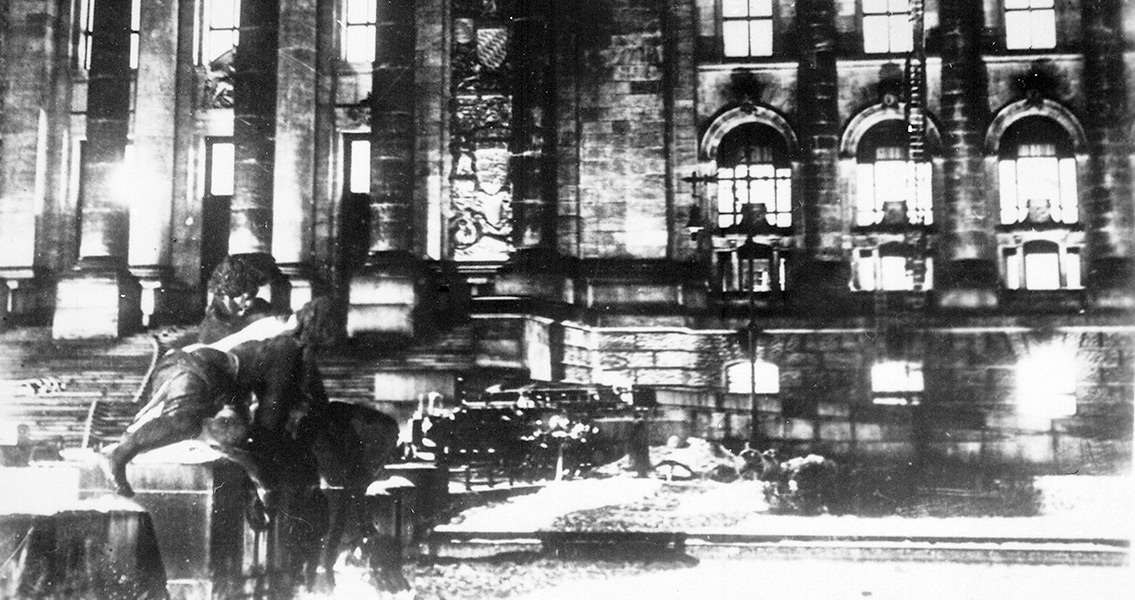
The Reichstag Fire and the Difficulties of Contemporary History

Central European History. “It tells us about the subterranean forces, especially of legal and political interest, that have shaped the master narrative; and it tells us about our attitudes toward different kinds of sources and authors.” Hett argues that the two conflicting arguments about who started the Reichstag fire – van der Lubbe acting alone, or the blaze being instigated by the Nazis – allow us to view major trends in the history of Germany. The version of the Reichstag fire in which the Nazis were the culprits was a narrative developed and presented by victims of Nazism, Hett explains. The theory that van der Lubbe was the sole culprit, on the other hand, began as a self-serving perpetrators’ story. “The critical moment in the development of the single-culprit narrative—and in the Reichstag fire controversy overall—came in late 1951 or early 1952 when the Lower Saxon interior ministry ordered Fritz Tobias to research the fire in an effort to defend Lower Saxon police official (and former Nazi political police detective)Walter Zirpins”, Hett writes. It is very difficult to use victim narratives as historical sources as they are often personal accounts of people in extreme situations. As a result, victim narratives have evoked discomfort for earlier historians; only recently have these stories been examined. “It was precisely such [victim narrative] sources that tended to tell of Nazi responsibility for the Reichstag fire,” Hett notes, explaining why the single-culprit narrative has been so pervasive. Researchers are still in the very early stages of an important process of determining which accepted narratives need to be re-examined. Through much of the postwar era, Hett notes, victims have repeatedly been lost in the historiography because historians discounted their testimony, favouring ‘objective’ sources. Contemporary history is a troublesome area in particular, because it is not removed from the present. Accounts of the recent past are often intertwined with current political interests. Hett, among others, has effectively shown that accepted accounts of the past require significant scrutiny. For more information: www.journals.cambridge.org Image courtesy of Wikimedia Commons user: DIREKTOR]]>
Categories
Breaking News

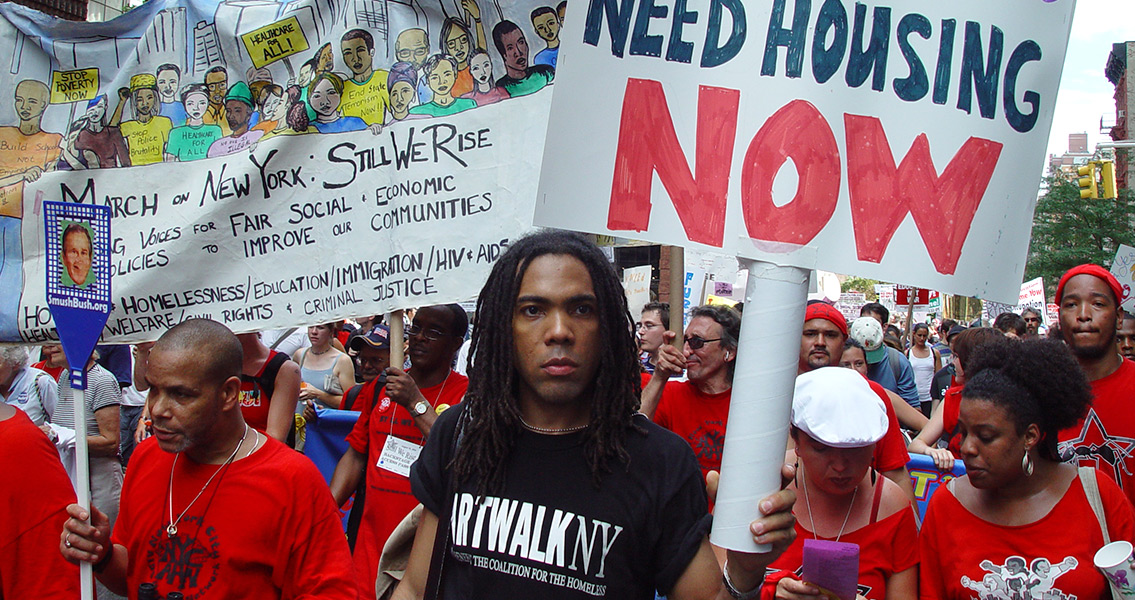
New Studies Examine Urban Protest in Cold War Europe

www.juhsagepub.com Image courtesy of Wikimedia Commons user: Thehero]]>

Categories
Breaking News

Espionage in Early Modern Central Europe Revealed

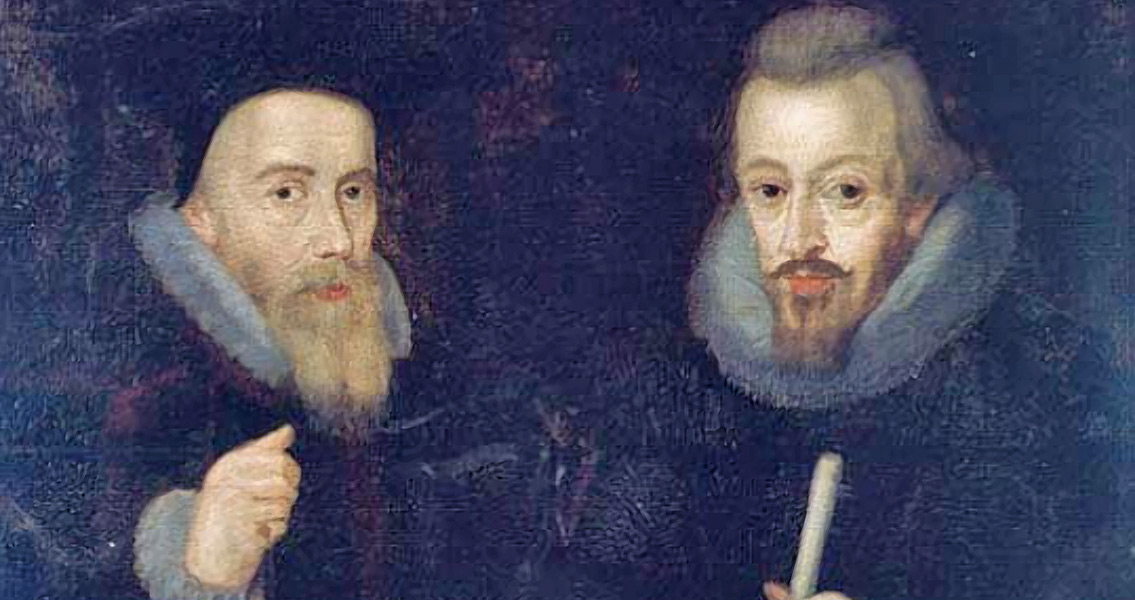
A Relation of the State of Polonia and the United Provinces of that Crown – and presented a version to King James I of England and VI of Scotland. An intriguing new study has focused on this text and drawn attention to its little-known author. Sebastian Sobecki, in his article recently published in the journal Renaissance Studies, examines the ties that Peyton enjoyed with a man extensively involved with state security: Robert Cecil, Secretary of State for both Elizabeth I and James I. Sobecki argues that John Peyton’s Grand Tour between 1596 and 1601 – where Peyton visited Germany, Bohemia, Poland-Lithuania, Switzerland and Italy – was an intelligence gathering operation to discover Spanish diplomatic activity in the Empire and in the Polish-Lithuanian Commonwealth. “Peyton’s reports are not ethnographical travel accounts or itineraries,” Sobecki writes. “Instead, [they] contain detailed and remarkably comprehensive accounts of the governance and political life of the countries he visited. In this regard, Peyton’s writings, although they are in English are closer to the factual qualities of Latin diplomatic writing.” A Relation of Polonia contains a vast amount of very nuanced information. The political structure of the Polish-Lithuanian Commonwealth forms the heart of the work, with particular discussion of the electoral system behind the Commonwealth’s royal elections. Some of the longest sections, with the most detailed treatment, concern the armed forces and warfare, Sobecki notes. In his description of the Polish people, Peyton noted that “they are large of body, tall, vprighte, and personable. The gentry full of ceremonies, ciuill [civil] and curteous in enterteinement, bountifull at table, costly in dyett, greate gourmandes, and quaffers, not sleepy, nor heavy in theire dronkennesse, as the Dutche, but furious, and quarrellsome, highe-mynded, and proude, but in a iollity, and not surly, as the Germans.” Sobecki notes that, despite this portrait of the Poles being very comprehensive by contemporary standards, Peyton’s real interests lay elsewhere. The sheer amount of administrative detail in Peyton’s work is unlike any other travel account of central Europe from the sixteenth or seventeenth centuries. Peyton’s works, for Sobecki, “amount to substantial and accurate studies of the type supplied confidentially by modern ambassadors to their governments. Throughout, the organizing principle of each text is the stake England held in the places Peyton visited. Trade, religious denominations, domestic political profiles and foreign relations and alliances – all these dominate Peyton’s reports.” To understand why Peyton compiled these works, Sobecki has explored Peyton’s relationship with Cecil. The 1590s saw an arms race between the Earl of Essex and Cecil, Sobecki explains. Essex, leading the anti-Cecil faction at court, increasingly relied on the provision of intelligence to boost his reputation. Cecil seized the opportunity given to him when appointed Secretary of State to build up a system of espionage that surpassed all others. “By the end of 1597, Cecil was England’s undisputed spymaster,” Sobecki writes. At about this time, Peyton’s father, Sir John Peyton, emerged as one of the most important pieces in Cecil’s domestic intelligence network. Sir John was even appointed to the post of Lieutenant of the Tower, a very sensitive office. “There is no shortage of notes and reports from Sir John to Cecil about prisoners’ activity and intelligence,” Sobecki notes, “including in-depth accounts of Raleigh’s emotional breakdown and the searching of Essex’s person.” The younger Peyton’s reports of Poland-Lithuania, therefore, seem to be works of espionage. Sobecki has clearly shown that Peyton the Younger’s accounts are no mere travel diaries for personal reflection, they are in-depth studies of central Europe undertaken by a man with close links to England’s security network. Sobecki’s work reveals that espionage and subterfuge were sophisticated operations in the Early Modern period. For more information: www.onlinelibrary.wiley.com Image courtesy of Wikimedia Commons user: Bascon]]>

Categories
Breaking News

Laura Méndez de Cuenca, Mexico's First Feminist

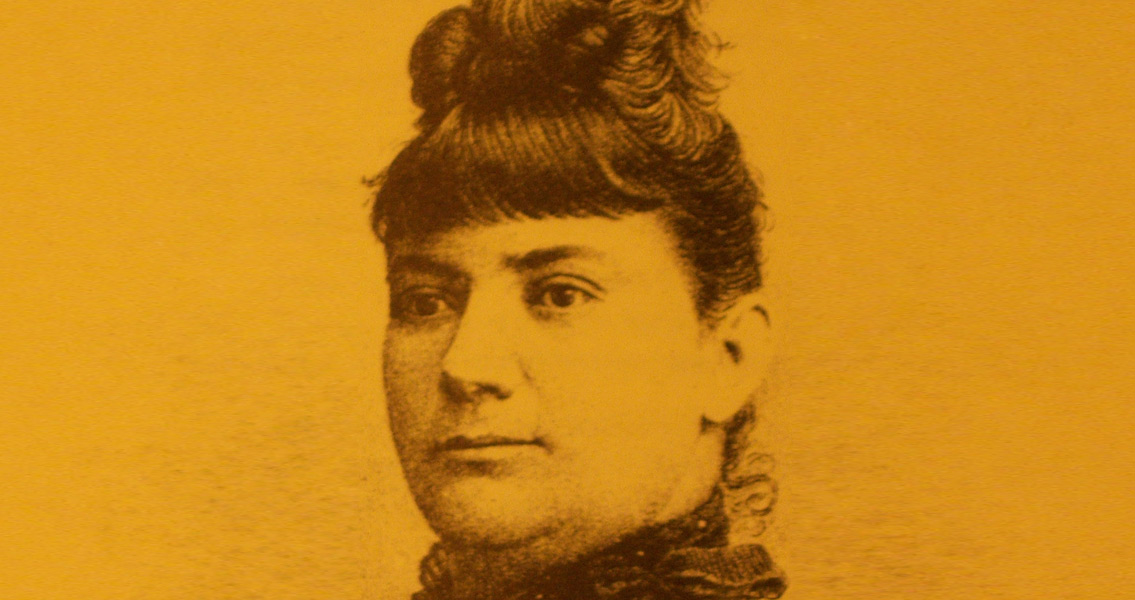
Journal of Women’s History, “that women biographers produce works of greater intensity because of our commitment to understanding a woman’s life and to redressing the under-representation of this type of biography.” Méndez was born into a Mexican society which was dominated by traditional, religious values. Catholicism shaped both public and private life in late-nineteenth-century Mexico. She witnessed a period of great change that led to a modern country marked by the separation of church and state and the beginnings of a more secular society. Bazant describes Méndez as “a protagonist of that transformation.” Méndez produced newspaper reports, essays and articles on teaching for over forty-two years. In a male-dominated world which was averse to equality for women, she faced numerous obstacles. Remarkably, Méndez supported herself and her children on a meagre teacher’s salary whilst leading the feminist cause in Mexico. Very few biographies of Mexican women exist today. As a result, there is a historiographical gap which means we have only a partial understanding of Mexico’s past. Biography, for Bazant, represents a means of revealing the existence of an individual and the context in which their life transpired. “In women’s studies in particular, biography is considered a watershed, as the history of one woman’s life gives meaning to times and places and combines theoretical and methodological aspects and historical subfields: daily life, intellectual and cultural history, emotional history, socio-economic and gender history, and the history of literature and art,” Bazant writes. From Bazant’s work emerges a portrait of an immensely courageous and talented woman. In the summer of 1891, Méndez moved to San Francisco, California. Without knowing English, without guaranteed work, and with children aged eleven and thirteen, Méndez’s bravery is admirable. “In that city, where Laura lived in anonymity, she learned about women’s liberation, referring to the idea of women having the same educational opportunities and doing the same work as men while earning comparable wages,” Bazant writes. “In addition to giving Spanish classes to well-heeled ladies for a dollar and a half an hour, an exorbitant amount by Mexican standards, she sent articles to be published in widely read Mexican newspapers: El Imparcial, El Mercurio, and her own Revista Hispanoamericana.” Her articles spoke of women’s enormous influence in San Francisco, arguing that if a truly grandiose project were to be undertaken, the best strategy was to involve women. Progress, both material and spiritual, formed the central topic of many of Mendez de Cuenca’s articles, Bazant explains. By revealing Laura Méndez de Cuenca’s remarkable life, Bazant has added significantly to our understanding of Mexico’s past. Her work allows us to glimpse the individual and societal changes taking place during a very important part of Mexico’s long history. For more information: www.muse.jhu.edu Image courtesy of Wikimedia Commons user: Ufi]]>

Categories
Breaking News

African American Women and Sex Education in the 1940s

Journal of Women’s History – African American girls faced a particularly stony silence about sex. “One large study in Maryland in the late 1930s (with 15 percent African Americans) found that whites “were twice as likely to discuss sex at home” as African Americans,” Simmons writes. The reticence of African American parents to discuss sex with their children, Simmons argues, stemmed from a history of racist sexual violation and stigma. “African American women endured frequent rape and pervasive sexual stigmatization during and after slavery. Whites blamed “lascivious” black women for white men’s sexual predations and made black women a foil to white women, whose purity Victorian culture idealized,” Simmons writes In opposition to this social stigma, many African American women adopted a culture of dissemblance where women kept silent about sexuality in order to protect themselves. The fallout of this dissemblance was a new generation of African American women who were uninformed about their bodies and sexual relationships. “African American women confronted a particularly insidious and racially charged form of the virgin-whore dilemma that all women faced,” as Simmons puts it. One of the few voices to emerge from this period who championed full sex education was Gladys Hoagland Groves. Groves was a white instructor at the segregated North Carolina College in Durham. Groves’ moderate sexual modernism, Simmons argues, was a wonderful fit for middle-class African American sensibilities. She taught that sex belonged ostensibly within marriage, but also tolerated a less repressive style for youth; premarital sex was, for Groves, ill-advised rather than absolutely wrong. Moreover, she criticised Victorian repressive ideas surrounding sex. Modern marriage, for Groves, should have incorporated women’s equality. “[Groves] hoped to reduce outmoded sexual repressiveness, help couples to keep love and sexual desire together, and promote solid, enduring heterosexual relationships and marriages,” Simmons explains. Simmons has focused on papers written by Groves’ students. In particular, these sources represent a new perspective for researchers as they are not sociological interviews or prison records. “These student essays do enable us to hear in some form the voices of black women wrestling with sexual regulation and attempting to construct a “modern” sexual subjectivity as teachers, single women, and wives,” Simmons notes. Simmons’ exploration of these previously unknown sources allows us a glimpse of a specific period in the sex education of young African American women. By revealing thoughts and attitudes of real women, Simmons has shown the repressive social environment these women were brought up in and how, through proper education, they could become better informed about their bodies. For more information: www.muse.jhu.edu Image courtesy of Wikimedia Commons user: SLQbot ]]>

Categories
Breaking News

New Fossil Pushes Back When Animals Emerged Onto Land

www.journals.plosone.org Image courtesy of Wikimedia Commons user:Conty]]>

Categories
Breaking News

Cooking May Not be Solely Human Trait

www.rspb.royalsocietypublishing.org Image courtesy of Wikimedia Commons user: Massimo Peruffo]]>

Categories
Breaking News

Jewish Italian Attitudes to the First World War

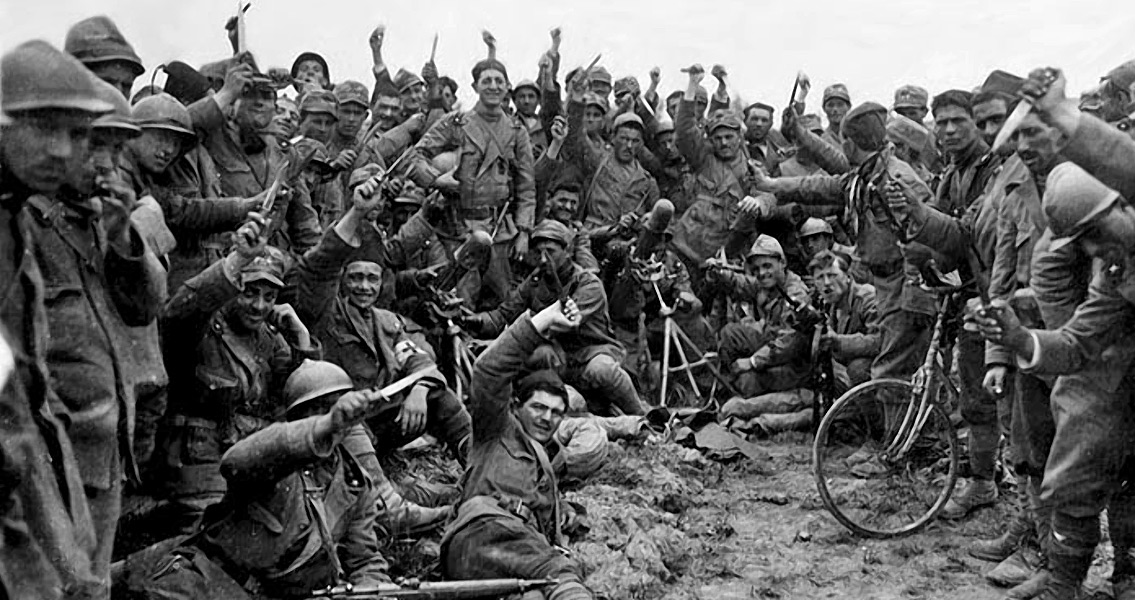
Jewish History. Pavin argues that the religious leaders of the Italian Jewish community ultimately came to identify with the Italian nationalistic cause unconditionally. Messages communicated through wartime propaganda were incorporated into the rabbis’ sermons without much critical questioning. With the outbreak of war, Italian rabbis pledged their full-fledged support for the cause. Patriotic enthusiasm is clearly visible in rabbis’ sermons, Pavin argues. The sacrifice made by Italian Jews who laid down their lives for their country was portrayed as something to aspire to. Based on these sermons, it appears that Jewish communities in Italy had fully assimilated with the Italian patriotic identity. Interestingly, a clear Jewish identity, separate and distinct from Italian Christians, remained intact. “The perception and self-representation of Jews as a distinct minority at both a religious and an ethnic level did not conflict with their sense of identification with and loyalty to their country,” Pavin argued, “and thus did not prevent the rabbis— as can be seen in their sermons—from fully supporting the Italian war effort.” Pavin makes some interesting arguments and draws some fascinating conclusions. Precisely how the rabbis’ messages were received, however, still needs further investigation. Pavin notes that the rabbis’ war was very different from the average Jewish soldier as it was free of blood and death, he suggests this disconnect as a possible explanation for why many Jewish soldiers did not seek serious support from their religious leaders. For more information: www.link.springer.com Image courtesy of Wikimedia Commons user: File Upload Bot (Magnus Manske)]]>

Categories
Breaking News

Medieval European Perceptions of Islam

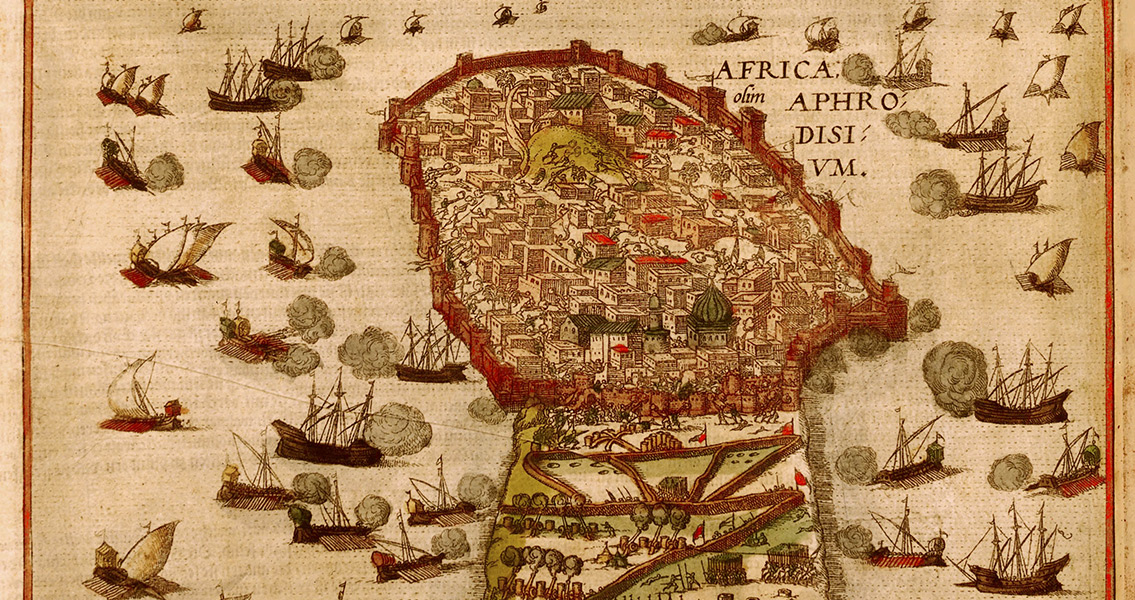
www.hortulus-journal.com Image courtesy of Wikimedia Commons user: DrFO.Jr.Tn ]]>

Categories
Breaking News

Chicago's Predatory Tax Buyers: A Warning For Today?

www.juh.sagepub.com Image courtesy of Wikimedia Commons user: Poco a poco ]]>