Categories
Breaking News

Breeding With Neanderthals Altered Human Immune Systems

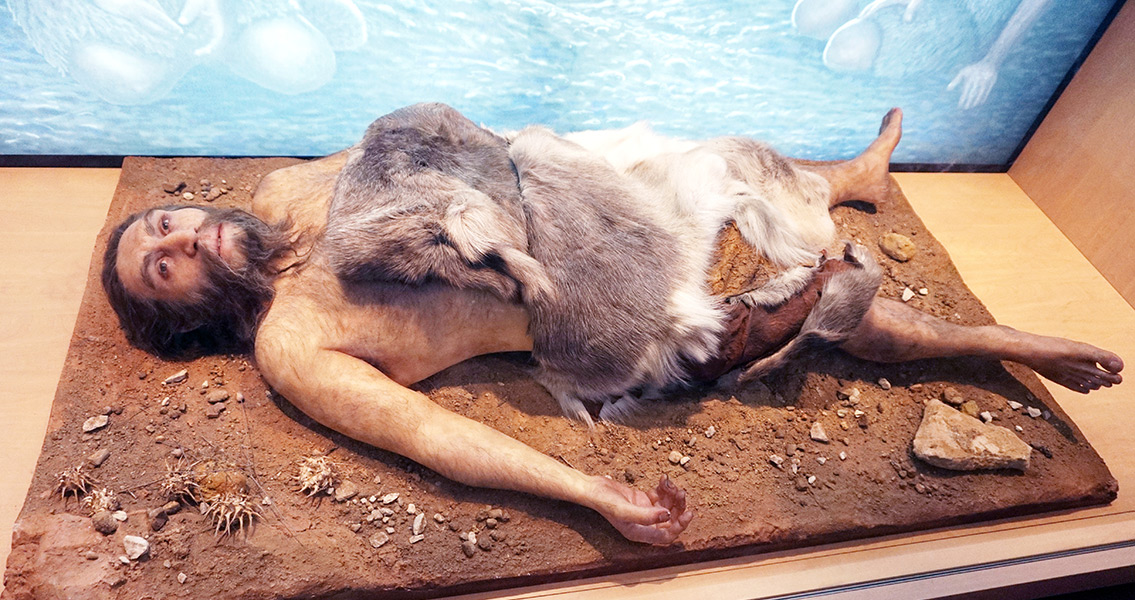
study suggested that this process could have contributed to the Neanderthals’ extinction, humans passing on unfamiliar viruses from Africa to the Neanderthals. According to the two new studies, recently published in the journal Cell, this breeding could have also helped humans from Africa adapt to the new pathogens they encountered in Europe. Breeding with Neanderthals might have seen humans obtain the Neanderthals’ different immune system responses. This would have helped them fight off the new infections they encountered on the continent. Neanderthals left Africa much earlier than modern humans, arriving in Europe up to 300,000 years ago. Humans made their way to the continent sometime between 100,000 and 60,000 years ago. In the first of the studies, geneticist Luis Barreiro of the University of Montreal and colleagues collected blood samples from 80 African Americans and 95 people of European descent. A type of immune cell called macrophages, which engulfs and destroys bacteria, was isolated in each of the samples. The isolated macrophages cells were grown in a dish, and then infected with two types of bacteria. It was found that the macrophages from African Americans killed the bacteria three times faster than those from Europeans. The researchers also discovered that gene expressions responded differently to the infections. Many of the genes whose activity changed the most during the immune reactions had sequences that were very similar to Neanderthals and Europeans, not Africans. In the second study, population geneticist Lluis Quintana-Murci and his colleagues at the Pasteur Institute in Paris collected samples from 200 people living in Belgium. 50% of their subjects were of African descent, 50% of European. Again, the researchers grew immune cells from the subjects in dishes and infected them with diseases and viruses, although this time the immune cells were monocytes. Once again, the two groups showed differences in the activity of various genes. Neanderthal-like gene variants in the European group playing a significant role in altering their response. For some diseases, such as tuberculosis, a lower immune response actually tends to improve chances of survival and recovery. Modern humans in Europe may have therefore adopted Neanderthal traits to survive the disease, the process perhaps happening as the result of an ancient outbreak. Similarly, modern African-American women are three times more susceptible to the autoimmune disease lupus than white Americans. This is a trend which can be seen beyond environmental, social and economic factors. Barreiro suggests that at least part of this difference could be explained by genetics. Beyond providing insight into the development of the immune system, the findings by these studies have the potential to deepen our understanding of modern disease, showing the importance of considering racial diversity and history for detecting the roots of disease. ]]>
Categories
News

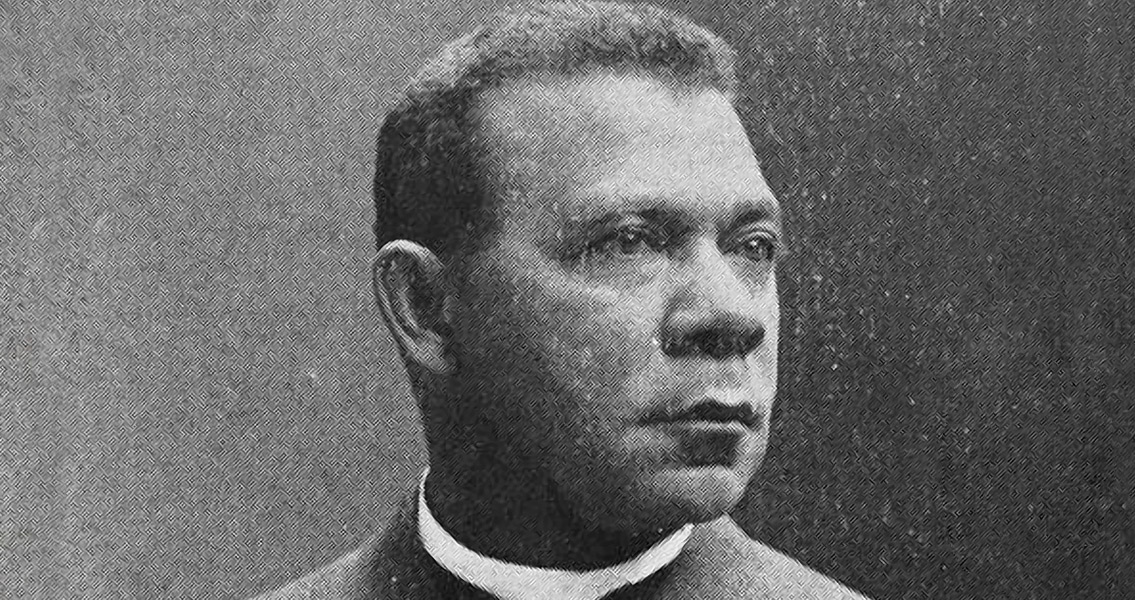
Booker T. Washington Receives Honorary Degree

Categories
Breaking News

African American Women and Sex Education in the 1940s

Journal of Women’s History – African American girls faced a particularly stony silence about sex. “One large study in Maryland in the late 1930s (with 15 percent African Americans) found that whites “were twice as likely to discuss sex at home” as African Americans,” Simmons writes. The reticence of African American parents to discuss sex with their children, Simmons argues, stemmed from a history of racist sexual violation and stigma. “African American women endured frequent rape and pervasive sexual stigmatization during and after slavery. Whites blamed “lascivious” black women for white men’s sexual predations and made black women a foil to white women, whose purity Victorian culture idealized,” Simmons writes In opposition to this social stigma, many African American women adopted a culture of dissemblance where women kept silent about sexuality in order to protect themselves. The fallout of this dissemblance was a new generation of African American women who were uninformed about their bodies and sexual relationships. “African American women confronted a particularly insidious and racially charged form of the virgin-whore dilemma that all women faced,” as Simmons puts it. One of the few voices to emerge from this period who championed full sex education was Gladys Hoagland Groves. Groves was a white instructor at the segregated North Carolina College in Durham. Groves’ moderate sexual modernism, Simmons argues, was a wonderful fit for middle-class African American sensibilities. She taught that sex belonged ostensibly within marriage, but also tolerated a less repressive style for youth; premarital sex was, for Groves, ill-advised rather than absolutely wrong. Moreover, she criticised Victorian repressive ideas surrounding sex. Modern marriage, for Groves, should have incorporated women’s equality. “[Groves] hoped to reduce outmoded sexual repressiveness, help couples to keep love and sexual desire together, and promote solid, enduring heterosexual relationships and marriages,” Simmons explains. Simmons has focused on papers written by Groves’ students. In particular, these sources represent a new perspective for researchers as they are not sociological interviews or prison records. “These student essays do enable us to hear in some form the voices of black women wrestling with sexual regulation and attempting to construct a “modern” sexual subjectivity as teachers, single women, and wives,” Simmons notes. Simmons’ exploration of these previously unknown sources allows us a glimpse of a specific period in the sex education of young African American women. By revealing thoughts and attitudes of real women, Simmons has shown the repressive social environment these women were brought up in and how, through proper education, they could become better informed about their bodies. For more information: www.muse.jhu.edu Image courtesy of Wikimedia Commons user: SLQbot ]]>

Categories
Editorial

An Appreciation of Wilson Moses