Categories
Breaking News

Genome of Deadly 800 Year Old Infection Found in Byzantine Skeleton

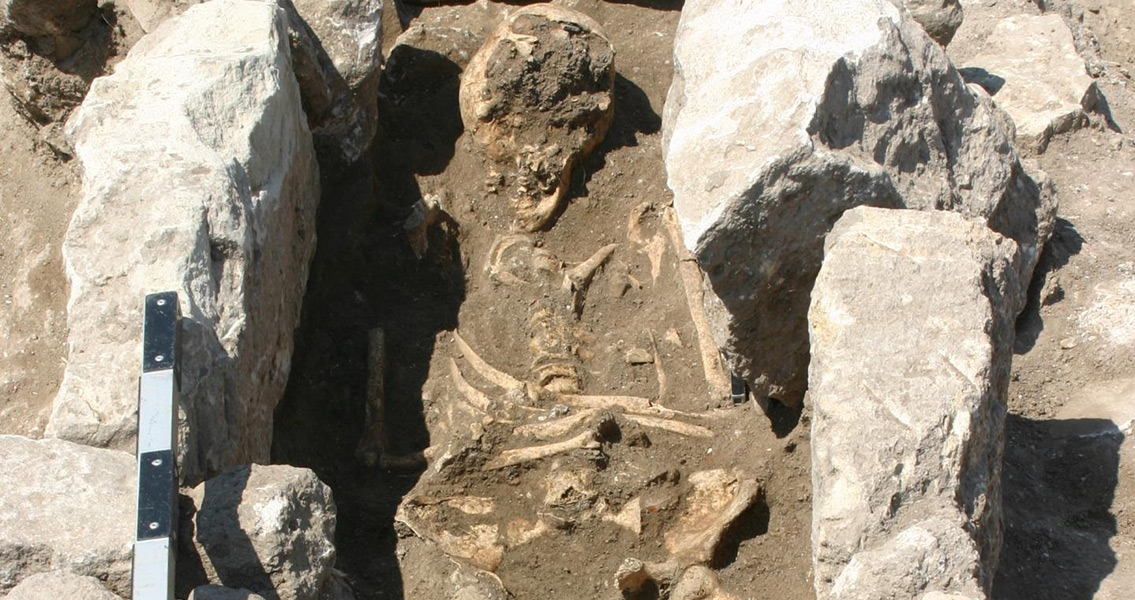
Staphylococcus, a family that includes the highly pathogenic species S. aureus. Determined to find out more, the researchers sent the nodules to Hendrick Poinar at McMaster University, an expert in ancient DNA. “Amazingly, these samples yielded enough DNA to fully reconstruct the genomes of two species of bacteria, Staphylococcus saprophyticus and Gardnerella vaginalis, which infected the woman and likely led to her death,” said Poinar, in the press release. According to Pepperell, the newly reconstructed genome contributes to “a pretty short list of ancient bacteria — cholera, tuberculosis, leprosy, plague – for which we have DNA.” Joining forces, Poinar and Pepperell led a team to produce a “portrait” of the ancient infection. Their results, published in the journal eLife, provide a history of the infection Staphylococcus saprophyticus. What is most remarkable is the sheer amount of information extracted from the nodules. “Calcification made little tiny suitcases of DNA and transported it across an 800-year timespan”, explained Pepperell. “In this case, the amount and integrity of the ancient DNA was extraordinary. One typically gets less than 1 percent of the target organism.” According to the study, between 31 and 58 percent of the preserved DNA came from the woman’s infection. “The quality of the (genetic) data is unparalleled.” said Pepperell. It seems that the woman, who lived in the final years of the Byzantine Empire, died of chorioamnionitis, a bacterial infection of the placenta, amniotic fluid and membranes surrounding the fetus. The fact the researchers also identified ancient Y-chromosome DNA suggested she died during pregnancy, possibly as a complication associated with the male fetus she was carrying. By reconstructing the diseases’ genome, the team have gleaned remarkable new insights into rural life in the thirteenth century. The strain of Staphylococcus saprophyticus which infected the woman is different to the kinds found today, and is not typically associated with human disease in the modern world. Its discovery in the eight hundred year old remains suggests that Byzantine peasants lived with their livestock. “The strain from Troy belongs to a lineage that is not commonly associated with human disease in the modern world,” Explained Pepperell. “We speculate that human infections in the ancient world were acquired from a pool of bacteria that moved readily between humans, livestock and the environment.” Examination of other remains found in the graveyard helped fill out the image of the tough life endured in the countryside as the Byzantine Empire was coming to its end. “People were struggling with physical strains and infectious diseases and only a few lived beyond the age of 50,” explained Kiesewetter an archaeologist affiliated with Project Troia at Tüebingen University. “Many newborns did not survive infancy and almost all skeletons of children show signs of malnutrition and infection.” Image courtesy of Gebhard Bieg ]]>
Categories
Breaking News

Breeding With Neanderthals Altered Human Immune Systems

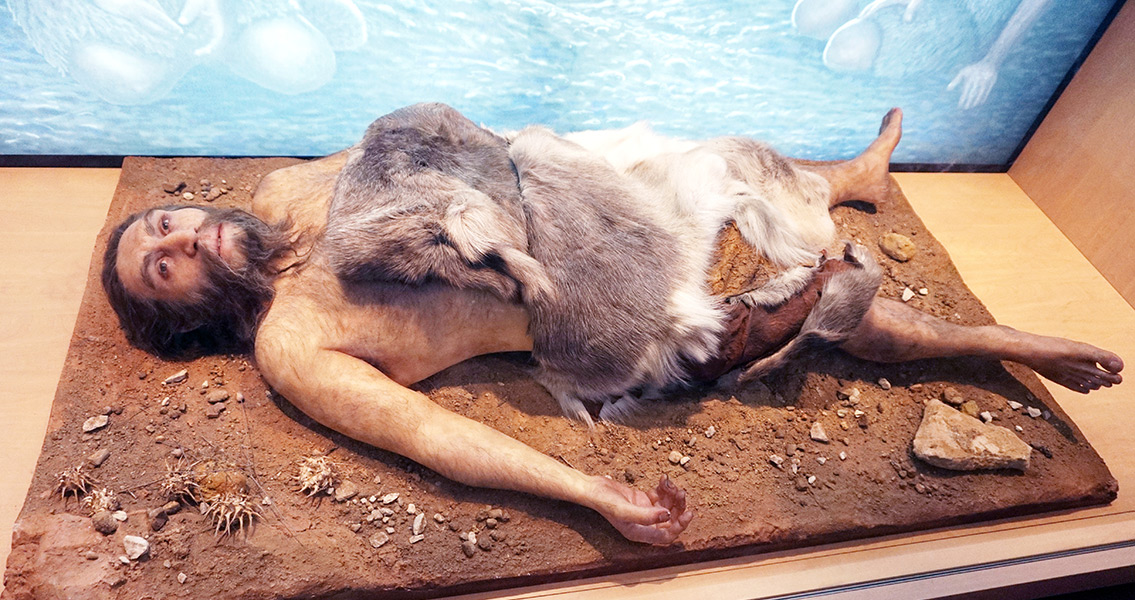
study suggested that this process could have contributed to the Neanderthals’ extinction, humans passing on unfamiliar viruses from Africa to the Neanderthals. According to the two new studies, recently published in the journal Cell, this breeding could have also helped humans from Africa adapt to the new pathogens they encountered in Europe. Breeding with Neanderthals might have seen humans obtain the Neanderthals’ different immune system responses. This would have helped them fight off the new infections they encountered on the continent. Neanderthals left Africa much earlier than modern humans, arriving in Europe up to 300,000 years ago. Humans made their way to the continent sometime between 100,000 and 60,000 years ago. In the first of the studies, geneticist Luis Barreiro of the University of Montreal and colleagues collected blood samples from 80 African Americans and 95 people of European descent. A type of immune cell called macrophages, which engulfs and destroys bacteria, was isolated in each of the samples. The isolated macrophages cells were grown in a dish, and then infected with two types of bacteria. It was found that the macrophages from African Americans killed the bacteria three times faster than those from Europeans. The researchers also discovered that gene expressions responded differently to the infections. Many of the genes whose activity changed the most during the immune reactions had sequences that were very similar to Neanderthals and Europeans, not Africans. In the second study, population geneticist Lluis Quintana-Murci and his colleagues at the Pasteur Institute in Paris collected samples from 200 people living in Belgium. 50% of their subjects were of African descent, 50% of European. Again, the researchers grew immune cells from the subjects in dishes and infected them with diseases and viruses, although this time the immune cells were monocytes. Once again, the two groups showed differences in the activity of various genes. Neanderthal-like gene variants in the European group playing a significant role in altering their response. For some diseases, such as tuberculosis, a lower immune response actually tends to improve chances of survival and recovery. Modern humans in Europe may have therefore adopted Neanderthal traits to survive the disease, the process perhaps happening as the result of an ancient outbreak. Similarly, modern African-American women are three times more susceptible to the autoimmune disease lupus than white Americans. This is a trend which can be seen beyond environmental, social and economic factors. Barreiro suggests that at least part of this difference could be explained by genetics. Beyond providing insight into the development of the immune system, the findings by these studies have the potential to deepen our understanding of modern disease, showing the importance of considering racial diversity and history for detecting the roots of disease. ]]>

Categories
News

Seals Brought Tuberculosis to the Americas