Categories
Editorial

King Tut, Neanderthals and Plague – The History News of 2016 (Part 2)

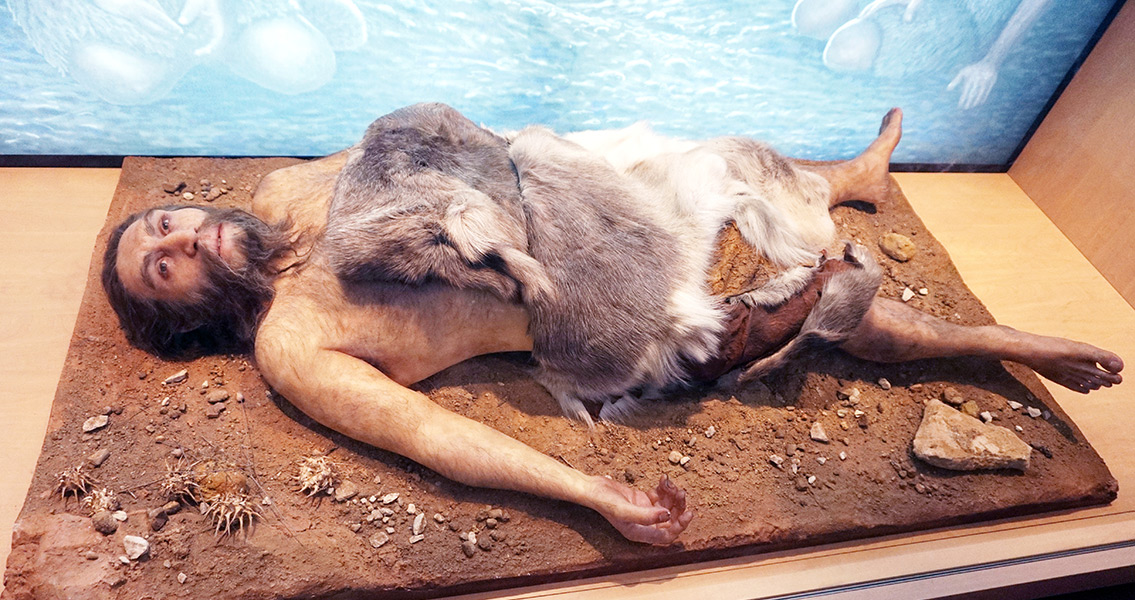
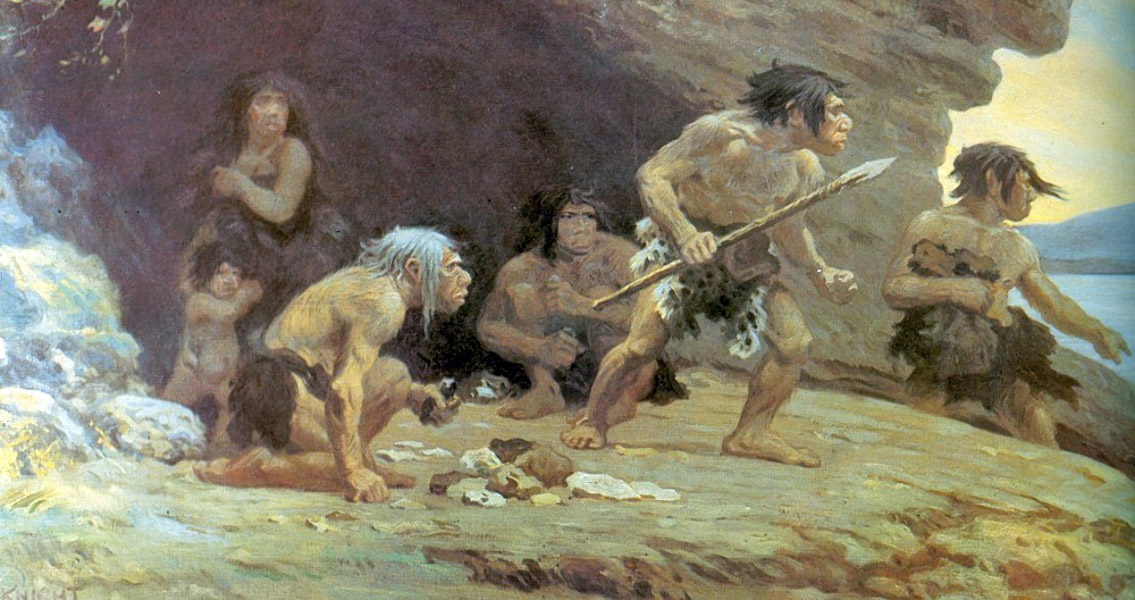
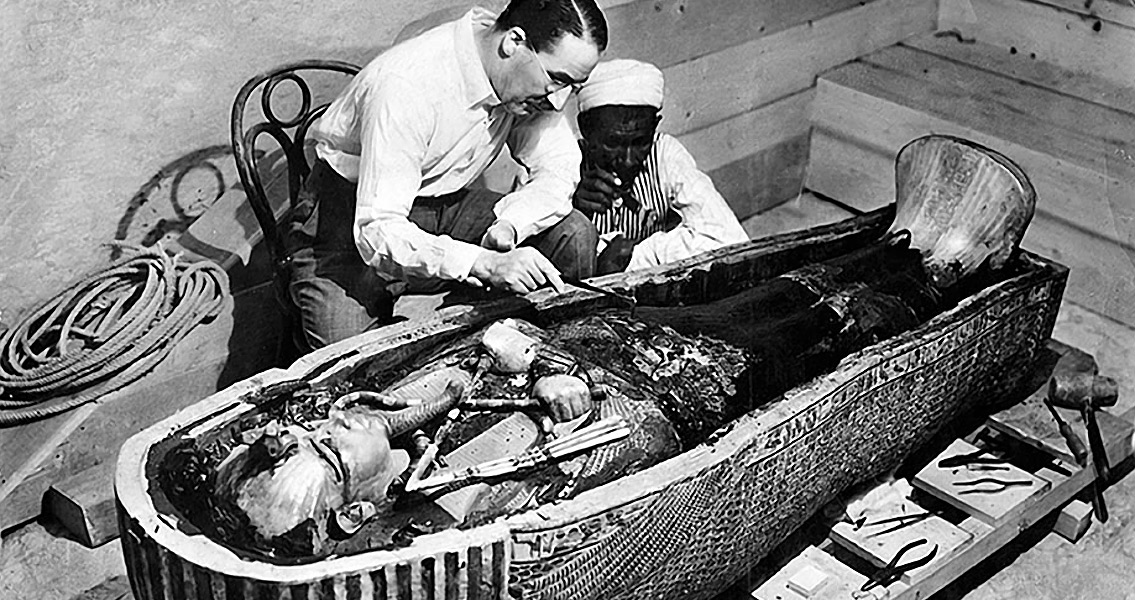
here. Controversy Surrounding King Tut’s Tomb One of the most bizarre stories of the year took place over a few months of the spring, and concerned the constantly fascinating tomb of Tutankhamun. In March, Egypt’s Antiquities Minister, Mamdouh Eldamaty, announced at a press conference that cutting edge radar scans had revealed the presence of hidden chambers in King Tutankhamun’s burial chamber. It was a revelation which sparked intrigue across the globe, as anyone with even the slightest interest in Egyptology began to speculate about what could still be hidden in the tomb of Ancient Egypt’s most famous Pharaoh. A few weeks later, doubts started to appear about the Egyptian Antiquities Ministry’s claims. Radar experts unconnected to the project started to question the findings, while others called for more evidence to be released to back up the claims and allow peer review. In May, the results of another series of scans were released, commissioned by National Geographic to verify the possibility of the existence of a hidden chamber. Announced at the Second Annual Tutankhamun Grand Egyptian Museum Conference in Cairo, the results of the second investigation suggested there was in fact no hidden chamber, directly contradicting the earlier study. The Egyptian Antiquities Authority is now carrying out additional scans in the hope of finding out once and for all if there are any more secrets to King Tut’s tomb. Just How Smart Were the Neanderthals? It’s a question that has been asked many times: just how similar are we to our closest extinct evolutionary cousins, the Neanderthals? For a long time the Neanderthals were considered to be primitive and unintelligent when compared to modern humans. Findings from 2016 however, brought that idea into question like never before. A study published in September added new fire to the long running debate over whether the Neanderthals were capable of creating jewellery. Almost since the moment they were discovered in central France half a century ago, a collection of prehistoric tiny, centimeter-long necklaces created from ivory, shells and animal teeth have been a source of contention among scientists who debate if the Neanderthals could have made the items. Using new research methods relying upon ancient proteins to date and identify bone fragments found at the site, researchers concluded that Neanderthals had lived there, supporting the idea they created the jewellery. Another study published in September carried out an in depth comparison between Neanderthal and modern human ears. The results of the pioneering research challenged the idea that Neanderthals would have only spoken in primitive grunts and groans, suggesting the possibility that Neanderthals had been capable of speech like modern humans. In December, a study from the University of Southampton revealed that Neanderthals had kept returning to the same coastal site on Jersey for a period of over 140,000 years. Through analysing stone tools, the study authors concluded that Neanderthals had kept making regular journeys back to the site for generations. The study raises interesting questions, firstly about what motivated the Neanderthals to keep returning to the site, but also about the extent to which they understood the geography around them – perhaps even some early form of mapping – to keep finding their way back there. What We Know, and What We Don’t About the History of Disease 2016 witnessed a series of shocking revelations and radical theories about the history of disease. In April, a startling study suggested that humans could have played a part in the extinction of Neanderthals by passing on a host of diseases, such as tapeworm, tuberculosis, stomach ulcers and types of herpes. The authors of the study argue that as humans left Africa, they exposed the Neanderthals to new diseases which their immune systems had not built any resistance to. Weakening the hunter-gatherer species, it would have made it harder for them to collect food, in turn causing communities to collapse. A study published in December made the shocking claim that smallpox is nowhere ear as ancient as often thought. Previously, it was believed that smallpox could be traced at least as far back as Ancient Egypt. However, a team of geneticists reconstructed the smallpox genome, based on DNA taken from the remains of victims in a crypt in Lithuania. They found that all strains of the disease had an ancestor from no further back than 1580. If true, the findings would cause a dramatic rewriting of history. Smallpox has been used by historians to explain millions of deaths and tragedies through the centuries, yet if it’s not as ancient as typically thought, such ideas will have to be rethought. Most significantly, the date of 1580 precludes the idea that the European colonisation of the Americas in the fifteenth century saw the devastating introduction of smallpox to the continent; resulting in millions of deaths for the indigenous populations. It was only in 2013 that scientists unequivocally proved that the bacteria Y.pestis played a role in both plague pandemics of the Middle Ages – the Plague of Justinian between the sixth and eighth centuries, and the second pandemic between the fourteenth and seventeenth centuries that peaked with the Black Death. A study published in January 2016 revealed that a single genotype of Y.pestis had persisted in Europe from the fourteenth to the seventeenth centuries. The findings suggest that the plague survived in Europe for three hundred years in as yet unidentified reservoir. In September, a new study reconstructed the bacterial genome responsible for the Plague of Justinian. The study found that the strain of Y.pestis responsible was far more diverse than previously thought, and also infected people far beyond the region historically documented. With plague reemerging in certain parts of the world, such studies have relevance beyond history. The greater our understanding of historical plague outbreaks, the better chance we have of combating it in the present. ]]>
Categories
Breaking News

How the Columbian Exchange Affected DNA of Indigenous People

Categories
Breaking News

One of History's Deadliest Diseases isn't as Ancient as we Think

Current Biology are correct however, then historians might have to reevaluate just what role the disease played. “Scientists don’t yet fully comprehend where smallpox came from and when it jumped into humans,” said evolutionary geneticist Hendrik Poinar, a senior author of the study, director of the McMaster Ancient DNA Centre and a researcher with Michael G. DeGroote Institute of Infectious Disease Research. “This research raises some interesting possibilities about our perception and age of the disease.” The results look likely to reignite a longstanding debate over when variola, the virus that causes smallpox, originated and then evolved in response to vaccination and inoculation. Historians have long thought that the disease afflicted the populations of ancient Egypt, India and China thousands of years ago. Some accounts even claim that the pharaoh Ramses V may have died from smallpox in 1145 BCE. For their study, the researchers extracted DNA from the partial mummified remains of a Lithuanian child thought to have died between 1643 and 1665. The child’s death coincided with a series of severe smallpox outbreaks in Europe, making the team hopeful they would find evidence of the disease. Smallpox DNA was captured from the remains, sequenced and then the genome completely reconstructed. There was no evidence of live virus in the sample, meaning there was no chance of the remains being infectious. The researchers then set about tracing the evolutionary history of smallpox using the genome, which is when they made their surprising discovery. Comparing and contrasting the seventeenth century strain with a databank of samples of the disease dating from 1940 up to its eradication in 1977, they found that all the studied strains of the virus had an ancestor from no further back than 1580. “This study sets the clock of smallpox evolution to a much more recent time-scale” said evolutionary biologist Eddie Holmes, a professor at the University of Sydney, Australia, in a press release from McMaster University. “Although it is still unclear what animal is the true reservoir of smallpox virus and when the virus first jumped into humans.” Significantly, the team also found that the smallpox virus started to evolve in two separate strains after Edward Jenner developed a vaccine for it in 1796. One form of the variola virus, V. major, was highly virulent and deadly, the other, V.minor, was much more benign. Seemingly the ancestor of the minor strain corresponded with the Atlantic Slave Trade which likely helped disseminate it across the globe. “This raises important questions about how a pathogen diversifies in the face of vaccination. While smallpox was eradicated in human populations, we can’t become lazy or apathetic about its evolution – and possible reemergence–until we fully understand its origins.” said Ana Duggan, a post doctoral fellow in the McMaster Ancient DNA Centre, in the press release. Of course, the date of 1580 is hugely significant. It is commonly believed that European colonists to the Americas brought with them deadly strains of smallpox which had a devastating effect on indigenous populations. If accurate however, the team’s results seem to preclude that explanation, meaning further study might need to be done on the remains of indigenous populations. “This work blurs the line between ancient diseases and emerging infections. Much of smallpox evolution apparently happened in historic time,” says Margaret Humphreys, historian of medicine at Duke University. Image courtesy of Kiril ?achovskij ]]>

Categories
Breaking News

Breeding With Neanderthals Altered Human Immune Systems

study suggested that this process could have contributed to the Neanderthals’ extinction, humans passing on unfamiliar viruses from Africa to the Neanderthals. According to the two new studies, recently published in the journal Cell, this breeding could have also helped humans from Africa adapt to the new pathogens they encountered in Europe. Breeding with Neanderthals might have seen humans obtain the Neanderthals’ different immune system responses. This would have helped them fight off the new infections they encountered on the continent. Neanderthals left Africa much earlier than modern humans, arriving in Europe up to 300,000 years ago. Humans made their way to the continent sometime between 100,000 and 60,000 years ago. In the first of the studies, geneticist Luis Barreiro of the University of Montreal and colleagues collected blood samples from 80 African Americans and 95 people of European descent. A type of immune cell called macrophages, which engulfs and destroys bacteria, was isolated in each of the samples. The isolated macrophages cells were grown in a dish, and then infected with two types of bacteria. It was found that the macrophages from African Americans killed the bacteria three times faster than those from Europeans. The researchers also discovered that gene expressions responded differently to the infections. Many of the genes whose activity changed the most during the immune reactions had sequences that were very similar to Neanderthals and Europeans, not Africans. In the second study, population geneticist Lluis Quintana-Murci and his colleagues at the Pasteur Institute in Paris collected samples from 200 people living in Belgium. 50% of their subjects were of African descent, 50% of European. Again, the researchers grew immune cells from the subjects in dishes and infected them with diseases and viruses, although this time the immune cells were monocytes. Once again, the two groups showed differences in the activity of various genes. Neanderthal-like gene variants in the European group playing a significant role in altering their response. For some diseases, such as tuberculosis, a lower immune response actually tends to improve chances of survival and recovery. Modern humans in Europe may have therefore adopted Neanderthal traits to survive the disease, the process perhaps happening as the result of an ancient outbreak. Similarly, modern African-American women are three times more susceptible to the autoimmune disease lupus than white Americans. This is a trend which can be seen beyond environmental, social and economic factors. Barreiro suggests that at least part of this difference could be explained by genetics. Beyond providing insight into the development of the immune system, the findings by these studies have the potential to deepen our understanding of modern disease, showing the importance of considering racial diversity and history for detecting the roots of disease. ]]>

Categories
Breaking News

Fonni's Dogs Followed Their Owners to Sardinia, Genome Shows

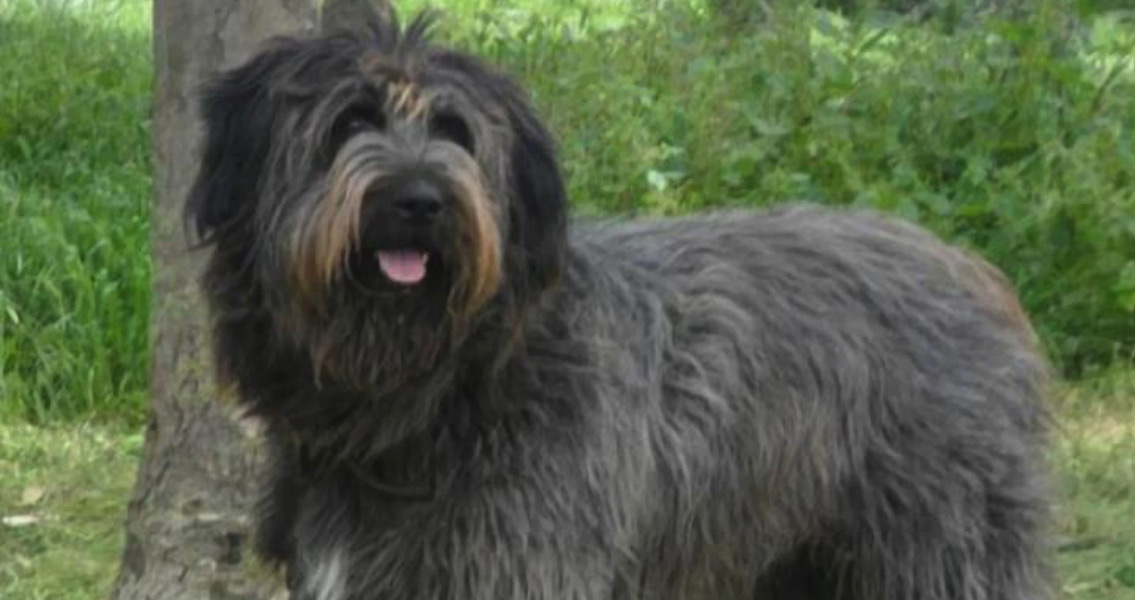
GENETICS, the new study reveals that the regional variety has in fact developed into a true breed. Interestingly, the authors suggests this took place because of unregulated selection for the animal’s distinctive behaviour. The results also suggest that the Fonni’s Dog came from the same geographic areas as the island’s human migrants. Known as Cane Fonnese in Italian, Fonni’s Dogs are characterised by their intense facial expressions. A rugged herd guardian, they all make fine protectors of flocks and display a wariness towards strangers. Despite these common traits, significant variation in their fur has led many to question if they’re a true breed. “If you were to look at ten Fonni’s Dogs, you would see there’s a lot of variation in coat color and fur length. But they are all good protectors of their flocks. That’s because nobody cares what they look like; they’ve been bred to do a job and to do it right,” said study leader Elaine Ostrander of the National Human Genome Research Institute (NHGRI), in a press release. Another common trait among Fonni’s Dogs is their fierce loyalty to their owners. This manifests itself in their willingness to guard the property of their owner, and somewhat more unusually in their skill as thieves. “They can be trained to sneak over to the neighbors’ and bring items home.” Ostrander explained. Much like the people that brought them to the island, the Fonni’s Dogs are an example of an isolated population which is providing scientists a wealth of genetic insights, particularly in regards to genes that influence health and behaviour. Sardinia’s geographic isolation means its population has a unique ancestry, and very low genetic diversity. These characteristics make it easier to study the genetic influences of disease and aging in Sardinians when compared to other genetic groups. Ostrander and colleagues argue that the same is also true of the hundreds of different dog breeds. “Dogs get all the same diseases as humans, and there are lots of dog breeds with genetic predispositions, for example to particular types of cancer,” Ostrander said. “Once we understand the genetic history of a breed we can search for disease genes in a much more powerful way than is possible in humans, enabling us to hone in on medically-relevant genes.” The study also revealed that the ancestors of the Fonni’s Dog were related to the Saluki, a swift, graceful ‘sight’ hound from the Near and Middle East; and the Komondor, a powerfully built sheep guardian from Hungary. These insights into the history of the Fonni’s Dog show just how closely it mirrored human migration to Sardinia. “The map we can draw of the dog’s origins is the same as the map of human migration to Sardinia,” said Ostrander. “Clearly ancient people traveled with their dogs, just as they do now.” These parallels between the migration of dogs and humans could have a surprising application, according to the study authors. “Our study shows how closely dog migration parallels human migration. It could be that if you have missing pieces in a study of a human population’s history, samples collected from dogs in the right place could fill in those gaps.” The team now plan to study the regions of the genome that make the Fonni’s Dog unique, perhaps even explaining its loyalty and protective behaviour. Ostrander and her team also hope to work with colleagues in other countries to explore other so called ‘niche’ dog populations; to demonstrate the ways man’s best friend can be used to help track down disease genes. ]]>

Categories
Breaking News

Ancient Faeces Shows Deadly Diseases Spread Along the Silk Road

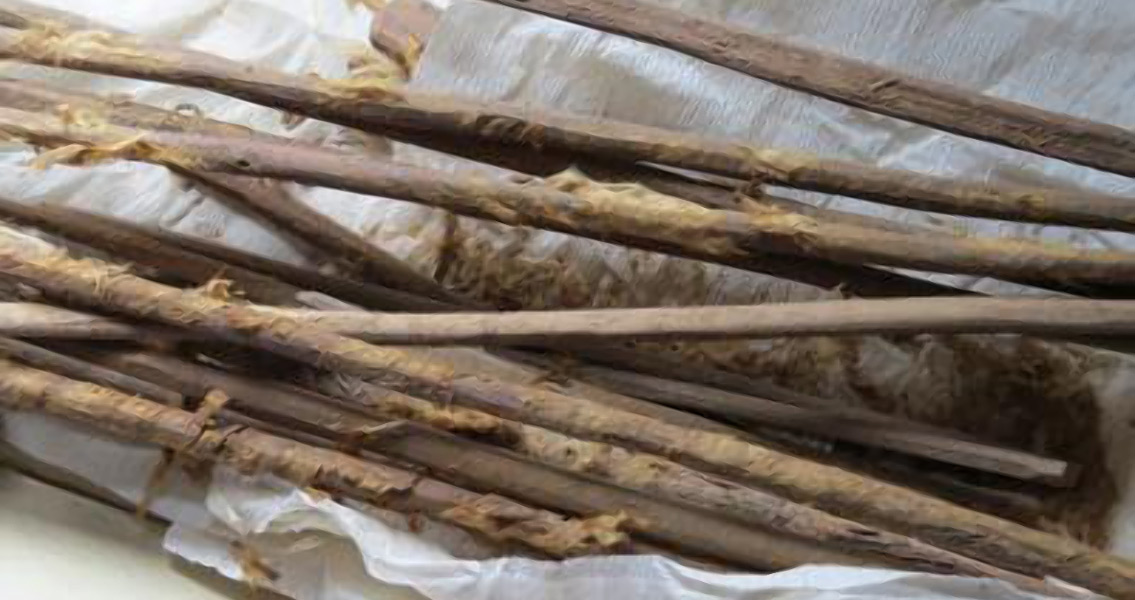
Journal of Archaeological Science: Reports, the discovery made through rather unpleasant means is described as momentous. It has long been thought that the Silk Road could have been a conduit for transporting diseases between Asia and Europe. Now, a 2,000 year old latrine in Western China has provided the first archaeological evidence that this was indeed the case. The findings are likely to be game changers in the history of the origin and dispersal of disease, possibly expanding our understanding of the spread of the Black Death in Asia and Europe, as well as other lethal diseases such as anthrax and leprosy. Hui-Yuan Yeh and Piers Mitchell from Cambridge University used microscopy to analyse the faeces preserved on ancient personal hygiene sticks (used to clean the anus). The sticks were unearthed from the latrine at what was a major Silk Road relay station on the eastern border of the Tamrin Basin, a region that includes the Taklamakan Desert. The researchers believe the latrine dates from 111 BCE and was in use until 109 CE. Chinese researchers Ruilin Mao and Hui Wang from the Gansu Institute for Cultural Relics and Archaeology carried out the initial excavations at the site in Gansu province. The relay station was a popular one, used by travellers as a place to stay, and government officials as somewhere to change horses and deliver letters. Mao and Wang found the hygiene sticks with cloth wrapped around one end. Four eggs from four parasitic worms were present in the faeces studied: roundworm (Ascaris lumbricoides), whipworm (Trichuris trichiura), tapeworm (Taenia sp.), and Chinese liver fluke (Clonorchis sinensis). The Chinese liver fluke provided the key evidence that infectious diseases could be spread over thousands of miles. A parasitic flatworm that causes abdominal pain, diarrhoea, jaundice and liver cancer, Chinese liver fluke requires well-watered, marshy areas to complete its life cycle, nothing like the dry, arid, desert-like environment the relay station was situated in. The liver fluke is simply not endemic to this region, and must have come from elsewhere. At present, the closest endemic area to the relay station for the Chinese liver fluke is Dunhuang, around 1,500 km away. The species is most prevalent in Guandong Province, some 2,000 km from Dunhuang. The authors of the study, from Cambridge University’s Department of Archaeology and Anthropology, argue that the person infected with the liver fluke must have traveled a substantial distance while infected with the parasite. As such, the finding presents the earliest archaeological evidence of diseases being carried large distances along the Silk Road. “When I first saw the Chinese liver fluke egg down the microscope I knew that we had made a momentous discovery,” said Hui-Yuan Yeh, in a press release from Cambridge University. “Our study is the first to use archaeological evidence from a site on the Silk Road to demonstrate that travellers were taking infectious diseases with them over these huge distances.” First coming to prominence during the period of the Han Dynasty in China (202 BCE – 220 CE), the Silk Road allowed merchants, explorers, soldiers and officials to travel between East Asia and the Middle East/Eastern Mediterranean. The fact that similar strains of bubonic plague, anthrax and leprosy have been found in both China and Europe has led many researchers to suggest the Silk Road was the conduit that spread the diseases, but archaeological evidence supporting this theory had been lacking. “Until now there has been no proof that the Silk Road was responsible for the spread of infectious diseases. They could instead have spread between China and Europe via India to the south, or via Mongolia and Russia to the north,” said Piers Mitchell, one of the study authors. “Finding evidence for this species in the latrine indicates that a traveller had come here from a region of China with plenty of water, where the parasite was endemic. This proves for the first time that travellers along the Silk Road really were responsible for the spread of infectious disease along this route in the past.” Image courtesy of Hui-Yuan Yeh. Reproduced from the Journal of Archaeological Science: Reports.]]>

Categories
Breaking News

Did Neanderthals Get Herpes and Other Diseases From Humans?

American Journal of Physical Anthropology, challenges the prevailing view that infectious disease outbreaks exploded with the dawn of agriculture, when humans started to live in dense, sedantary populations alongside their livestock. In particular, their results bring into question the idea that diseases such as tuberculosis were initially spread to humans from livestock such as pigs. “We are beginning to see evidence that environmental bacteria were the likely ancestors of many pathogens that caused disease during the advent of agriculture, and that they initially passed from humans into their animals,” said Houldcroft in a Cambridge University press release. Although there is no definitive evidence humans transmitted African diseases to Neanderthals, Houldcroft and Underdown’s paper provides several candidates for diseases that could have been spread in such a way. One is Helicobacter pylori, a stomach ulcer causing bacterium. It is estimated to have initially infected humans in Africa between 116 and 88 thousand years ago. It arrived in Europe 52,000 years ago, while the most recent studies suggest Neanderthals had gone extinct by 40,000 years ago. Herpes simplex 2, the virus which causes genital herpes, is another candidate suggested by the paper. The genome of the disease suggests it was transmitted to humans through chimpanzees, via another as yet unknown hominin species, around 1.6 million years ago. “The ‘intermediate’ hominin that bridged the virus between chimps and humans shows that diseases could leap between hominin species. The herpes virus is transmitted sexually and through saliva. As we now know that humans bred with Neanderthals, and we all carry 2-5% of Neanderthal DNA as a result, it makes sense to assume that, along with bodily fluids, humans and Neanderthals transferred diseases,” said Houldcroft. Neanderthals lived in relatively small, isolated communities, meaning that rather than a rapid epidemic, their decline due to disease was probably quite gradual. “… it is unlikely to have been similar to Columbus bringing disease into America and decimating native populations. It’s more likely that small bands of Neanderthals each had their own infection disasters, weakening the group and tipping the balance against survival,” Other causes may have contributed to the extinction of the Neanderthals, but Houldcroft and Undertown’s work shows that humans spreading disease must be considered as a factor in the species’ decline. For more information: www.onlinelibrary.wiley.com]]>

Categories
Breaking News

Native American Depopulation Affected Ecology

Categories
Breaking News

Plague Emerged in the Bronze Age

Yersinia pestis, was common among humans much earlier than the first historical records of plague epidemics suggest. An analysis of DNA extracted from Bronze Age human teeth showed that Y. pestis affected people in Asia and Europe as far back as 4,800 years ago. However, it was not for another thousand years that the bacterium developed characteristics allowing it to cause bubonic plague, the disease typically associated with it. What led the scientists, from the Universities of Gothenburg and Copenhagen, to believe that the plague is much older than commonly thought was an earlier genomics study they did on people from the Bronze Age, EurekAlert reports. That study revealed that the period, between 3000 BCE and 1500 BCE, was very dynamic in terms of migratory trends. These trends were found to have had a substantial effect on the modern-day demographic make-up of Europe and Asia. The team’s interest was sparked by the reasons behind these migrations. One of the authors of the study, Morten Allentoft from the Centre of GeoGenetics at the University of Copenhagen, told EurekAlert that one of the reasons for migration could have been epidemics that drove people away from a certain area, or decimated the population in another area, creating conditions for its repopulation. The question they asked themselves was whether these epidemics may have been caused by pestilence. To find an answer, they studied 89 billion raw DNA sequences extracted from the teeth of 101 Bronze Age and early Iron Age individuals taken from archaeological digs and museums. In seven of the samples, dated to between 2794 BCE and 951 BCE, there was evidence of the Y. pestis bacterium. Further analysis suggested that the original pathogen that Y. pestis evolved from first emerged around 5,783 years ago. To compare, the first historical records of plague-like epidemics appear in the common era, first in the sixth century, with the so-called Plague of Justinian, and then, of course, in the Middle Ages, when the Black Death took the lives of as much as half the population of Europe. There have been suggestions that Y. pestis was responsible for the Plague of Athens from 2,500 years ago and the Antonine Plague, but no hard evidence in support of this suggestion has been presented so far. Interestingly, the DNA analysis showed that even though they could get infected by the pathogen, Bronze Age people did not get it from fleas, which are among the main vectors of plague transmission. The bacterium apparently only developed the gene that allowed it to survive in the gut of fleas later, in the Stone Age. One earlier study that New Historian recently reported, suggested that the plague is in fact older than humans, by tens of millions of years, and even as early as that a strain of it could be transmitted by fleas. For more information: “Early Divergent Strains of Yersinia pestis in Eurasia 5,000 Years Ago” ]]>

Categories
Breaking News

Evidence of Leukemia Found in 7,000-Year-Old Skeleton