Categories
Breaking News

Climate change greatly impacted extinction of Neanderthals

What are stalagmites? Stalagmites grow in thin layers each year and any change in temperature alters their chemical composition. The layers therefore preserve a natural archive of climate change over many thousands of years. The researchers examined stalagmites in two Romanian caves, which revealed more detailed records of climate change in continental Europe than had previously been available. From looking closely at the layers of the stalagmites, the archaeologists were able to identify a series of prolonged cold and dry periods in Europe between 44,000 and 40,000 years ago. Temperatures would gradually cool, staying very cold for centuries or even millennia, and then warm up again very abruptly.

Neanderthal presence declined during cold periods

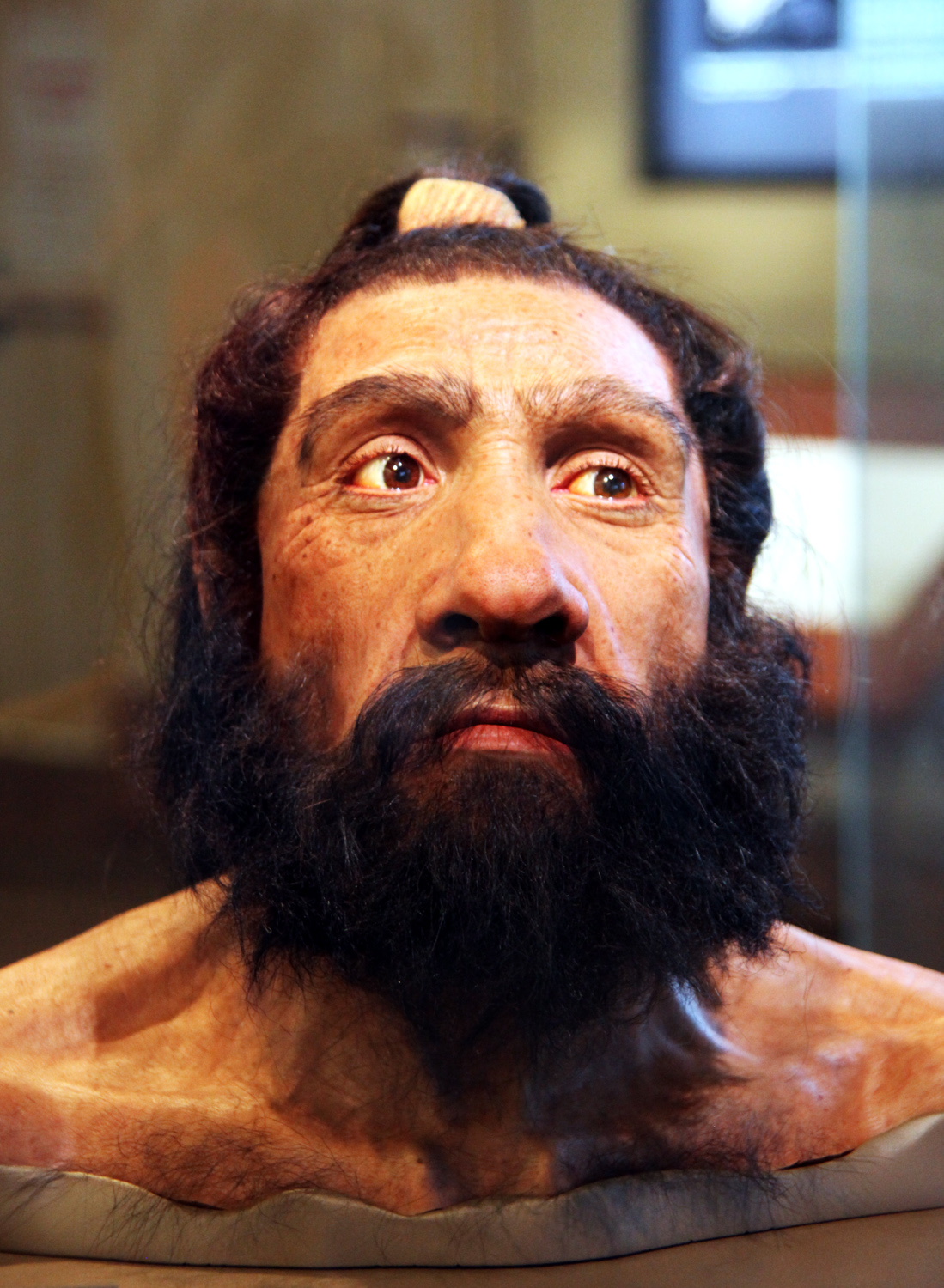
These cold periods coincide with the timings of a near complete absence of archaeological artefacts from the Neanderthals. From this, it has been suggested that changes in climate had a significant impact on the long-term survival of Neanderthal man. [caption id="attachment_8774" align="aligncenter" width="500"] A model an adult Neanderthal male head and shoulders on display in the Hall of Human Origins in the Smithsonian Museum of Natural History in Washington, D.C. Credit: Tim Evanson[/caption] Dr Vasile Ersek is co-author of the study and a senior lecturer in physical geography in Northumbria University’s Department of Geography and Environmental Sciences. He explains: “The Neanderthals were the human species closest to ours and lived in Eurasia for some 350,000 years. However, around 40,000 years ago – during the last Ice Age and shortly after the arrival of anatomically modern humans in Europe – they became extinct. “For many years we have wondered what could have caused their demise. Were they pushed ‘over the edge’ by the arrival of modern humans, or were other factors involved? Our study suggests that climate change may have had an important role in the Neanderthal extinction.”

Why did modern humans survive cold periods?

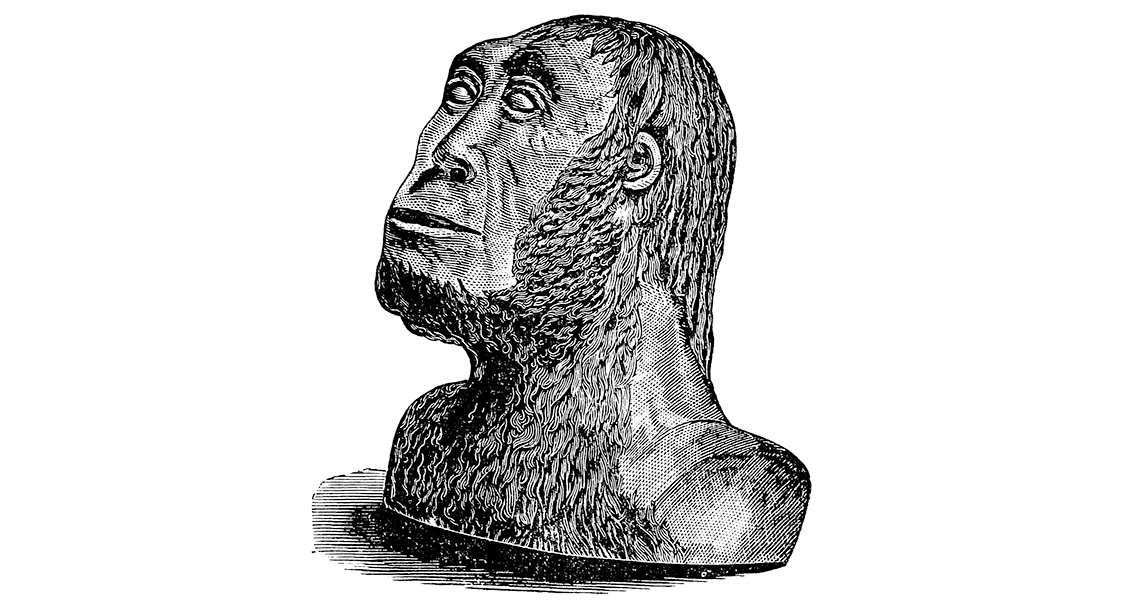
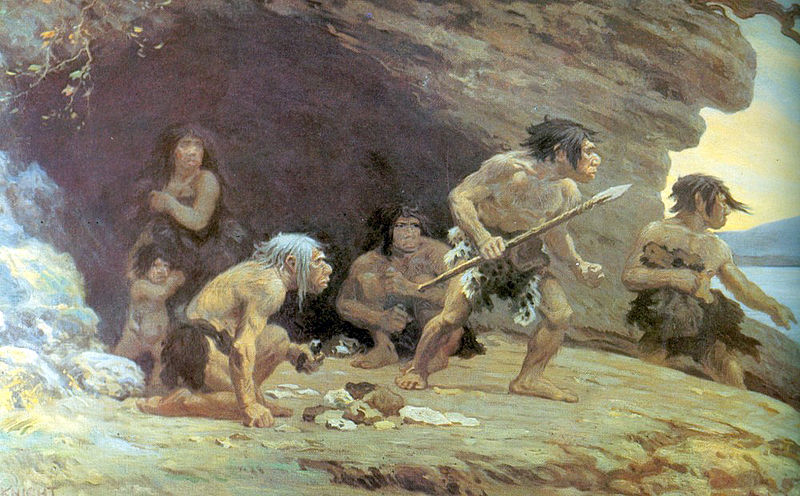
The researchers have stated that modern humans survived these cold conditions – known as stadial periods – because they were more adaptable to their environment. [caption id="attachment_8773" align="aligncenter" width="500"] Credit: Le Moustier Neanderthals by Charles R Knight, 1920[/caption] While Neanderthals were skilled hunters and were able to use fire, their diet wasn’t as diverse as that of modern humans. They lived mainly on meat, so when that food source became more scarce during colder periods, Neanderthals became vulnerable. By this time, modern humans had begun to incorporate fish and plants into their diet – potentially marking them for survival.

Depopulation, repopulation

According to Dr Ersek, the research team’s findings have indicated that this cycle of “hostile climate intervals” over thousands of years, in which the climate varied abruptly and was characterised by extreme cold temperatures, was responsible for the future European demographic. “Before now, we did not have climate records from the region where Neanderthals lived which had the necessary age accuracy and resolution to establish a link between when Neanderthals died out and the timing of these extreme cold periods,” he said, “But our findings indicate that the Neanderthal populations successively decreased during the repeated cold stadials. “When temperatures warmed again, their smaller populations could not expand as their habitat was also being occupied by modern humans and this facilitated a staggered expansion of modern humans into Europe. “The comparable timing of stadials and population changes seen in the archaeologic and genetic record suggests that millennial-scale hostile climate intervals may have been the pacesetter of multiple depopulation-repopulation cycles. These cycles ultimately drew the demographic map of Europe’s Middle-Upper Paleolithic transition.” Read more about the difference between Neanderthals and modern humans here.]]>

Categories
Breaking News Editorial

Why Homo sapiens survived (and other hominins didn't)

Map of the potential distribution of archaic hominins, including H. erectus, H. floresiensis, H. neanderthalenesis, Denisovans and archaic African hominins, in the Old World at the time of the evolution and dispersal of H. sapiens between approximately 300 and 60 thousand years ago.
Credit: Roberts and Stewart. 2018. Defining the ‘generalist specialist’ niche for Pleistocene Homo sapiens. Nature Human Behaviour. [/caption]

Homo sapiens surviving extreme conditions

Archaeological and palaeoenvironmental datasets from the Middle and Late Pleistocene eras have come under critical review in the recent collaboration between the Max Planck Institute and the University of Michigan. Hominin movement and biological development within and beyond Africa proves our species’ ability to occupy diverse and ‘extreme’ settings around the world. This could well explain how Homo sapiens became the last surviving hominin on the planet. Previously, it was thought that early homo sapiens had stayed close to the coast or savannahs, not infiltrating extreme environments until around 15,000 years ago. But this new evidence has shown humans were in tougher climates far earlier, affecting the debate over what it means to be human – as a Homo sapien, at least.

What does it mean to be human?

“So much focus has gone into finding the next artwork, the next fossil, that in the search for a sort of ‘modernity’ as it is often put – other fundamental elements were neglected,” says Dr Patrick Roberts from the Max Planck Institute for the Science of Human History. Under this new theory, investigations into what separates Homo sapiens from our ancestors would shift away from attempts to uncover the earliest traces of art, language and technological complexity. They’d move, instead, towards understanding what makes our species ecologically unique.

New ideas of Neanderthal creativity

Recent research exposed the fact that our Neanderthal cousins created art before Homo sapiens, and were therefore capable of creating symbolism independently. Because of this, the lines between Homo sapiens and our ancestors are becoming increasingly blurred. You can read more about Neanderthal creativity and the recent discoveries that probe into it here. [caption id="attachment_8774" align="aligncenter" width="500"] A model an adult Neanderthal male head and shoulders on display in the Hall of Human Origins in the Smithsonian Museum of Natural History in Washington, D.C. Credit: Tim Evanson[/caption]

Ancestral ecologies

In contrast to other hominins, our species not only colonised environments as varied as deserts, tropical rainforests, high altitude settings and the palaeoarctic, but also flourished in these extreme conditions. Looking at our ancestral ecologies, we know that the genus Homo is highly diverse. Although often given the blanket name of ‘human,’ both academically and colloquially, using one term is certainly deceptive. There were a range of Homo species, all of which comfortably developed to reflect their surroundings. Homo erectus and Homo floresiensis (also known as ‘the Hobbit’) are thought to have occupied resource-scarce tropical rainforests from 1 million to 100,000 and 50,000 years ago respectively. The Neanderthals (Homo Neanderthalensis) occupied the high latitude areas of Eurasia between 250,000 and 40,000 years ago. To some extent, they backed themselves into an ecological corner, by only developing hunting skills in specialised environments.

What is the difference between ‘humans’ and Neanderthals?

While it might seem like there were gulfs between Homo sapiens and Homo Neanderthalensis, it would be remiss not to point out that the Neanderthals were our closest hominin relatives. In fact, Homo Neanderthalensis shares 99.7% of DNA with Homo sapiens. The history, appearance, intelligence and behavioural similarities and differences between the two are explored by Daryl Worthington on the New Historian – click here to read more.

Rapid Homo sapien colonisation

In contrast to the rest, Homo sapiens had spread to higher-elevation niches by around 80-50,000 years ago. By 45,000 years ago, the species was rapidly colonising both palaeoarctic and tropical rainforest conditions in Asia, Melanesia and the Americas. In order to decipher how our species demonstrated its colonising capacity elsewhere in places like northwest India and the high elevations of Tibet and the Andes, better-dated and higher resolution environmental datasets are required.

Homo sapiens: the ‘generalist specialist’

Ultimately, the new theory is that Homo sapiens were a ‘generalist specialist’. The ’generalist specialist’ is a new ecological niche: one that reflects Homo sapiens’ ability to occupy a huge diversity of environmental settings across the majority of the Earth’s continents by the Late Pleistocene. Dr Patrick Roberts has written: “A traditional ecological dichotomy exists between ‘generalists’, who can make use of a variety of different resources and inhabit a variety of environmental conditions, and ‘specialists’, who have a limited diet and narrow environmental tolerance.” He continues: “However, Homo sapiens furnish evidence for ‘specialist’ populations, such as mountain rainforest foragers or palaeoarctic mammoth hunters, existing within what is traditionally defined as a ‘generalist’ species.”

How did Homo sapiens become a ‘generalist specialist’?

Dr Brian Stewart, from the Department of Archaeology at the University of Michigan, thinks that this new niche was carved out through extensive cooperation between non-kin individuals. He writes: “Non-kin food sharing, long-distance exchange, and ritual relationships would have allowed populations to ‘reflexively’ adapt to local climatic and environmental fluctuations, and outcompete and replace other hominin species.” It comes down to empathy, as well as an ability to accumulate and pass on cultural knowledge.

How our species became the last surviving hominin on the planet

“As with other definitions of human origins, problems of preservation also make it difficult to pinpoint the origins of humans as an ecological pioneer. However, an ecological perspective on the origins and nature of our species potentially illuminates the unique path of Homo sapiens as it rapidly came to dominate the Earth’s diverse continents and environments”, says Roberts. He writes: “Understanding this ecological niche provides a framework for discussing what it means to be human and how our species became the last surviving hominin on the planet.”]]>
Categories
Breaking News

Secrets of the Neanderthals: collaborative, intelligent hunters

they, and not humans, created the first cave paintings. Now, with an analysis of prehistoric animal remains from Germany, we can deduce that Neanderthals were capable of sophisticated and collaborative hunting strategies. [caption id="attachment_8773" align="aligncenter" width="500"] Credit: Le Moustier Neanderthals by Charles R Knight, 1920[/caption]

120,000-year-old secrets

Cut marks on the bones of two deer from 120,000 years ago provide the earliest evidence that weapons were used to stalk and kill prey. The findings, published in Nature Ecology and Evolution, used microscopic imaging and ballistics experiments to confirm that at least one of the blows was delivered at low velocity with a wooden spear. Sabine Gaudzinski-Windheuser, a researcher at Johannes Gutenberg-University Mainz, Germany has commented: “This suggests that Neanderthals approached animals very closely and thrust, not threw, their spears at the animals, most likely from an underhand angle.” “Such a confrontational way of hunting required careful planning and concealment, and close cooperation between individual hunters,” she continues.

A brief history of the Neanderthals

Neanderthals occupied areas in Europe from around 300,000 years ago. They died out 30,000 years ago, when they were overtaken by humans. For a long time, it was considered that Neanderthals simply lacked the intelligence to compete with humans, but evidence such as this new study has turned that argument on its head. For instance, it was thought that Neanderthals lacked symbolic culture; but as we now know, they were creating cave paintings 20,000 years before humans arrived in Europe. Similarly, they buried their dead in a ritual fashion, proving a symbolic culture in itself. New Historian has previously published a study on the differences between the Neanderthals and humans, which you can read here. [caption id="attachment_8774" align="aligncenter" width="500"] A model an adult Neanderthal male head and shoulders on display in the Hall of Human Origins in the Smithsonian Museum of Natural History in Washington, D.C. Credit: Tim Evanson[/caption]

Neanderthals: cleverer than we might have thought

Hominins, which include both early human species as well as our own, are likely to have hunted with weapons more than 500,000 years ago. 300-400,000 year old wooden staves have been found in England and Germany, and are the oldest known spear-type implements that could have been used to kill prey. However, with no physical evidence that they were indeed used for hunting, scientists have speculated. This new finding removes any doubt: these were hunting tools. “As far as spear use is concerned, We now finally have the ‘crime scene’ fitting to the proverbial ‘smoking gun’,” Gaudzinski-Windheuser says. Excavations from nearby sites have provided us with tens of thousands of bones from huntable animals such as deer, horses and bovids. Thousands of stone artefacts also found nearby help to paint the picture of a flourishing Neanderthal forest lifestyle between 135,000 and 115,000 years ago. Despite having been discovered around 20 years ago, these deer bones have now been examined with new technologies. They have allowed us to tell which injuries were fatal, the kind of weapon used and what kind of distance there was between the hunter and his prey. Annemieke Milks, a researcher at the Institute of Archaeology at University College London writes in Nature Ecology and Evolution: “the ballistics work is experimental archaeology at its best”.]]>

Categories
Breaking News

Neanderthals Made Patterns on Raven Bones

PLOS ONE. If the notches on the raven bone were indeed made intentionally by a Neanderthal, it would suggest a much higher level of cognitive ability among our closest extinct evolutionary cousins than is typically assumed. Majkic and her team carried out a range of tests to determine whether two extra notches on the ZSK raven bone had been made by Neanderthals with the intention of making the final series of notches appear evenly spaced. Interestingly, these tests involved using modern day volunteers as a means of assessing the aesthetic intention behind the notches. The researchers carried out a multi-phase experiment involving turkey bones of a similar size to the raven bone unearthed in Crimea. Participants were asked to create evenly spaced notches in the bones, and these bones were then subjected to morphometric analysis. The analyses revealed that the equal spacing of the notches in the modern day test were comparable to those in the ZSK raven bone, even when they were adjusted for errors in human perception. For the researchers, this similarity is deeply significant. As they write in the abstract to their study: “This suggests that even if the production of the notches may have had a utilitarian reason the notches were made with the goal of producing a visually consistent pattern. This object represents the first instance of a bird bone from a Neanderthal site bearing modifications that cannot be explained as the result of butchery activities and for which a symbolic argument can be built on direct rather than circumstantial evidence.” Popular culture tends to portray Neanderthals as primitive when compared to modern humans. The reality however, is far more complicated. The idea of the brutish, uncultured Neanderthal is increasingly being challenged as new discoveries fuel debate over their cognition. Some scientists go as far as claiming Neanderthal cognition would have been comparable, perhaps even equal, to modern humans’. Others say that factors such as differences in cranial morphology and evidence of behaviour suggest vast differences between human and Neanderthal cognitive levels. Recent discoveries of altered bones at Neanderthal sites have been described by some as proof that Neanderthals had a taste for personal ornamentation. Earlier this year, a study claimed to have found evidence that Neanderthals used plant based medicine, pointing to a high level of intellectual development and awareness of their surroundings. Perhaps most unusually, a strange looking piece of limestone found at a site in Croatia was taken as an example of Neanderthals’ sense for aesthetics. The researchers who discovered the rock believe it could have served no practical function, and therefore may have been kept by a Neanderthal purely for the way it looked. Image courtesy of Francesco d’Errico]]>

Categories
Breaking News

Did Neanderthals and Leopards Exist Side-by-side in Italy?

LiveScience, an ancient bone found in 2014 by Renato Bandera, an amateur scientist, turned out to be the shinbone of a leopard. The find was made in northern Italy on the banks of the River Po, not far from the entrance to Cremona’s harbor. The fossilized bone, which Bandera donated to the Paleoanthropological Museum of Po in San Daniele Po, is not the first specimen to be found in the region. Indeed, many fossils discovered nearby have led researchers to suggest a number of species made their home there, from elk, rhinos and giant deer to woolly mammoths, steppe bison and straight-tusked elephants. However, finding the fossilized remains of carnivorous species is much rarer. Only a handful of fossils from foxes, hyenas, wolves, and bears have been discovered in the region; the newest discovery – that leopards were present as well – fills in a major gap in our knowledge of the ecology of the time period. Researchers say that the leopard was likely just shy of 100 pounds, was around 3.6 feet long and had a 2.8-foot tail, all according to the size of the shinbone. Davide Persico, the study’s co-author and a paleontologist from the University of Parma, said this suggests the creature was either a young male or a large female. While the exact age of the fossilized remains has yet to be pinpointed, fossils found nearby place the leopard remains in context. According to Persico, the leopard is likely to have lived up to 180,000 years ago. The presence of leopards in Europe isn’t unheard of, especially since previous research has discovered evidence of the large cat living on the continent during the Pleistocene. The oldest known example of leopards living in Ice Age Europe comes from Vallonet Cave, a site in France that yielded leopard remains dated to between 900,000 and 1 million years old. Researchers said that as the climate continued to shift colder, leopards would have migrated closer to the equator. As a result, the large felines would have moved down from the mountainous regions into the Po River plain – and would have lived there at the same time as Neanderthals. In fact, the only other leopard fossils in Italy were found in the Apennines and the Alps exclusively. The fossil discovery shows that this ancient leopard species was not limited to the mountains, remarked the paleontologist. Persico drew a connection between ancient leopards and modern ones, stating that both have demonstrated the ability to adapt to different climates. Modern leopards do indeed demonstrate a wide distribution, in fact the largest of any wild cat. The largest spotted cats in modern-day Asia and Africa, leopards range from mountainous regions to forests, grasslands, and even semi-arid deserts. The new research study, published in the journal Quaternary International, can be found here]]>

Categories
Breaking News

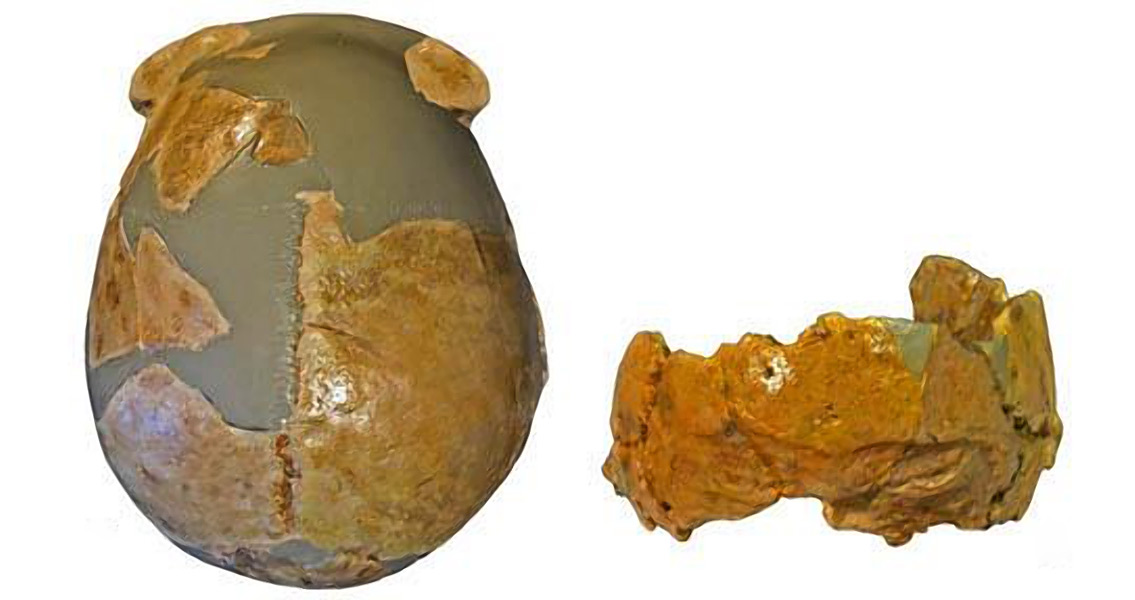
Neanderthal and Human Characteristics Shown in Two Ancient Skulls

Categories
Breaking News

Neanderthal DNA Still Affecting Modern Humans

New Scientist. “The results add to increasing evidence that these effects are often the outcome of changes to the genetic switches,” said Tony Capra of Vanderbilt University in Nashville, Tennessee. His own results published last year revealed Neanderthal influences on a variety of human disorders, including depression and addiction. The control of Neanderthal DNA decreased the most in regions of the brain critical for perception and fine motor skills, the basal ganglia and the cerebellum, which further evolved in humans to enable advanced thinking, behavior and the ability to process language. NTRK2 is another Neanderthal gene with fading influence. This gene is key to neuron survival in addition to the development of brain connections and its reduced influence illustrates the sort of fine-tuning which may have permitted our ancestors to take off intellectually. Another gene in which Neanderthal DNA lost control is a testes gene that affects a sperm’s ability to penetrate and subsequently fertilize an egg. Researchers theorize that once control of this gene was relinquished, neither the Neanderthals nor the human- Neanderthal hybrids were able to mate with humans. This theory is consistent with research results showing a reduction in the health of male offspring from hybrid unions. ]]>

Categories
Editorial

Neanderthals and Humans – What Are the Differences?

Homo neanderthalenisis is now long extinct, the differences between the two species can actually be hard to pinpoint. A fact further complicated by the now widely accepted belief that the two species interbred during the time they both inhabited Eurasia. History The first point of difference between the two species can be found in their respective histories. Neanderthals migrated into Eurasia long before modern humans did. Exactly when they left Africa is far from certain, but scientists generally estimate it was sometime between 300,000 and 200,000 years ago. Humanity’s path to Eurasia is also far from certain. The earliest recognisably modern human fossils have been found in Omo Kibish in Ethiopia, and date to around 200,000 years ago. Genetic and paleontological records suggest modern humans started to leave Africa between 60,000 and 70,000 years ago. Exactly why this migration started is unclear, but it is generally believed to have been due to the onset of the last Ice Age. Some 50,000 years ago the first humans started to arrive in what is now the Middle East (this was likely a different group to the original explorers out of Africa, who instead migrated East through India). It was this group that would eventually go on to colonise much of Europe and Asia. Anatomically modern humans then, arrived in Eurasia much later than their evolutionary cousins. Nevertheless, the two species lived alongside each other for several thousands of years, with the Neanderthals finally going extinct sometime between 40,000 and 30,000 years ago. Appearance Although similar in many ways, there are clear physical differences distinguishing Neanderthals and modern humans. Neanderthals were significantly shorter and stockier than modern humans, with much broader rib cages and pelvises. To give some perspective, the average height for a man in the USA is 1.76 metres. Conversely, based on the fossil records available, the average height for a Neanderthal was just 1.6 metres. A study published late last year suggested that some of these anatomical differences could be the result of the Neanderthals being forced to adopt a much more high protein diet than modern humans. Intelligence and Behaviour One of the hottest topics in scientific research right now involves determining just how intelligent Neanderthals were. For years, the prevailing view was that Neanderthals were primitive, poorly developed brutes when compared to modern humans, only capable of expressing themselves in grunts and groans. Discoveries in the last few years have really brought this assumption into question. ⦁ A study last year presented remarkable evidence that Neanderthals may have used vocal communication in a way similar to modern humans. ⦁ Archeologists working at Neanderthal sites in France believe Neanderthals deliberately collected manganese oxide to use in chemically assisted fire making 50,000 years ago. ⦁ Earlier this year, a study pointed towards Neanderthals being rock collectors, suggesting they placed symbolic importance in the objects around them. This is widely considered a signifier of cultural development. ⦁ Jewellery found at various paleolithic sites has long been a bone of contention, with some arguing it was created by humans, others that it was the work of Neanderthals and thus further proof of how advanced they were. If true, any of these discoveries would point to Neanderthals being for more advanced than their typical depiction in popular culture would suggest. The physical differences between Neanderthals and humans are quiet clear, especially in terms of anatomy. Beyond that though, it’s becoming increasingly uncertain just how distinct we are from our closest extinct evolutionary cousins.]]>
Categories
Breaking News

Neanderthals Liked Picking Up Pretty Rocks Too

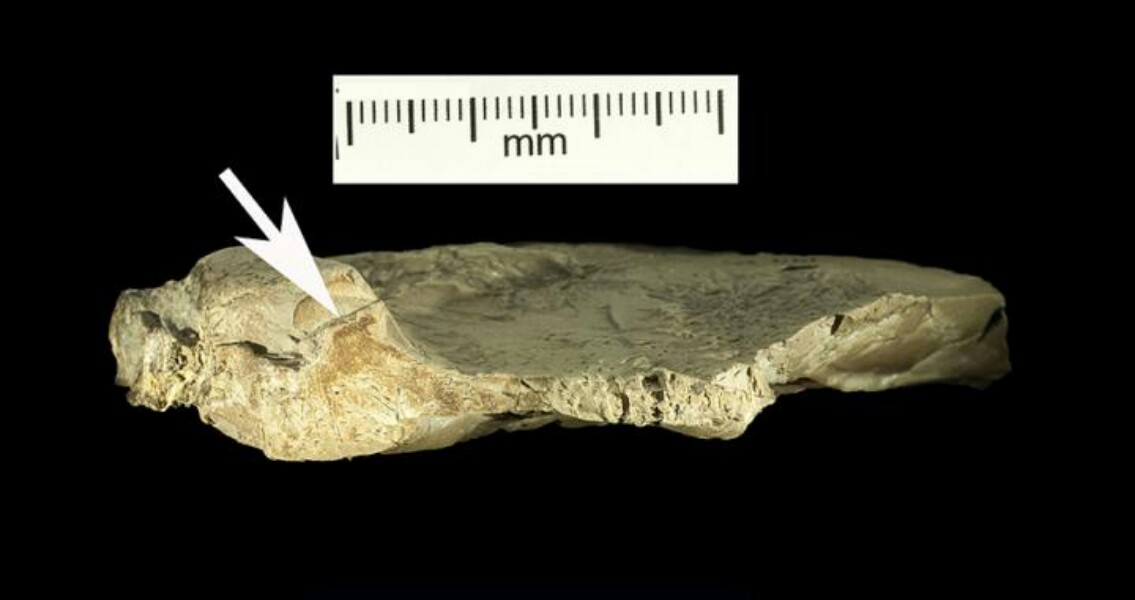
here Image courtesy of David Frayer, University of Kansas]]>

Categories
Breaking News

Sex With Neanderthals Still Benefiting Humans

in Science Daily. Titled ‘Archaic Hominin Admixture Facilitated Adaptation to Out-of-Africa Environments’, the study by Rachel M. Gittelmann, Joshua G. Schraiber, Benjamin Vernot, Carmen Mikacenic, Mark M. Wurfel and Akey has been published in the journal Current Biology. It argues that as humans left Africa, interbreeding with Neanderthals and other archaic hominins allowed them to develop various traits for survival. Neanderthals left Africa hundreds of thousands of years before modern humans, around 300,000 years ago. Modern humans made their way away from the continent sometime between 100,000 and 60,000 years ago. It has been well established that as modern humans made their way to new parts of the world, they encountered and sometimes had children with various archaic humans, such as Neanderthals and Denisovans. Remains of this breeding can still be seen in people today. Previous studies have shown that non-African humans inherited about 2% of their genome from Neanderthals. People of Melanesian ancestry take between 2% and 4% of their genome from Denisovan ancestors. In the study, the researchers searched a sample of 1,500 individuals from East Asia, Europe and South Asia, as well as 27 from Island Melanesia, for archaic DNA sequences in their human genomes. In particular, the team were searching for archaic DNA sequences which appeared at a higher frequency than one would expect unless the genes were beneficial in some way. Neanderthal and Denisovan DNA sequences are typically found at low frequencies, generally less than 5%. However, Gittelmann et al found 126 locations where the archaic sequences exist at much higher frequencies, up to 65%. 31 of those regions are involved in human immunity, while seven play a role in determining characteristics of our skin. These attributes inherited from archaic hominins could have played a vital role in our survival after leaving Africa, allowing human populations to spread. “The ability to increase to such high population frequencies was most likely facilitated because these sequences were advantageous,” Akey explained. “In addition, many of the high-frequency sequences span genes involved in the immune system, which is a frequent target of adaptive evolution.” As humans left Africa they encountered a host of unfamiliar, challenging environments. Tellingly, the team’s results suggest that many of the genes received from Neanderthals and Denisovans are connected to interactions with the environment. Hybridization through interbreeding, therefore, could have been the most efficient way for humans to adapt to the potentially hostile new lands they were encountering.]]>