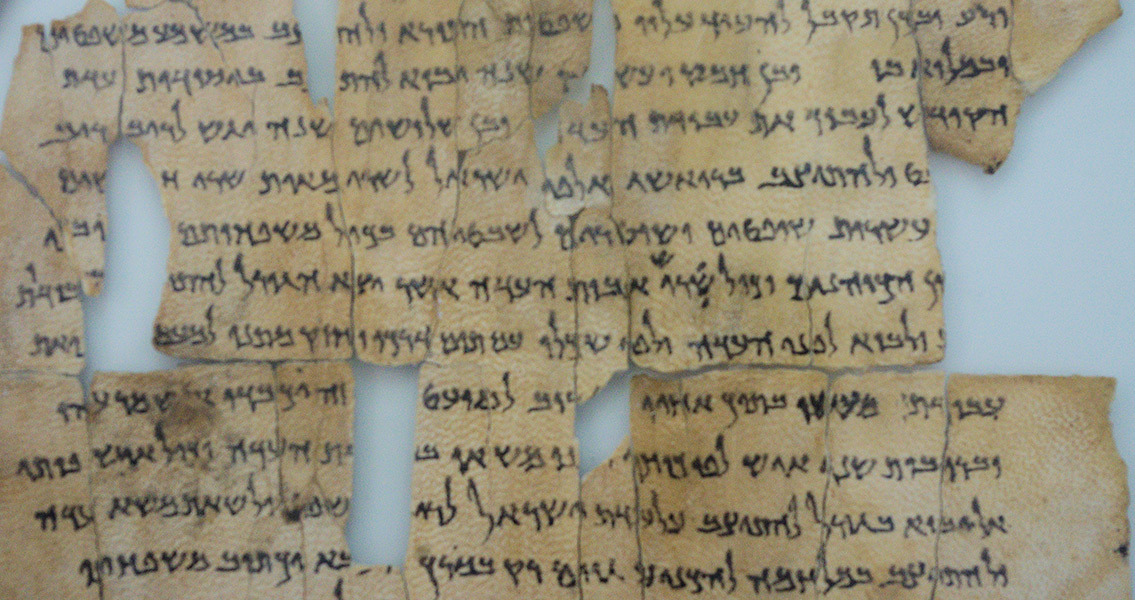
New Historian covered in detail recently – sent shockwaves through the archaeological community, especially in light of a new UNESCO resolution that has been interpreted by some as an attempt to devalue the historical ties of Israel to the city. Many in the Israeli government, up to and including Prime Minister Benjamin Netanyahu, have cited the papyrus discovery as proof that UNESCO’s decision was incorrect, according to Haaretz. However, there are more than a few Israeli researchers who doubt not just the veracity of the papyrus and its text but also the decision to publicize the find, especially as the papyrus was not discovered at a supervised dig site. Initial analysis of the papyrus itself through carbon-14 dating revealed its age to be anywhere from 2,500 to 2,800 years old. The Hebrew text with which the scroll is inscribed is a match for the type of epigraphy used during the seventh century BCE, but Prof. Aren Maeir of Bar-Ilan University, leveling criticism at the IAA , said that while the papyrus may indeed be from that date, there are no indications that the script on the scroll isn’t a clever forgery. There are several well-known cases of antiquities thieves and forgers engaging in similar activity in the past, Prof. Maeir remarked. These forgers would purposely “sacrifice” a legitimate artifact in such a way to whet the appetite of collectors, thus setting up unsuspecting, credulous buyers for any more scrolls they “find” in the future. Additional tests are needed to verify the document, the professor stressed. George Washington University’s Prof. Christopher Rollston agreed with Prof. Maeir, claiming on his blog that there are no indications that the inscriptions on the piece of papyrus are as old as the medium they’ve been placed upon, even when the papyrus, as in this case, has been dated to a specific time. With the abundance of ancient papyrus available to the public – Prof. Rollston claims that nearly anyone can find and order some over the internet – he remains unconvinced of the legitimacy of the inscription. Despite this, the IAA continues to refer to the papyrus as a legitimate find, as it claims to have subjected the new scroll to the same rigorous study that the Dead Sea Scrolls were upon their discovery. However, skepticism still abounds, perhaps most likely due to the seemingly coincidental publication of the find so soon after the UNESCO resolution that sought to downplay and perhaps even sever Judaism’s connection to the Temple Mount, a location of high religious significance to all the Abrahamic faiths. ]]>