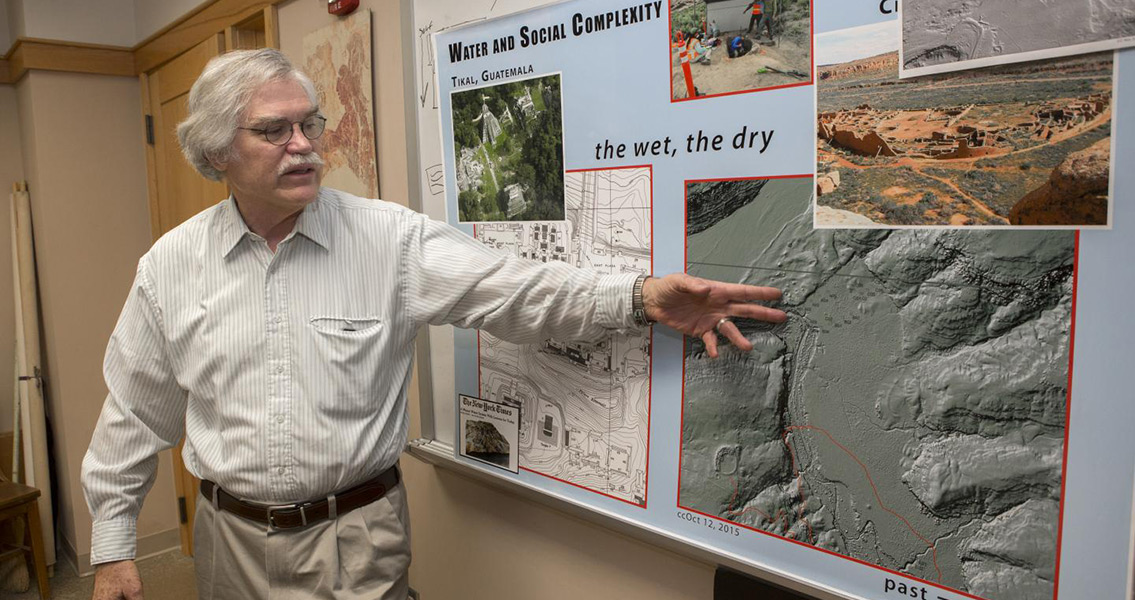

Proceedings of the National Academy of Sciences. ]]>
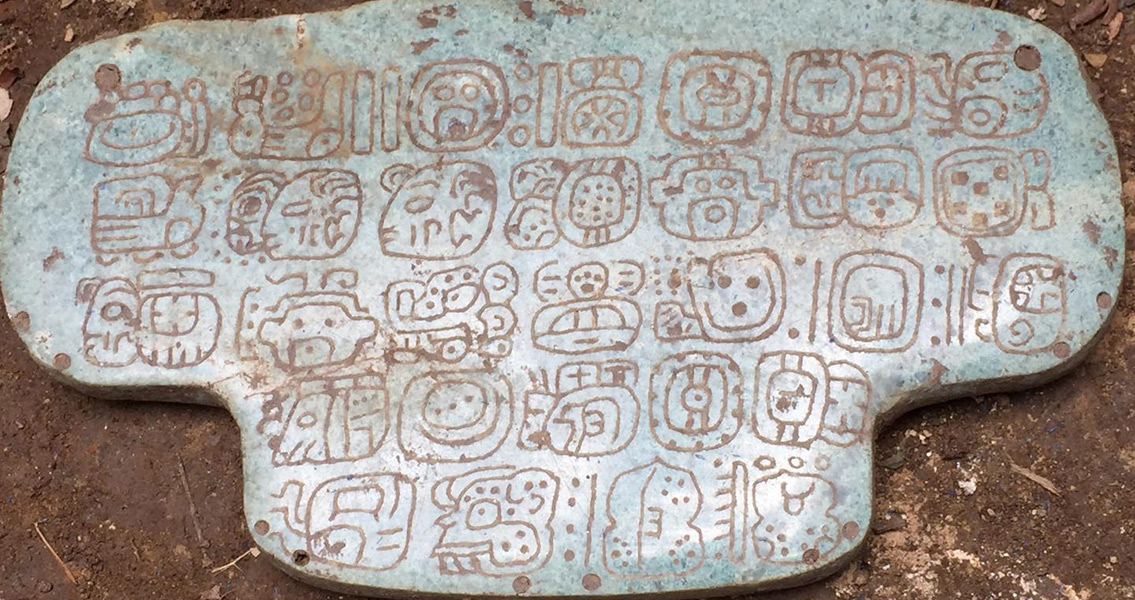
Ancient Mesoamerica, can be found here]]>

Geology. ]]>
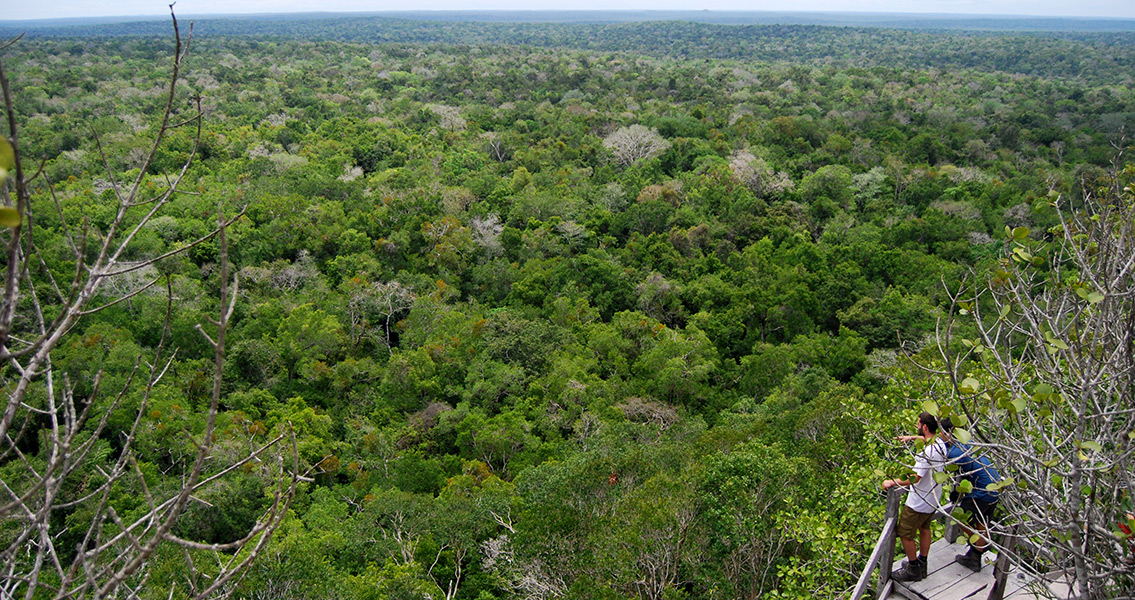

Proceedings of the National Academy of Sciences, can be found here Image courtesy of Takeshi Inomata/University of Arizona ]]>
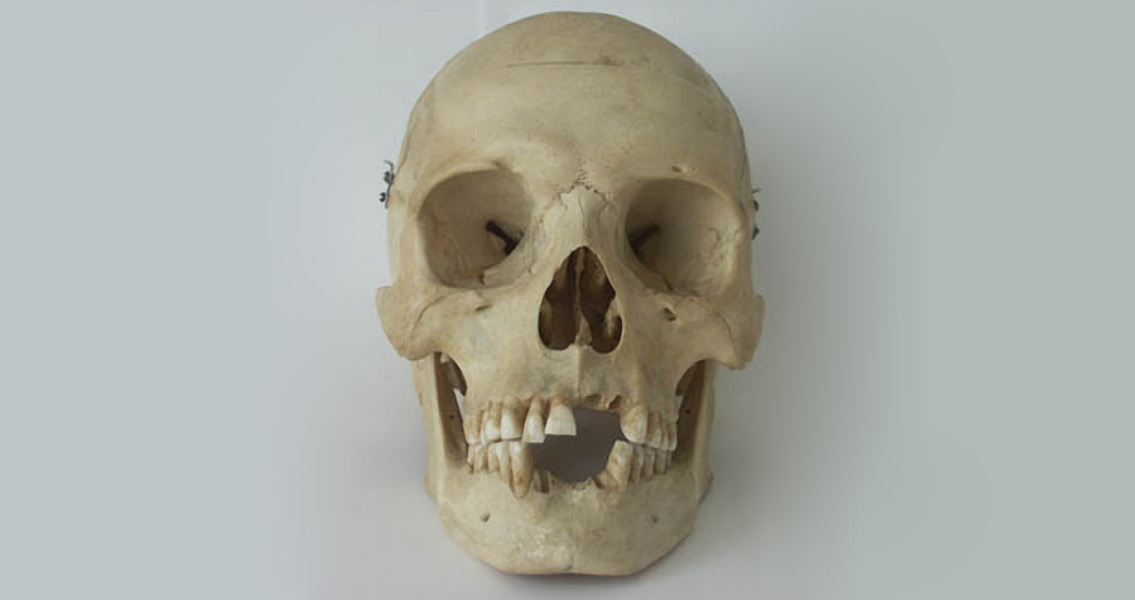
PLOS ONE, can be found here]]>

Guardian. The presence of the third structure suggests the Kukulkan pyramid was built in three separate stages. The first, innermost pyramid was constructed between the years 550 and 800. The middle pyramid, which was discovered in the 1930s, was built between the years 800 and 1000. The largest, final pyramid dates back to the years 1,050 to 1,300. Structures like El Castillo were constructed one on top of the other for a variety of reasons, including the arrival of new leaders or deterioration. The research team is hopeful the find will reveal information about the original Maya culture prior to influences from central Mexico populations. The Mesoamerican Maya civilization was notable for its hieroglyphic script, the only fully developed writing system within the pre-Columbian Americas, and also for its architecture, art, calendar, mathematics, and astronomy system. In 2015 archeologists discovered the pyramid was built on top of a cenote (sinkhole), common to the region and considered sacred by the Maya. The sinkhole under the temple is approximately 82 by 114 feet (25 by 35 meters) and could be up to 65 feet (20 meters) deep. Researchers also found that the pyramid sits on a 16 foot (4.9 meter) layer of limestone on top of the cenote. The discovery of the limestone layer, like the discovery of the third pyramid, was made using a new noninvasive technology involving the placement of electrodes in the area surrounding a structure and sending an electrical current into the ground. While the current is being emitted measurements to determine whether or not sub-surface elements are impeding or increasing the electrical potential are taken and then processed with software that creates three-dimensional maps of the subsurface area. A Mesoamerican step-pyramid, El Castillo dominates the center of the Chichen Itza complex. It was built by a pre-Columbian Maya civilization between the ninth and twelfth centuries CE. The pyramid functioned as a temple to the Yucatec Maya Feathered Serpent god Kukulkan, who was closely related to the Aztec god Quetzalcoatl. The National Institute of Anthropology and History has begun closing pyramids and monuments to the public in an effort to preserve the buildings, so while visitors can still walk around them, they can no longer climb or enter them. Climbing El Castillo was halted after a woman fell to her death in 2006. Today, it remains one of Mexico’s most recognized pre-Columbian structures. ]]>
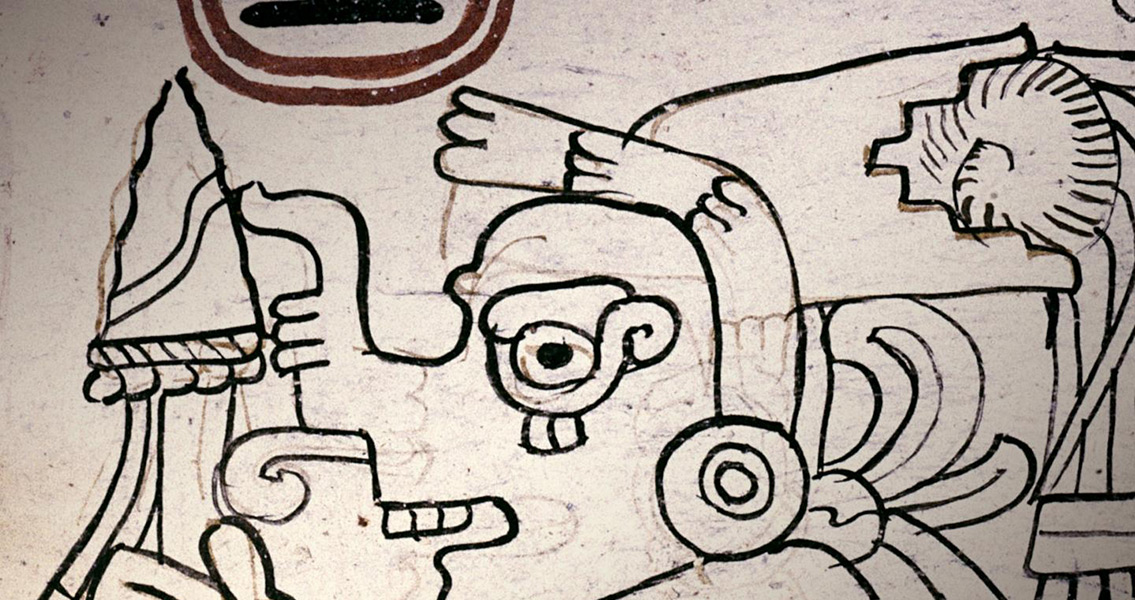
Maya Archaeology, are: “… a confirmation that the manuscript, counter to some claims, is quite real.” said Houston, in a Brown University press release. Coe’s team carried out a rigorous analysis of the codex to reach their conclusion, looking at everything from the manuscript’s style and iconography, to the paper it was produced on. Most crucially, they radio carbon dated it and found it came from the thirteenth century, predating three other well known Mayan codices: the Dresden, Madrid and Paris – named after the cities in which they are now housed. The authors note that because the Dresden, Madrid and Paris codices were discovered first, their features are regarded as canonical. The Grolier is undoubtedly different to those three codices, but the authors argue that in itself isn’t proof it is inauthentic. Most significantly, Coe et al point out that it actually would have been almost impossible for forgers to have created the forgery by 1964. The Grolier Codex depicts in detail gods and deities which archaeologists had yet to discover at that point; while the illustrations and paintings contain perfect Maya blue pigments, pigments that were not successfully synthesised in a laboratory until the 1980s. As the authors write in the study: “A reasoned weighing of evidence leaves only one possible conclusion: four intact Mayan codices survive from the Precolumbian period, and one of them is the Grolier.” For more information: Journal of Maya Archaeology Image courtesy of Justin Kerr ]]>
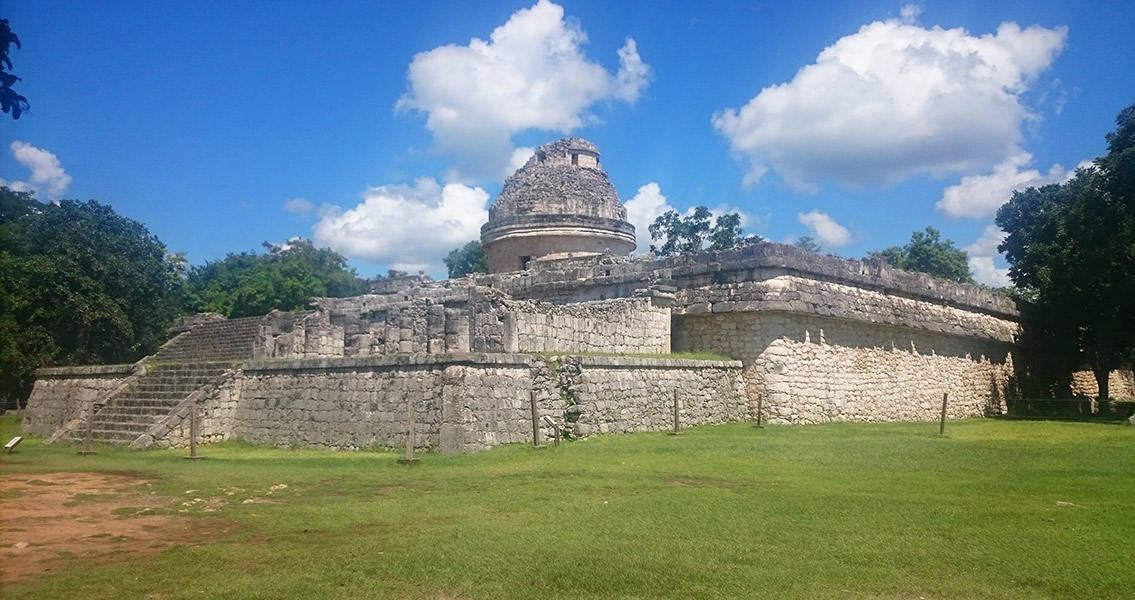
Excelsior, a Mexico City-based newspaper, Quintal Suaste remarked that the building would have seen the exclusive use of the elite of Maya civilization, most notably the community’s astronomer-priests. Like other Maya buildings that were built to match the path of the sun, this observatory has doors within it that align with both the rising and setting sun on the date of the spring and autumnal equinoxes. Additionally, when the midday sun strikes the semicircular building it casts no shadow – another intentional design element of the structure. Meanwhile, the southern edge of the observatory has been shown to align with the northernmost position that Venus reaches in the night sky. After the sun and the moon, the planet is the brightest observable object in the sky; Venus held a special place among Acanceh’s astronomer-priests. According to Quintal Suaste, the Maya had the ability to track the planet through its 584-day cycle thanks to the observatory. Direct evidence of this behavior was corroborated by the text within three codices discovered at the site. These findings were able to further support the idea that Venus was an integral cultural icon amongst the Maya, according to Orlando Casares Contreras, another researcher that also spoke to Excelsior. The Central American civilization was vast, stretching from southern Mexico to Honduras during its peak. Venus had a special place in Maya theology and in their mythological pantheon, known as Noh Ek, or “The Great Star”, among the faithful. Venus was also known as Xux Ek, “the Wasp Star”, according to some texts. There are some indications that Venus might have been known by a specific name depending on where it appeared in the sky during its cycle, as it would appear as a morning star during part of its cycle and an evening star during another part of its cycle. Image courtesy of Wikimedia Commons user: Luigiflas]]>