Categories
Breaking News

Genome of Deadly 800 Year Old Infection Found in Byzantine Skeleton

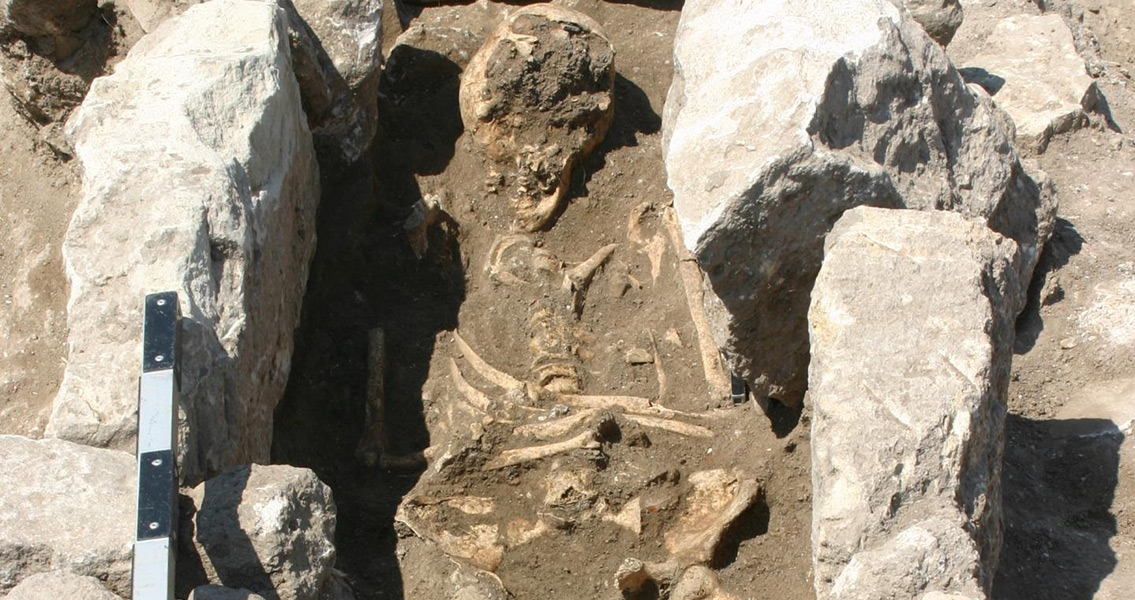
Staphylococcus, a family that includes the highly pathogenic species S. aureus. Determined to find out more, the researchers sent the nodules to Hendrick Poinar at McMaster University, an expert in ancient DNA. “Amazingly, these samples yielded enough DNA to fully reconstruct the genomes of two species of bacteria, Staphylococcus saprophyticus and Gardnerella vaginalis, which infected the woman and likely led to her death,” said Poinar, in the press release. According to Pepperell, the newly reconstructed genome contributes to “a pretty short list of ancient bacteria — cholera, tuberculosis, leprosy, plague – for which we have DNA.” Joining forces, Poinar and Pepperell led a team to produce a “portrait” of the ancient infection. Their results, published in the journal eLife, provide a history of the infection Staphylococcus saprophyticus. What is most remarkable is the sheer amount of information extracted from the nodules. “Calcification made little tiny suitcases of DNA and transported it across an 800-year timespan”, explained Pepperell. “In this case, the amount and integrity of the ancient DNA was extraordinary. One typically gets less than 1 percent of the target organism.” According to the study, between 31 and 58 percent of the preserved DNA came from the woman’s infection. “The quality of the (genetic) data is unparalleled.” said Pepperell. It seems that the woman, who lived in the final years of the Byzantine Empire, died of chorioamnionitis, a bacterial infection of the placenta, amniotic fluid and membranes surrounding the fetus. The fact the researchers also identified ancient Y-chromosome DNA suggested she died during pregnancy, possibly as a complication associated with the male fetus she was carrying. By reconstructing the diseases’ genome, the team have gleaned remarkable new insights into rural life in the thirteenth century. The strain of Staphylococcus saprophyticus which infected the woman is different to the kinds found today, and is not typically associated with human disease in the modern world. Its discovery in the eight hundred year old remains suggests that Byzantine peasants lived with their livestock. “The strain from Troy belongs to a lineage that is not commonly associated with human disease in the modern world,” Explained Pepperell. “We speculate that human infections in the ancient world were acquired from a pool of bacteria that moved readily between humans, livestock and the environment.” Examination of other remains found in the graveyard helped fill out the image of the tough life endured in the countryside as the Byzantine Empire was coming to its end. “People were struggling with physical strains and infectious diseases and only a few lived beyond the age of 50,” explained Kiesewetter an archaeologist affiliated with Project Troia at Tüebingen University. “Many newborns did not survive infancy and almost all skeletons of children show signs of malnutrition and infection.” Image courtesy of Gebhard Bieg ]]>
Categories
Breaking News

Research Shows “Lucy” Could Walk Upright and Swing Through Trees

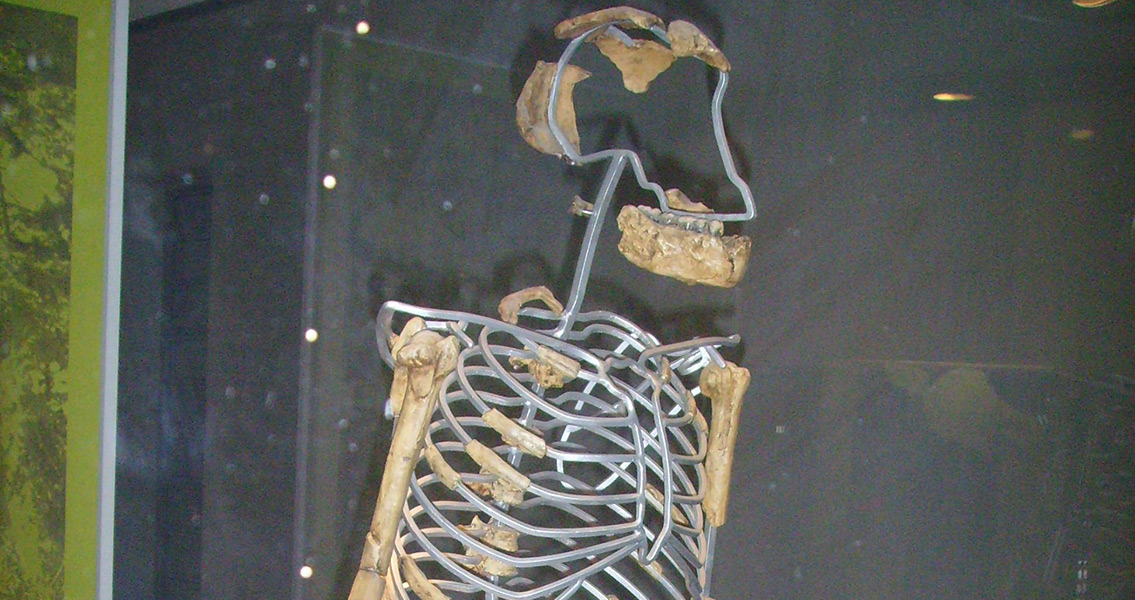
New Scientist. The debate may finally be settled based on the work completed by Christopher Ruff with Johns Hopkins University School of Medicine in Baltimore, Maryland, along with his colleagues. Using CT scans taken of Lucy’s skeleton, they studied the cross sections of both (left and right) upper arm bones along with the left thigh bone — the thigh bone from the right leg was never found. What the team discovered was that Lucy’s arm bones had thick walls, suggesting unusual strength. Bone strength is considered a “use it or lose it” characteristic directly related to an animal’s behavior and not inherited; meaning that at least some australopiths were at home on the ground and in trees. “It would not be present unless Lucy mechanically loaded her upper limbs more than most modern humans,” Ruff told New Scientist. “Ours is the best evidence to date that A. afarensis actually spent a significant portion of their time engaged in arboreal behaviour.” Over the course of a person’s life, bone structure changes depending on the way we use, or don’t use, our bodies. Human thigh bones typically have thicker walls due to all of our walking, our arm bones however, have relatively thin walls because we seldom use them to carry or lift our full body weight. Chimpanzees on the other hand develop arms with thick-walled bones because of their tree climbing. Previously, Ruff and his team discovered injuries to Lucy’s skeleton that indicated she may have died from a high fall, most likely from a tree. That study also suggested that Lucy spent a significant amount of time climbing trees, but it was far from conclusive. “I could fall out of a tree and present the same injuries as they suggest Lucy had,” Harcourt-Smith says in the article. The study has been published in the online journal PLOS One. ]]>

Categories
Breaking News

First-Ever Hittite Human Remains Discovered in Turkey

Categories
Breaking News

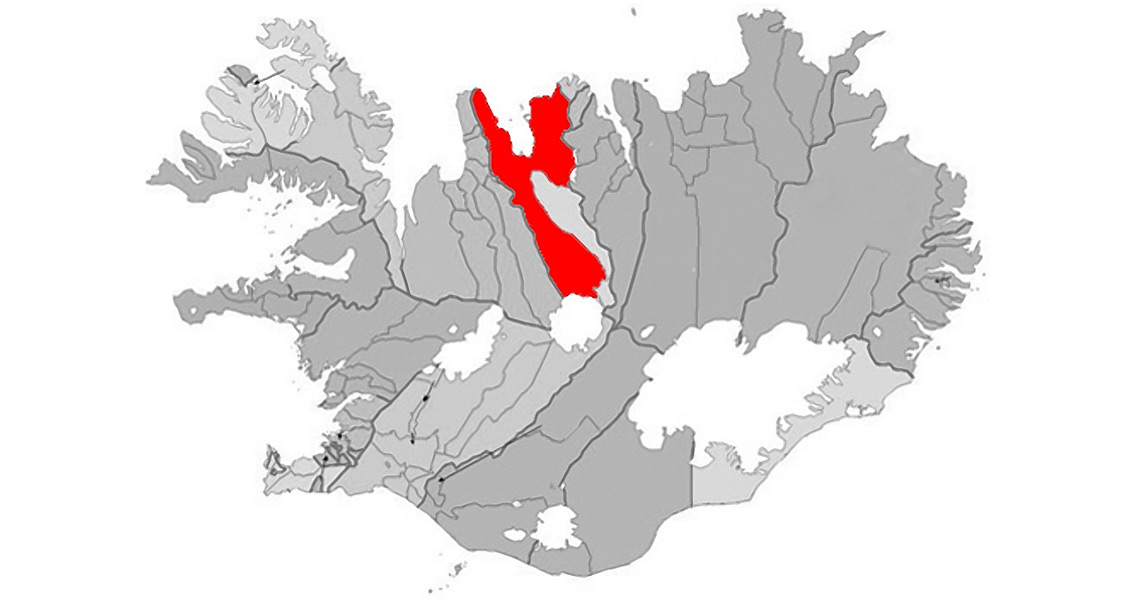
One Church, One 1,000-year-old Coin, and Many Graves in Iceland

Categories
Breaking News

Skeleton Proves an 800-Year-Old Viking Saga

Categories
Breaking News

Home Is Where the Bones Are – UAE Find Deemed House of the Dead

Categories
Breaking News

Early History of Rickets Revealed by Ancient Skeleton

www.journals.cambridge.org Image courtesy of Wikimedia Commons user: Wellcome Images ]]>

Categories
Breaking News

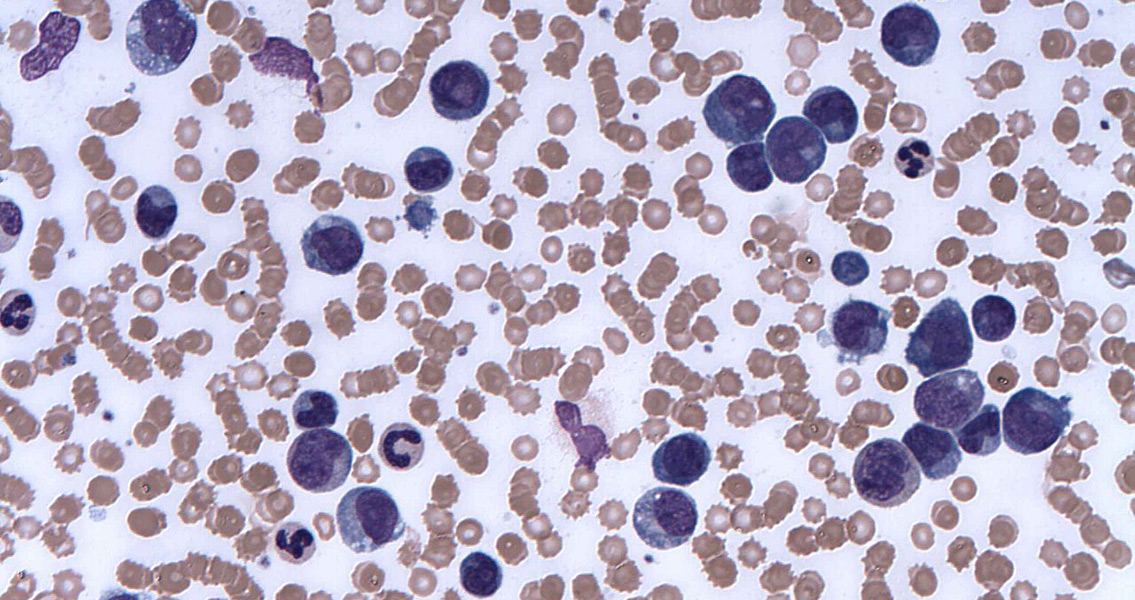
Evidence of Leukemia Found in 7,000-Year-Old Skeleton

Categories
News

Study Looks at Skeleton Use in Epiclassic Mesoamerica

Proceedings of the National Academy of Sciences, looked at human remains in north west Mexico to develop an understanding of interethnic violence and attitudes towards the dead during the Epiclassic Period of Mesoamerican history. Accounts from Spanish settlers in the Northern Frontier of Mesoamerica in the sixteenth century reveal that the region was characterised by a broad range of ethnic identities. Studies by historical linguists since have speculated that the divergence in languages occurred in the region between 4,500 and 6,000 years ago, suggesting that ethnic divisions were deeply routed in the region before the arrival of European settlers. Over thirty languages were spoken in the Northern Frontier, which has led the authors of the new study; Ben A. Nelson and Debra L. Martin, to suggest that “the relation between any pair of regional centers probably was interethnic”. In a period of great social upheaval and change, such ethnic diversity undoubtedly led to conflict. In their article entitled ‘Symbolic bones and interethnic violence in a frontier zone, northwest Mexico, ca. 500–900 C.E.’, Nelson and Martin note that there is substantial evidence that between 500CE and 900CE (the Epiclassic Period), the struggle by people to assert themselves in a volatile, changing social landscape lead to “long-term social violence”. The Epiclassic Period started with the dissolution of the massive city of Teolihuacan, an event which foreshadowed a time of massive cultural change. Filling the power vacuum left by the centralised authority of Teolihuacan were small scale polities. Styles of architecture, clothing and iconography changed as they merged across boundaries. For their study, Nelson and Martin carried out detailed bioarchaeological analysis of the extensive deposits of disarticulated, commingled human bones that can be found in what was the Northern Frontier of Mesoamerica, focusing in particular on those found in what had been the polity of La Quemada. Through doing so they have gained a better understanding of the interethnic violence which dominated the region, and the relationships between communities and their dead. They conclude that the prominent presence of human bones in ceremonial centers and living spaces served a variety of cultural functions. Several clusters of bones from both males and females of all ages kept inside a temple at La Quemada were largely untampered with aside from some signs of simple de-fleshing. This lack of desecration points to the bones having been kept as a form of ancestor veneration. Conversely, other clusters showed signs of processing of long bones, and drilled crania, suggesting they had been displayed. The desecration was most likely part of a ritual which saw vanquished enemies put on public display. The authors claim that this was probably a tool for remembering past battles, but possibly also a means of trying to prevent further interethnic conflict. Nelson and Martin’s study provides insight into the extent of interethnic conflict in the Epiclassic Period. They conclude that the bones found at La Quemada are representative not only of the violence between different ethnic groups, but also the cultural relationship between the living and the dead. The authors’ conclusions have the potential to greatly further the understanding of the transition towards large, multicultural societies. For more information: www.pnas.org Image courtesy of Wikimedia Commons user: Oscarthepatron ]]>

Categories
Breaking News

Bronze Age Skeleton Holds Secrets to Life Near Stonehenge