Categories
Breaking News

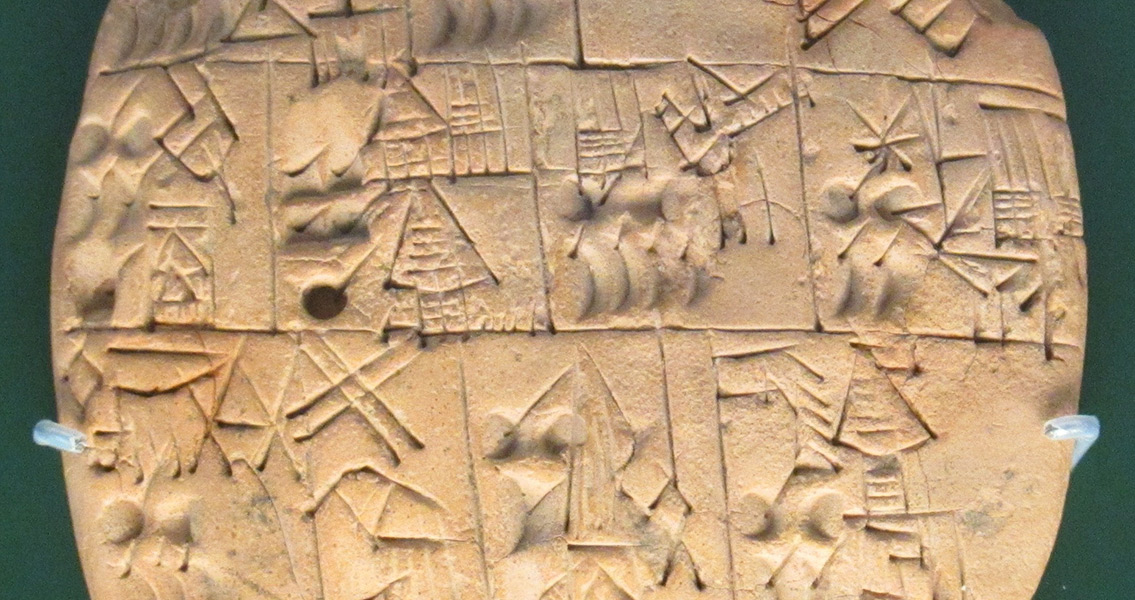
Sumerian Workers Paid in Beer, Cuneiform Tablet Reveals

New Scientist, the tablet bears specific symbols including a stylized human head eating from a bowl (which meant “ration” to the Sumerians) and a conical vessel for containing an alcoholic beverage (the cuneiform for “beer”). Around the tablet appear markings that record how much beer a specific worker was entitled to, the article explains. Mesopotamians weren’t the only ones to use alcohol as a currency. In fact, ancient Egyptians were often paid anywhere from 4 to 5 liters of beer a day for working on the pyramids. The custom persisted until much later in history, records exist from as late as the fourteenth century, such as the 252 gallons of wine a year which was part of Geoffrey Chaucer’s salary as decreed by King Richard II. This system differs from even more ancient evidence indicating that many prehistoric settlements were more egalitarian – instead of getting paid for work, everyone within the community would share the work and then reap the rewards collectively. While this has changed, and while it seems a no-brainer to award workers with alcoholic beverages to keep them in line, there’s more at play here than just keeping workers happily drunk. Ancient beer doubled as a food item, as it was loaded with starches that made it an excellent choice for nutrition. Meanwhile, popular thought from the Middle Ages included the belief that consuming wine regularly was excellent for your health. Some historians believe that wine might have been the healthier choice during times that Europe was gripped by plague, as water supplies could easily become tainted; wine sealed in casks and bottles, by comparison, would have been relatively safe to drink. The tradition isn’t without its modern adherents as well. The city of Amsterdam began a controversial new initiative in 2013, aimed at helping alcoholics and encouraging them to become functioning members of society once more, that involves reimbursing them in beer for picking up trash. Less strange is the common practice of many Silicon Valley companies providing free drinks to their staff on Friday afternoons. However, with this newly-translated pay stub, one that stretches back literally thousands of years, it’s clear that the modern practice of compensating workers with a few alcoholic beverages now and again is hardly a new or controversial idea but instead one that’s been present throughout recorded history. Image courtesy of Wikimedia Commons user: BabelStone]]>
Categories
Breaking News

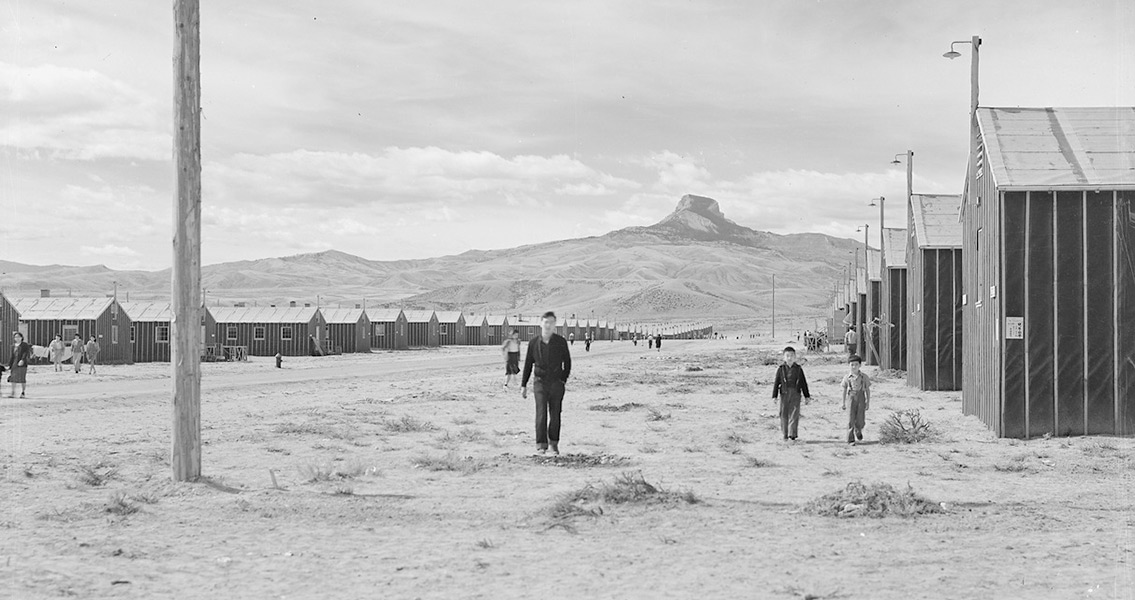
WWII-Era Japanese-American Internment Camp Excavated

Categories
Breaking News

Return to Antikythera Shipwreck Yields New Treasures

Categories
Breaking News

Origins of Farmed Rice Discovered in China

Scientific Reports, can be found online here]]>

Categories
Breaking News

Early Evidence of Civilization in Iraqi Kurdistan Found

Categories
Breaking News

New Study of Old Saxon Cemetery Yields Wonders

Culture24 UK, Wessex Archaeology has just published the full results of their research into these newest discoveries. Neil Fitzpatrick, a representative from the organization, told the website that based on their findings, this site is officially the largest Saxon cemetery discovered in Wiltshire to date – something Fitzpatrick characterized as “pretty cool”, in his own words. There were several noteworthy features discovered regarding the cemetery, most striking of which was how each burial seems to include grave goods including an iron knife. Fitzpatrick remarked that the team was unsure of the symbolism of such an inclusion, but he pointed out that the cultural significance would have been high, as even a large number of burials featuring small children or infants had iron knives as well. There were other discoveries as well, such as nearly a full ten cremations and several warrior burials complete with varied spearheads and shield bosses. One such grave, according to Fitzpatrick, was located beneath an inhumation that had been bereft of grave goods; the warrior himself had been laid to rest with a sword that was in remarkably good condition. Meanwhile, another unique characteristic of the cemetery includes several crouched burials, which tended to either include just an iron knife or no grave goods whatsoever. When it came to the final resting place for women, the graves of female Saxons tended to have recycled Roman-style beads. Broaches of Germanic design festooned with spiral decorations were also common, especially in graves in one area of the cemetery running east to west that may date to the late Iron Age. Thanks to the wide variety of graves in the cemetery, and the several centuries’ worth of burials, Fitzpatrick remarked that it was easy to identify the change from earlier Saxon burials to later Roman ones. The former are much more likely to feature pagan iconography, while the Christian influences of the later Roman period are more prevalent in graves from that era. The Wessex Archaeology representative also pointed out that several funerary structures were found at the cemetery site. Much in the same way that modern cemeteries often feature small mausoleum structures, it seemed common to have similar structures at this cemetery – though they mostly consisted of four posts holding up a roof instead of an enclosed structure. The research findings are available here Image courtesy of Wikimedia Commons user: Pasicles]]>

Categories
Breaking News

Earthen Mounds Discovered in Ancient Cambodian Cities

Live Science, archaeologist Damian Evans from the École française d’Extrême-Orient published the team’s findings recently, describing how low-flying helicopters were used in conjunction with laser scanning equipment in order to see beyond the Cambodian jungle’s thick foliage. The scans laid bare the dome fields as well as the telltale marks left from buildings that had once been constructed from organic materials and since decayed, Evans explained. More than 735 square miles of Cambodia were scanned by air, with the activity largely taking place during 2015. The revelations included more data about Mahendraparvata, an ancient Cambodian city that would have flourished more than a millennium ago as the Khmer Empire that once ruled much of southeast Asia rose to ascendancy. An initial scan in 2012, one that covered 140 square miles of jungle, had previously revealed a portion of the ancient city. The Khmer Empire is thought to have peaked during the twelfth and thirteenth centuries CE, with its center at the city of Angkor – the site of Angkor Wat today. However, Evans noted in the research paper that the conventional beginning of the classical Angkorian period is closely associated with Mahendraparvata, which is dated to the eighth to ninth century CE, located somewhat north of Angkor. Evans and the rest of the research team are still hard at work trying to determine the size of Mahendraparvata. However, even as they do so, evidence of archaeological topography from the Angkor period, otherwise known as the shape of the ground, seems to indicate human presence in a rough swath of around 15 to 20 square miles. Much of that region was filled with the dome fields arranged in their grid pattern. Ground excavations into these mounds have been relatively fruitless in yielding new information, however, leaving the purpose of these dome fields a mystery to researchers. The domes set out in geometric patterns have proven to be equally enigmatic according to Evans, despite how obvious it is that they were laid down in these shapes deliberately. The research paper, which was published in the Journal of Archaeological Science, is available online Image courtesy of Wikimedia Commons user Clay Gilliland ]]>

Categories
Breaking News

Ruins of Ming Dynasty Palace Found Under Forbidden City

Categories
Breaking News

Attalid Dynasty Burial Site Discovered in Western Turkey?

Categories
Breaking News

Radar Teams Begin Search for Grave of England’s Henry I