Categories
Book Reviews

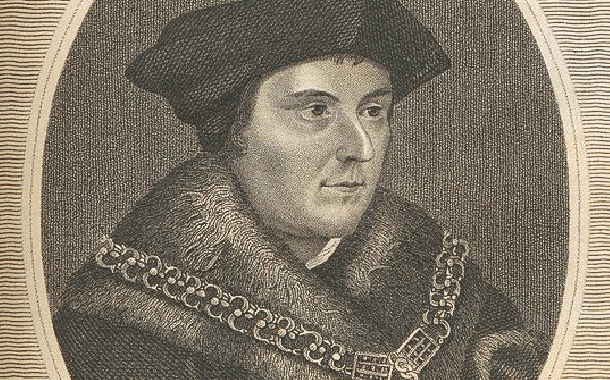
Utopia

Related Books


Utopia book

Utopia
Vol. 1Vol. 1
by Thomas More

[gap height=”20″]]]>

Categories
Book Reviews

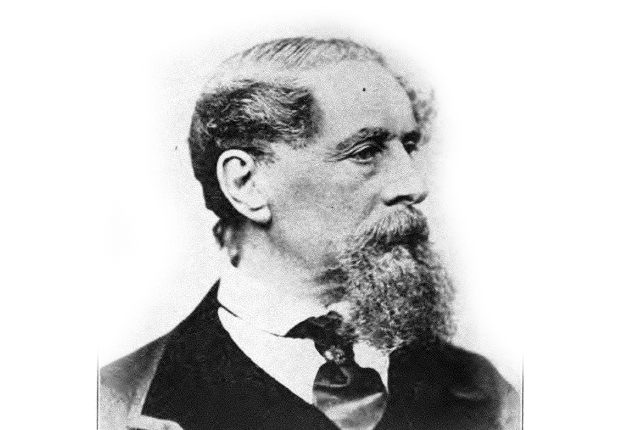
The Prince

Related Books


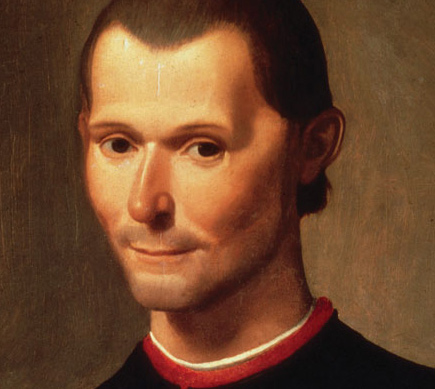
Machiavelli book

Machiavelli
The Art of War; The Prince Vol. 1Vol. 1
by Niccolr Machiavelli
[gap height=”20″]]]>

Categories
Book Reviews

Hard Times

Related Books


Hard Times book

Hard Times
by Charles Dickens

[gap height=”20″]]]>

Categories
Book Reviews

H.G. Wells – A Short History of the World

Related Books


A Short History of the World book

A Short History of the World
by H. G. Wells

[gap height=”20″]]]>

Categories
Book Reviews

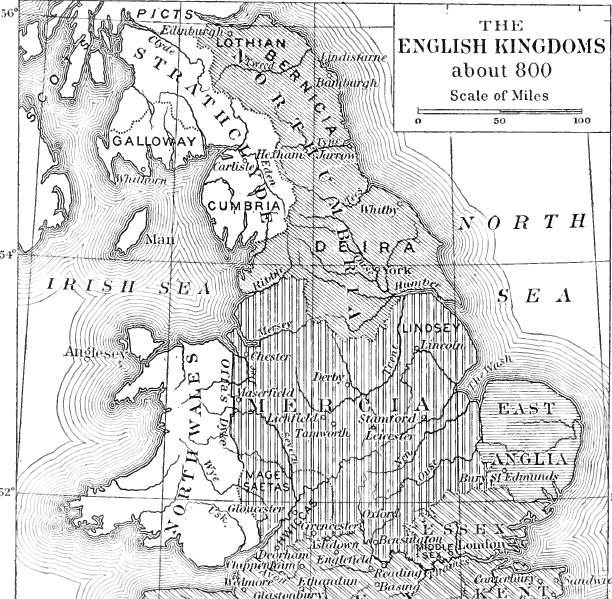
Bede's Ecclesiastical History of the English People

Related Books


Bede's Ecclesiastical History of England book

Bede’s Ecclesiastical History of England
by A. M. Sellar

[gap height=”20″]]]>

Categories
Book Reviews

The Study of Ancient History That Set the Path for All Historians

  • The impact of time and nature on the empire
  • The attacks from Christians and Barbarians
  • The use and abuse of materials and resources
  • The domestic quarrels and disputes among the Romans
  • The key is that Gibbon emphasises the interrelation of these causes. The six volumes are not designed to argue one reading of history and to prioritise causes, but to document the multiple facets of a long and complicated process. The Romans ultimately succumbing to barbarian and Christian attacks, is linked to internal quarrels causing citizens to lose their sense of civic virtue and willingness to defend the Empire. Gibbon frequently used citations throughout the work, which are a prototype for contemporary footnoting methodology. They served two functions. Firstly they refer the reader to the sources used. Gibbon was ahead of his time in the amount of primary sources he deployed, as well as his willingness in opening them up to the reader for further investigation. Secondly they allowed Gibbon to expand on a point or debate the modern parallels with a past event, without disrupting the flow of his work. Another important element of this work is the author’s fearlessness in challenging popular doctrine on a subject. Although the works were generally critically well received, chapters fifteen and sixteen of the first volume were highly controversial. Quoting primary sources, Gibbon estimated there were a much smaller number of Christian martyrs during the late Roman period than was traditionally believed. This, combined with his objective analysis on the diverse causes of the Empire’s fall, put him in conflict with the long established narrative of Rome’s decline, supported by the church. Prior to Gibbon, the explanation for the decline of Rome was built around the actions of Christians. Gibbon not only put this into a broader cocktail of causes, he also suggested it was less significant than generally believed. He argued this traditionalist claim was built purely on the study of secondary sources, rather than the primary ones he utilised. This objective analysis is one of the key roles of the historian – to not only question preconceptions, but to also consider how they came about in the first place – highlighting the constant relationship between the past and the present. Gibbon’s explanation of the Decline of the Roman Empire was so strong that it is still the starting point of many modern histories on the subject. Although the prose of the work can seem a little rigid by modern standards, it has become an important artefact in its own right. As well as shedding light on a fascinating period of history, it’s also a key step in the development of the methodology of studying the past.

    Related Books


    The History of the Decline and Fall of the Roman Empire book

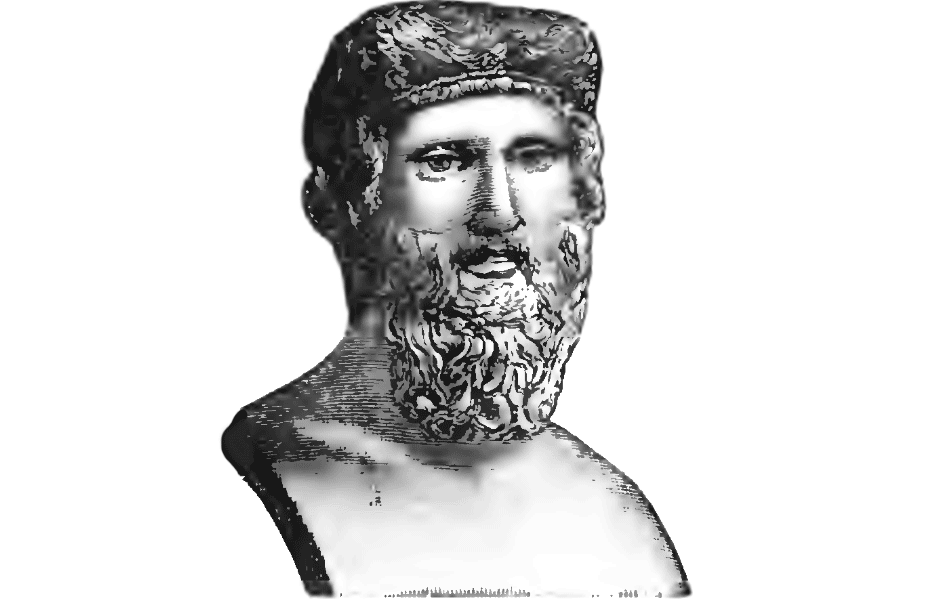
    The History of the Decline and Fall of the Roman Empire
    Vol. 1 of 8Vol. 1 of 8
    by Edward Gibbon
    [gap height=”20″]]]>

    Categories
    Book Reviews

    Plato’s Republic

    Related Books


    Plato's Republic book

    Plato’s Republic
    The Greek Text Vol. 3 of 3Vol. 3 of 3
    by Plato

    [gap height=”20″]]]>

    Categories
    Book Reviews

    Homer’s Odyssey: A Tale of Twists and Turns

    th or 8th century B.C.E, he was revered as one of the formative influences of Greek culture, and he was blind. It has been suggested that the Odyssey may have been a compilation of work from a group of writers rather just Homer, another mystery that adds to the poems intrigue. The setting is the twelfth century B.C.E. in Mycenaean Greece. This dates it to the bronze age chronologically, although Ancient Greeks thought of it as more of a golden age, a time when Gods and heroes of great strength wandered the earth and engaged with humanity. This explains the story’s fantastical elements, Gods intervening in human affairs and supernatural beings wandering the earth. Whereas the Iliad focuses on the epic clash of two civilisations, the Odyssey is about human experience. It is the tale of one family. The trials and tribulations of a father’s journey home from war, and the struggles of his wife and son in his absence. The tale abandons a chronological narrative for an ambitious structure that starts midway through the action and uses flashbacks and recollections to unfold the complex plot. More than just a supernatural adventure story, the epic engages with complex themes and ambiguous morality. Odysseus means ‘trouble’, referring to both the hardships the protagonist encounters, but also the trouble he himself creates. This is a tale of cause and consequence rather than a man at the mercy of the Gods. The events of the decade long journey home are triggered by the Lesser Ajax raping a Trojan priestess, incurring the wrath of Athena. Odysseus and his men succumb to temptation on several occasions, and each time they suffer inevitable consequences. Similarly, the suitors of Penelope, Odysseus’ wife, receive an inevitable grim punishment upon his return. Another recurring motif throughout is the triumph of cunning over brute strength, an idea first engaged with in the Iliad’s Trojan Horse but continued and developed here. Homer’s version of Odysseus epic tale is just one recording of a story that has existed for thousands of year in various forms. The characters, from the Cyclops to the Sirens have become so ubiquitous that it’s easy to forget where they were first recorded. Reading Homer’s version of the story is a reminder of the crucial ground it broke for western literature. It also serves to highlight a sophisticated plot with complex, multifaceted characters that are intriguing even to a modern audience.

    Related Books


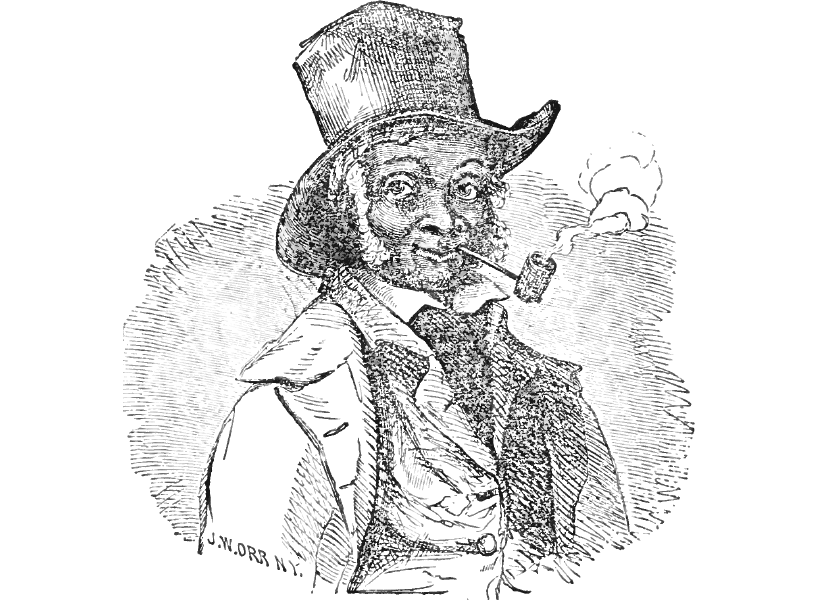
    Eight Books of Homers Odyssey With Introduction, Commentary, and Vocabulary book

    Eight Books of Homers Odyssey With Introduction, Commentary, and Vocabulary
    For the Use of Schools by Homer Perrin
    [gap height=”20″]  ]]>

    Categories
    Book Reviews

    The Novel That Started a War

    Related Books


    Uncle Tom's Cabin book Uncle Tom’s Cabin Or Life Among the Lowly Vol. 2Vol. 2 by Harriet Beecher Stowe [gap height=”20″]]]>
    Categories
    Book Reviews

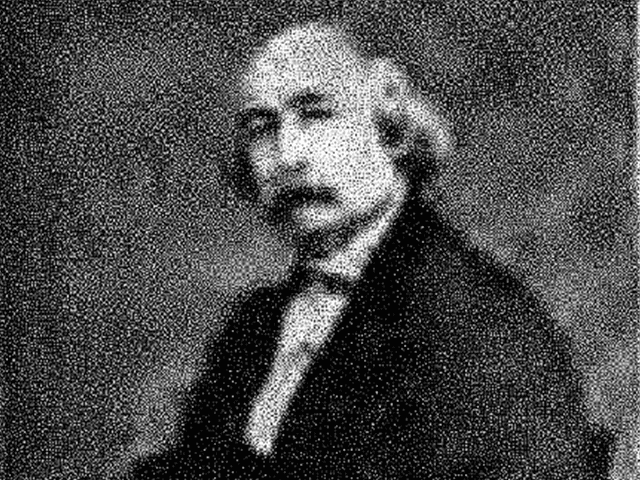
    Henry Mayhew – London Labour and the London Poor

    Related Books London Labour and the London Poor Book London Labour and the London Poor A Cyclopædia of the Condition and Earnings of Those That Will Work, Those That Cannot Work, and Those That Will Not Work, Vol. 1 by Henry Mayhew PIBN: 1000254030 [gap height=”20″]]]>