Categories
Breaking News

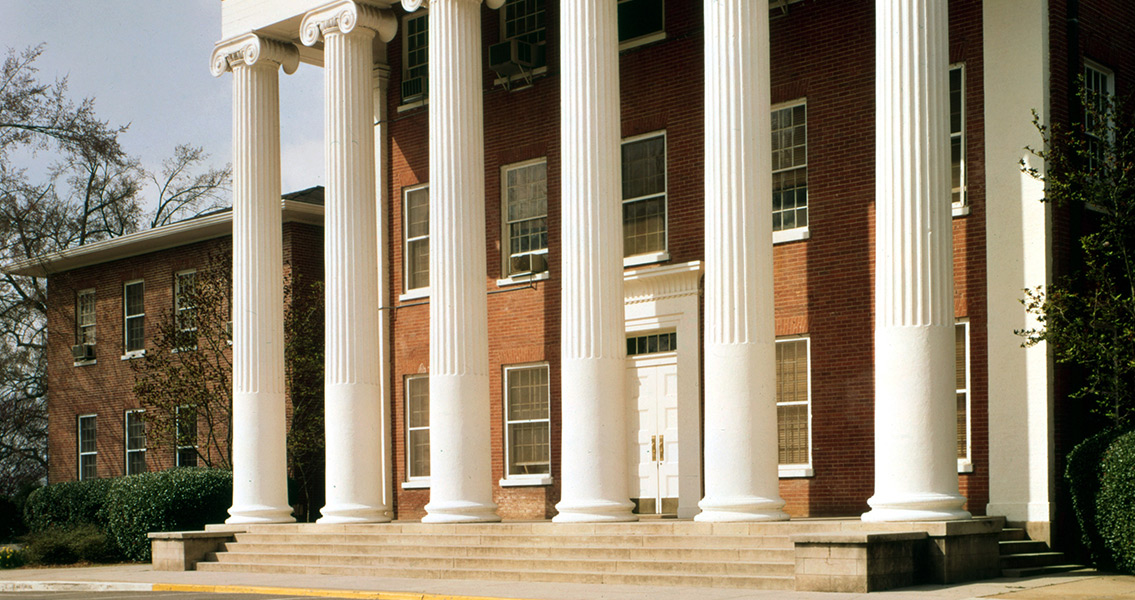
Slaves Helped Build University of Mississippi

The DM Online, there were a minimum of nine slaves – possibly more – who lived on a property known today as Rowan Oak, the home of celebrated American novelist William Faulkner. Located in Oxford, the Greek Revival house and its surrounding 40 acres of land were sold to Ole Miss in 1972 by the Faulkner family, but before the Nobel laureate purchased the property in 1930, it had been owned by Colonel Robert Sheegog, a Tennessean slave owner. Riley Anderson, an archaeology student involved in the research, remarked that Sheegog’s main residence was approximately an hour from Oxford at a location where he was known to have kept approximately 70 slaves. Research has shown that the slaves he kept at Rowan Oak – a mixture of men, women, and children that lived in a pair of structures on the property – were specifically leased to the university to aid in its construction efforts. This approach to history is often overlooked, Anderson stated, indicating that most historical research is concerned with discussing those responsible for the establishment of an institution such as Ole Miss, and not those that aided in physically building it. Anthropology professor Tony Boudreaux, the director of the university’s center for archaeological research, is co-teaching the course with Maurine Meyers. Boudreaux says that the impetus behind the initiative is to not only accomplish the center’s research goals but also to provide archaeology students with field experience, of which there has been much. In examining Rowan Oak, the class has assisted in surveying the ground in order to aid in determining where to excavate. Some artifacts have already been uncovered during this process, Boudreaux remarked. Broken glass, broken dishes, a handful of pottery shards and several nails that would have been used in fence posts or buildings have been gleaned from the site, but the anthropologist stated that more excavation will be needed to place the artifacts in proper context of the time. Anthropology graduate student Dalton Capps says that it’s important to recognize the history of slavery not just in the development of Ole Miss but on college campuses everywhere. Many universities are excellent at representing their own history, Capp said, but may not pay as much homage to the issue of slavery. Research data from the excavation will be submitted to the Mississippi Department of Archives and History as well as presented to Ole Miss administration members. ]]>
Categories
News

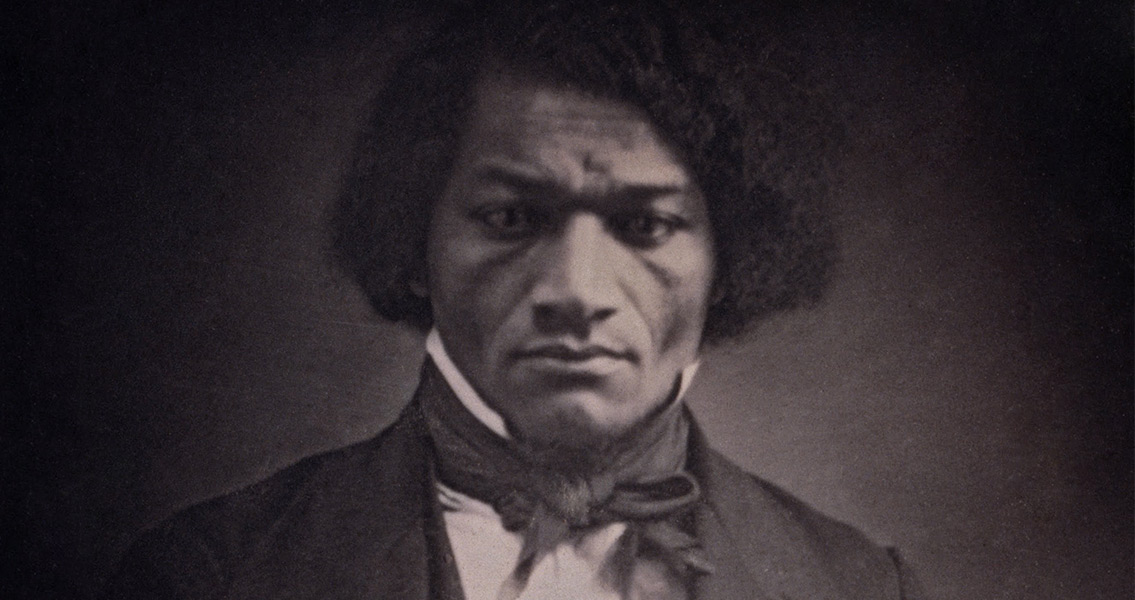
Frederick Douglass Gets A Presidential Nomination

Categories
News

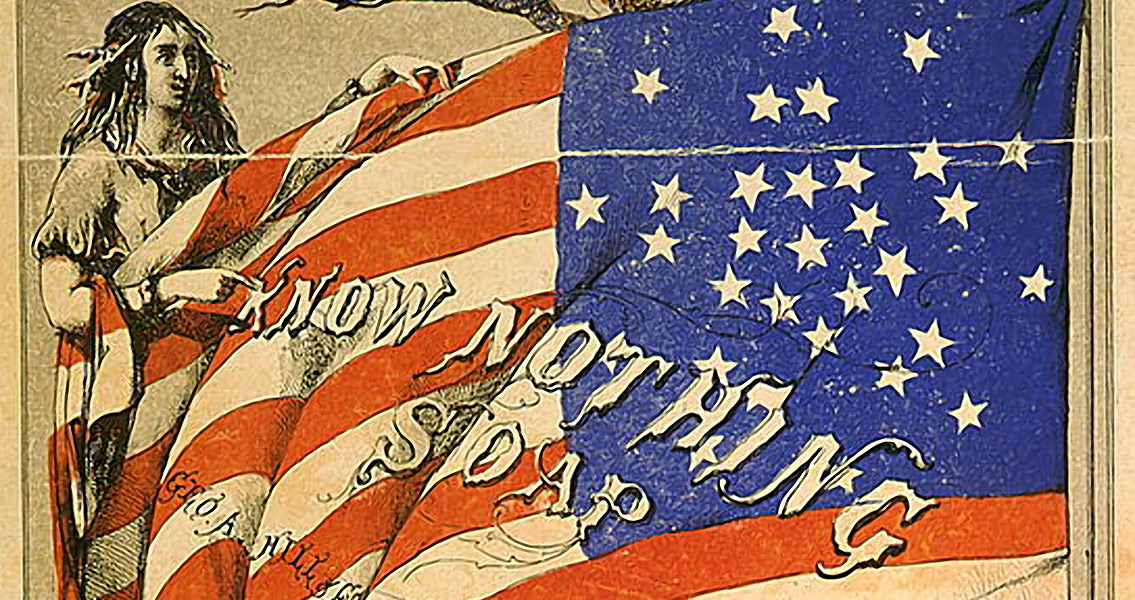
US Anti-Immigration Party Nominates Presidential Candidate

Categories
Breaking News

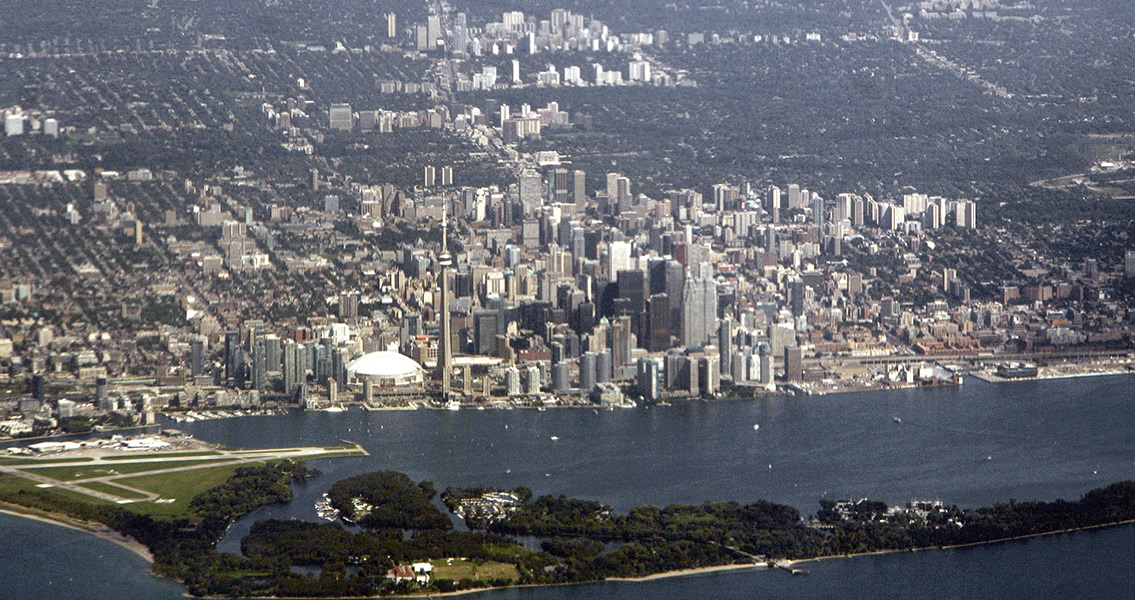
Sanctuary From Slavery Unearthed In Toronto

Categories
News

Jupiter Hammon Delivers Landmark Speech on Slavery

Categories
News

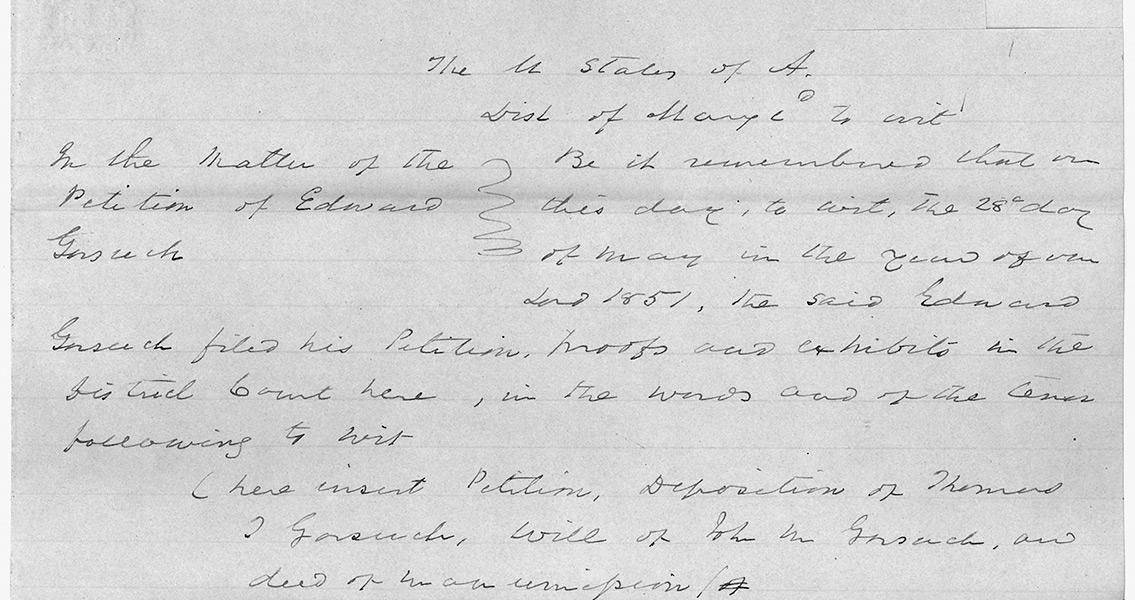
The Christiana Riot

Categories
News

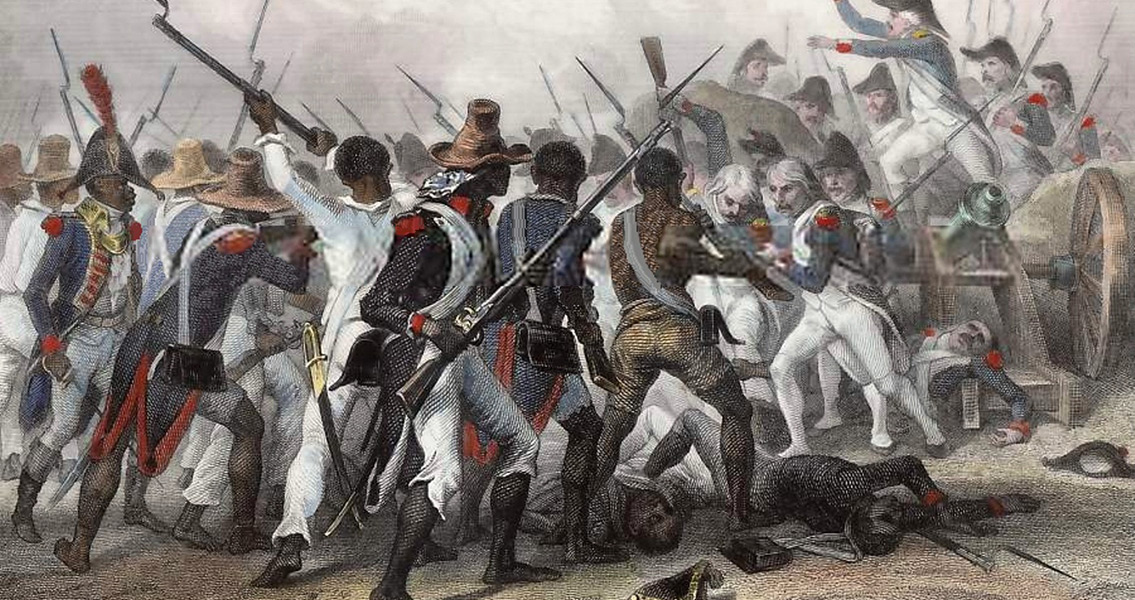
Saint Domingue Slave Revolt Starts Haitian Revolution

petit blancs, something akin to a white middle class comprised of artisans, teachers and shop keepers there to provide services for the rich white landowners. Among Saint Domingue’s black diaspora, slaves undoubtedly made up the majority. However, there were also a substantial amount of freed slaves, who often had wealth at a similar level to that of the petit blancs. Alongside them were an unusually large amount of escaped slaves who had successfully fled into the forests and mountains, highlighting that Saint-Domingue had a long history of defiance among its slave population. Bands of runaway slaves had long carried out a campaign of guerrilla warfare against the plantation owners, seeking vengence for their mistreatment and stealing supplies of weapons and vital provisions. One of the most infamous rebellions, led by the supposed voodoo sorcerer François Macandal, lasted for six years from 1751 to 1757 and left around 6,000 people dead. Changing ideas of liberty and the rights of man which had formed in the wake of the French Revolution started to influence opinion in Saint-Domingue, with the white population seeking to maximise their profits with freedom from France, and the black population inspired to win equality and freedom from slavery. Of particular concern were debates in France to abolish slavery at home and abroad, something the white planters were inevitably against. In this complicated mix of differing interests that Saint-Domingue had become, it was the massive slave population that was the first to act. At a gathering of 200 slave leaders at the Bois Caiman ceremony on 14th August, 1791, Boukman, an influential voodoo leader, declared that it was time for the slaves to rebel and seize their freedom. Eight days later the uprising, led by Toussaint l’Overture, started. A coordinated action in the north of Saint Domingue saw hundreds of slaves rebel against their owners and march through the island capturing and liberating other plantations. By 1792 the slave rebellion had gained control of a third of Saint Domingue. The white plantation owners were isolated, and even reinforcements sent from France were unable bring the rebellion under control. By 1798 the rebellion had survived both French attempts to quell it and a British attempt to colonise the island. Two years later the Haitian Revolution expanded into the neighboring colony of Santo Dominigo (what is today the Dominican Republic). Toussaint declared himself governor of all of Hispaniola, and abolished slavery across the island. Following a failed attempt by Napoleon’s armies to retake the former colony, Haiti was declared an independent republic in 1803. ]]>

Categories
Book Reviews

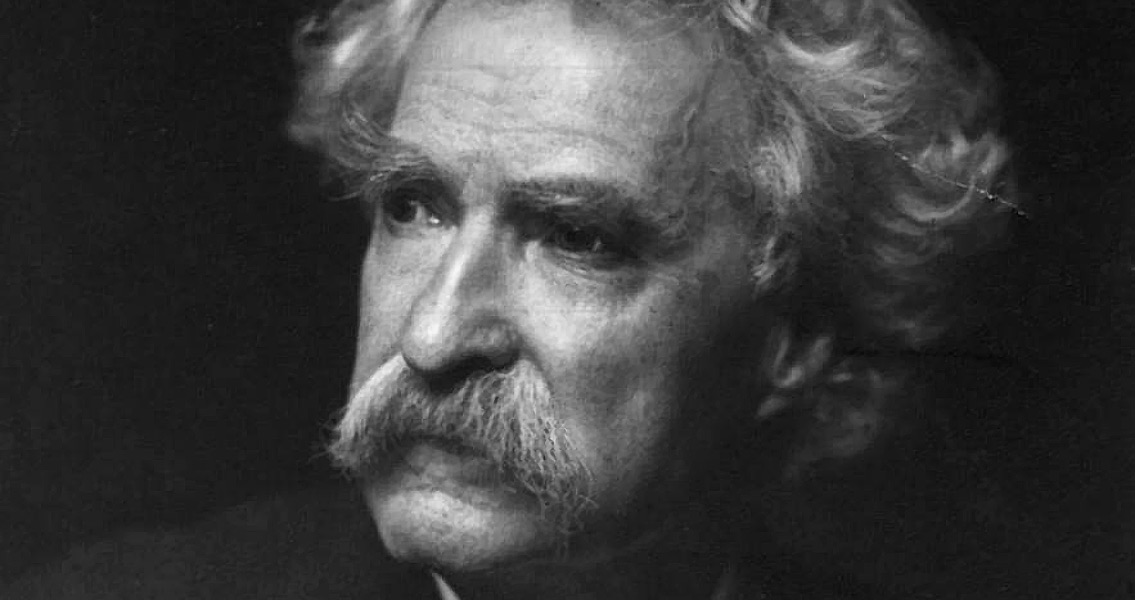
Mark Twain

Related Books


The Adventures of Tom Sawyer and the Adventures of Huckleberry Finn book

The Adventures of Tom Sawyer and the Adventures of Huckleberry Finn
by Mark Twain

[gap height=”20″]]]>

Categories
Editorial

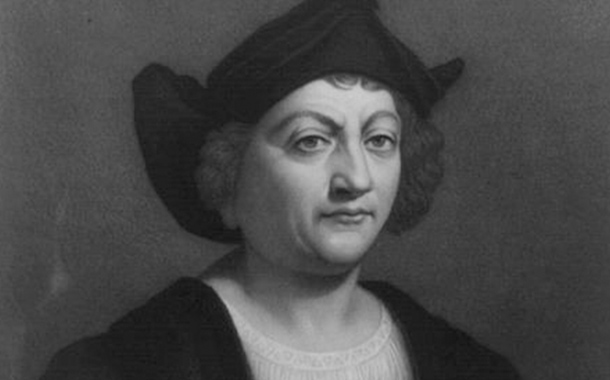
Looking Back on Columbus and the New World

Categories
News

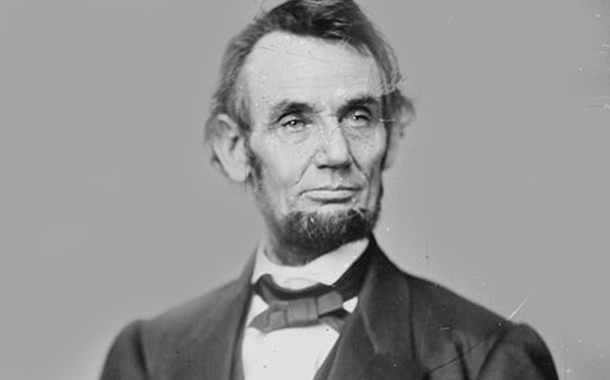
The Emancipation Proclamation