Categories
Breaking News

Not food scraps after all: turtle shells as Native American musical instruments

An example of a Native American flute, which was crafted by
Chief Arthur Two-Crows in 1987. Music and the animal kingdom share a deep connection. Photo credit: Jossi Fresco[/caption] Considering, more specifically, the music of Native American cultures, the voice and percussion are considered paramount. But with new research from Florida State University, we now know that turtle shells once played a significant role in this pocket of North America’s indigenous cultures.

Keeping the beat

In the past, turtle shells found at archaeological sites have often been dismissed as food remains. However, in an article published in academic journal PLOS One, Professor of Anthropology, Tanya Peres, says these turtle shells were used as rattles and other musical instruments. “Music is an important part of many cultures in ways we may not realize,” Peres comments. “Musical instruments have a deep ancient history in human society and are encoded with meanings beyond their sound making capabilities.”

Not just food

Peres worked alongside lead author Andrew Gillreath-Brown, a doctoral candidate from Washington State University. The research team closely examined the use of turtle shells as percussion instruments across the south eastern states. They identified and analyzed several partial Eastern box turtle shells from middle Tennessee archaeological sites that they believe were used as rattles. “It is important to explore and understand what other ways — besides food — prehistoric animal remains may have been used in the past,” Gillreath-Brown said. “Turtle shell rattles provide deep insights into human-environment and -animal relationships.”

Turtles: deeply symbolic in indigenous cultures

Gillreath-Brown notes that the belief that the world was formed upon a turtle’s back is a belief held across many indigenous groups. “This symbology and belief is imbued into the turtle shell rattles, which are meant to keep rhythm and thereby interjects powerful symbology and spiritual energy into dances and ceremonies,” he said. [caption id="attachment_8889" align="aligncenter" width="500"] The belief that the world was formed upon a turtle’s back is a belief held across many indigenous groups. Photo credit: kormandallas[/caption]
Consistent across cultures

The research draws upon turtle shell rattles that have been discovered throughout North America; from Florida to the north east, and all the way up to Canada. Each region is likely to attribute different meaning and levels of importance to these rattles; but their presence in such a widespread group of localities demonstrates that turtle shells were important to creating rhythm in ceremonies across prehistoric North America.

Rethinking food scraps

Peres says there are still many questions for researchers to investigate regarding the roles of turtles in indigenous populations. “We need to continue to bring together multiple lines of evidence and viewpoints so we can attempt a more nuanced understanding of past human-animal relationships,” she says. For now, the research has opened the door to re-examining curated turtle remains from archaeological digs, which may have wrongly been dismissed as food scraps.]]>

Categories
Breaking News

How European colonisation completely wiped out dogs in America

Canines and colonisers: an unhappy tale Colonial devastation bestowed upon native humans of the Americas is well-documented; but evidence about dogs’ lives is less known. However, an international team has started to ask – and answer – those questions. Fifty researchers collaborated on the investigation and together, they conducted the most detailed and thorough study of ancient and modern dog DNA to date. Through biological and archaeological evidence, they examined the remains of 71 ancient dogs from the Americas and Siberia; and put their findings alongside the genomes of modern dogs. [caption id="attachment_8797" align="aligncenter" width="720"] A ritual burial of two dogs at a site in Illinois near St. Louis suggests a special relationship between humans and dogs at this location and time (660 to 1350 years ago).
Credit: Photo courtesy Illinois State Archaeological Survey[/caption]

Lineage losses for man’s best friend

Published in the journal Science, the new evidence gives us reason to conclude that ‘pre-contact’ dogs disappeared to a similar extent to the Neanderthals. One of the authors was Greger Larson from the University of Oxford, who is leading an international effort to investigate how dogs have been domesticated. He says the study solidifies our understanding of the fates of humans and their animals: “The Europeans come through. They knock out the humans. They knock out the dogs… It’s a complete disappearance.” Leading the research was Laurent Frantz, an expert on ancient DNA at the Queen Mary University of London. Until now, there hadn’t been sufficient evidence to tell the story of what happened to dogs after the arrival of European colonists. However, his research proves that pre-contact dogs were identifiable as a group separate to any other, and that their disappearance came about from a combination of disease and European persecution.

Dogs in America: a history

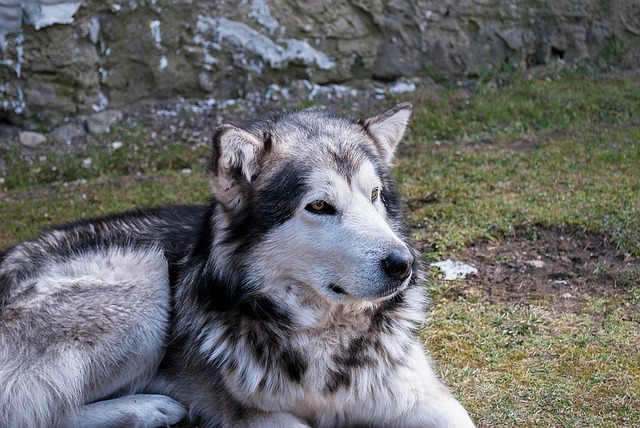
America’s earliest dogs were not domesticated North American wolves, as has been speculated. It’s much more likely that they followed humans over a land bridge that once connected North Asia and the Americas, the study found. You can read more about recent research on human migration into the Americas here. The earliest archaeological evidence for dogs living in North America comes from 10,000 years ago. As humans entered the region 14,000 years ago, it looks like the first wave didn’t bring dogs with them. The first canines to arrive in America were of East Asian descent, but soon evolved into their own group, distinct from both their ancestors and modern dogs. The animals in question are loosely related to Arctic breeds, such as huskies and malamutes, which arrived with later human migrations into North America. [caption id="attachment_8798" align="aligncenter" width="640"] A modern Malamute.[/caption]

“Forced cultural changes”

Humans and dogs coexisted relatively peacefully in both continents for over 9,000 years. But when European colonists arrived, they were gone. “This suggests something catastrophic must have happened, and it’s likely associated with European colonisation,” says Frantz. Clearly, early humans and dogs in the Americas faced many of the same challenges after European contact. University of Illinois Professor of Anthropology, Ripan Malhi, explains: “It is known how Indigenous peoples of the Americas suffered from the genocidal practices of European colonists after contact… What we found is that the dogs of Indigenous peoples experienced an even more devastating history and a near-total loss, possibly as a result of forced cultural changes and disease.”]]>

Categories
Breaking News

Grave of Okunev “Noblewoman” Discovered in Siberia

Siberian Times, “For such an ancient epoch, this woman has a lot of items in her grave. We have not encountered anything like this in other burials from this time, and it leads us to suggest that the items in her grave had some ritual meaning. We hope to get even more rare and spectacular finds next year, when we will continue to study this unique (burial) mound and open the central burial plot.” The funerary items which had been buried with her include approximately 100 decorations (made with the teeth of various animals), bone and horn carved items, an incense burner, bone needles, jars, and a bronze knife. Additionally, her funeral costume was embellished with more than 1,500 beads. Researchers were particularly excited after the discovery of a clay incense burner because it’s decorated with the same sun-shaped faces previously-discovered on ancient rock art in Siberia. Polyakov explained in the Siberian Times, “Its importance is hard to overestimate. All such images previously discovered had been found only on cliffs or separate stones. Now there is the prospect to find out when they were made,” adding, “Now, thanks to our current research, we can definitely say that these rock arts were made by the representatives of the Okunev culture.” The location where the grave was found is known as the Itkol II burial site. Excavations at the site started in 2008, with around 560 archeologically significant finds unearthed so far. The culture owes its name to the nearby city of Okunev, in the south region of Khakassia, where the first burial site was discovered in 1928. The Okunev Steles, anthropomorphous stone columns which are several meters high, are the most well-known monuments attributed to the Okunev culture. Dr. Polyakov is quoted in the Siberian Times as saying, “Okunev archaeological culture is a unique phenomenon of the Early Bronze Age of Southern Siberia. We have a huge quantity of artistic heritage in the form of numerous images – ‘masks’, carved or engraved on the rocks. They have special style, which is a kind of symbol of Okunev culture.” After the incense burner has been restored and precisely dated it will be exhibited at the Hermitage Museum in St Petersburg. ]]>

Categories
News

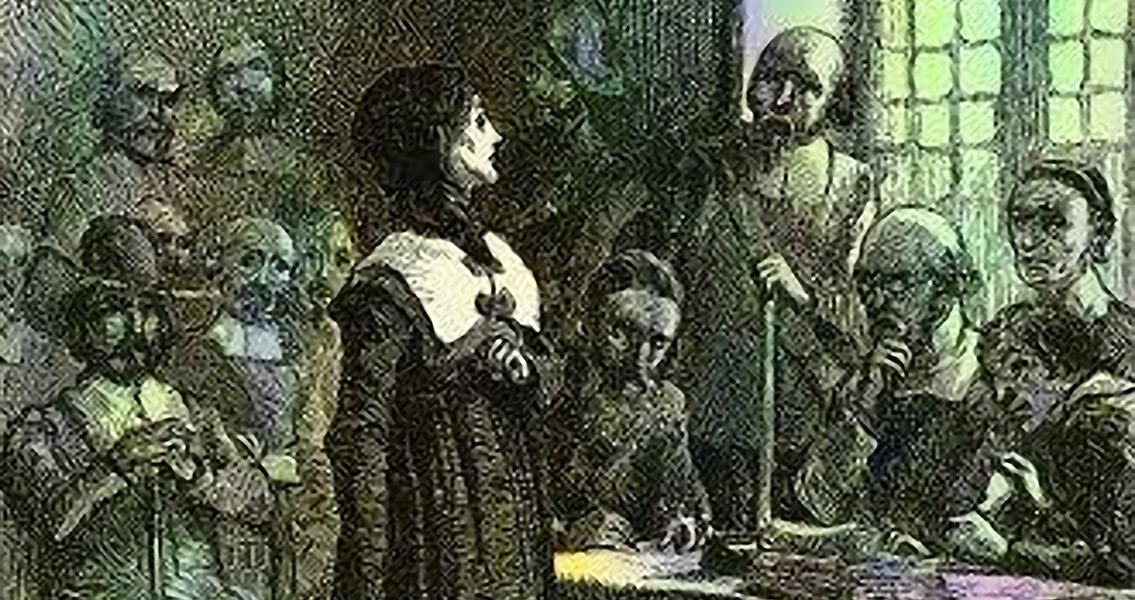
Famed Heretic Reaches the New World

Categories
Breaking News

Ancient Americans Cultivated Clams

www.saa.publisher.ingentaconnect.com Image courtesy of Wikimedia Commons user: Rotatebot]]>

Categories
Breaking News

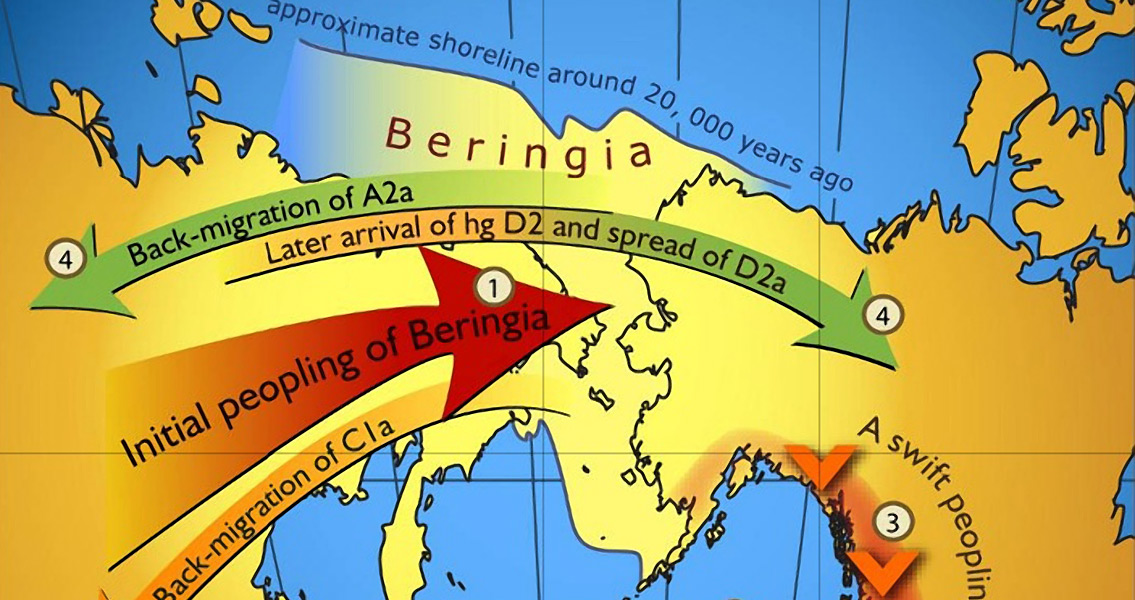
Theory Of How America Became Inhabited Challenged

www.sciencedirect.com Image courtesy of Wikimedia Commons user: OgreBot]]>

Categories
News

The War of Jenkins' Ear

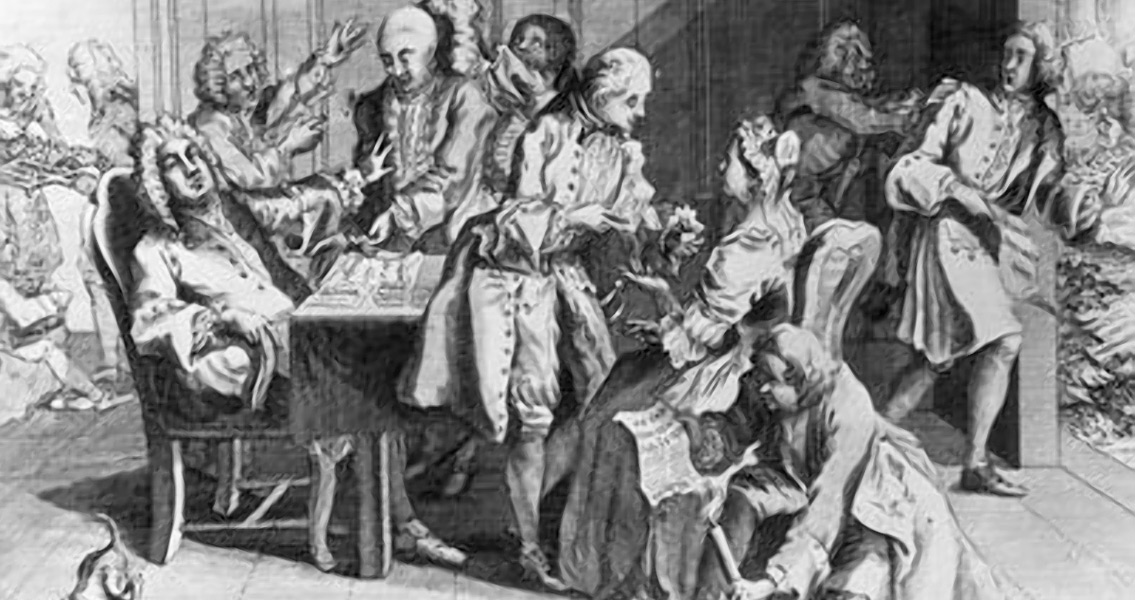
Rebecca was apparently stopped and boarded by a crew of Spanish coast guards led by Captain Juan de Leon Fandino. The coast guards pillaged the ship, attacked the crew, and ultimately set it adrift. Most shockingly, Jenkins claimed that the Spanish crew had tied him up and cut off his ear. At the time tensions were high between Britain and Spain as they competed for influence and control over the New World. Britain sought to expand its trade in the Americas, and its sailors carried out illicit trade in Spanish territories. Both Spanish and British crews frequently launched raids on the other’s ships, making trade in the Caribbean increasingly expensive and risky. As well as competing over the high seas however, Britain and Spain also found themselves in dispute over claims to land on the North American continent. In the preceding century the two countries had found themselves at war with each other on a number of occasions, as they competed to assert their imperial dominance. Jenkins survived the ordeal and set sail for England with the severed, pickled ear. News of the attack enraged the British public, and Jenkins was supposedly called before the House of Commons (with the severed ear) in 1738, to testify about his ordeal. When asked how he had responded to the assault, Jenkins famously claimed “I commended my soul to God and my cause to my country.” Jenkins’ ear became a symbol for the outrage the British public increasingly felt towards what it perceived as Spanish belligerence on the high seas. Holding Spain accountable became a matter of national pride, and the demand for war grew. Just as significantly, British Prime Minister Sir. Robert Walpole found himself increasingly under pressure from his opposition in Parliament, who used the actions of Spanish ships to paint a picture of a weak, powerless British government. In October 1739, the war started with a series of skirmishes between British and Spanish forces in the Caribbean. Ultimately, it was something of a stalemate, with neither side making significant gains. The real importance of the War of Jenkins’ Ear can be seen with hindsight, for the events it came to foreshadow. French support of Spain ultimately saw the conflict merge into the War of Austrian Succession, the eight year fight over the fate of the Hapsburg Empire following the death of the Holy Roman Emperor, Charles VI. France sought to cripple Austria, as a means to secure its position as the dominant power in mainland Europe. Britain wanted to prevent France becoming too powerful, as a means to secure its own economic well being, and thus came to the aid of Austria. Spain’s alliance with France means that the War of Jenkins’ Ear can be seen as part of a brewing conflict between groups of European powers over influence in both the Old World and the New. The war also symbolised a drastic change in the causes of conflict, at least for Britain. In 1909, Harold W. V. Temperley, a British historian, argued that the War of Jenkins’ Ear had been the first war Britain had fought in “which the trade interest absolutely predominated, in which the war was waged solely for balance of trade rather than for balance of power”. Starting a war over one man’s severed ear might seem feudalistic, if not fantastical, but in reality it symbolised the very modern concerns of securing access to trade and resources. Hysteria surrounding Jenkins’ Ear gave the war its name, but in reality the conflict was a manifestation of a series of defining themes from this period of history. ]]>

Categories
Book Reviews

Democracy in America

Related Books


Democracy in America book

Democracy in America
Vol. 1 of 2Vol. 1 of 2
by Alexis de Tocqueville

[gap height=”20″]]]>

Categories
Breaking News

Turkish President Claims Muslims Discovered America First

Categories
Editorial

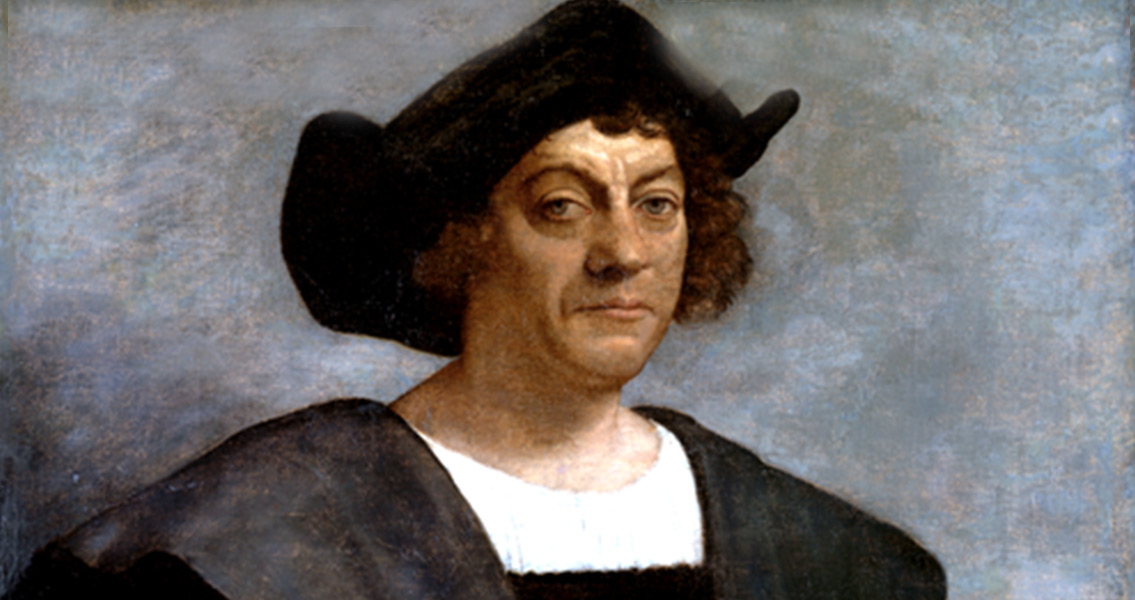
Looking Back on Columbus and the New World