Categories
Breaking News

Skull a 'Game Changer' for South-East Asia Prehistory

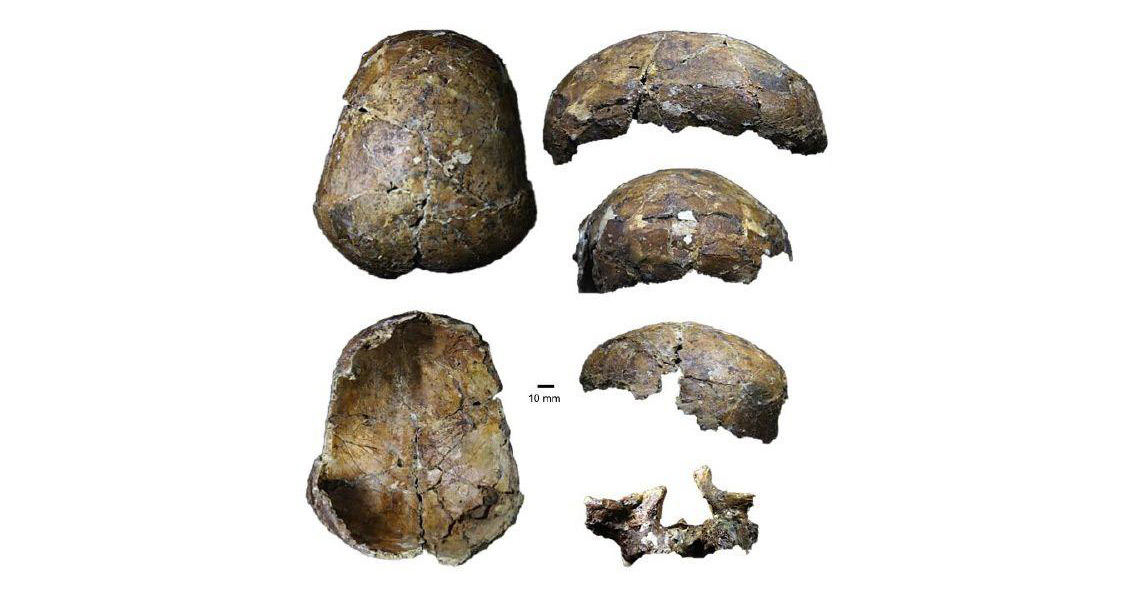
Ecology and Evolution, has brought this conclusion into question. Led by UNSW Australia Associate Professor Darren Curnoe, the research is the most comprehensive study of the skull since it was first found in the Niah Cave in Sarawak, Borneo, in 1958. “Our analysis overturns long-held views about the early history of this region,” said Associate Professor Curnoe, Director of the UNSW Palaeontology, Geobiology and Earth Archives Research Centre (PANGEA), in a press release from the University of New South Wales. “We’ve found that these very ancient remains most closely resemble some of the Indigenous people of Borneo today, with their delicately built features and small body size, rather than Indigenous people from Australia.” Among other revelations, the team have determined that the Deep Skull was likely to have belonged to a mature woman rather, than a teenage boy as previously believed. Scientists often advocate a ‘two layer hypothesis’ for the history of settlement in South-East Asia. This argues that the region was first settled tens of thousands of years ago by people related to Indigenous Australians and New Guineans. Farmers from southern China then preceded to migrate through and settle in the region, but only a few thousand years ago. The Deep Skull was considered major supporting evidence for this view, proof that 37,000 years ago the inhabitants of Borneo were similar to Indigenous Australians. The new study however, throws those assumptions up in the air. “Our discovery that the remains might well be the ancestors of Indigenous Bornean people is a game changer for the prehistory of South-East Asia.” explained Ipoi Datan, Director of the Sarawak Museum Department. The results suggest that, in Borneo at least, the people living there 37,000 years ago were much more like those who live there today, instead of Indigenous Australians. It also points to a long lasting continuity among the people who lived in the region, throwing serious doubt on the two layer hypothesis. “Our work, coupled with recent genetic studies of people across South-East Asia, presents a serious challenge to the two-layer scenario for Borneo and islands further to the north,” said Curnoe. Another ramification of the study is that the indigenous Borneans were not replaced by the migrating Chinese farmers, but instead adapted to the new farming culture when it arrived 3,000 years ago, further complicating our understanding of the prehistory of South-East Asia and raising questions about the dynamics at play during the processes of migration, settlement and resettlement. “We need to rethink our ideas about the region’s prehistory, which was far more complicated than we’ve appreciated until now.”, concluded Curnoe. Image courtesy of Curnoe]]>
Categories
News

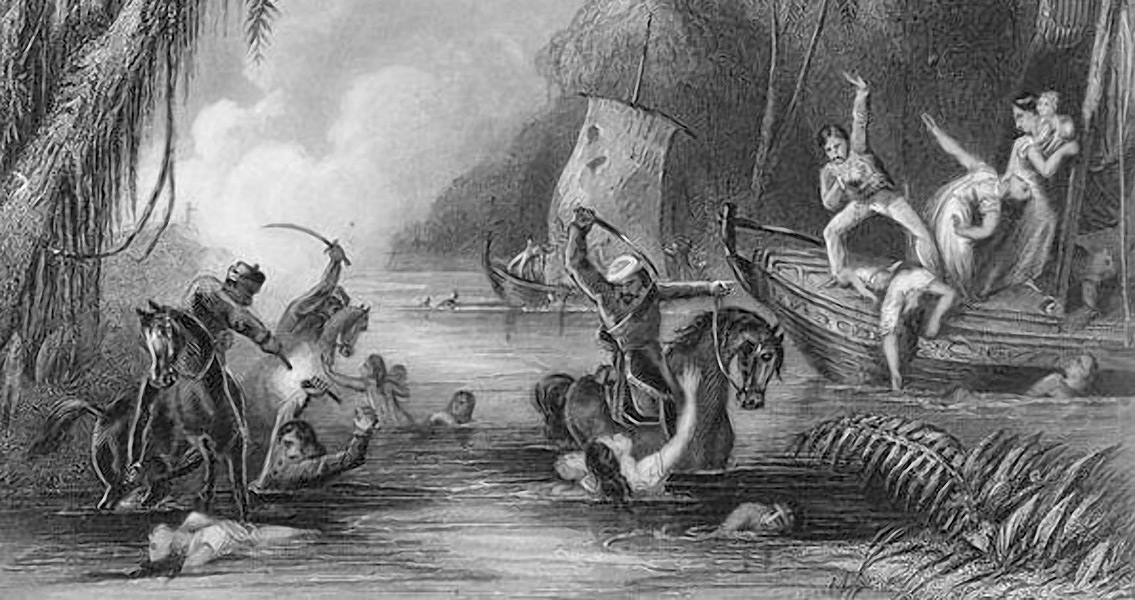
Massacre and Brutal Retaliation: The Siege of Cawnpore

Categories
Breaking News

Hunting Smarter Not Stronger, Stone Age Man Used Poison

Azania: Archaeological Research in Africa. ]]>

Categories
Breaking News

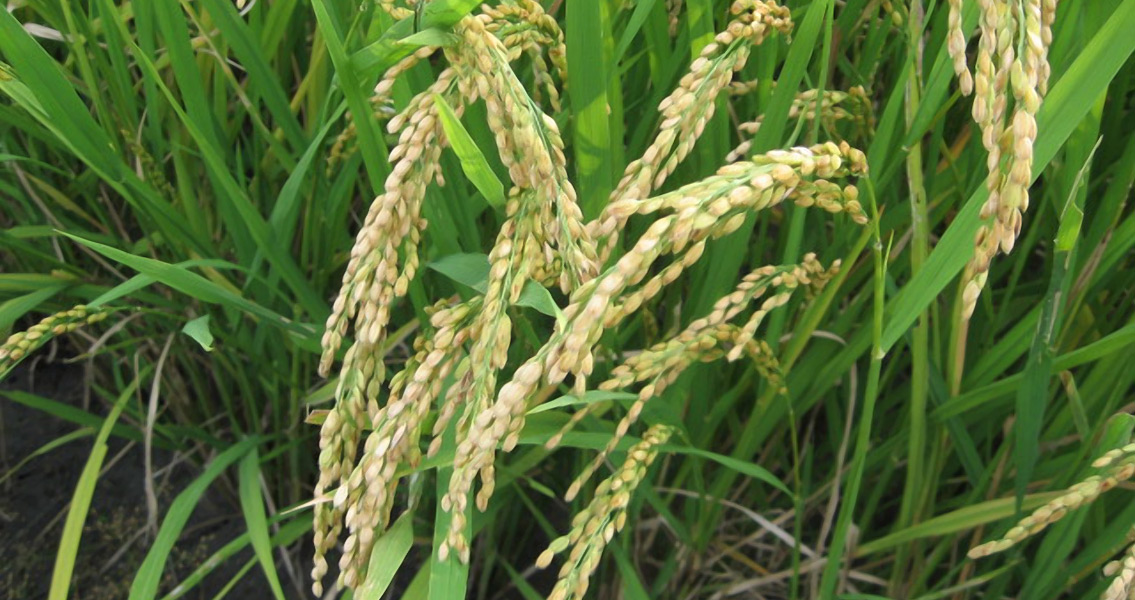
Origins of Farmed Rice Discovered in China

Scientific Reports, can be found online here]]>

Categories
Breaking News

Hair Allowed Therapsids to Outlive Dinosaurs

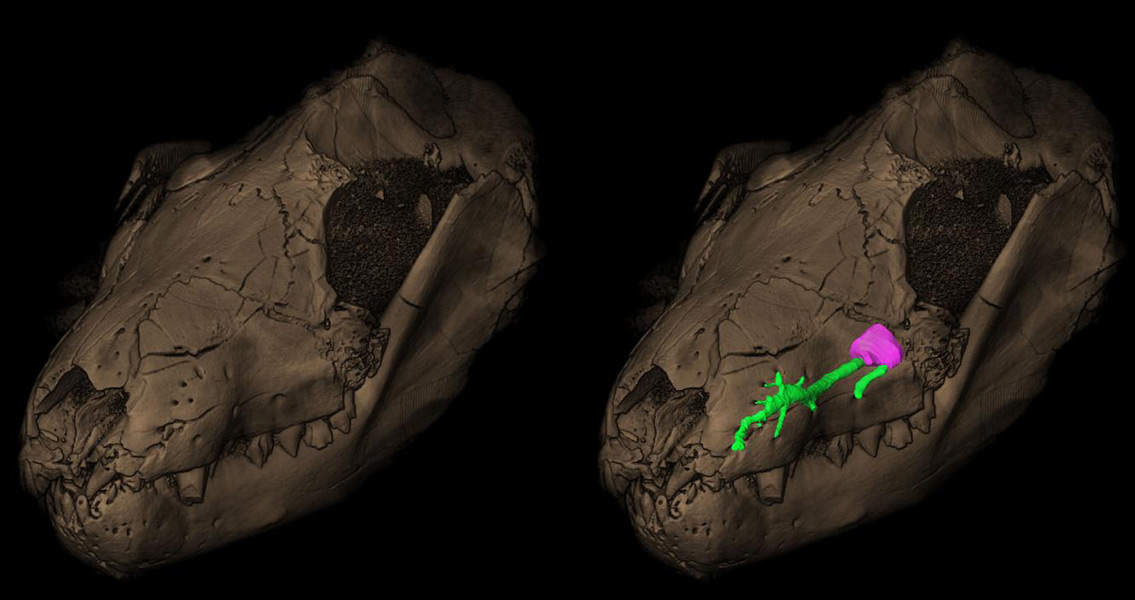
Scientific Reports, the new study suggests that something seemingly as trivial as hair, more specifically whiskers, allowed mammal like reptiles to outlive their ferocious competitors in the jungle. Dr Julien Benoit and his colleagues from the University of the Witwatersrand, Professors Paul Manger and Bruce Rubidge, studied the fossils of mammal like reptiles, known as therapsids, unearthed in the Karoo of South Africa. They found evidence that leads them to believe the therapsids may have evolved whiskers as a means to operate nocturnally during the Mesozoic Age, well before the ascendancy of the dinosaurs. “Whiskers are an amazing sensory tool to have when you are nocturnal and the evolution of whiskers possibly assisted in the survival of the therapsids – and more specifically the probainognathians – which eventually evolved into mammals as we know them today,” explained Dr. Benoit, in a press release from the University of Witwatersrand. An order of Triassic and Permian period reptiles, therapsids are widely considered the predecessors to modern mammals. It has long baffled scientists how this group of creatures were able to survive not only the competition from the dinosaurs, but also the mass extinction events that wiped out most dinosaur species. A rich fossil record exists of the therapsids, providing insight into their key role in the development of modern mammals. However, until now there was no evidence of hair among therapsids, meaning it was a development believed limited to mammals. Benoit’s team used a unique approach to solve the issue. Instead of looking for fossilised evidence of hair, they deployed scanning technology to search for the neural structures which could have allowed hair to develop in therapsids. Through computerised X-ray micro-tomography (CT scan) and digital three-dimensional modelling, Benoit discovered that therapsids had a shorter maxillary canal, a bony tube in the snout of the animal that houses the trigeminal nerve, than reptiles. The trigeminal nerve is responsible for motor functions in the face. Shortening of the maxillary canal allows for the movement of the trigeminal nerve, letting it extend into the soft tissue of the lips and nose where it innervates a creature’s whiskers. “This leaves the trigeminal nerve free to follow the movements of a flexible snout.” explained Benoit. “In reptiles this canal is long and the nerve is enclosed in the maxilla all along its length, which prevents any movement of the nose and lips,” The team’s research suggests that a mobile snout evolved between 240-246 millions years ago in the Prozostrodontia, a group of dog like therapsids which were direct ancestors of modern mammals. Research carried out on mutant mice suggests that two mammalian features, the cerebellum and the trigeminal nerve, were controlled by the same gene: MSX2. This is the gene that regulates the development of mammary glands and body hairs. As Benoit explained, “This is the gene that makes us mammals”. It seems, based on the team’s CT studies of probainognathians, the group to which Prozostrodontians belong, that MSX2 underwent a significant change in its expression 240-246 million years ago. This could have triggered the evolution of a host of mammalian traits, including hair and whiskers, an enlarged cerebellum, complete ossification of the skull roof, and more importantly, the mammary glands. Developing whiskers would have allowed therapsids to operate in the jungle at night, providing them a key advantage over dinosaurs. The animals may have been afforded the opportunity to hunt without coming into contact with their dangerous rivals. “Our research has shown that these features of mammals were already present in advanced therapsids, prior to the appearance of mammals,” says Benoit. “It also has implications for understanding how mammals survived the domination of dinosaurs during the Mesozoic period and the subsequent evolutionary success of mammals.” For more information: ww.nature.com Image courtesy of Wits University ]]>

Categories
Breaking News

Early Evidence of Civilization in Iraqi Kurdistan Found

Categories
Breaking News

Measure Twice, Cut Once. Pyramid Building is no Exception

Categories
Breaking News

New Study of Old Saxon Cemetery Yields Wonders

Culture24 UK, Wessex Archaeology has just published the full results of their research into these newest discoveries. Neil Fitzpatrick, a representative from the organization, told the website that based on their findings, this site is officially the largest Saxon cemetery discovered in Wiltshire to date – something Fitzpatrick characterized as “pretty cool”, in his own words. There were several noteworthy features discovered regarding the cemetery, most striking of which was how each burial seems to include grave goods including an iron knife. Fitzpatrick remarked that the team was unsure of the symbolism of such an inclusion, but he pointed out that the cultural significance would have been high, as even a large number of burials featuring small children or infants had iron knives as well. There were other discoveries as well, such as nearly a full ten cremations and several warrior burials complete with varied spearheads and shield bosses. One such grave, according to Fitzpatrick, was located beneath an inhumation that had been bereft of grave goods; the warrior himself had been laid to rest with a sword that was in remarkably good condition. Meanwhile, another unique characteristic of the cemetery includes several crouched burials, which tended to either include just an iron knife or no grave goods whatsoever. When it came to the final resting place for women, the graves of female Saxons tended to have recycled Roman-style beads. Broaches of Germanic design festooned with spiral decorations were also common, especially in graves in one area of the cemetery running east to west that may date to the late Iron Age. Thanks to the wide variety of graves in the cemetery, and the several centuries’ worth of burials, Fitzpatrick remarked that it was easy to identify the change from earlier Saxon burials to later Roman ones. The former are much more likely to feature pagan iconography, while the Christian influences of the later Roman period are more prevalent in graves from that era. The Wessex Archaeology representative also pointed out that several funerary structures were found at the cemetery site. Much in the same way that modern cemeteries often feature small mausoleum structures, it seemed common to have similar structures at this cemetery – though they mostly consisted of four posts holding up a roof instead of an enclosed structure. The research findings are available here Image courtesy of Wikimedia Commons user: Pasicles]]>

Categories
News

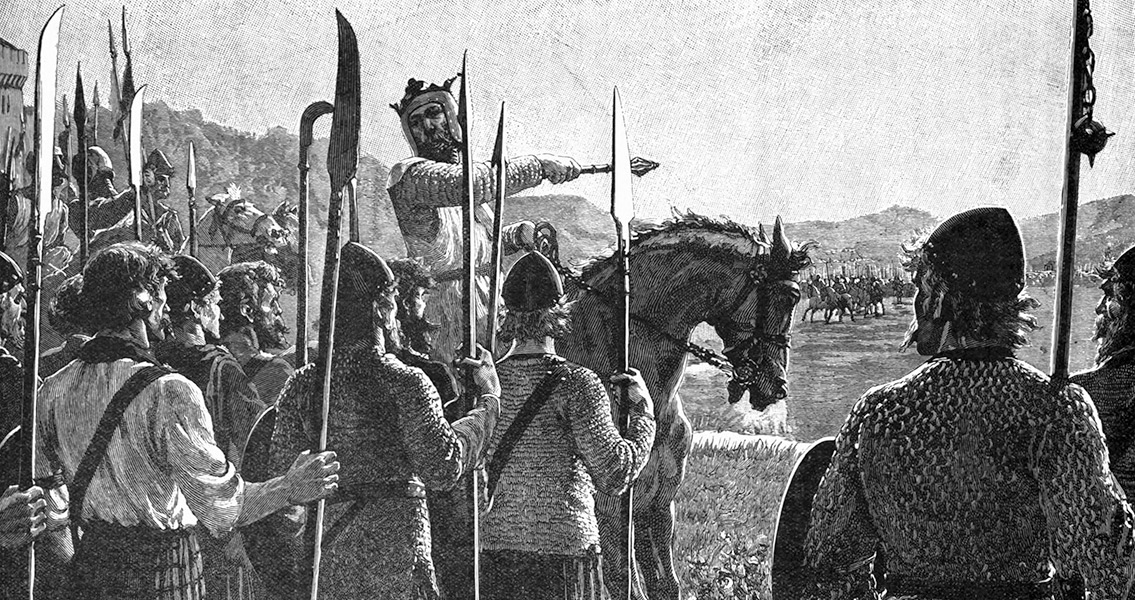
Robert The Bruce Wins The Battle of Bannockburn

Categories
Breaking News

Insects Not Humans The World's First Farmers

www.plos.org Image courtesy of Wikimedia Commons user: PHP Ninja ]]>