
here ]]>
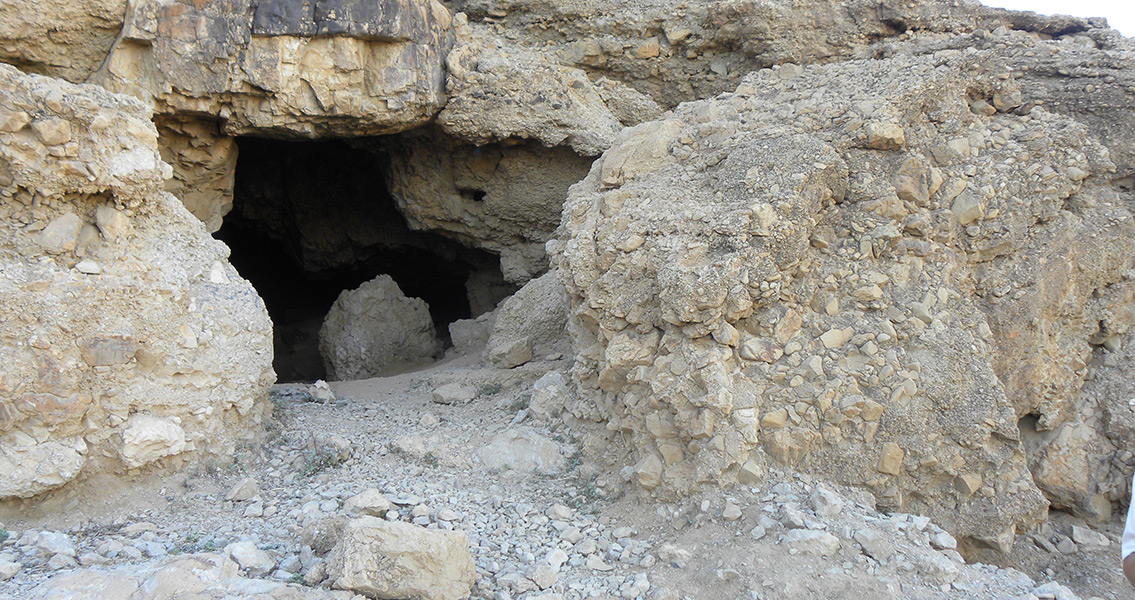
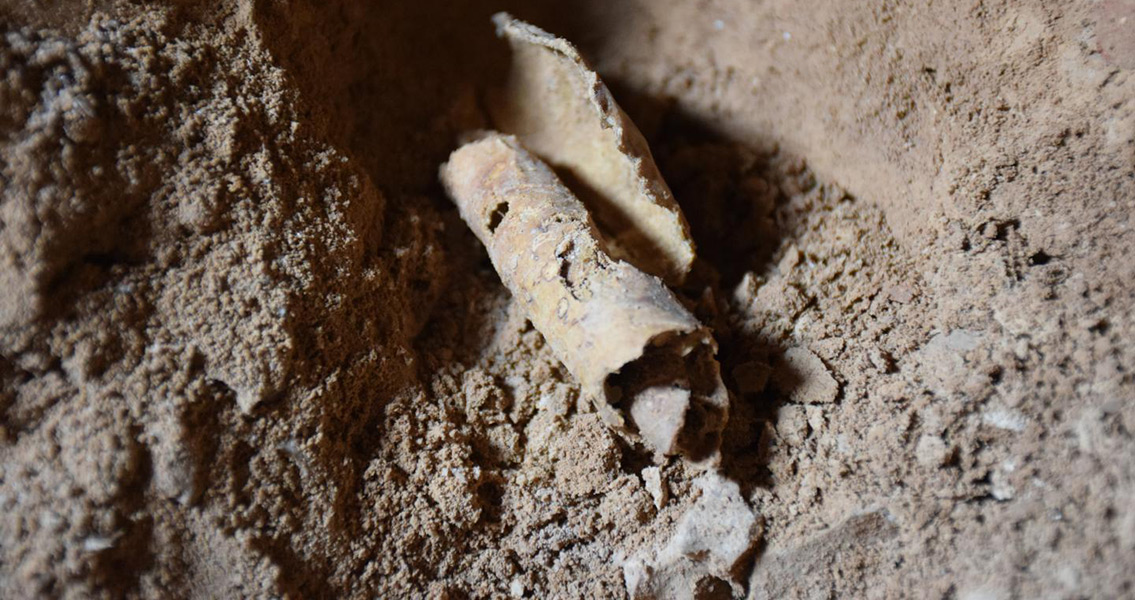
Haaretz. In 1947, a shepherd tossed a stone into a cave in Israel’s West Bank and heard the sound of earthenware cracking, leading to the the twentieth century’s biggest archaeological discovery: the Dead Sea Scrolls. Named for the seven human skulls along with other skeletal remains found there, The Cave of the Skulls was discovered in 1960 by Professor Yohanan Aharoni. Part of a series of naturally formed spaces on top of a steep cliff known as the Large Cave Complex, the Cave of Skulls is located in one of the starkest regions of the Judean Desert. The complex is also home to the Cave of the Arrows, where the extremely arid conditions helped preserve a dozen reed arrow shafts (30 inches long) for around 1,800 years. The latest discovery, two papyrus fragments each measuring approximately two centimeters squared, along with several pieces with no discernible writing, was made during a joint salvage excavation conducted by the Hebrew University of Jerusalem and the Israel Antiquities Authority. Along with the papyri artifacts, dozens of stone vessels, pottery fragments and flint items were discovered within the cave. Several different metal objects were also found, including needles, cosmetic tools, and hobnails with hollow heads which were used to make sandals. Another interesting find was a bundle, a textile wrapping around a collection of beads, which was found inside a natural crevice in the west wing of the cave. This bundle has not yet been opened, but its contents have been identified through X-rays. It joins two other bundles previously discovered by Aharoni, making up the largest bead collection ever found from the time period known as the Chalcolithic, an ancient period that predates the Copper Age. What these caves were used for in early Chalcolithic times is unknown. Suggestions vary from seasonal habitats for traders or herders, to hiding places during times of social tensions within the settlements located on that side of the Judean Desert. “These caves are very difficult to access, and they were used in their natural forms without changes or modifications that would make them more convenient for prolonged occupation,” Davidovich said in the Haaretz article. “This does not make sense when you think of ephemeral stays by shepherds or the like, but is much more plausible when you consider that they served as temporary refuge places.” ]]>

Western Digs: “This is one of the few archaeological contexts registered by archaeologists in this region, if we confirm the hypothesis [that this burial dates from] the Late Archaic, we could have a site with information about the transition to agricultural, sedentary communities in the region.” A number of the remains, both avian and human, had been naturally mummified by the arid climate. In addition to the skeletons and bird remains; textiles, baskets, stone points and other artifacts were also found. The two sets of remains were surrounded with an array of goods, including a large sea shell and a dress or bag made from deer hide. The gender and exact age of the child is unknown, although the size suggests at the time of death they were between one and three years old. The partial adult skeleton had large leg bones that had been tied together, similar to other, later finds in northern Mexico. The practice of reburying partial skeletons was not uncommon. Starting around 1100, the citizens of Paquime are known to have dug up and then re-buried their dead, sometimes collecting the bones in large jars or bundles, possibly to be buried with relatives. If this new cave site predates Paquime, the burial may be earlier evidence of the practice. Not found at the graves were artifacts, such as ceramics, associated with the Puebloans who built and then settled in trade centers like Paquime during the Medio Period. This absence indicates the graves predate the creation of Paquime, which happened around the year 700. The early date also makes the discovery of the bird, a scarlet macaw, especially significant because tropical birds are not indigenous to the high desert region of Chihuahua. The discovery of the macaw in this pre-Medio Period site indicates the presence of long-distance trade in exotic goods which pre-dates Paquime by centuries. “This finding verifies once again that the [mountains of Chihuahua] have been a cultural corridor between the coast and the desert north with the south,” Gallaga is quoted as saying in Western Digs. “At the end of the day, this discovery shows us that there is still a lot to do in the northern Mexico region, archaeologically speaking.” Gallaga’s team was called to the site when the property owner uncovered the strange remains while using heavy equipment to level the cave’s floor. “Many archaeological discoveries are the result of planned research and are conducted during years of intellectual efforts,” Gallaga says in Western Digs. “Others are the result of an accident.” ]]>

Panthera spelaea, the Eurasian cave lion, a species that was larger than an African lion without the mane, became extinct approximately 14,000 years ago, but the reasons behind its disappearance have never been completely understood. Archeological findings show that between 50,000 and 10,000 years ago, Upper Paleolithic humans did in fact hunt animals both large and small, however, evidence of lion hunting is rare. In an attempt to determine if early humans hunted the cave lion, thereby contributing to its extinction, Marián Cueto, with the Universidad de Cantabria, Spain, and her colleagues examined nine fossilized toe bones from the claw of a cave lion, looking for evidence the cats were exploited by humans. The feline bones were unearthed at La Garma, the Upper Paleolithic cave site located in northern Spain. What researchers found was that a majority of the bones did in fact show signs of having been modified by stone tools used by humans, along with signs of a specific technique, similar to the one used by modern hunters to keep the claws attached to the fore while skinning it. The research suggests that the toe bones may have been part of a single lion pelt, possibly covering the floor of the occupied cave. The La Garma site is known to have been associated with human rituals, and it’s possible the Eurasian cave lions had some symbolic meaning for Upper Paleolithic humans. While the analysis doesn’t offer definitive findings which would conclude the Upper Paleolithic humans hunted cave lions for their pelts, it also doesn’t offer any findings to the contrary, and other evidence has been found showing that cave lions and early humans did interact in some capacity. The cave, situated on La Gama Mountain, is divided into different levels. In the upper section there are human burial sites, the intermediate level holds a large number of palaeontological remains, primarily bones. The most important remains, however, are found on the lower level where there are three intact spaces with numerous examples of painted art, including an amazingly realistic black horse, and a number of symbols painted red. Also found are representations of goats and bison and still more panels are covered with hand prints. The drawings date to between 28,000 and 13,000 years ago. Prehistoric humans ventured into the La Garma cave to perform sacred rituals. They navigated hundreds of yards through the dark, until they reached one of the circular stone huts (each with a horse skull in the center) where their religious ceremonies took place. Untouched for thousands of years, La Garma acts as a time capsule, with everything remaining exactly as it was during the Upper Paleolithic era. The nature of the ceremonies is unknown, however, the discovery of just foot bones indicates that aside from the pelts, the claws of the lion were also brought into the cave. The research has been published journal in the online journal PLOS ONE. Image courtesy of Wikimedia Commons user: Pit1233 ]]>
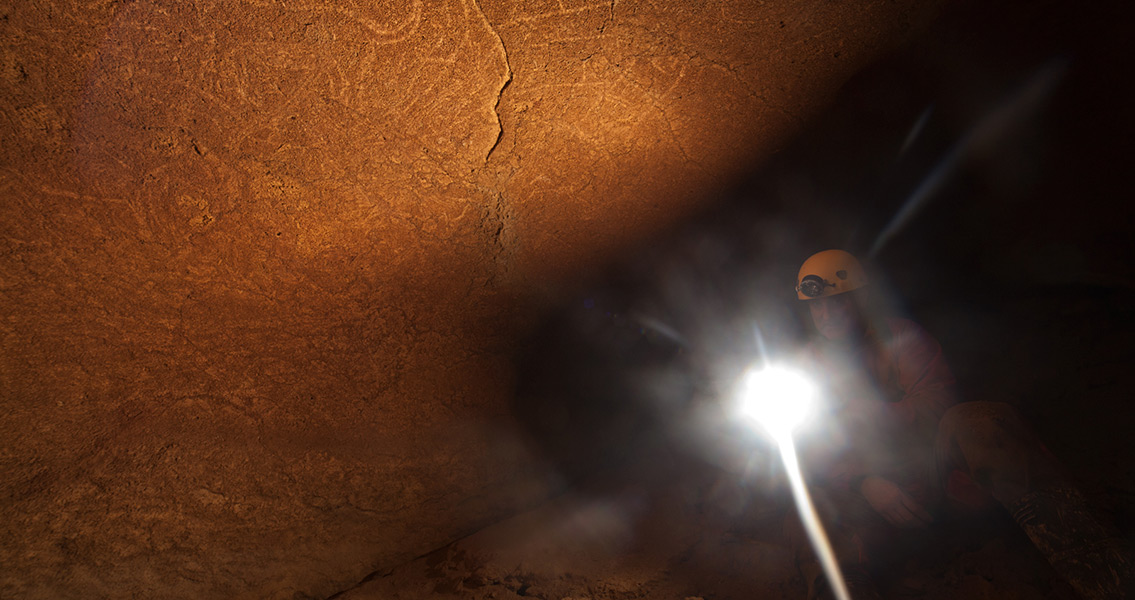

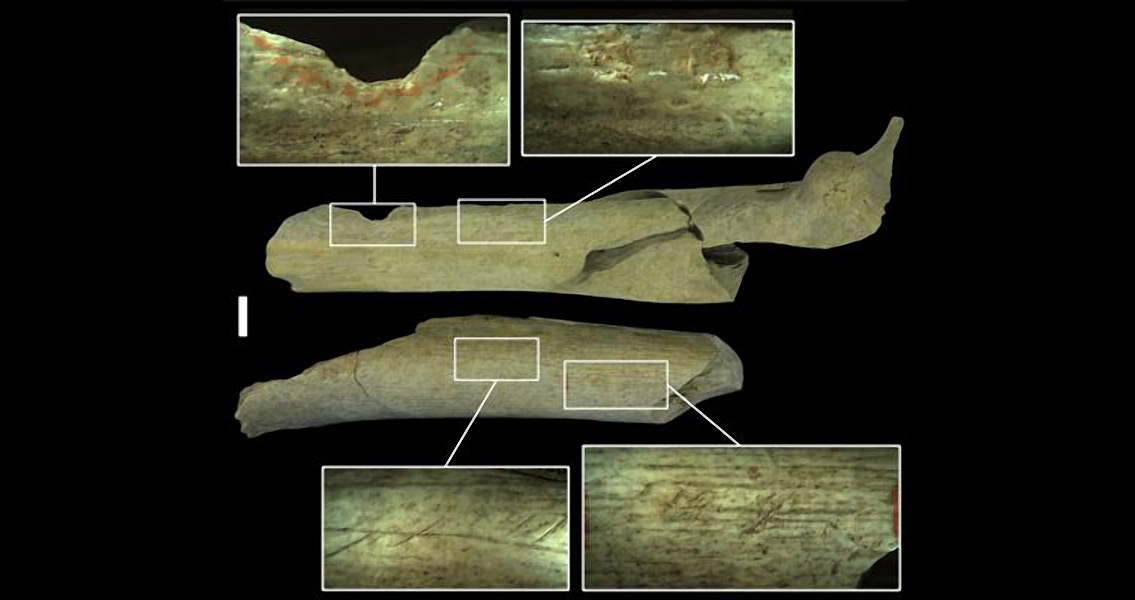
Scientific Reports, has helped expand the knowledge of known Neanderthal behavior in relation to the dead in northern Europe. As more and more insights are gradually revealed about the behavior of the Neanderthals, humanity’s closest extinct relatives, it becomes apparent that they displayed significant variability in their actions and customs. This perhaps shouldn’t be surprising, that different groups of Neanderthals had different practices, just as is the case among different groups of humans. This diversity of practices is clearest in the ways the Neanderthals dealt with their dead. At some sites, there is evidence that they buried the deceased. At others, there is evidence of cannibalism, that they broke the bones and ate the meat of other Neanderthals for food. These cannibalistic practices have been discovered at sites in both France and on the Iberian Peninsula. Neanderthals lived between roughly 200,000 and 30,000 years ago in Eurasia. Their appearance was similar to modern humans, though they were shorter, stockier, and had angled cheek bones, prominent brows and wide noses. Evidence has been found that they used tools, controlled fire, and in some cases (Chapelle-aux-Saints in France, and Sima de las Palomas on the Iberian Peninsula for example) buried their dead. Until the latest study however, the paucity of remains discovered north of latitude 50º meant it had been difficult to gain insight into how Neanderthals in the northern latitudes treated their dead. A third of the Neanderthal remains discovered at the Troisième caverne had cut marks, and a plethora had been crushed to extract marrow. The Neanderthal remains had been treated in a similar manner to horse and reindeer bones at the site, suggesting that all three species had been prepared and consumed in similar ways. Other Neanderthal remains at the site showed signs of having been used as soft percussors to shape stone. It is the fourth time a site has been found with evidence Neanderthals used the bones of their deceased to shape stone tools, joining Krapina in Croatia, and Les Pradelles and La Quina in France. Whereas the previous sites only contained a few examples of bones being used on tools, five sets of remains at Goyet had been used as retouchers. Due to their remarkable state of preservation it has been possible to date the remains at Goyet to between 40,500 and 45,500 years old. It has also been possible to extract the mitochondrial DNA of the remains, revealing that the Neanderthals at the cave were most similar genetically to those found in Feldhofer (Germany), Vindija (Croatia) and El Sidrón (Asturias, Spain). Such genetic similarity over such large distances suggests that the Neanderthal population of Europe was quite small. Earlier studies of partial Neanderthal skeletons discovered at Feldhofer, Germany and Spy, Belgium, showed evidence that Neanderthals had interred their dead. This latest study only adds to the increasingly complicated image of the contrasts between the different groups of humanity’s extinct cousins. Image courtesy of Asier Gómez-Olivencia et al.]]>

Azania: Archaeological Research in Africa. ]]>