PLOS ONE, can be found online here Image courtesy of F. Botas]]>
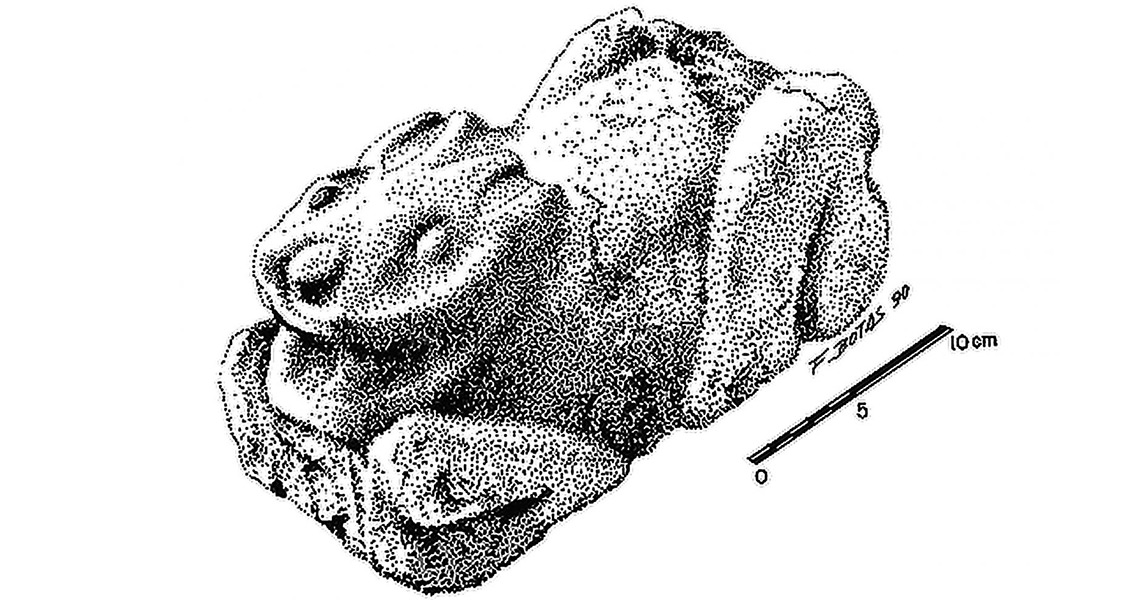
PLOS ONE, can be found online here Image courtesy of F. Botas]]>
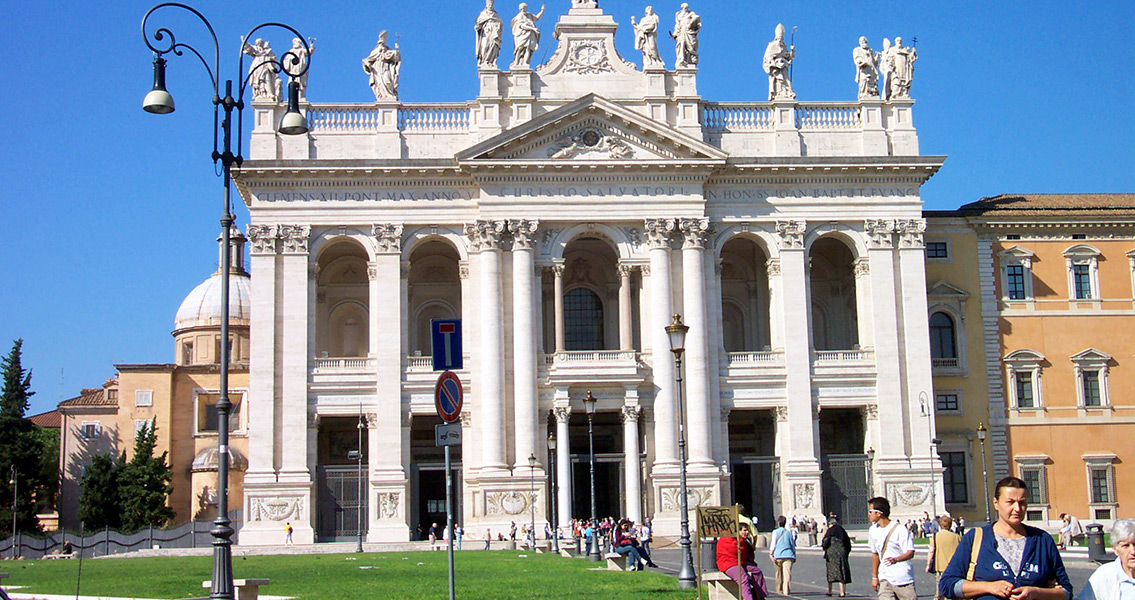
Current Anthropology, claims that rather than binding early state societies, religion often had the opposite effect. It’s a conclusion which runs against commonly held beliefs that religion was the glue used to hold early societies together. University of Colorado anthropology Professor Arthur A. Joyce and University of Central Florida Associate Professor Sarah Barber’s controversial conclusion is based on evidence they unearthed at several key Mesoamerican archaeological sites. Although governments are increasingly secularised nowadays, religion remains a powerful political force throughout the world, dividing societies. The study, titled “Ensoulment, Entrapment, and Political Centralization: A Comparative Study of Religion and Politics in Later Formative Oaxaca,” argues that this is far from a recent trend. Prof. Joyce and Prof. Barber spent several years conducting field research in the lower Rio Verde Valley in Mexico’s Pacific lowlands. The data they compiled has now been compared with similar data from the highland Valley of Oaxaca. “Archaeological evidence shows that these regions had dramatically different later Formative histories.” they write in their study. Focusing on the period between 700 BCE and 250 CE, a time generally considered to have coincided with the emergence of the earliest states in Mesoamerica, the authors noticed dramatic differences in the development of the two societies they focused on. In the lower Verde, the creation of state institutions was hindered by religious rituals based on offerings and the burial of the dead at small, local cemeteries. The nature of the rituals and traditions meant people’s lives were focused around small, localised communities – religious ties which primitive, centralised state institutions couldn’t overcome. “In the lower Verde, we find that religion constrained changes that could have stabilized political centralization. A crucial aspect limiting the creation of multicommunity authority and identities was the physical entrapment of the bones of ancestors, offerings, and divine beings within public buildings in local communities.” Joyce and Barber explain in the study’s abstract. A rapid rise and then collapse in state institutions in the lower Verde is the evidence the authors use for their explanation. At Rio Viejo, a once major city in the region, impressive temples and other buildings were built in the years leading up to 100 CE before being abandoned within a century. Things were different in the highland Valley of Oaxaca, with religion having a significantly different impact on the formation of the state institutions there. “In contrast, in the Valley of Oaxaca, we find that religion fostered developments that would eventually give rise to a politically centralized polity, with its seat of government at the hilltop city of Monte Albán.” Here, political elites became the mediators between the people and their gods, supplanting the power held by traditional community leaders. Religion was used as a means to create a centralised political system. The study highlights just how pivotal religion could be in the formation of early states, both as a means of achieving cohesion, but also at times as a force acting against the foundation of state institutions. It is of course well established that Christianity evolved into being a powerful political force throughout Europe for centuries. Similarly, many governments today are still heavily influenced by various religious considerations. Barber and Joyce’s study shows that this complex relationship between religion and politics could in fact be crucial to understanding the earliest societies, as well as our own. “It doesn’t matter if we today don’t share particular religious beliefs, but when people in the past acted on their beliefs, those actions could have real, material consequences,” Barber said about the team’s findings, in a press release from the University of Central Florida. “It really behooves us to acknowledge religion when considering political processes.” For more information: www.jstor.org Image courtesy of Wikimedia Commons user: Ern]]>
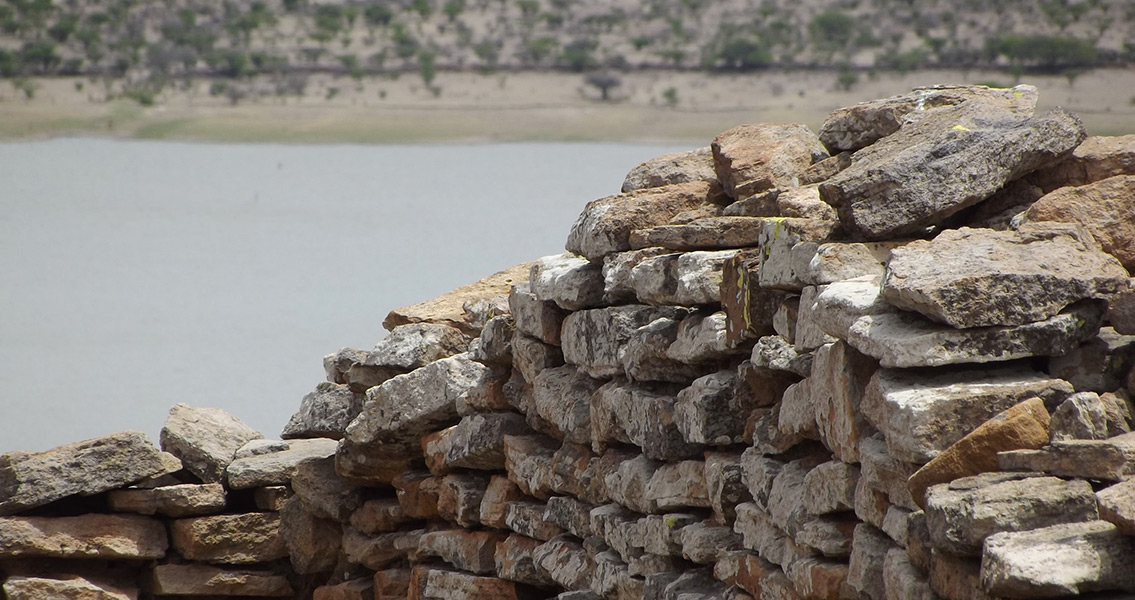
Proceedings of the National Academy of Sciences, looked at human remains in north west Mexico to develop an understanding of interethnic violence and attitudes towards the dead during the Epiclassic Period of Mesoamerican history. Accounts from Spanish settlers in the Northern Frontier of Mesoamerica in the sixteenth century reveal that the region was characterised by a broad range of ethnic identities. Studies by historical linguists since have speculated that the divergence in languages occurred in the region between 4,500 and 6,000 years ago, suggesting that ethnic divisions were deeply routed in the region before the arrival of European settlers. Over thirty languages were spoken in the Northern Frontier, which has led the authors of the new study; Ben A. Nelson and Debra L. Martin, to suggest that “the relation between any pair of regional centers probably was interethnic”. In a period of great social upheaval and change, such ethnic diversity undoubtedly led to conflict. In their article entitled ‘Symbolic bones and interethnic violence in a frontier zone, northwest Mexico, ca. 500–900 C.E.’, Nelson and Martin note that there is substantial evidence that between 500CE and 900CE (the Epiclassic Period), the struggle by people to assert themselves in a volatile, changing social landscape lead to “long-term social violence”. The Epiclassic Period started with the dissolution of the massive city of Teolihuacan, an event which foreshadowed a time of massive cultural change. Filling the power vacuum left by the centralised authority of Teolihuacan were small scale polities. Styles of architecture, clothing and iconography changed as they merged across boundaries. For their study, Nelson and Martin carried out detailed bioarchaeological analysis of the extensive deposits of disarticulated, commingled human bones that can be found in what was the Northern Frontier of Mesoamerica, focusing in particular on those found in what had been the polity of La Quemada. Through doing so they have gained a better understanding of the interethnic violence which dominated the region, and the relationships between communities and their dead. They conclude that the prominent presence of human bones in ceremonial centers and living spaces served a variety of cultural functions. Several clusters of bones from both males and females of all ages kept inside a temple at La Quemada were largely untampered with aside from some signs of simple de-fleshing. This lack of desecration points to the bones having been kept as a form of ancestor veneration. Conversely, other clusters showed signs of processing of long bones, and drilled crania, suggesting they had been displayed. The desecration was most likely part of a ritual which saw vanquished enemies put on public display. The authors claim that this was probably a tool for remembering past battles, but possibly also a means of trying to prevent further interethnic conflict. Nelson and Martin’s study provides insight into the extent of interethnic conflict in the Epiclassic Period. They conclude that the bones found at La Quemada are representative not only of the violence between different ethnic groups, but also the cultural relationship between the living and the dead. The authors’ conclusions have the potential to greatly further the understanding of the transition towards large, multicultural societies. For more information: www.pnas.org Image courtesy of Wikimedia Commons user: Oscarthepatron ]]>
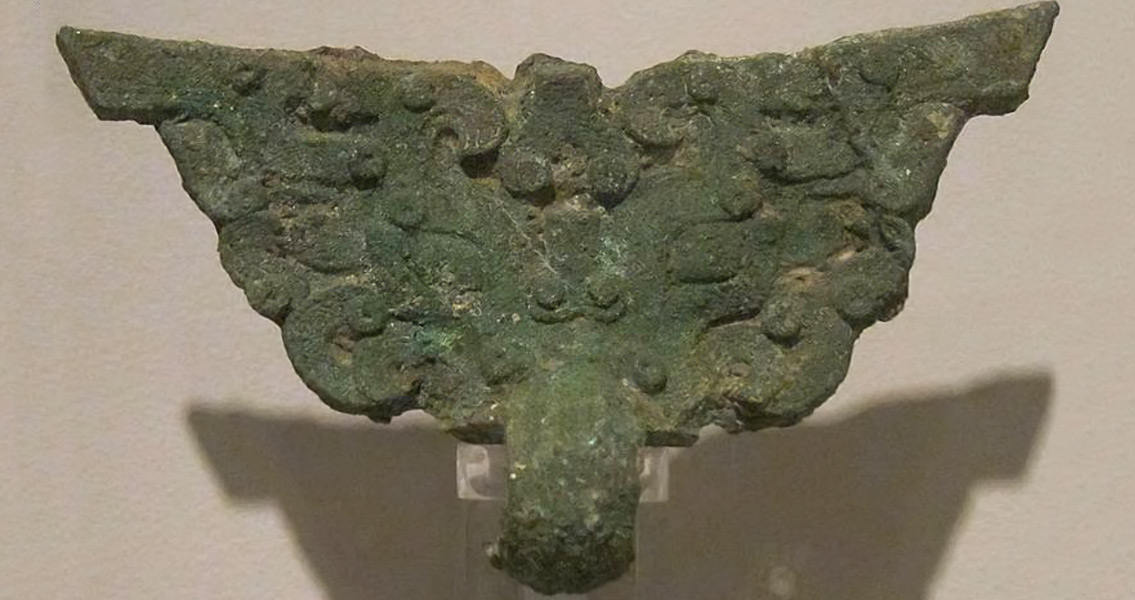
Ancient Origins, shows that the artefact is very old, even though researchers still have to find a way of reliably dating it using radiocarbon or other methods. So far, the surest sign pointing to it being a truly ancient artefact are the symbols decorating it and its very shape. The shape and the symbols appear in different Chinese dynasties spanning a period between 2070 BCE and 256 BCE. There is a dragon figure along the blade, for instance, which was common during the rule of the Shang dynasty, between 1600 and 1046 BCE, but had first appeared during the previous dynasty, Xia, which dominated China between 2700 and 1600 BCE, and was still in use in the dynastic period that followed Shang, the Zhou dynasty (1046 to 256 BCE). According to one of the researchers working on the sword, Siu-Leung Lee, the grotesque mask found on the handle and on the guard of the sword, called Taotie, originates even earlier, in the time of the Liangzhu culture which thrived between 3400 and 2250 BCE. It is, however, most common in artefacts from the Shang and Zhou dynasties. What makes the find even more fascinating is the similarity between the Taotie symbol and a symbol used by the Mesoamerican Olmec culture. This is not the first example of this similarity. Parallels have been drawn between ancient Chinese and Olmec mythology and symbology for a hundred years now. The Olmec culture is actually believed to have originated around 1500 BCE, soon after the rise of the Shang dynasty in China. Some scientists, according to Haskell, believe the Chinese culture had a direct and formative influence over the Olmec civilisation which spread over later cultures in the region, including the Mayans. One such similarity regards jade, which during the Shang dynasty was considered to be more valuable than gold, Haskell notes, both in China and among the Olmecs. The Mesoamerican culture learned how to work jade during its Middle Formative period, between 900 and 300 BCE, a mastery that may have been revealed to them by the Chinese. The author actually compares the extent of Chinese influence on the Mesoamerican culture with the effect of the European conquest of the region in the sixteenth century. In answer to the question how the votive object reached Georgia, Haskell supplies an explanation connected to the travelling habits of the Olmecs and other cultures around the Gulf of Mexico. The cultural influence of the Olmecs spread both into South and North America through neighbourly exchanges with other local cultures. They were also skilled seamen, travelling in dugout-log canoes capable of long journeys, so it is possible that they spread their culture during these journeys as well. it remains to be established, if possible, whether the votive sword was left by Chinese travelers to Georgia or was part of the exchange between the Asian culture and the Olmecs. Image courtesy of Wikimedia Commons user: Hiart]]>