Categories
News

Science Bolsters Moral Sensitivity

research that shows the relationship between religion, science and morality is in fact much more complicated than traditionally thought. The earlier study found that priming either religious or science related words in test subjects led to them demonstrating increased prosocial behaviour. As such, the results suggested that, “at least in modern societies, secular institutions have overtaken religious institutions in their capacity to promote prosociality and living harmoniously as a moral society.” Yilmaz and Bahçekapili aimed to test the causes of this connection between scientific reasoning and morality. Three different tests were carried out on Turkish University students, which involved priming scientific, religious or ‘neutral’ words through language games before having the test subjects respond to a moral scenario. The results of the first test showed that the priming had no effect on the response to the crime described, although the psychologists suggest that this may be because the scenario was so extreme (a date rape case) that it created a ‘ceiling effect’. The next test followed the same process, but for less extreme, more morally ambiguous scenarios -one involving two people late to a meeting who accidentally run over a cat and choose not to stay and help it, and another involving a person who finds a friend’s winning lottery ticket and collects the winnings for himself (the friend is unaware the ticket is a winning ticket). The results showed that in the first scenario, both science priming and religious priming affected the moral sensitivity of the participants. The suggestion being that thinking about scientific themes can be just as influential on our morality as thinking about religious ones. Finally, Yilmaz and Bahçekapil sought to determine “whether science exerts its moral sensitivity boosting effect by activating analytic thinking or the idea of secular authority.” For this test, the preliminary section was designed to prime words in the test subjects associated with either secular authority (e.g. court, police) or analytical thinking ( e.g. logic, reason). The results provided a clear pattern, with the subjects in the secular authority group demonstrating the greatest moral sensitivity. “These results suggest that science priming exerts its boosting effect on moral sensitivity not by activating analytic thinking but by activating the idea of secular authority.” The study’s results are of great interest to the study of history, anthropology and psychology, showing that secular authority is now capable of bolstering moral sensitivity as much as religion. One of the key transitions of the modern era, particularly in the West, has been the decline of religiosity, in both political institutions and individuals. Yilmaz and Bahçekapil’s study provides a framework to explain how the rise of science and the decline of religion did not coincide with a dramatic decrease in morality. For more information: www.journals.plos.org Image courtesy of Wikimedia Commons user: kenhodge13 ]]>

Categories
News

The Christiana Riot

Categories
News

Picasso's Guernica Shown in Spain for the First Time

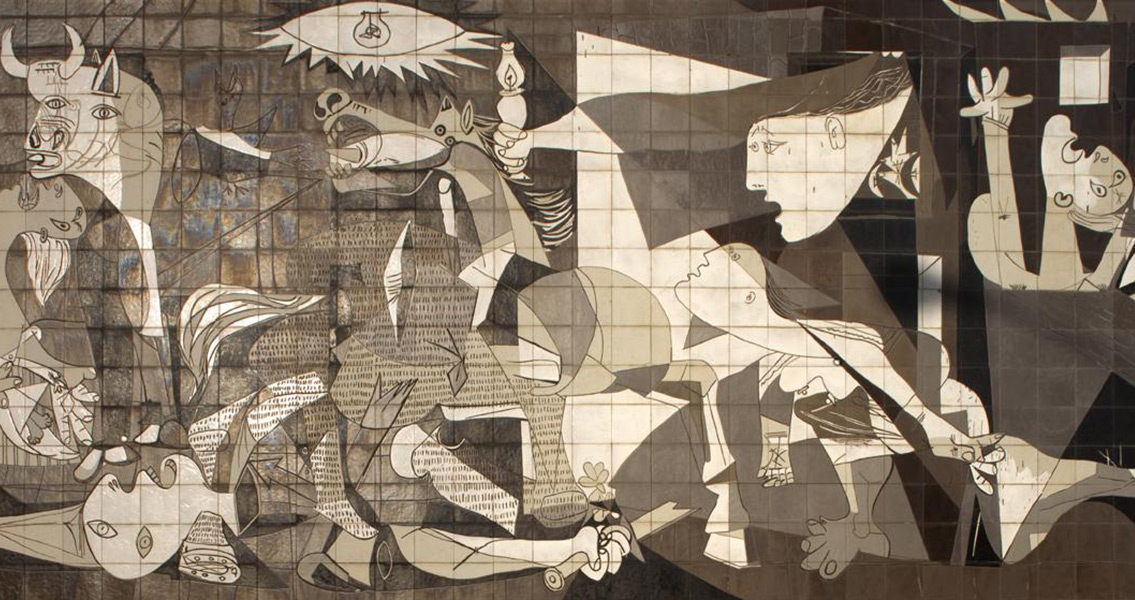
Guernica arrived in Spain for the first time on 10th September, 1981. A powerful depiction of the horror of war and the evil people could inflict on others with the aid of modern technology, Picasso had given the artwork to the New York Museum of Modern Art in 1939, following its initial exhibition in Paris. He insisted that it should not be exhibited in his native Spain, then under the control of General Francisco Franco, until democratic liberties had been restored to the country. Born in Málaga, Spain, in 1881, Pablo Picasso became one of the most influential visual artists of the twentieth century. Throughout his career considered one of the most adventurous artists of his generation, Picasso’s typically radical approach to sculpture, ceramics, painting, printing and stage design was inspired by the radical and anarchist intellectuals he met at the El Quatre Cats Cafe in Barcelona during his late teens. Picasso moved to Paris in 1904, then the centre of European art, and opened his own art studio in the city. Returning to Spain sporadically over the next decades, he set foot in the country for the final time in 1934. Guernica was commissioned as part of the 1937 Paris Exposition, whose official theme was a celebration of modern technology. Its organisers hoped that the Exposition would become a symbol of the triumph of human ingenuity in the face of the Great Depression which had devastated the 1930s. For Picasso, 1937 was a time of despair, caused by both frustrations in his personal life and shock at events in his homeland. Spain was ravaged by Civil War, as the nationalist forces of General Franco fought to overthrow the democratically elected Republican government. Initially struggling to find an idea for his mural, events of April 1937 provided a somber inspiration for Picasso, an artist who had previously avoided explicit political or social commentary. An ancient Basque town, allied with the Republican forces but situated well beyond the frontline of the fighting, Guernica was completely destroyed by an air raid on 26th April, 1937. Despite attempts by the Nationalists to blame the town’s destruction on their enemies, the destruction wrought in Guernica was clearly the work of the German and Italian airforces – allies of the Nationalists. Hours of constant bombing incinerated the town, and led to casualties of anywhere between 200 and 1000 people. Reading a description of the brutal attack, written by George Steer in the Times newspaper, Picasso headed to his studio and began preparing sketches for what would become one of his most famous works, just three weeks before it was due to be unveiled at the Spanish Pavilion. Although sticking to the surrealist style of Picasso’s work from this period, the painting used simple black and white to depict the human pain and suffering in war. Among the triumphant celebration of technology of the Paris Exposition, it proved a sobering reminder of the tragedy modernity could inflict. Picasso died in 1973, with Franco’s regime still ruling Spain. It was only in 1981, six years after Franco himself had died, that the heirs to Picasso’s estate authorised the work to be sent to Spain. Even now, it remains a source of controversy. Housed in a museum in Madrid, Basque nationalists argue that the work should be housed in the Basque region – the site of the events which inspired its creation. Image courtesy of Wikimedia Commons user: Papamanila ]]>

Categories
News

Study Looks at Continuous Nature of Evolution

www.pnas.org Image courtesy of Wikimedia Commons user: TomFawls]]>

Categories
News

Romulus Augustus Deposed by Odoacer

Categories
News

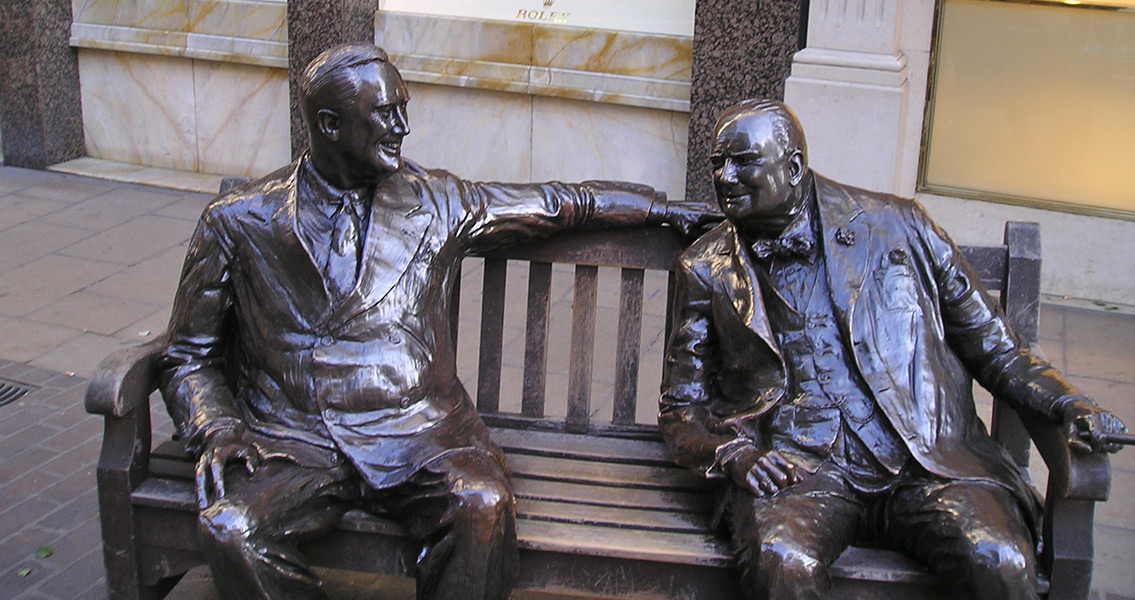
Roosevelt Announces Destroyers for Bases Agreement

Categories
News

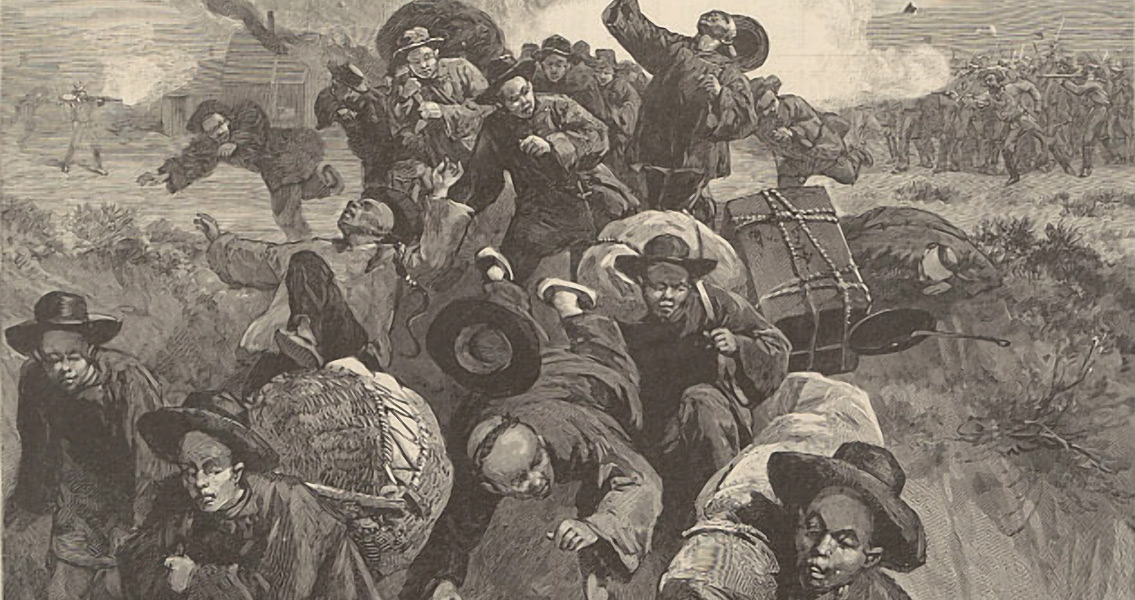
The Rock Springs Massacre

Categories
News

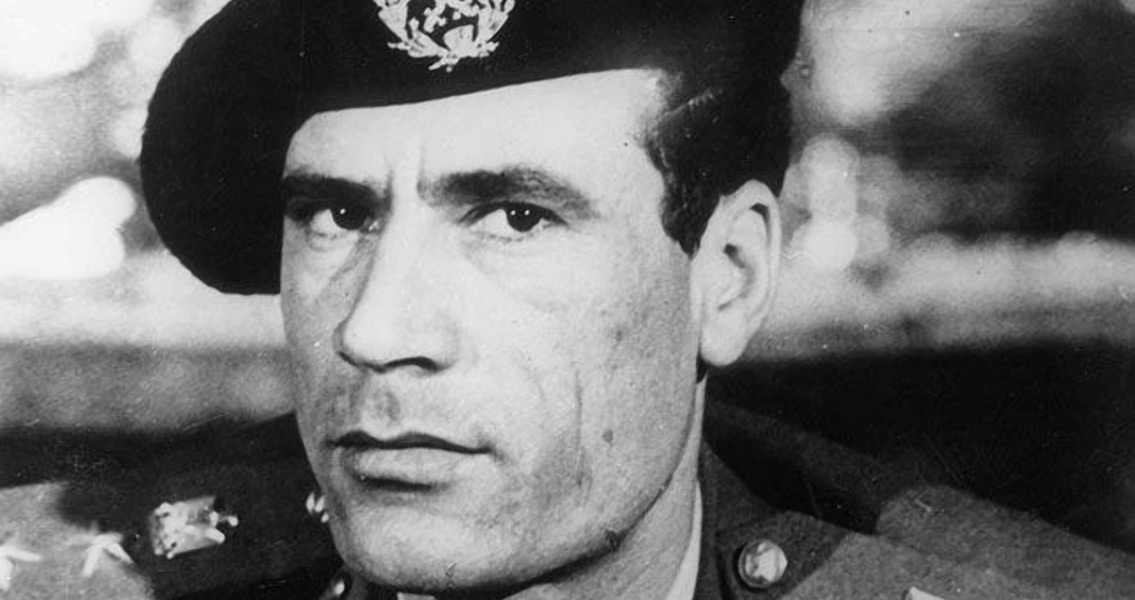
Gaddafi Seizes Power in Libya

Categories
News

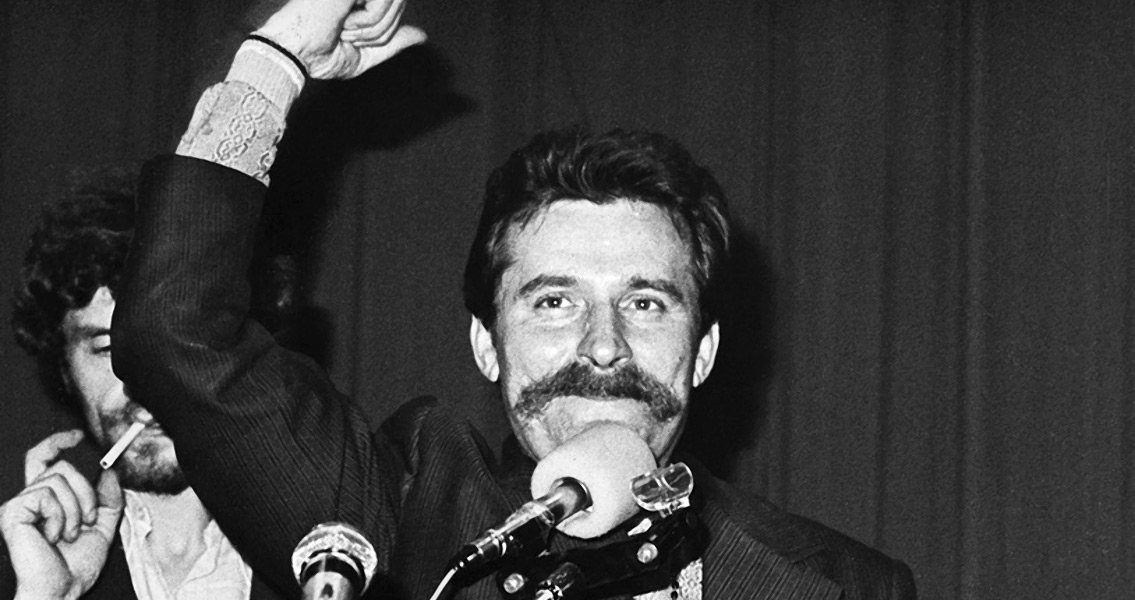
Poland's Communist Government Agrees to Strikers' Demands

Categories
News

Crucial Article on Penicillin Published

Lancet contained a study titled “Penicillin as a Chemotherapeutic Agent”, by Howard Florey and Ernst Chain. It was the first study to demonstrate the use of penicillin as a means of combating bacterial infections. For the first time the antibacterial effects of natural agents had been determined, and their application to therapeutic medicine realised. Penicillin’s importance cannot be overstated. It has played a pivotal role in the history of medicine, and the amount of lives which have been saved since its adoption is impossible to calculate. Prior to its discovery, infections such as pneumonia, gonorrhea or rheumatic fever could not be effectively treated. A simple cut or scratch could lead to lethal blood poisoning which doctors had no effective remedy for. Florey and Chain’s work expanded on an initial discovery made by Alexander Fleming in 1928. By accident Fleming had left a petri dish of staphylococcus bacteria uncovered before leaving on a vacation. Returning to his laboratory, he noticed that an area around the mold which had formed in the petri dish was completely clear of bacteria. Fleming concluded that the mold – later discovered to be Penicillium notatum – had secreted something to inhibit the bacterial growth. Through further tests he concluded that the product of the mold could kill a wide range of harmful bacteria, including streptococcus, meningococcus and diphtheria bacillus. Attempts were made to isolate the penicillin by Fleming and his assistants, but it ultimately proved too unstable. A study published by Fleming in 1929 made reference to penicillin, but its main application seemed to be as tool for bacteriologists to isolate certain bacteria in the lab. Interested in the antibacterial properties of fungal microorganisms, Florey and Chain were drawn to Fleming’s then still reasonably obscure study in penicillin. Starting in earnest in 1939, their work on the substance was crucial in both determining it could be applied to humans as a treatment, and could be manufactured on a large scale. On 25th May, 1940, they injected eight mice with hemolytic streptococci, the cause of puerperal fever. They then injected four of the mice with penicillin, and left the others untouched. A day later the four injected mice were alive and showed no signs of illness, while the other four had died. Just as significantly, to complete the experiments the two scientists and their team needed to produce over 500 litres of penicillin a week. Forming an understanding of penicillin’s chemical construction, they began to refine the process through which it could be filtered from the mold which produced it. Crucially, Norman Heatley, a member of the team, developed an extraction technique which allowed sufficient quantities of penicillin to be produced for the clinical trials. Gradually turning their Oxford laboratory into a prototype penicillin factory, the team proved that not only was penicillin capable of fighting bacteria, it could be mass produced. On 12th February 1941, Albert Alexander became the first human recipient of penicillin. The 43 year old had developed a life threatening infection while tending to his garden, one which saw him come out in huge abscesses on his eyes, face and lungs. Penicillin was injected into the patient and over the course of a few days he made a remarkable recovery – until supplies of the drug were exhausted. He quickly relapsed and ultimately succumbed to the infection. The therapeutic power of penicillin was revealed, but so too the issues with producing a sufficient supply, a situation exacerbated by Britain’s involvement in the Second World War. Within a couple of years dozens of government institutions took up production of the drug to supply to the battlefield, alongside private pharmaceutical companies such as Glaxo (what became GlaxoSmithKline). Image courtesy of Wikimedia Commons user: Brigadier Sidney Smith ]]>