Categories
Breaking News

Neanderthals Were Cannibals, Gruesome Discovery Suggests

Phys.org late last year. Helen Rougier, an anthropologist from California State University Northridge, led the team studying the broken bones. Inhabited since the Paleolithic Era, the Goyet caves first came to the attention of archaeologists and anthropologists in the nineteenth century. According to the researchers, the proof that the cuts and fractures were due to cannibalism can be found in the bones of other animals close to the caves’ entrance. Horse and reindeer bones had been broken in the same way as the Neanderthals’. Discoveries in the last few years have shown Neanderthals were much more sophisticated than the primitive cavemen they are commonly portrayed as. Studies have revealed evidence that they practiced burial rituals and made an effort to treat the bodies of their dead with care. At the same time however, there has been mounting evidence that they also practiced cannibalism. Until this latest gruesome finding, cases of cannibalism had only been found at Neanderthal sites in southern Europe, such as the El Sidron and Zafarraya sites in Spain, and the Moula-Guercy and Les Pradelles sites in the south of France. The Goyet caves however, are located in the Ardennes Forest in Belgium. The Neanderthal diet has long been a source of interest for anthropologists. Last year, a study in the American Journal of Physical Anthropology claimed that the differences between Neanderthal and modern human anatomy could be explained by differences in diet. Neanderthals were shorter and stockier than humans, with significantly wider rib cages and larger pelvises. The study claimed that these differences were the result of the Neanderthals having to adapt to a high protein diet, especially during brutally cold ice ages. It is suggested in the American Journal of Physical Anthropology study that during the coldest periods of the last ice age, Neanderthals took between 74% and 85% of their caloric intake from animal fats. With the only prey available having been large game, the authors suggest the Neanderthals experienced evolutionary adaptations in the form of bigger livers and renal systems – such adaptations would have also required morphological changes to house the expanded organs. On the other hand, it would be wrong to assume Neandethals were simply carnivores. Another 2016 study suggested that the Neanderthal diet comprised 80% meat and 20% vegetables, based on the isotope composition in the collagen found in their bones. Further stressing just how important vegetables were in the diet of our extinct cousins, a later study determined that this ratio of meat and vegetables was the same even for Neanderthals inhabiting the comparatively barren Mammoth steppe, where plants would have been much harder to come by. The age of the supposedly cannibalised bones from the Goyet Caves, roughly 40,000 years old, is hugely significant. This was a period when the Neanderthals were heading towards extinction. Homo sapiens had arrived in Eurasia, likely creating increased competition for resources and possibly even coming into direct conflict with Neanderthals. Inhabiting Eurasia for tens of thousands of years, Neanderthals were likely as diverse in their behaviour as modern humans are. Findings like those from the Goyet caves add weight to the idea that in times of desperation, the Neanderthals could have been pushed towards cannibalism. ]]>

Categories
Breaking News

DNA Tests Quash King Albert I Death Conspiracy Theory

Royalty, bought one such relic: blood stained tree leaves, determined to find out once and for all if they were truly covered in the monarch’s blood. In 2014, Professor Dieter Deforce from the University of Gent carried out tests confirming the blood was human. From there, Larmuseau and his team commenced DNA analysis to confirm whether the blood did indeed belong to King Albert I. “King Simeon II of Saxe-Coburg and Gotha, the last tsar and former prime minister of Bulgaria who is related to Albert I on his father’s side, and Anna Maria Freifrau von Haxthausen, a German baroness who is related to Albert I on her mother’s side, were willing to cooperate. They gave up DNA samples that we compared with the DNA of the trails of blood. We found that the blood is indeed that of Albert I.” said Larmuseau, in a press release from KU Leuven. “The authenticity of the trails of blood confirms the official account of the death of Albert I. The story that the dead body of the king has never been in Marche-les-Dames or was only placed there at night has now become very improbable. Furthermore, the results show that conducting a perfect legal investigation at the time was impossible right from the start, because souvenir hunters had disturbed the scene.” Larmuseau continued. Born in April 1875, King Albert succeeded to the throne in 1909. His popularity came from his refusal to allow German troops free passage through Belgium in 1914, and his personal leadership of the Belgian army during the First World War. Following the armistice, his reign was considered crucial in securing Belgium’s post war recovery. For more information: www.fsigenetics.com Image courtesy of © KU Leuven – Maarten Larmuseau ]]>

Categories
News

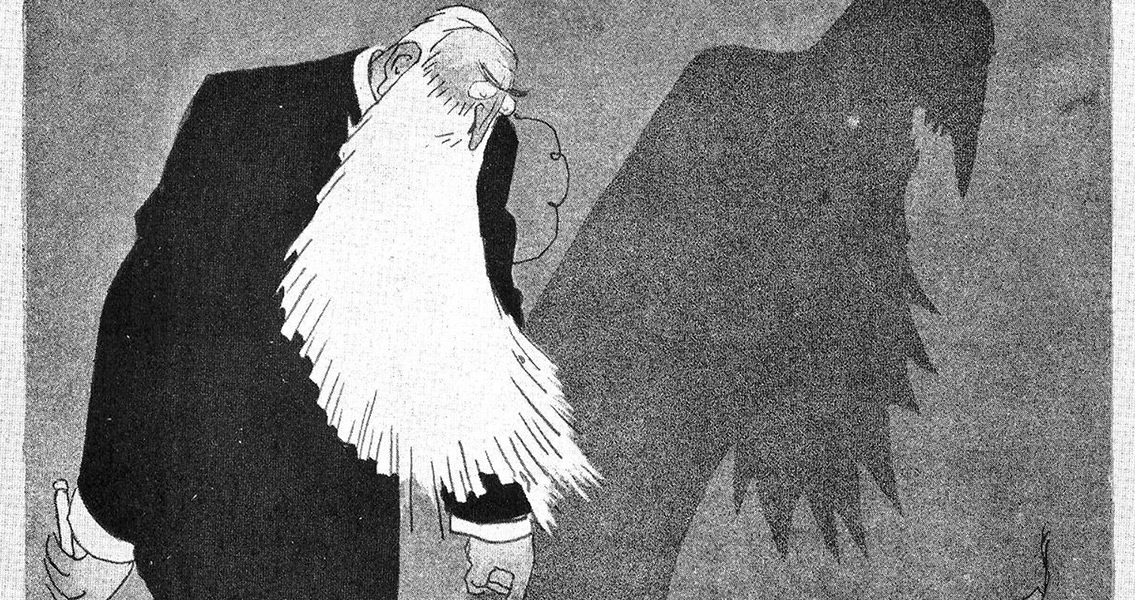
Britain Protests Congo Atrocities

Categories
Breaking News

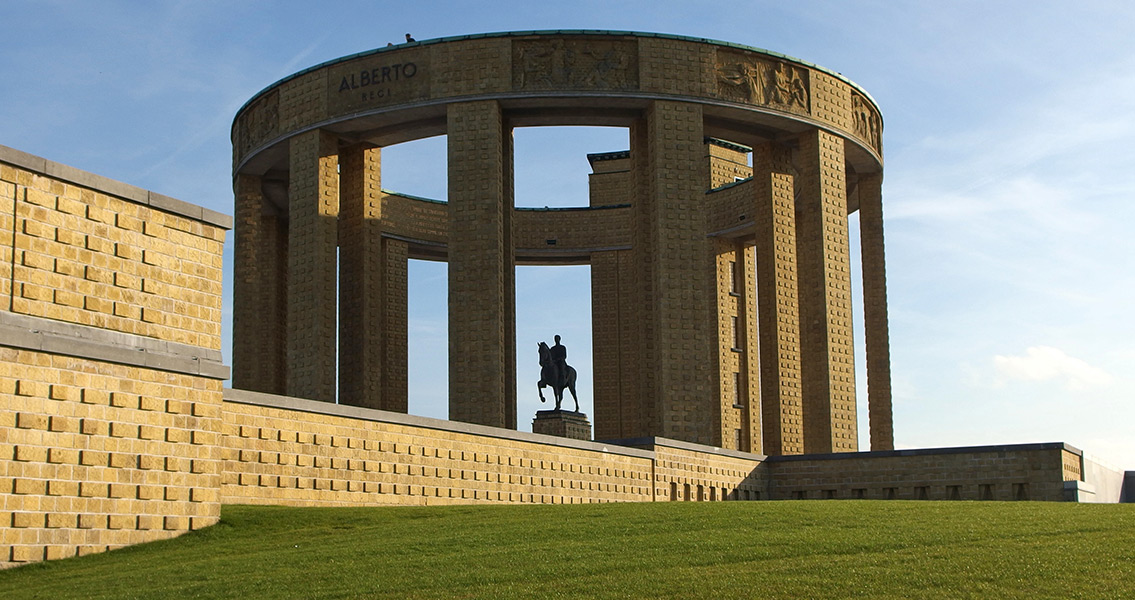
Outpouring of Grief for Belgian Monarchs Explored

Contemporary European History, has examined how these events can provide an understanding of how ceremonies of mourning reveal the relationship between European monarchies, political culture and the mass media. The deaths of major royal figures attract a lot of attention at the time in the media and subsequently in scholarly work. This academic attention has revealed some very interesting points. “Various authors have already stressed how royal funerals and state funerals can be of relevance in public politics in the modern period through the use of ritual,” de Spiegeleer wrote. One area which hasn’t been studied very much is the response of the public to royal funerals. As a result, public attitudes to royal death have not fully been explored and it is only partially understood how normal people are affected by the demise of members of their royal family. In the context of increasingly nationalised European monarchies – a process which peaked during the First World War – de Spiegeleer notes that “royal funerals became prestigious ceremonial events par excellence and gained structural meaning in this world theatre of performing monarchies and national rivalry.” In the early twentieth century, the Belgian monarchy made concerted efforts to conduct public relation campaigns. In order to survive into the new century, the Belgian royal family attempted to portray itself as the ideal Belgian family, by emphasising its members qualities and accomplishments. Of particular importance was a patriotic dedication to the nation, military successes, efforts to guarantee peace, and various charitable works. On top of this, an image of a harmonious family life was also fostered. “Misery and sudden deaths increase the public appeal of royal families because this suffering brings the royal family closer to the people,” de Spiegeleer explains, as grief is a universal emotion felt by all. “The sudden and accidental nature of their [Albert and Astrid’s] deaths fulfilled the characteristic of royal suffering.” The surge of public sympathy and loyalty towards the royal family after these sudden deaths was unprecedented in Belgian history, de Spiegeleer notes. “The ritual of the funerals became a means to publicly express emotions and collective identities and offered a cathartic pole.” Most importantly, the funerals were covered in the Belgian media, allowing mass participation in essentially private events. “Radio, cinema and the press ensured a wide coverage of the royal deaths and funeral ceremonies to a degree that justifies calling them media events,” de Spiegeleer argues. The public expressions of grief show that the Belgian public felt very close to their monarchy. Whilst expressions of grief were nuanced and varied, the mass outpouring of emotion – facilitated by the media – means that the meaning of these deaths was important in shaping inter-war Belgium. It is interesting to explore this area of history as it allows us to understand mass grief at royal death in our own time. For more information: www.journals.cambridge.org Image courtesy of Wikimedia Commons user: Mark Ahsmann]]>