Categories
Breaking News

DNA Tests Quash King Albert I Death Conspiracy Theory

Royalty, bought one such relic: blood stained tree leaves, determined to find out once and for all if they were truly covered in the monarch’s blood. In 2014, Professor Dieter Deforce from the University of Gent carried out tests confirming the blood was human. From there, Larmuseau and his team commenced DNA analysis to confirm whether the blood did indeed belong to King Albert I. “King Simeon II of Saxe-Coburg and Gotha, the last tsar and former prime minister of Bulgaria who is related to Albert I on his father’s side, and Anna Maria Freifrau von Haxthausen, a German baroness who is related to Albert I on her mother’s side, were willing to cooperate. They gave up DNA samples that we compared with the DNA of the trails of blood. We found that the blood is indeed that of Albert I.” said Larmuseau, in a press release from KU Leuven. “The authenticity of the trails of blood confirms the official account of the death of Albert I. The story that the dead body of the king has never been in Marche-les-Dames or was only placed there at night has now become very improbable. Furthermore, the results show that conducting a perfect legal investigation at the time was impossible right from the start, because souvenir hunters had disturbed the scene.” Larmuseau continued. Born in April 1875, King Albert succeeded to the throne in 1909. His popularity came from his refusal to allow German troops free passage through Belgium in 1914, and his personal leadership of the Belgian army during the First World War. Following the armistice, his reign was considered crucial in securing Belgium’s post war recovery. For more information: www.fsigenetics.com Image courtesy of © KU Leuven – Maarten Larmuseau ]]>

Categories
News

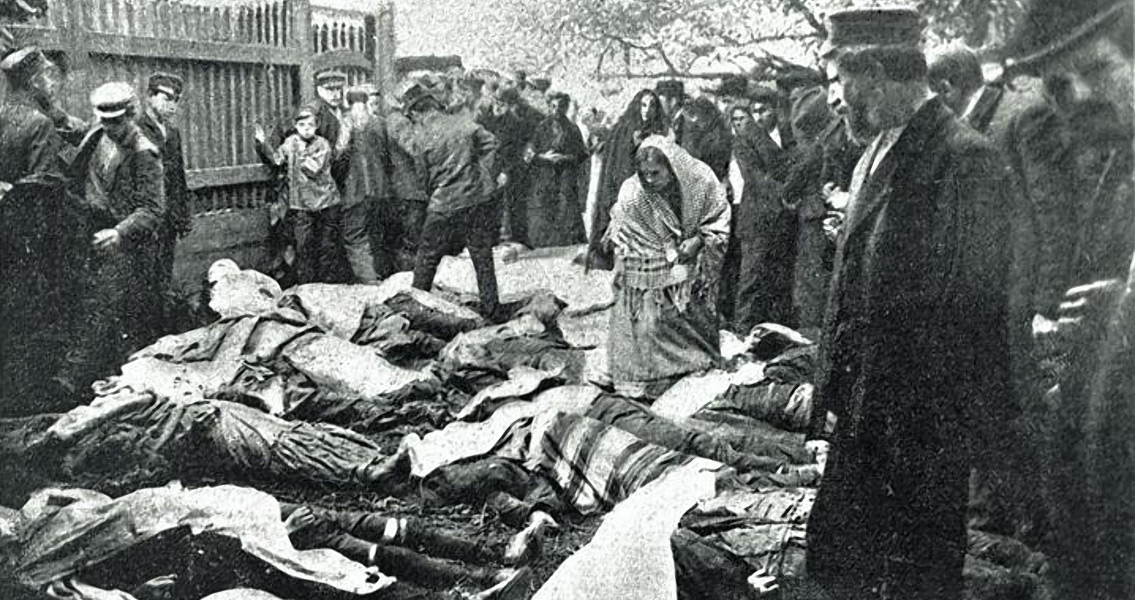
Conspiracy and Anti-Semitism Lead to Bialystok Pogrom

Categories
News

Ezra Pound, The Poet Who Supported Mussolini, is Released

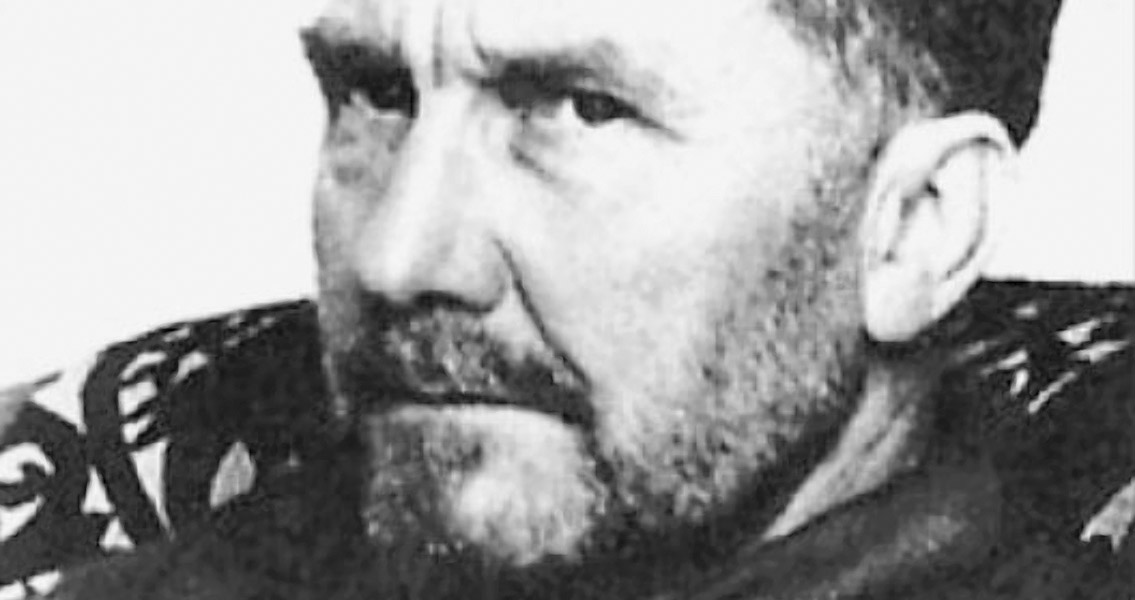
The Cantos. Combining memories, feelings and impressions from the poet’s life alongside fragments of other literature, the poem was also remarkable for revealing his growing interest in history and politics. Perhaps responding to the massive upheavals that had befallen Europe in the First World War and the decades leading to the Second, Pound became increasingly obsessed with economic history. In particular, he came to believe that misunderstanding of the financial system by governments and the general population was allowing international bankers to take advantage. This, he believed, was the main cause of war in the world. Pound’s world view ultimately led him to support Italian dictator Benito Mussolini. In 1939 he returned home to the USA, hoping he could prevent his home country going to war against the Axis powers. He soon realised he wouldn’t be able to achieve his goal, and set off for Rome. He recorded hundreds of radio broadcasts for Rome Radio, praising Mussolini, criticising the USA, and claiming that the war was the result of a Jewish conspiracy. A belief that a fascist state was the most fertile for the creation of art was another key idea behind Pound’s support for Il Duce. In 1943 Italy was invaded by the Allies, and Pound was handed over to the US forces in 1945, who soon flew him back home to stand trial for treason. He was declared insane however, and sent to St. Elizabeth’s Hospital. His incarceration lasted for close to thirteen years, but it failed to stem his creativity. He continued work on The Cantos, publishing two more volumes of what had become his life’s work, and translated works of Chinese poetry. Pound stayed visible to the public throughout his time at St. Elizabeth’s, controversially winning the Bollingen Prize while also receiving visitors and maintaining correspondence with the outside world. On 18th April 1958, Pound was declared unfit to stand trial, and all charges against him were dropped. Then, as now however, Pound’s mental state was a cause of significant controversy, with many questioning whether he was really insane. In the 1980s, a decade after Pound’s death, a series of articles were published by psychiatrists with access to newly released records, claiming that Pound had in fact been sane all along. “The Pound case is one of the earliest and most flagrant examples of the ongoing abuse of psychiatry in the American criminal-justice system. For it seems clear that one man, Dr. Overholser, decided that Pound should not stand trial for treason and then singlehandedly engineered the testimony that led to his hospital confinement.” wrote Dr. Fuller Torrey in a Psychiatry Today article in 1981, suggesting that almost every doctor who examined Pound considered him sane. After his release, Pound returned to Italy where he lived until his death in 1972. While back in Europe, he publicly declared the whole of the USA to be an ‘insane asylum’, and performed a fascist salute in public several times. Pound was a pioneer of modern literature who vocally supported the most abhorrent political idea of the twentieth century, a renowned critic who inspired debates on the very nature of sanity. Before he died he never finished The Cantos, leaving behind a sprawling, unpredictable and uncategorisable work which seems an accurate testimony to his remarkable life. This article was updated on 18th April 2016. The original wrongly suggested that Italy was invaded by the Allies in 1945, rather than 1943.]]>

Categories
News

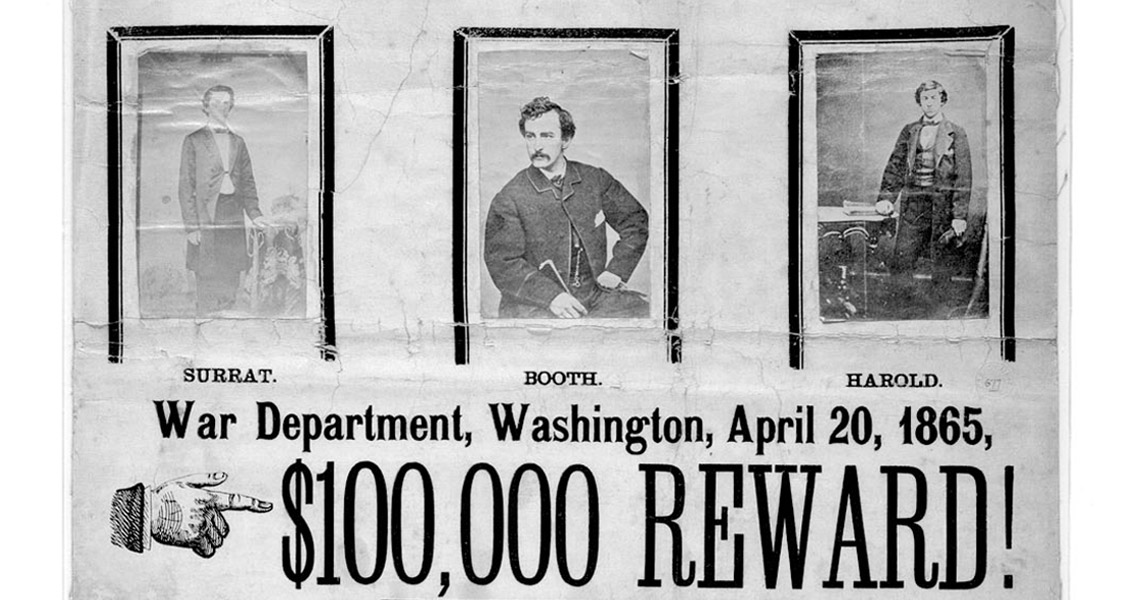
Lincoln Assassinated, Conspiracy Theories Start

Categories
Breaking News

Under Wraps – Details of Pharaoh’s Assassination Revealed

Categories
News

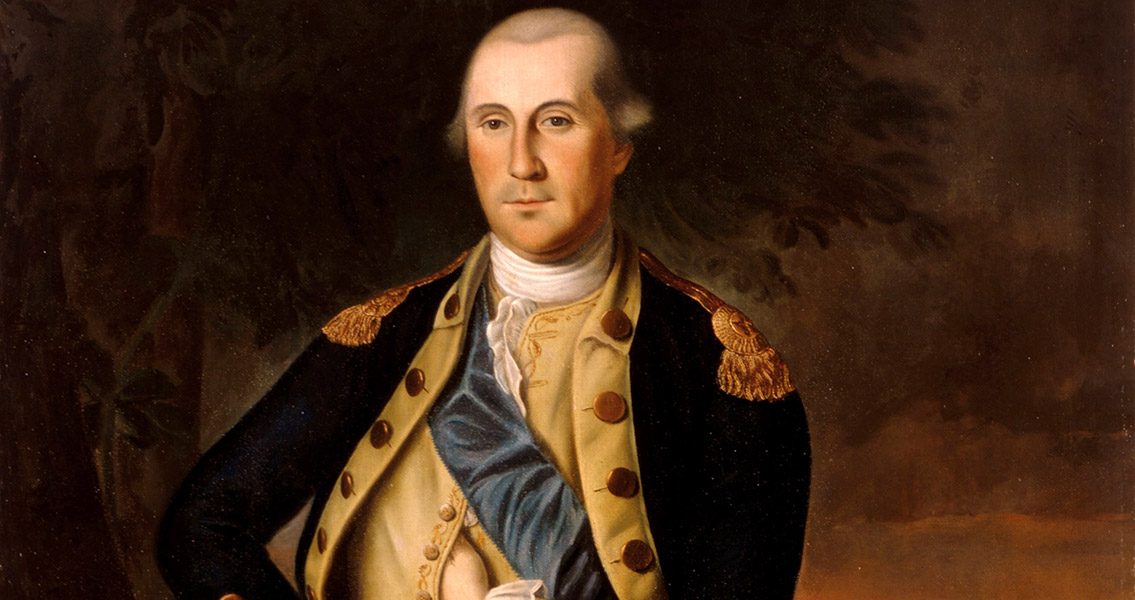
George Washington Takes On The Newburgh Conspiracy

Categories
News

Chicago 7: Sentencing in the Trial Of the Century

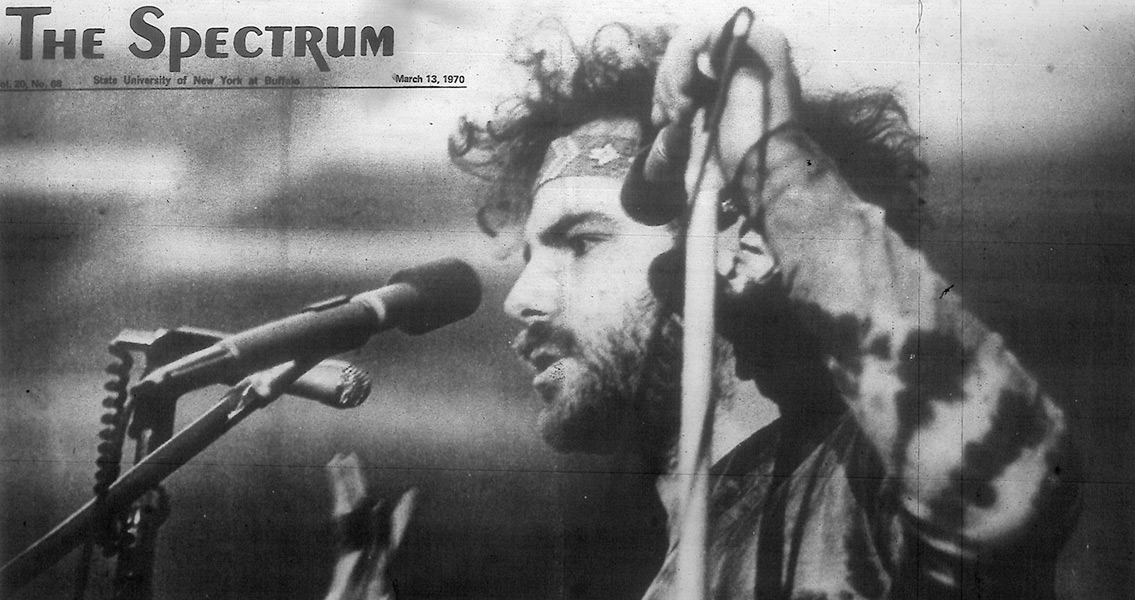
The Nation as a ‘Monumental Non-Event’. The sentencing of the Chicago Seven on 19th February 1970 brought to a close a major court case which is now, at least in some corners, dismissed as meaningless. The trial originated in the fierce anti-Vietnam War movement that had become increasingly vocal throughout the 1960s. In August 1968, a series of protests were organised at the Democratic National Convention in Chicago. Around 10,000 anti-Vietnam War protesters gathered in the city, determined to disrupt the convention as much as possible in protest at continued US involvement in the war, and other policies of Lyndon B. Johnson’s government. Chicago Mayor Richard Daley took a strict stance against the protesters, and police were deployed around the city to break up demonstrations, among other things enforcing 11pm curfews in the city’s parks where the protesters intended to congregate. The heavy handed tactics of the police saw conflicts erupt on the streets of Chicago and riots break out across the city over the course of several days. In the end, some 589 protesters were arrested, and 218 people imprisoned. Eight activists were charged for organising the riots (the Chicago Eight became the Chicago Seven when it was decided to charge one of the activists separately.) Those accused of organising the event ranged from pacifists to grass roots political activists and a member of the Black Panthers. The eight charged were: David Dellinger, a pacifist and chairman of the National Mobilization against the War; Tom Hayden and Rennie Davis, leaders of the Students for a Democratic Society, Abbie Hoffman and Jerry Rubin, leaders of the Youth International Party; John Froines and Lee Weiner, local Chicago organizers; and Bobby Seale, co-founder of the Black Panther party. A five month trial followed, which repeatedly threatened to descend into farce. All of the defendants were charged with conspiracy to incite a riot. Bobby Seale started to disrupt the trial in protest at not being represented by the lawyer he had chosen. After gagging and bounding him to a seat failed to stop his loud protests, the judge ordered that Seale be tried separately, leaving the Chicago Seven. A key piece of evidence for conspiracy used against them was an activist meeting several months before the Democratic National Convention. Controversy was never far from the trial. Many observers accused the highly conservative Judge Julius Hoffmann of having a bias against the defendants, citing his rejection of many of the defense’s pre-trial motions, despite having accepted most of those requested by the prosecution. The defendants also did their best to disrupt the trial, eating jelly beans, wearing outlandish clothes and cracking jokes to trivialise the whole thing and poke fun at the US legal system. Daily protests outside the courthouse took place in solidarity with the defendants. Increasingly, the event became a public spectacle. The defence argued the charges were an official over reaction. A host of singers, artists and activists were brought into court in an attempt to explain what the demonstrators objected to in American society, turning the trial into a platform for their anti-establishment views. At the end of the trial, five of the defendants, Rubin, Hoffman, Hayden, Davis and Dellinger, were found guilty of inciting riots but not conspiring to do so. Weiner and Froines were acquitted of all charges. However, all seven defendants, along with two defence lawyers and Seale, were sentenced to jail time for contempt of court. Ultimately, none of the Chicago Seven served jail time. In 1972, a Court of Appeal overturned the convictions, pointing to Judge Hoffman’s hostility to the defendants and procedural errors. Although often called meaningless, generally in reference to the fact the defendants were charged and not jailed; and the severity of the charges against them had been reduced, the Chicago Seven trial was important in giving a very public platform to critics of the Vietnam War.]]>

Categories
News

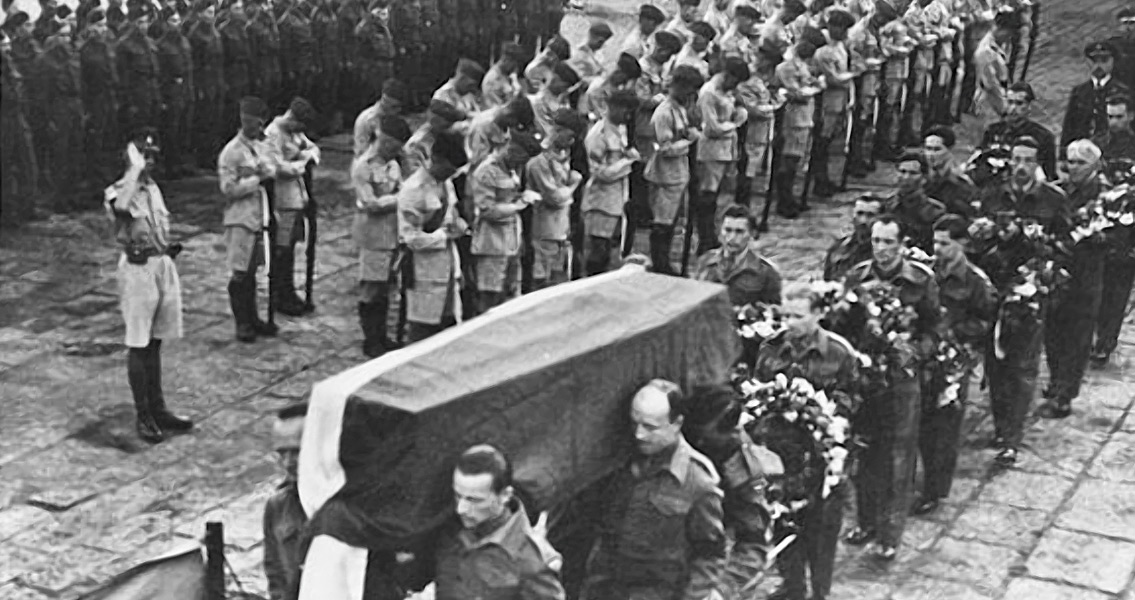
Władysław Sikorski Killed in Plane Crash

Categories
News

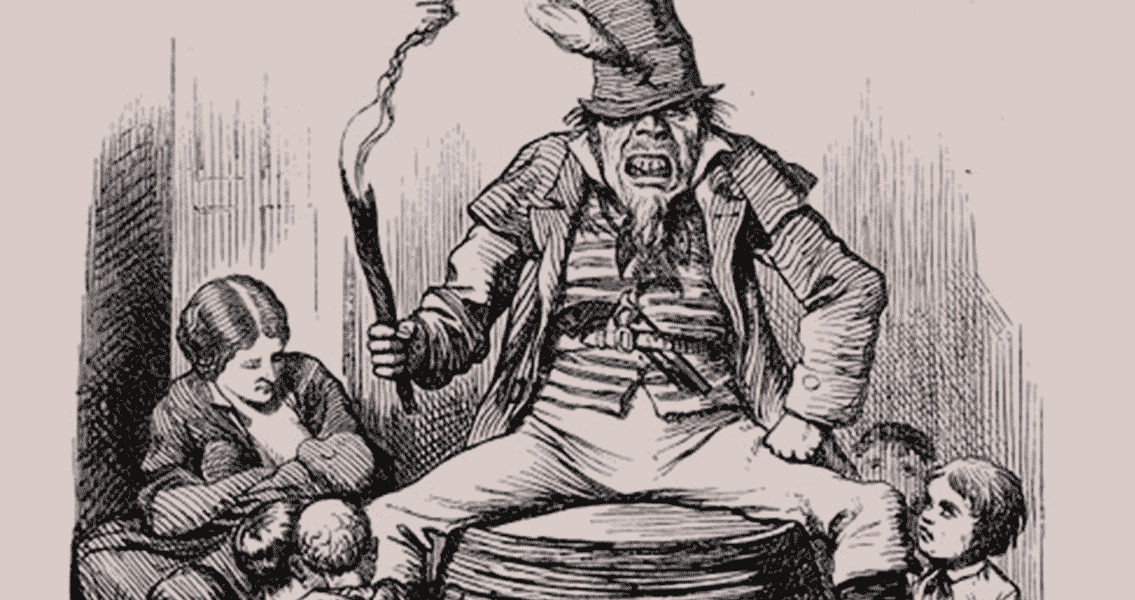
5th November – Guy Fawkes the Politics Behind the Effigy

Categories
Editorial

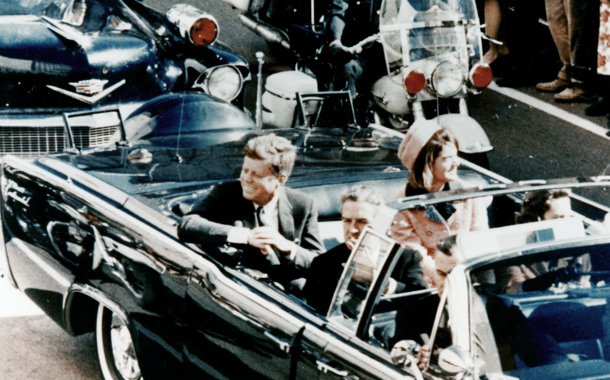
The Warren Commission Fifty Years On