Categories
Breaking News

14,400-year-old flatbread proves baking predates agriculture by 4,000 years

14,000 year old food practices The excavation at Shubayqa 1 has unearthed 254 examples of food remains. Charred evidence of a flatbread baked 14,400 years ago has caused researchers to confirm that baking predates the advent of agriculture by at least 4,000 years. The findings indicate that bread production encouraged gatherer-hunters to cultivate cereals – therefore contributing to the agricultural revolution in the Neolithic period. The research team was comprised of academics from the University of Copenhagen, University College London and the University of Cambridge. [caption id="attachment_8845" align="aligncenter" width="500"] Dr. Amaia Arranz-Otaegui and Ali Shakaiteer sampling cereals in the Shubayqa area. Credit: Joe Roe[/caption]

From calories to culture: the evolution of eating

Nutritionally speaking, the process of making bread is entirely uneconomic. After harvesting wild cereals, the people of Shubayqa 1 had to separate the seeds, grind them down, make the dough, flatten the dough and cook it. They would have suffered a net loss of calories during the process – which suggests that the bread was not made for survival purposes. That leads us to the idea that this discovery represents a pivot in the history of human eating practices. No longer were people seeking pure nutrition from their food. For the people of Shubayqa 1, eating was now imbued with cultural, social and perhaps ideological significance. To strengthen this theory, the date and location of the flatbread places it close to the erection of the world’s oldest monumental buildings. Inside, ceremonies and rituals took place; perhaps with the first instances of socio-ideological feasting. [caption id="attachment_8846" align="aligncenter" width="500"] One of the stone structures of the Shubayqa 1 site. The fireplace, where the bread was found, is in the middle. Credit: Alexis Pantos[/caption]

Sedentary lifestyles lead to diet changes

The Danish Council for Independent Research has recently approved further funding for research into food production during the transition to the Neolithic period. University of Copenhagen archaeologist Tobias Richter, who led the excavations at Shubayqa 1 in Jordan, comments: “Natufian hunter-gatherers are of particular interest to us because they lived through a transitional period when people became more sedentary and their diet began to change.”

What came first: the chicken or the bread?

Professor Dorian Fuller from the UCL Institute of Archaeology says: “That it was produced before farming methods suggests it was seen as special, and the desire to make more of this special food probably contributed to the decision to begin to cultivate cereals.” Richter continues: “The flat bread found at Shubayqa 1 is the earliest evidence of bread making recovered so far, and it shows that baking was invented before we had plant cultivation. “So this evidence confirms some of our ideas. Indeed, it may be that the early and extremely time-consuming production of bread based on wild cereals may have been one of the key driving forces behind the later agricultural revolution where wild cereals were cultivated to provide more convenient sources of food.” The discovery comes shortly after new research revealed that barley spread across the world via multiple routes – suggesting human choices were made based on nutritional and perhaps cultural needs. Read more here.]]>

Categories
Breaking News

How barley spread across the world & helped culture formation

Different routes – an indicator of different cultures? Due to the fact that there were a number of different eastward routes for the spread of the barley population, the study suggests humans were choosing routes based on particular attributes of acting according to environmental adaptation. Choice and environment, therefore, are crucial factors for the spread of staple foods in prehistory. These different routes include ones to the north and south of the Iranian Plateau; through the Inner Asian Mountain Corridor in Central Asia, possibly connecting up to the Chinese section of the Silk Road; a high altitude spread on the southern edge of the Tibetan Plateau; a high latitude spread through the northern steppe; two distinct spreads into Japan; and a maritime route from South Asia. As previous research has provided radiocarbon dates, we know when the routes were followed. [caption id="attachment_8836" align="aligncenter" width="728"] Map showing proposed routes of spread of six different ancestral populations of barley landraces. Direct radiocarbon dates from archaeological barley grain have enabled the timing of these different routes to be elucidated. Credit: D. Lister[/caption]

Impacting rice-growing in East Asia

Lead author Dr Diane Lister, a researcher at the McDonald Institute for Archological Research at the University of Cambridge, says: “One barley population is widespread, particularly around the coastlines. This population may have travelled eastwards via a maritime route from South Asia, via Southeast Asia. This particular population is made up of winter-sown varieties of barley, which are thought to be important in rice-growing areas of East Asia, where a crop of rice is commonly grown in the summer months, and barley adapted to winter-sowing regimes can be planted after the rice harvest. The development of multi-cropping practices during prehistory is thought to have greatly increased productivity and stability, enabling more complex societies to develop.” [caption id="attachment_8837" align="aligncenter" width="257"] Diane Lister at work in the Glyn Daniel laboratory for archaeogenetics at the McDonald Institute for Archaeological Research, University of Cambridge Credit: A. Clarke[/caption]

Moulding Tibetan culture

“Another barley population predominates on the high Tibetan Plateau. This barley has a naked grain, making it a particularly attractive staple, as it doesn’t require the pearling process that hulled barley requires for human consumption. Along with the herding of yak, this naked type of barley is an essential for the Tibetan way of life, and their importance are clearly seen in the offerings of naked barley grains and yak butter in Tibetan Buddhist temples around the region. The staple carbohydrate eaten by the Tibetans is tsampa, made from roasted naked barley flour and mixed with salty Tibetan butter tea.” [caption id="attachment_8835" align="aligncenter" width="590"] Ethnically Tibetan women winnowing naked barley on a road on the edge of the Tibetan Plateau, near Xiahe, Gansu Province, China.
Photo credits Diane Lister[/caption]

New findings contribute to conversation around climate change

So what does this mean for today? Lister concludes: “Barley is an extremely hardy crop, able to grow in regions where other crops are unable to grow, and is an important staple in such environments. Understanding the spread of its cultivation during prehistory, and the various factors that affected its establishment in different regions of Eurasia, will contribute towards our understanding of climate change and its current and future effects on agriculture.” The paper has been published as a part of the Food Globalization in Prehistory project, funded by the European Research Council and awarded to Prof. Martin Jones. Additional funding was provided by a Royal Society International Joint Project grant.]]>

Categories
Breaking News

How intense Ice Age fishing led to the invention of pottery as we know it

Jōmon pottery from the Kanagawa Prefecture, Japan. Credit: Nara National Research Institute for Cultural Properties.[/caption] Examined over a course of three years by researchers from Japan, the Netherlands, Sweden and the University of York’s BioArCh, the findings indicate that ceramics were used by our gatherer-hunter ancestors to initially store and process fish. As fishing techniques evolved and intensified, the range extended to include shellfish, freshwater and marine fish and even mammals. Until recently, ceramic vessels were associated with the arrival of farming. This study, however, debunks that theory. We now know that pottery was a much earlier gatherer-hunter innovation, and was used for the consumption of fish. Professor Oliver Craig, from the Department of Archaeology and Director of the BioArCh research centre at York, who led the study, said: “Our results demonstrate that pottery had a strong association with the processing of fish, irrespective of the ecological setting.” Some of the pottery dates from the end of the Late Pleistocene period: a time when our ancestors were navigating glacial conditions. Other ceramics included in the study are from the post-glacial period, when the climate reached a level close to our current temperature, allowing pottery to be produced in a much greater quantity. Craig continues: “Contrary to expectations, this association remained stable even after the onset of warming, including in more southerly areas, where expanding forests provided new opportunities for hunting and gathering. “The results indicate that a broad array of fish was processed in the pottery after the end of the last Ice Age, corresponding to a period when hunter-gatherers began to settle in one place for longer periods and develop more intensive fishing strategies. [caption id="attachment_8832" align="aligncenter" width="634"] A reconstructed early pottery vessel from Torihama, Japan, dating to the end of the Late Pleistocene (ca 12,000 years old). Chemical analysis revealed that such vessels were used to process fish during the late Glacial period. Credit: Wakasa History and Folklore Museum, Fukui, Japan[/caption] “We suggest this marks a significant change in the role of pottery of hunter-gatherers, corresponding massively increased volume of production, greater variation in forms and sizes and the onset of shellfish exploitation.” Researchers used advanced technologies to recover diagnostic lipids from the charred surface deposits of the vessels. Most of the compounds derive from the processing of freshwater or marine organisms. Because of findings like this, we now know that ceramics played a key role in the ways pre-historic gatherer-hunters consumed fish. Lead author, Dr Alex Lucquin, from BioArCh, Department of Archaeology, University of York, said: “Thanks to the exceptional preservation of traces of animal fat, we now know that pottery changed from a rare and special object to an every-day tool for preparing fish. “I think that our study not only reveals the subsistence of the ancient Jomon people of Japan but also its resilience to a dramatic change in climate.” Dr Simon Kaner, from the University of East Anglia, who was also involved in the study, added: “The research highlights the benefits of this kind of international collaboration for unlocking some of the big questions about the human past, and the potential of engaging with established research networks as created by the Sainsbury Institute over the years.”]]>

Categories
Breaking News

Neanderthals Were Cannibals, Gruesome Discovery Suggests

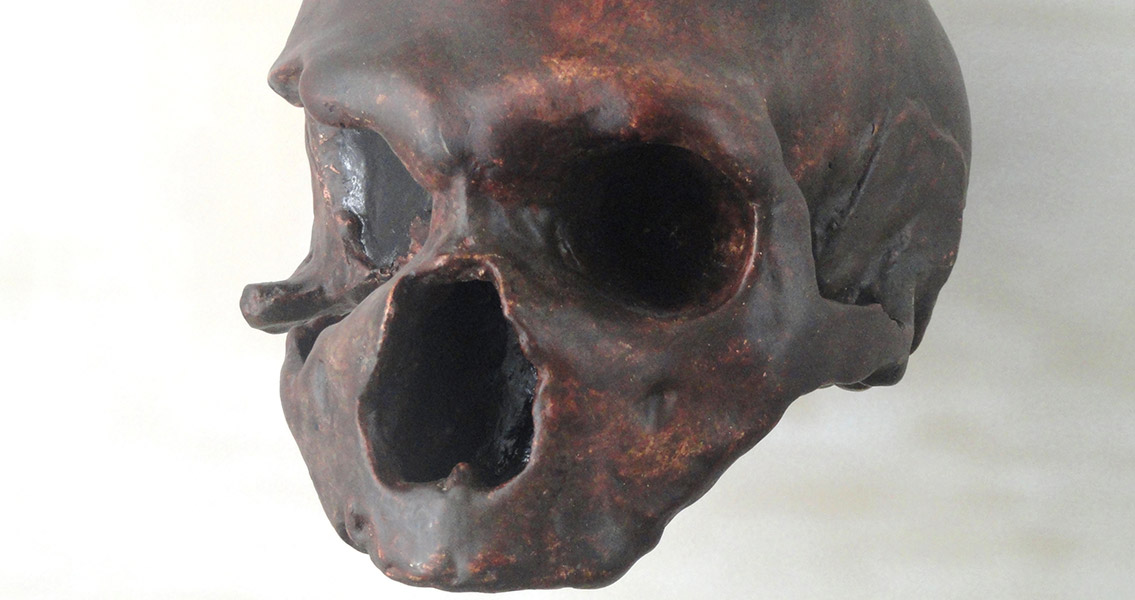
Phys.org late last year. Helen Rougier, an anthropologist from California State University Northridge, led the team studying the broken bones. Inhabited since the Paleolithic Era, the Goyet caves first came to the attention of archaeologists and anthropologists in the nineteenth century. According to the researchers, the proof that the cuts and fractures were due to cannibalism can be found in the bones of other animals close to the caves’ entrance. Horse and reindeer bones had been broken in the same way as the Neanderthals’. Discoveries in the last few years have shown Neanderthals were much more sophisticated than the primitive cavemen they are commonly portrayed as. Studies have revealed evidence that they practiced burial rituals and made an effort to treat the bodies of their dead with care. At the same time however, there has been mounting evidence that they also practiced cannibalism. Until this latest gruesome finding, cases of cannibalism had only been found at Neanderthal sites in southern Europe, such as the El Sidron and Zafarraya sites in Spain, and the Moula-Guercy and Les Pradelles sites in the south of France. The Goyet caves however, are located in the Ardennes Forest in Belgium. The Neanderthal diet has long been a source of interest for anthropologists. Last year, a study in the American Journal of Physical Anthropology claimed that the differences between Neanderthal and modern human anatomy could be explained by differences in diet. Neanderthals were shorter and stockier than humans, with significantly wider rib cages and larger pelvises. The study claimed that these differences were the result of the Neanderthals having to adapt to a high protein diet, especially during brutally cold ice ages. It is suggested in the American Journal of Physical Anthropology study that during the coldest periods of the last ice age, Neanderthals took between 74% and 85% of their caloric intake from animal fats. With the only prey available having been large game, the authors suggest the Neanderthals experienced evolutionary adaptations in the form of bigger livers and renal systems – such adaptations would have also required morphological changes to house the expanded organs. On the other hand, it would be wrong to assume Neandethals were simply carnivores. Another 2016 study suggested that the Neanderthal diet comprised 80% meat and 20% vegetables, based on the isotope composition in the collagen found in their bones. Further stressing just how important vegetables were in the diet of our extinct cousins, a later study determined that this ratio of meat and vegetables was the same even for Neanderthals inhabiting the comparatively barren Mammoth steppe, where plants would have been much harder to come by. The age of the supposedly cannibalised bones from the Goyet Caves, roughly 40,000 years old, is hugely significant. This was a period when the Neanderthals were heading towards extinction. Homo sapiens had arrived in Eurasia, likely creating increased competition for resources and possibly even coming into direct conflict with Neanderthals. Inhabiting Eurasia for tens of thousands of years, Neanderthals were likely as diverse in their behaviour as modern humans are. Findings like those from the Goyet caves add weight to the idea that in times of desperation, the Neanderthals could have been pushed towards cannibalism. ]]>

Categories
Breaking News

Barren Tundra Couldn't Put Neanderthals Off Vegetables

study from scientists at the Senckenberg Center for Human Evolution and Palaeoenvironment (HEP) in Tübingen analysed the bone collagen of Neanderthal remains from two sites in Belgium and concluded that the Neanderthals there at least had a diet of roughly 80% meat, 20% vegetables. Power took advantage of innovative new methods to determine the diet of Neanderthals who lived in the Mammoth steppe region. Until recently there was a distinct lack of ways to trace prehistoric food consumption; restricting research into ancient diets. Power used cutting edge microscopy methods to analyse food consumption in Neanderthals. By studying microbotanical particles in the plaque of Neanderthals from six different sites, including Croatia, Italy and Russia, he found that Neanderthals from all of the regions regularly ate plants and vegetables. To verify the accuracy of using tooth plaque to reconstruct diets, Power performed similar tests on the teeth of a group of recently deceased chimpanzees. The diet of those chimpanzees had been monitored for over twenty years, and the test results showed that teeth plaque did indeed reflect diet over an extended period of life. Crucially, by comparing data from different climatic regions and periods, Power showed that whatever the conditions or time, plants were consistently a significant part of the Neanderthal diet. It’s a conclusion which begins to throw serious doubt on the idea that a limited diet was a key driver of the Neanderthals’ extinction. It also adds to the ever more complicated image forming of the Neanderthals, with a stream of new evidence showing they were perhaps not as simple as popularly thought. “One of the big lessons of my work on Neanderthals was that the only reason we find the result surprising is that we expect Neanderthals to resemble modern human hunter gatherers in the way they foraged for food, but they didn’t.” Power explained in a Universiteit Leiden press release. “In the past we saw them as primitive cavemen with very basic behaviour, but now we have updated our view and see them as very modern. But that doesn’t mean we can afford to pigeonhole Neanderthals into our own particular version of humanity. They had their own unique pattern.” Beyond raising questions about the extent to which we should consider Neanderthals ‘primitive’, Power’s study also throws into doubt ideas about the Mammoth steppe; showing how much still needs to be learnt about the Pleistocene epoch. As Power explained: “The Mammoth steppe is an environment that we don’t really understand because it no longer exists due to climate change and megafauna extinction. It may well be that these ancient grasslands were far more useful to Neanderthals than we thought.” ]]>

Categories
Breaking News

High Protein Diet Caused Differences Between Neanderthals and Humans

homo sapiens‘ closest extinct relatives. Although bearing many physical similarities to a modern human, there is no doubt that the two species are markedly different in appearance. Neanderthals were shorter and stockier than humans, with significantly wider rib cages and larger pelvises. Published in the July edition of the American Journal of Physical Anthropology, the new study argues that these differences were the result of Neanderthals having to adapt to a high-protein diet. The conclusion was reached using a model the researchers developed to detect dietary stress. Neanderthals lived in Ice-Age Europe, demonstrating remarkable resilience by surviving the brutally cold conditions. The authors of the study, from the Tel-Aviv University (TAU) in Israel, suggest that Neanderthals changed their diets during the coldest periods of the Ice Age, taking between 74% and 85% of their caloric intake from animal fat when carbohydrates weren’t available. However, during winter, large animals shed some of their fat content, a fact which according to the model developed by the researchers would have led to a “significant stressful dietary fat deficit” for the Neanderthals. The authors suggest that this deficit could have been ameliorated by an increased capability to convert protein into energy. “Given that high protein consumption is associated with larger liver and kidneys in animal models, it appears likely that the enlarged inferior section of the Neandertals’ thorax and possibly, in part, also his wide pelvis, represented an adaptation to provide encasement for those enlarged organs.” the authors write, in the abstract to their study. “During harsh Ice-Age winters, carbohydrates were scarce and fat was in limited supply. But large game, the typical prey of the Neanderthal, thrived,” explained study coauthor Miki Ben-Dor, of the Department of Archaeology and Ancient Near Eastern Cultures at TAU, in an interview with the Pakistan Observer. “This situation triggered an evolutionary adaptation to a high-protein diet – an enlarged liver, expanded renal system and their corresponding morphological manifestations. All of these contributed to the Neanderthal evolutionary process.” Ben-Dor continued. The liver is the organ responsible for converting protein into energy, and is therefore likely to enlarge with a high protein diet. Such a diet also increases metabolism, placing a greater demand on the kidneys and bladder to remove toxic urea, and in turn leading to their enlargement. Consequently, the study reasons, Neanderthal pelvises and rib cages had to evolve to house these larger organs. Protein only makes up 30% of the diet for homo sapiens on the other hand, meaning humans have a limited ability to convert protein to energy. Homo sapiens therefore increase their intake of fat and carbohydrates to meet their nutritional needs. ]]>

Categories
Breaking News

Medieval Social Status Found to be Connected to Lifespan

Categories
Breaking News

New Study Shows Diversity of Neanderthal Diet

Categories
Breaking News

Early Humans Had a Taste for Tortoises

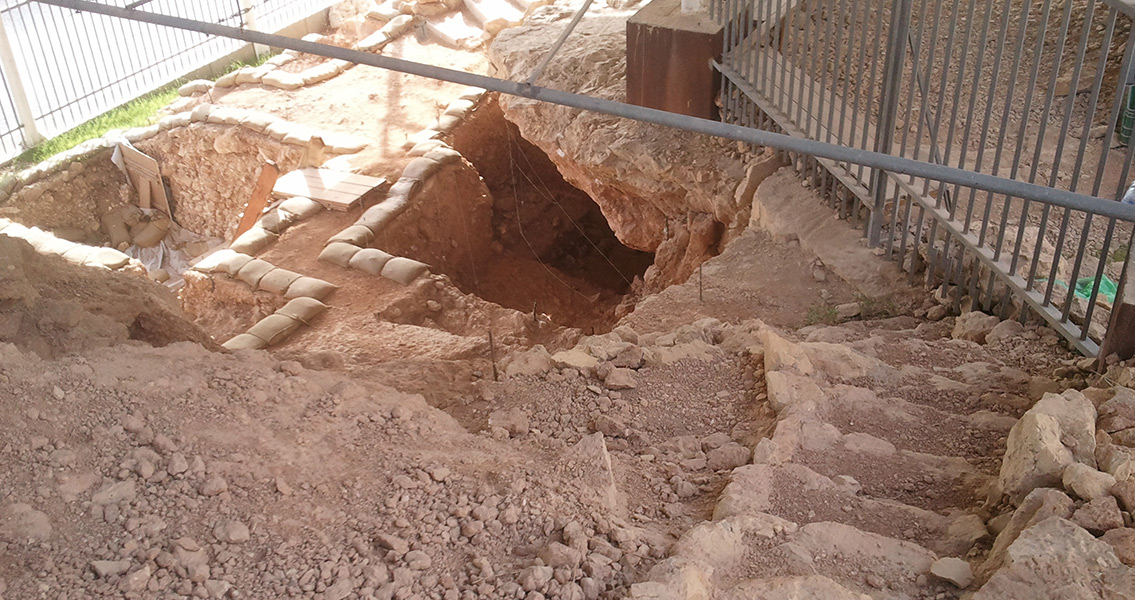
Quaternary Science Reviews. The discovery, made at the Qesem Cave near Tel Aviv, Israel, has the potential to dramatically change our assumptions about the diet of Lower Paleolithic early humans. Turtles and tortoises are rarely consumed today, with many species of the animals endangered as a result of extensive hunting by humans, and their low breeding rates which make it hard for their populations to recover following the loss of males at breeding age. Nevertheless, the meat is still consumed in some parts of the world, particularly in the countries of South East Asia, where turtle soup is regarded as a delicacy. Qesem Cave is located 12km east of Tel Aviv, in a region of hilly limestone terrain roughly 90 m above sea level. A major part of the cave’s stratigraphic sequence was revealed in the year 2000, after road construction works destroyed the cave’s ceiling. It is believed that human occupation of the cave began sometime before 382,000 years ago, and continued until around 200,000 years ago. Researchers from Tel Aviv University, in collaboration with scholars from universities in Germany and Spain, have discovered evidence of tortoise remains at the site, suggesting early humans took to eating tortoises alongside the large game and vegetable material considered to have made up most of their diet. Led by Dr. Ruth Blasco of the Centro Nacional de Investigacion Sobre la Evolucion Humana (CENIEH), Spain, and Tel Aviv University’s Institute of Archaeology, together with Prof. Ran Barkai and Prof. Avi Gopher of TAU’s Department of Archaeology and Ancient Near Eastern Civilizations; the study provides insights into the surprisingly broad diet of early humans, and their mastery of the tools necessary to prepare tortoise. “Until now, it was believed that Paleolithic humans hunted and ate mostly large game and vegetal material”, said Prof. Barkai in a press release. “Our discovery adds a really rich human dimension — a culinary and therefore cultural depth to what we already know about these people.” The tortoise specimens are particularly interesting as they open a window onto the surprisingly modern methods these Paleolithic humans used to prepare their food. “According to the marks (on the specimens), most of the turtles were roasted in the shell,” Prof. Barkai explained. “In other cases, their shells were broken and then butchered using flint tools. The humans clearly used fire to roast the turtles. Of course they were focused on larger game, but they also used supplementary sources of food — tortoises — which were in the vicinity.” Significantly, the tortoises were found at different levels throughout the cave, suggesting that they had been a part of the inhabitants’ diet for the entirety of the 200,000 or so years the cave was inhabited. How early human diets developed is an issue currently under reexamination. Until recently, it was believed that they had a diet made up mostly of large game such as deer, horse and cattle: fatty meats which gave these early hunter-gatherers the calories they needed to survive. The diversification into a diet which included vegetables and smaller animals was believed to have been a development in later Homo sapiens, but the evidence found at Qesem cave suggests that the early human diet was in fact much more diverse than previously thought. “We know by the dental evidence we discovered earlier that the Qesem inhabitants ate vegetal food,” said Prof. Barkai. “Now we can say they also ate tortoises, which were collected, butchered and roasted, even though they don’t provide as many calories as fallow deer, for example.” Why these early humans elected to eat tortoises, an animal which offers significantly fewer calories, remains a mystery, but the team have some theories, as Dr Blasco explained in the press release. “In some cases in history, we know that slow-moving animals like tortoises were used as a ‘preserved’ or ‘canned’ food. Maybe the inhabitants of Qesem were simply maximizing their local resources. In any case, this discovery adds an important new dimension to the knowhow, capabilities and perhaps taste preferences of these people.” For more information: www.sciencedirect.com Image courtesy of Wikimedia Commons user: 66AVI]]>

Categories
Breaking News

Stonehenge Builders Feasted on Meat and Dairy

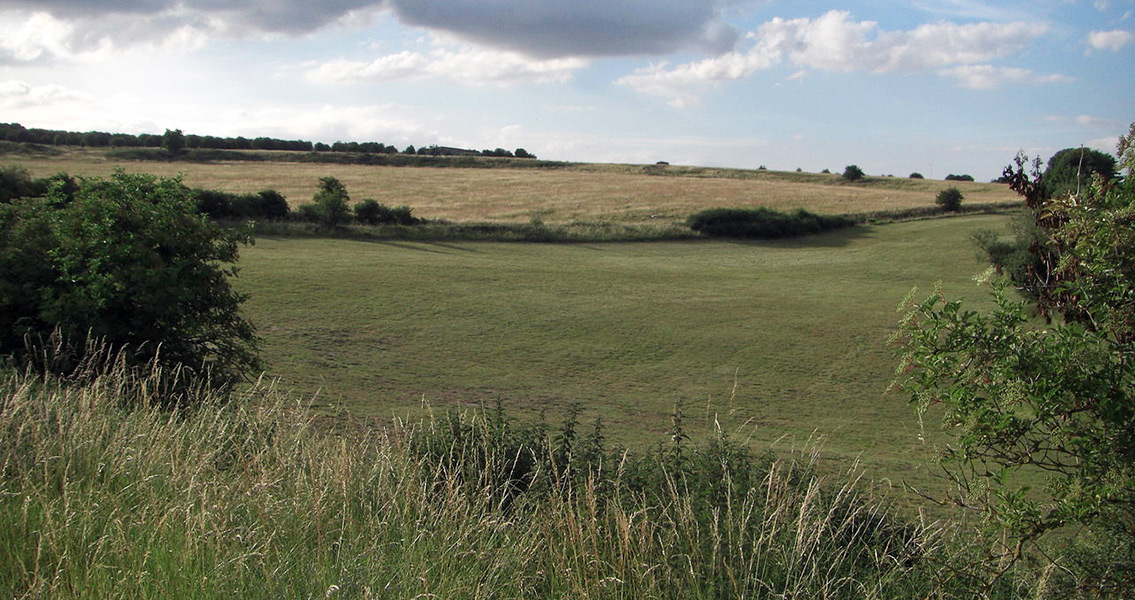
”Feeding Stonehenge: cuisine and consumption at the Late Neolithic site of Durrington Walls” ]]>