Categories
Breaking News

Evidence Shows Early Humans Travelled to Stonehenge Before it was Built

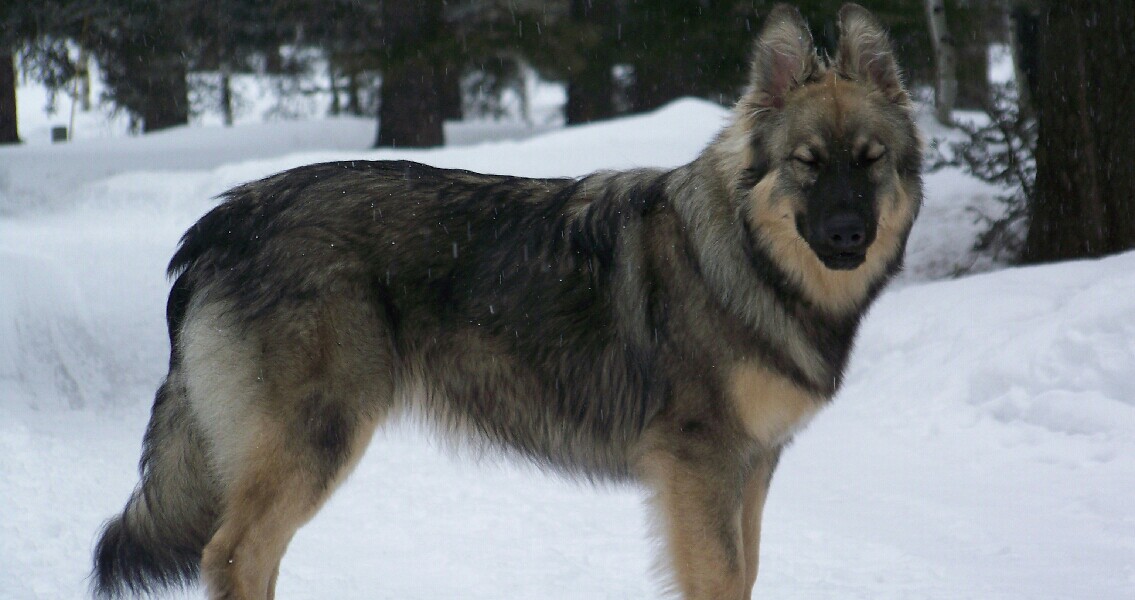
Guardian the discovery was: “a world first, it’s a big deal,” adding that the information substantially increases what’s known about the site, saying, “It is very hazy and this evidence just makes the glass slightly less dark, it is a significant movement forwards.” “It is an amazing sequence. There is nothing like it in Europe and now we’ve got this evidence from the dog you start to piece it together. You can see that this place seems to have been special to not just local people, it seems to have been drawing in people from long distances away and the sort of distances you would not expect for mobile hunter-gatherers.” Researchers theorize that the dog would have been similar in color, size and shape to an alsatian, although with more wolf-like features. Other artifacts include the bones of oxen (known as aurochs), trout and salmon, as well as frog’s legs – which were staples of people’s diets long before they were synonymous with French cuisine. “Discoveries like this give us a completely new understanding of the establishment of the ritual landscape and make Stonehenge even more special than we thought we knew it was,” Jacques is quoted as saying in the Guardian. The tooth also raises questions as to why humans would travel such a distance and may indicate that Stonehenge was a hub of some sort. Previous excavations have unearthed a slate tool from Wales as well as stone tools from central and west England. Additionally, at the end of the Ice Age, Blick Mead would have been an attractive gathering place with a natural spring and easy access from the nearby Avon river. Numerous deer and aurochs bones at the site also support the idea that massive extinct prehistoric cattle grazed there. “The fact that a dog and a group of people were coming to the area from such a long distance away further underlines just how important the place was four millennia before the circle was built,” Jacques told the Guardian, “A dog tooth from York, a slate tool from Wales and a stone tool from the Midlands show that this wasn’t just the place to live at the end of the Ice Age, but was known by our ancestors for a long time widely across Britain. They kept coming here.” ]]>
Categories
Breaking News

Fossil of 12-Million-Year-Old Canine Discovered in Maryland

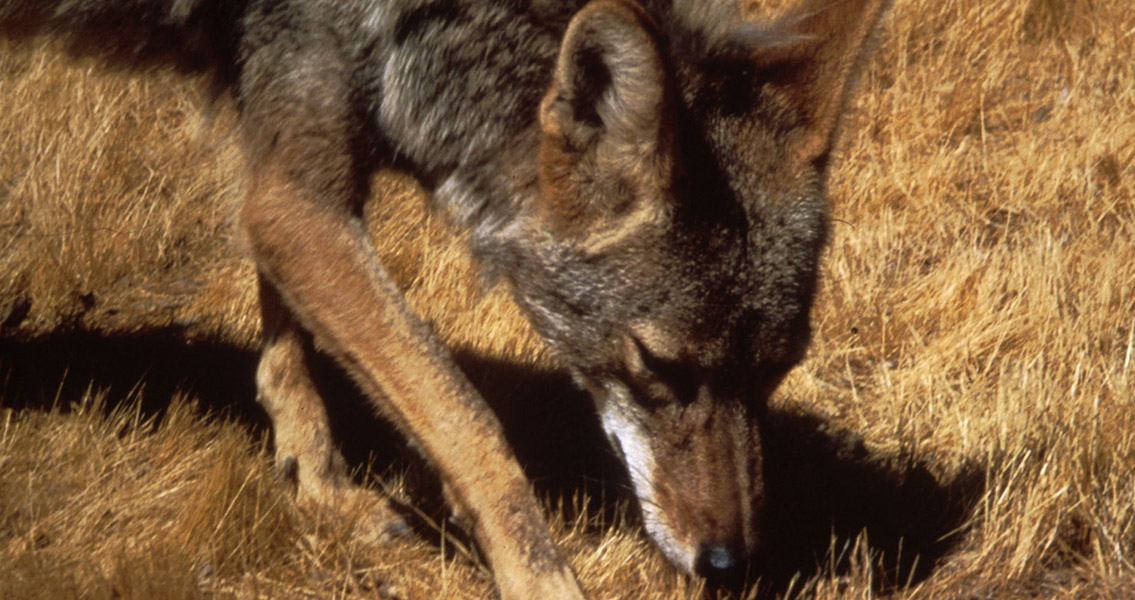
Cynarctus wangi – lived 12-million years ago and is described in a recent study in the Journal of Paleontology. The animal is described as being around the size of a modern coyote, and the specimen is a fossilized tooth, specifically an upper right second molar recovered at the Choptank Formation, part of Maryland’s Calvert Cliffs. Cynarctus wangi was part of the Borophagine canids that roamed eastern North America during the middle Miocene era. Borophagine canids are part of a line of carnivorans that includes wolves, domestic dogs, foxes, dingoes and jackals as well as a variety of other existing and extinct dog-like animals. Referred to as bone crushers, (they are known for their strong jaws and oversized teeth) the Borophagine canids lived across North America from 10 to 30 million years ago. Researchers believe the species probably went extinct because it was unable to compete with other canids. Regardless of the fierce nickname, scientists don’t believe C. wangi was wholly carnivorous. The fossil led them to the conclusion that around two-thirds of its meals were non-meat — the animal was surviving on insects and plants, more like a bear than a dog. Steven E. Jasinski, a University of Pennsylvania doctoral student and the study’s lead author, wrote in the study that what’s especially significant about the find is its location –the discovery of land animal fossils in the Choptank Formation is extremely rare and therefore can provide important information about North America as it was between 12 and 13 million years ago. The Miocene period (extending from 23 million to 5 million years ago) was the first geological epoch in the Neogene Period. The word Miocene means ‘less recent’ and the ‘Epoch’ gained its name due to having 18% fewer modern sea creatures than the epoch which followed it, the Pliocene. The planet moved through the Oligocene, then the Miocene which was followed in turn by the Pliocene, cooling as it did with a succession of ice ages. The Miocene Epoch’s time boundaries aren’t distinguished by any single global event as many time periods are, but by the regional boundaries that occurred between the warmer Oligocene Epoch and the colder Pliocene Epoch. When tasked with identifying the Choptank Formation fossil, researchers considered two different, yet distinctly possible scenarios. First, the geographic and stratigraphic provenance of the specimen could have indicated that it belonged to Cynarctus marylandica, another type of canine whose fossils have been found at the site. The second, and most plausible possibility according to experts, is that the Cynarctus wangi fossils at the site are from a younger strata than the C.marylandica specimen. Either way, this new fossil increases the scant record of the groups that lived in this region of North America and our knowledge of the terrestrial taxa that resided there. ]]>

Categories
Breaking News

Cattewater Wreck Researchers Look Into Dog DNA for Clues

Categories
Breaking News

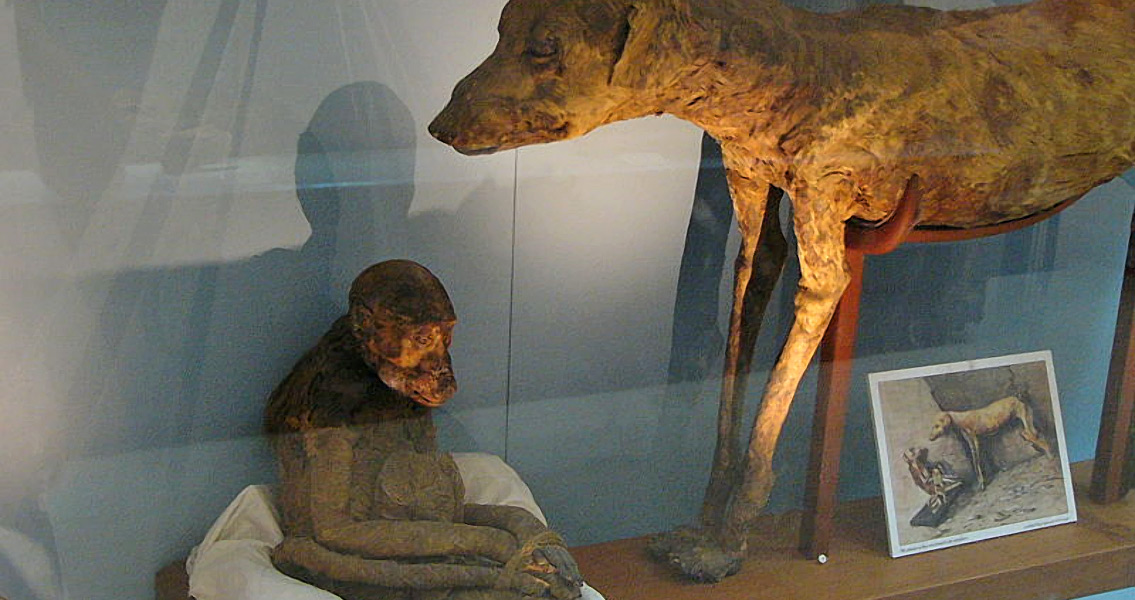
Huge Dog Tomb Unearthed in Egypt

remains at all in the bandages. Team leader Lidija McKnight explained that this could have meant only some soft parts of the animals were mummified, without bones, because every part of the animal was considered sacred enough to qualify as a sacrificial offering. For more information: “The Catacombs of Anubis at North Saqqara” Image courtesy of Wikimedia Commons user: Namiac]]>

Categories
Breaking News

Dogs Split From Wolves Much Earlier Than Thought

Current Biology. “The only other explanation is that there was a major divergence between two wolf populations at that time, and one of these populations subsequently gave rise to all modern wolves.” The team argue that dogs were domesticated prior to the diversification of present-day gray wolf populations. Dalén believes the possible divergence between two wolf populations is a less likely explanation as it would have required a second, separate wolf population subsequently becoming extinct in the wild. The number of coincidences is too high, in Dalén’s opinion. The DNA evidence obtained from the bone reveals that modern-day Siberian Huskies and Greenland sled dogs share an unusually high number of genes with the ancient Taimyr wolf. Skoglund notes that the DNA evidence provides direct proof of this link dating back 35,000 years. Putting that into perspective, the Taimyr wolf lived only a few thousand years after the Neanderthals disappeared from Europe and modern humans began to spread throughout the Eurasian supercontinent. It is important to note that the split between ancient wolves and dogs did not immediately lead to domestication. “The initial divergence between the ancestors of dogs and gray wolves would not necessarily have had to coincide with domestication in the sense of selective breeding, since this human-mediated process could have occurred later or over an extended period of time,” the team wrote. “It is [still] possible that a population of wolves remained relatively untamed but tracked human groups to a large degree, for a long time,” added Skoglund. Skoglund and his team have shone much-needed light on the history of our closest animal companions. By revealing just how long ago dogs and humans began contact, a big step has been made in gaining a fuller understanding of this shared history. For more information: www.cell.com Image courtesy of Wikimedia Commons user: Inugami-bargho]]>

Categories
Breaking News

Early European Diet May Have Included Dog Meat