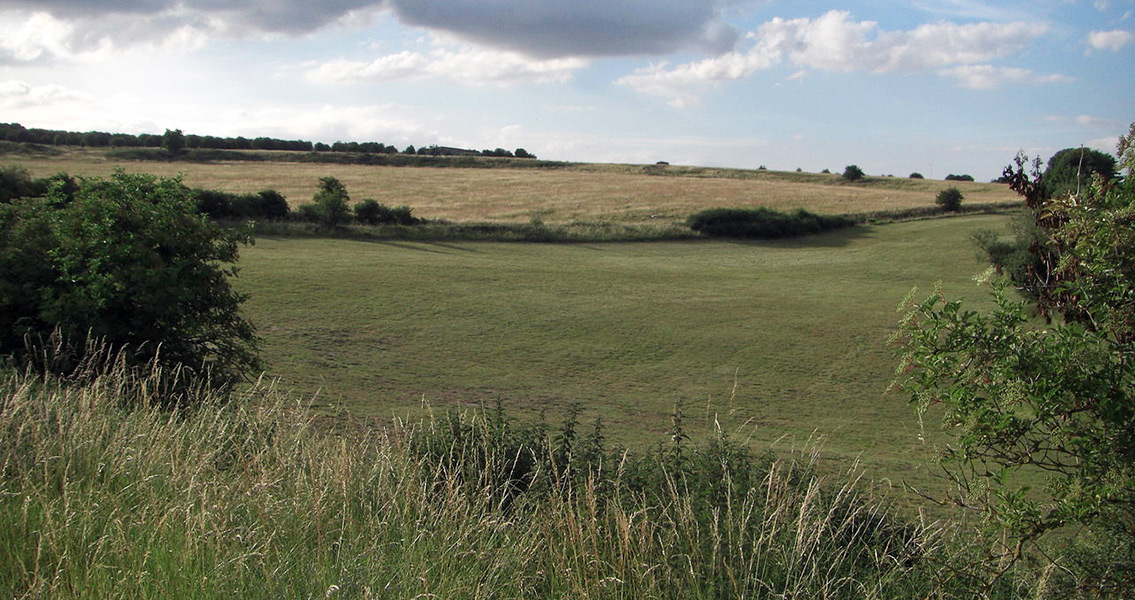
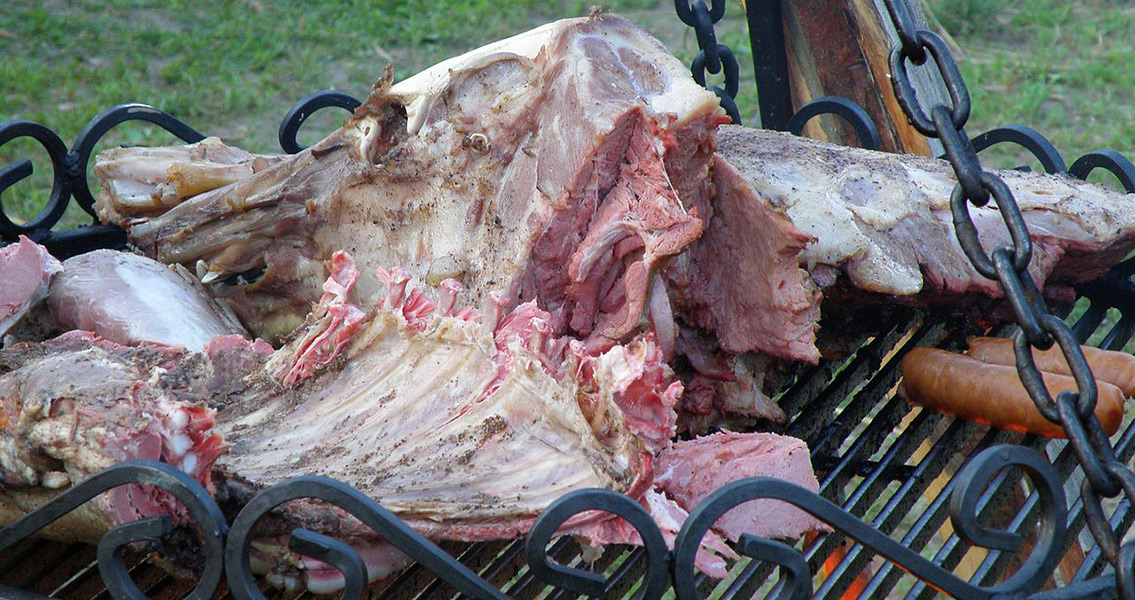
study from scientists at the Senckenberg Center for Human Evolution and Palaeoenvironment (HEP) in Tübingen analysed the bone collagen of Neanderthal remains from two sites in Belgium and concluded that the Neanderthals there at least had a diet of roughly 80% meat, 20% vegetables. Power took advantage of innovative new methods to determine the diet of Neanderthals who lived in the Mammoth steppe region. Until recently there was a distinct lack of ways to trace prehistoric food consumption; restricting research into ancient diets. Power used cutting edge microscopy methods to analyse food consumption in Neanderthals. By studying microbotanical particles in the plaque of Neanderthals from six different sites, including Croatia, Italy and Russia, he found that Neanderthals from all of the regions regularly ate plants and vegetables. To verify the accuracy of using tooth plaque to reconstruct diets, Power performed similar tests on the teeth of a group of recently deceased chimpanzees. The diet of those chimpanzees had been monitored for over twenty years, and the test results showed that teeth plaque did indeed reflect diet over an extended period of life. Crucially, by comparing data from different climatic regions and periods, Power showed that whatever the conditions or time, plants were consistently a significant part of the Neanderthal diet. It’s a conclusion which begins to throw serious doubt on the idea that a limited diet was a key driver of the Neanderthals’ extinction. It also adds to the ever more complicated image forming of the Neanderthals, with a stream of new evidence showing they were perhaps not as simple as popularly thought. “One of the big lessons of my work on Neanderthals was that the only reason we find the result surprising is that we expect Neanderthals to resemble modern human hunter gatherers in the way they foraged for food, but they didn’t.” Power explained in a Universiteit Leiden press release. “In the past we saw them as primitive cavemen with very basic behaviour, but now we have updated our view and see them as very modern. But that doesn’t mean we can afford to pigeonhole Neanderthals into our own particular version of humanity. They had their own unique pattern.” Beyond raising questions about the extent to which we should consider Neanderthals ‘primitive’, Power’s study also throws into doubt ideas about the Mammoth steppe; showing how much still needs to be learnt about the Pleistocene epoch. As Power explained: “The Mammoth steppe is an environment that we don’t really understand because it no longer exists due to climate change and megafauna extinction. It may well be that these ancient grasslands were far more useful to Neanderthals than we thought.” ]]>