Categories
Breaking News

DNA Confirms the Bacteria Responsible for the Great Plague

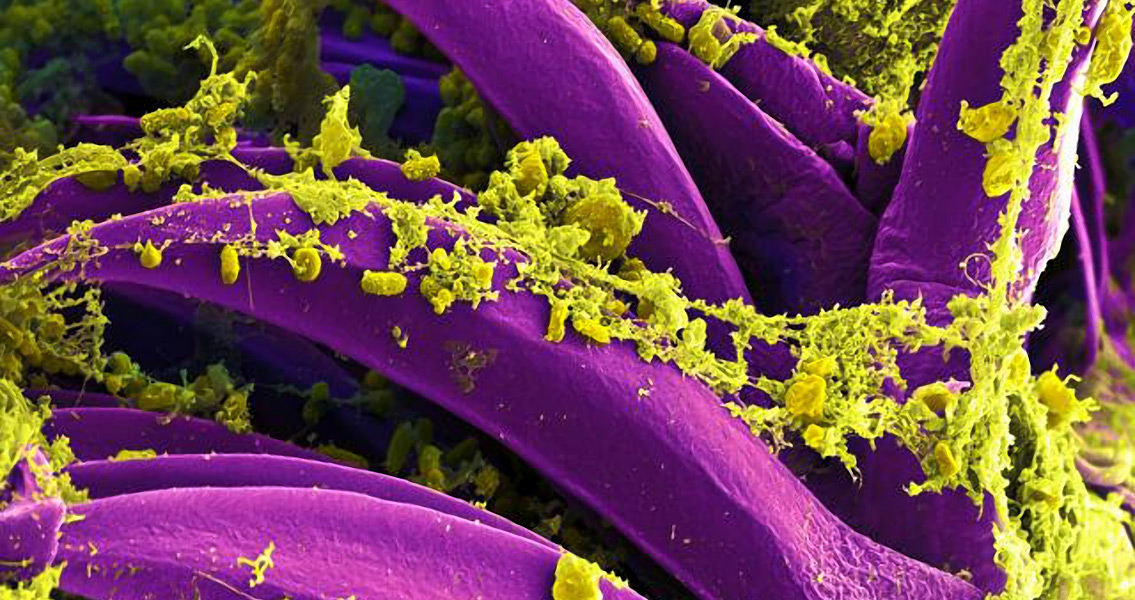
Yersinia pestis, was present in the victims, a year after the discovery of a suspected mass burial pit during excavation work associated with the Crossrail project at Liverpool Street, in East London. The identity of which microbes were responsible for the Great Plague has long been debated. The search for the bacterium was conducted by the osteology department of the Museum of London Archeology (MOLA), where the finds from Liverpool Street are stored. Michael Henderson led the examination of a number of skeletons from the site. He told BBC News, “They’re carefully boxed, individual elements, legs separately, arms separately, the skulls and the torsos. We excavated in the region of three and a half thousand skeletons, one of the largest archaeologically excavated to this date. A vast data set that can give us really meaningful information.” Teeth from the London remains were extracted and sent for DNA analysis at the Max Planck Institute for the Science of Human History, in Germany. “The best thing to sample for DNA is the teeth; they’re like an isolated time capsule,” Henderson explained in the BBC News interview. Once in Germany, Kirsten Bos, a molecular palaeopathologist with the institute, led the painstaking effort to drill out the tooth pulp used in the search for the seventeenth-century bacteria, resulting in positive results from five of the individuals tested. “We could clearly find preserved DNA signatures in the DNA extract we made from the pulp chamber and from that we were able to determine that Yersinia pestis was circulating in that individual at the time of death. We don’t know why the Great Plague of London was the last major outbreak of plague in the UK and whether there were genetic differences in the past, those strains that were circulating in Europe to those circulating today; these are all things we’re trying to address by assembling more genetic information from ancient organisms.” Bos told BBC News. The horrific fate of the infected Londoners was described in the eighteenth-century account of the event: A Journal of the Plague Year, by Daniel Defoe. “The plague, as I suppose all distempers do, operated in a different manner on differing constitutions; some were immediately overwhelmed with it, and it came to violent fevers, vomitings, insufferable headaches, pains in the back, and so up to ravings and ragings with those pains,” Defoe wrote. “Others with swellings and tumours in the neck or groin, or armpits, which till they could be broke put them into insufferable agonies and torment; while others, as I have observed, were silently infected.” Alison Telfer, from MOLA, told the BBC’s Today program, “We’ve found about three-and-a-half thousand burials on this site. We’ve been working here for the last five-and-half-years on and off and we’re hoping we’ll be able to get positive identification of the plague on a number of the individuals.” Bos’s team will continue sequencing the full DNA genome in order to completely understand the spread and evolution of the disease. ]]>
Categories
Breaking News

Plague Emerged in the Bronze Age

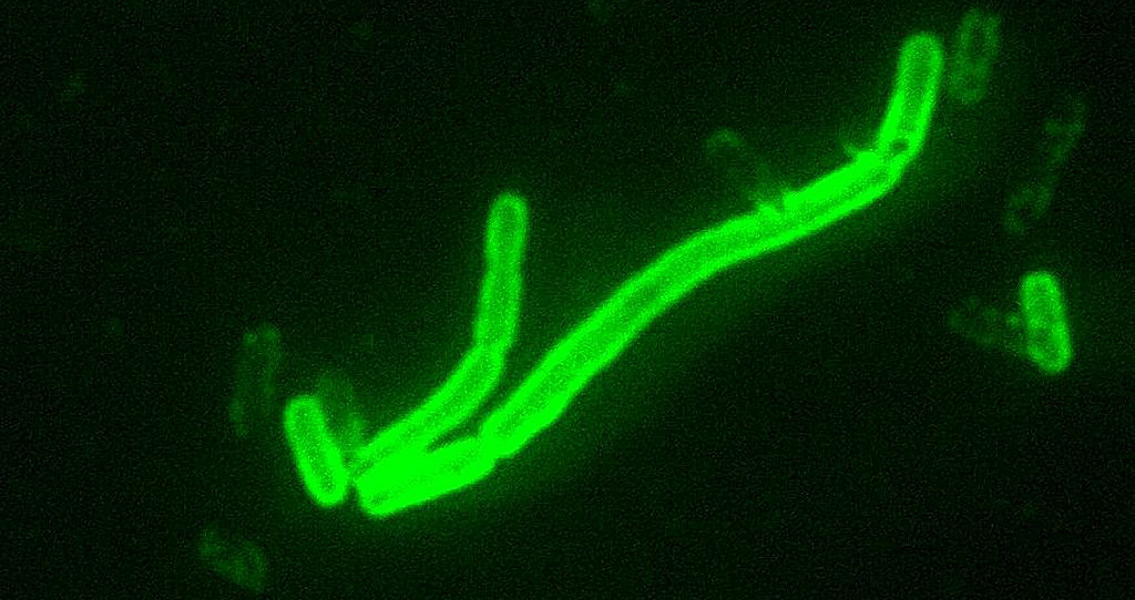
Yersinia pestis, was common among humans much earlier than the first historical records of plague epidemics suggest. An analysis of DNA extracted from Bronze Age human teeth showed that Y. pestis affected people in Asia and Europe as far back as 4,800 years ago. However, it was not for another thousand years that the bacterium developed characteristics allowing it to cause bubonic plague, the disease typically associated with it. What led the scientists, from the Universities of Gothenburg and Copenhagen, to believe that the plague is much older than commonly thought was an earlier genomics study they did on people from the Bronze Age, EurekAlert reports. That study revealed that the period, between 3000 BCE and 1500 BCE, was very dynamic in terms of migratory trends. These trends were found to have had a substantial effect on the modern-day demographic make-up of Europe and Asia. The team’s interest was sparked by the reasons behind these migrations. One of the authors of the study, Morten Allentoft from the Centre of GeoGenetics at the University of Copenhagen, told EurekAlert that one of the reasons for migration could have been epidemics that drove people away from a certain area, or decimated the population in another area, creating conditions for its repopulation. The question they asked themselves was whether these epidemics may have been caused by pestilence. To find an answer, they studied 89 billion raw DNA sequences extracted from the teeth of 101 Bronze Age and early Iron Age individuals taken from archaeological digs and museums. In seven of the samples, dated to between 2794 BCE and 951 BCE, there was evidence of the Y. pestis bacterium. Further analysis suggested that the original pathogen that Y. pestis evolved from first emerged around 5,783 years ago. To compare, the first historical records of plague-like epidemics appear in the common era, first in the sixth century, with the so-called Plague of Justinian, and then, of course, in the Middle Ages, when the Black Death took the lives of as much as half the population of Europe. There have been suggestions that Y. pestis was responsible for the Plague of Athens from 2,500 years ago and the Antonine Plague, but no hard evidence in support of this suggestion has been presented so far. Interestingly, the DNA analysis showed that even though they could get infected by the pathogen, Bronze Age people did not get it from fleas, which are among the main vectors of plague transmission. The bacterium apparently only developed the gene that allowed it to survive in the gut of fleas later, in the Stone Age. One earlier study that New Historian recently reported, suggested that the plague is in fact older than humans, by tens of millions of years, and even as early as that a strain of it could be transmitted by fleas. For more information: “Early Divergent Strains of Yersinia pestis in Eurasia 5,000 Years Ago” ]]>

Categories
Breaking News

Plague May Be Older Than Mankind