Categories
Breaking News

Volcanoes Linked to Roman Plague – The History News of the Week

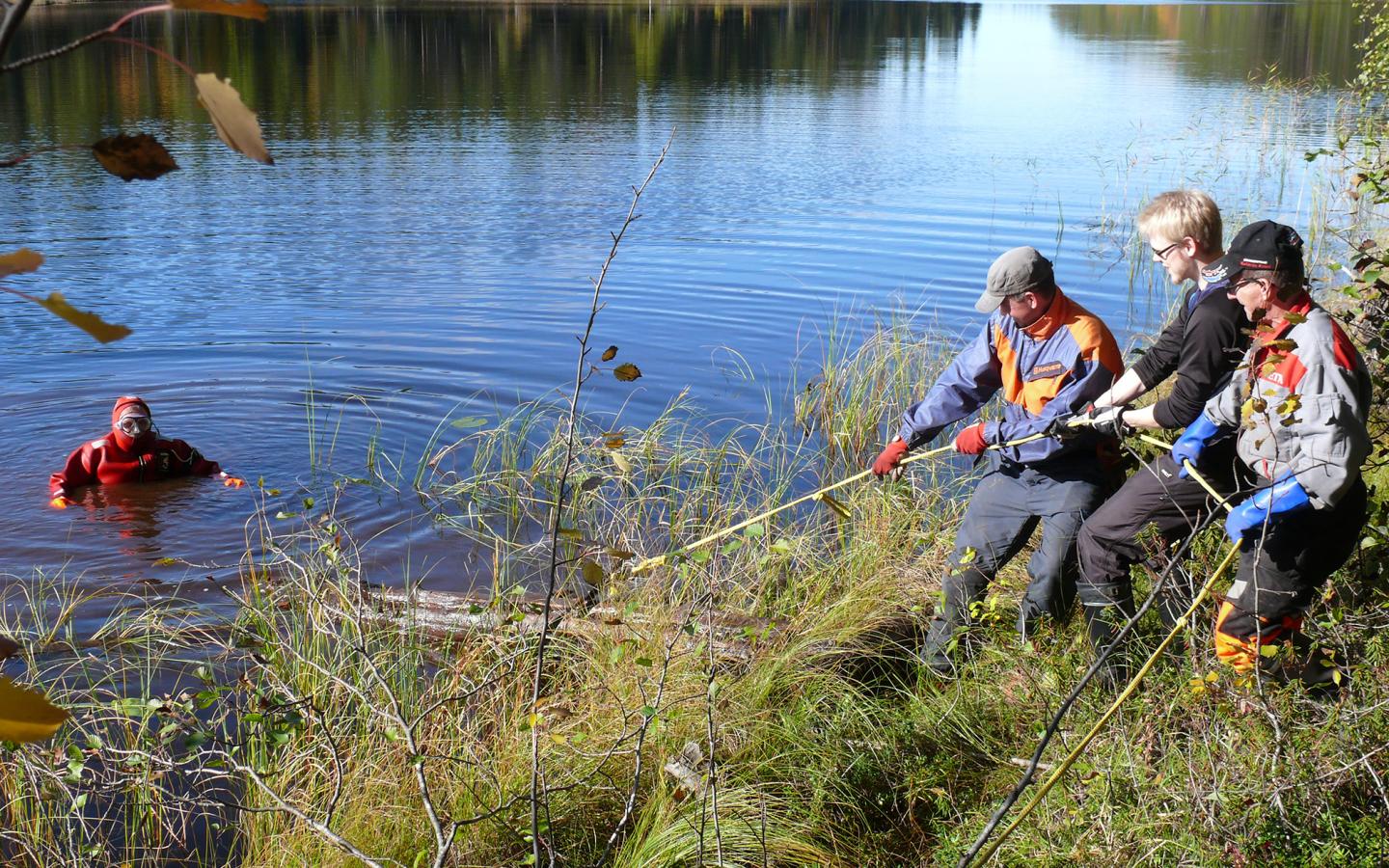
Volcanoes and a Roman Climate Crisis Volcanic eruptions in the Roman period led to climate anomalies affecting the whole northern hemisphere, according to new research. The years 536 CE and 541 – 544 CE experienced a reduction in natural light which would have made human survival much more difficult, the researchers from the Chronology Laboratory of the Finnish Museum of Natural History and Natural Resources Institute Finland (Luke) claim. Farming and animal husbandry would have been adversely affected by the reduction in sunlight, while humans would have been more prone to disease due to a lack of vitamin D. “Our research shows that the climate anomaly, which covered all of the northern hemisphere, was the compound result of several volcanic eruptions,” says Markku Oinonen, director of the Chronology Laboratory. Published in the Journal Scientific Reports, the new research is based on dendrochronology, also known as tree ring dating. The researchers analysed the variation in carbon isotopes in the annual growth rings of trees. The isotopes reflect the photosynthesis of the trees, which is largely dependent on the amount of solar radiation available in summer. “Researchers have put together an annual growth ring calendar of treeline pine spanning more than 7,600 years. Various historical events can be contrasted with the calendar. The growth ring calendar is an important indicator of global climate change,” says researcher Samuli Helama from Luke. Significantly, the years of unusually poor sunlight coincided with bubonic plague epidemic that ravished the Roman Empire. Starting in 542CE, the plague is believed to have killed around 50% of the inhabitants of the Eastern Roman Empire. From its beginnings, the devastating plague spread in western Europe and as far north as Finland, killing millions. Sulawesi Younger than Thought The unique island of Sulawesi is not as old as typically thought, new research is claiming. Located in the interface between Eurasia and Australasia, Sulawesi is home to myriad unique flora and fauna, such as the ‘deer-pig’ (Sulawesi Babirusa), ‘warty pig’ and the ‘miniature buffalo.’ Researchers from Oxford University’s Department of Archaeology and Queen Mary University of London used a combination of morphological and genetic data, alongside geological reconstructions of the island to gain a better understanding of the origins of the island’s fauna. Based on over a thousand samples, the scientists claim it is the largest ever genetic study of the island’s species. It was found that each species most likely arrived on what is now Sulawesi at different times over the past 13 million years, but all of them began to spread across the island simultaneously about 1-2 million years ago. According to the study, this coincides with geological evidence for the emergence of the arms of the island from the ocean. [caption id="attachment_8588" align="alignnone" width="512"]Location of Sulawesi Location of Sulawesi (Celebes), Indonesia, Public Domain[/caption] “Sulawesi is an amazing island, unlike any other on Earth. The key link between the three large mammals in this study is that none of them fly. Sulawesi has been an island for a long time so however they arrived, they have been evolving in isolation,” Professor Greger Larson, Director of Palaeogenomics & Bio-Archaeology Research Network at Oxford and senior author of the study. “Understanding their evolutionary history was only possible by looking not only at their genetic signatures but also the geologic history of the island. The whole region is highly tectonic and we were able to reconstruct how much of the island was under water and when. “Using a molecular clock we were then able to date the time of the expansion of all three species and by correlating those dates with the appearance of the different land masses that make up Sulawesi, we found a perfect temporal match.” Laurent Frantz, Lecturer in Molecular Genetics and Informatics at the Queen Mary University of London, said: ‘Following his famous explorations, Alfred Wallace described Sulawesi as anomalous, first noting the merging of two immensely different worlds on this island. For a long time, we thought these anomalous ecosystems slowly assembled over tens of millions of years, as continents drifted. Yet, we now know that very recent geological processes, over only the last few million years, dramatically shaped this singular tropical paradise.” Ancient Egyptian Papyrus Reveals Sexual Assault A 3,000-year-old Ancient Egyptian papyrus contains some of the oldest evidence of a man being accused of sexual assault, The Independent reports. Dubbed Papyrus Salt 124, the text lists alleged indiscretions by an artisan called Paneb, who lived in Thebes around 1200BCE. Paneb was the chief foreman of a community of artisans who built royal tombs in the ancient city, according to The Independent. The papyrus is authored by someone called Amennakht. It was sent to an official of the Pharaoh, and lists a series of complaints against Paneb. Although ambiguities in the text make some of the charges unclear, among the accusations are one of rape. Paneb is described as having taken the clothes of a woman called Yemenwaw before “he threw her on top of a wall and violated her.” The papyrus was originally translated into English in 1929, by Jaroslav Cerny. The main accusation in the text is that Paneb bribed his way to the chief foreman job, a position Amennakht was due to inherit. Light was first shed on the remarkable text by Narratively. Featured image: A subfossil tree trunk being lifted out of a lake. Image credit: Samuli Helama / Natural Resources Institute Finland ]]>
Categories
Editorial

King Tut, Neanderthals and Plague – The History News of 2016 (Part 2)

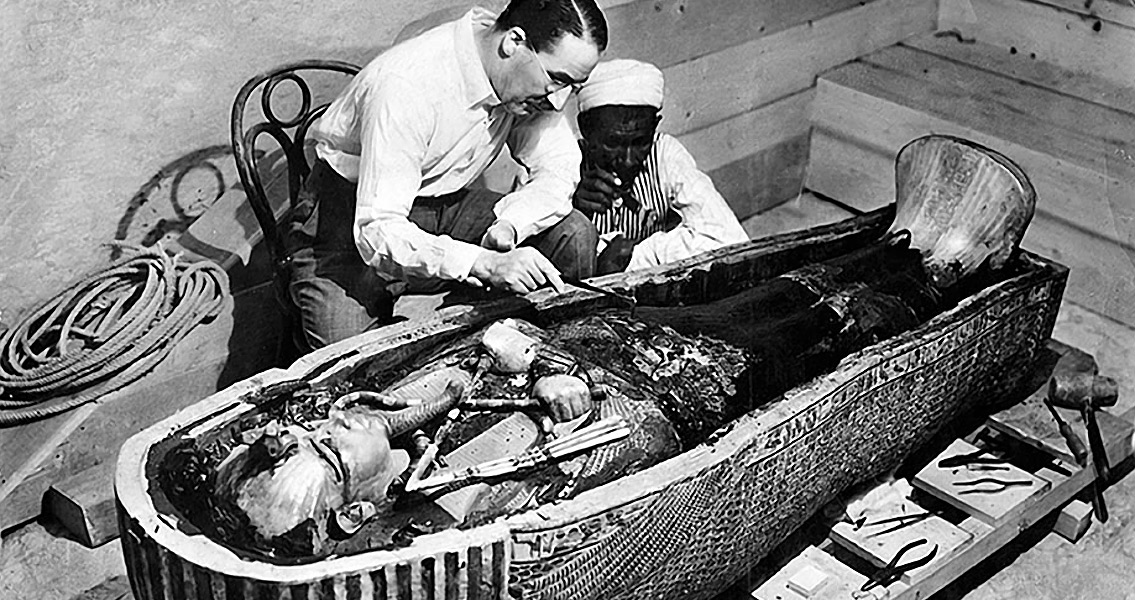
here. Controversy Surrounding King Tut’s Tomb One of the most bizarre stories of the year took place over a few months of the spring, and concerned the constantly fascinating tomb of Tutankhamun. In March, Egypt’s Antiquities Minister, Mamdouh Eldamaty, announced at a press conference that cutting edge radar scans had revealed the presence of hidden chambers in King Tutankhamun’s burial chamber. It was a revelation which sparked intrigue across the globe, as anyone with even the slightest interest in Egyptology began to speculate about what could still be hidden in the tomb of Ancient Egypt’s most famous Pharaoh. A few weeks later, doubts started to appear about the Egyptian Antiquities Ministry’s claims. Radar experts unconnected to the project started to question the findings, while others called for more evidence to be released to back up the claims and allow peer review. In May, the results of another series of scans were released, commissioned by National Geographic to verify the possibility of the existence of a hidden chamber. Announced at the Second Annual Tutankhamun Grand Egyptian Museum Conference in Cairo, the results of the second investigation suggested there was in fact no hidden chamber, directly contradicting the earlier study. The Egyptian Antiquities Authority is now carrying out additional scans in the hope of finding out once and for all if there are any more secrets to King Tut’s tomb. Just How Smart Were the Neanderthals? It’s a question that has been asked many times: just how similar are we to our closest extinct evolutionary cousins, the Neanderthals? For a long time the Neanderthals were considered to be primitive and unintelligent when compared to modern humans. Findings from 2016 however, brought that idea into question like never before. A study published in September added new fire to the long running debate over whether the Neanderthals were capable of creating jewellery. Almost since the moment they were discovered in central France half a century ago, a collection of prehistoric tiny, centimeter-long necklaces created from ivory, shells and animal teeth have been a source of contention among scientists who debate if the Neanderthals could have made the items. Using new research methods relying upon ancient proteins to date and identify bone fragments found at the site, researchers concluded that Neanderthals had lived there, supporting the idea they created the jewellery. Another study published in September carried out an in depth comparison between Neanderthal and modern human ears. The results of the pioneering research challenged the idea that Neanderthals would have only spoken in primitive grunts and groans, suggesting the possibility that Neanderthals had been capable of speech like modern humans. In December, a study from the University of Southampton revealed that Neanderthals had kept returning to the same coastal site on Jersey for a period of over 140,000 years. Through analysing stone tools, the study authors concluded that Neanderthals had kept making regular journeys back to the site for generations. The study raises interesting questions, firstly about what motivated the Neanderthals to keep returning to the site, but also about the extent to which they understood the geography around them – perhaps even some early form of mapping – to keep finding their way back there. What We Know, and What We Don’t About the History of Disease 2016 witnessed a series of shocking revelations and radical theories about the history of disease. In April, a startling study suggested that humans could have played a part in the extinction of Neanderthals by passing on a host of diseases, such as tapeworm, tuberculosis, stomach ulcers and types of herpes. The authors of the study argue that as humans left Africa, they exposed the Neanderthals to new diseases which their immune systems had not built any resistance to. Weakening the hunter-gatherer species, it would have made it harder for them to collect food, in turn causing communities to collapse. A study published in December made the shocking claim that smallpox is nowhere ear as ancient as often thought. Previously, it was believed that smallpox could be traced at least as far back as Ancient Egypt. However, a team of geneticists reconstructed the smallpox genome, based on DNA taken from the remains of victims in a crypt in Lithuania. They found that all strains of the disease had an ancestor from no further back than 1580. If true, the findings would cause a dramatic rewriting of history. Smallpox has been used by historians to explain millions of deaths and tragedies through the centuries, yet if it’s not as ancient as typically thought, such ideas will have to be rethought. Most significantly, the date of 1580 precludes the idea that the European colonisation of the Americas in the fifteenth century saw the devastating introduction of smallpox to the continent; resulting in millions of deaths for the indigenous populations. It was only in 2013 that scientists unequivocally proved that the bacteria Y.pestis played a role in both plague pandemics of the Middle Ages – the Plague of Justinian between the sixth and eighth centuries, and the second pandemic between the fourteenth and seventeenth centuries that peaked with the Black Death. A study published in January 2016 revealed that a single genotype of Y.pestis had persisted in Europe from the fourteenth to the seventeenth centuries. The findings suggest that the plague survived in Europe for three hundred years in as yet unidentified reservoir. In September, a new study reconstructed the bacterial genome responsible for the Plague of Justinian. The study found that the strain of Y.pestis responsible was far more diverse than previously thought, and also infected people far beyond the region historically documented. With plague reemerging in certain parts of the world, such studies have relevance beyond history. The greater our understanding of historical plague outbreaks, the better chance we have of combating it in the present. ]]>

Categories
Breaking News

Rare Medieval Black Death Burial Pit Discovered in England

The Telegraph. A total of 48 sets of skeletal remains – 21 of them belonging to children – were found at the site, which at one time was a monastery hospital. Researchers say that it seems quite clear that the local community was overwhelmed when the Black Death came to the region, forcing them to cope in the only way they could – by burying their dead in one mass grave. One of the worst plagues to ever blaze across humanity, the Black Death claimed the lives of anywhere from 75 to 200 million people in Europe from 1346 through 1353; according to historical records, Lincolnshire was struck by the disease in the early months of 1349. The Black Death as a whole completely changed the social landscape of Europe in a myriad of ways in addition to the massive loss of life. Sheffield University researchers partnered with scientists from Canada’s McMaster University, sending tooth samples from the deceased in order to extract ancient DNA from the pulp of these teeth. Analysis confirmed the presence of Yersinia pestis, the bacterium behind the Black Death, according to Sheffield University’s Dr. Hugh Wilmott. Dr. Wilmott, from the university’s Department of Archaeology, remarked that while the death toll in England from the disease was astronomical – up to 50 percent of the population – it’s extremely rare to find multiple graves within the country. For the most part, local communities seemed to simply treat fatalities from the Black Death in an ordinary way – in fact, the only other two sites dating to the fourteenth century where the Y. pestis bacterium has been found were London cemeteries with accompanying historical documentation detailing how the burgeoning numbers of urban dead necessitated the opening of new burial grounds. The discovery of this completely unexpected and previously unknown fourteenth century burial ground in the rural reaches of Lincolnshire stands as a unique event in the history of the Black Death in England, the scientist stated. If anything, it clearly illustrates how the community at the time was completely unprepared to withstand such a terrible threat. More analysis is slated to be undertaken, with research into the skeletal remains as a whole. This will enable researchers to identify the gender and age of each set of remains, as well as create a detailed study of any other illnesses and ailments they might have suffered from, using the telltale signs left behind in their skeletal structure according to the University of Sheffield’s Dr. Diana Mahoney Swales. ]]>

Categories
Breaking News

DNA Confirms the Bacteria Responsible for the Great Plague

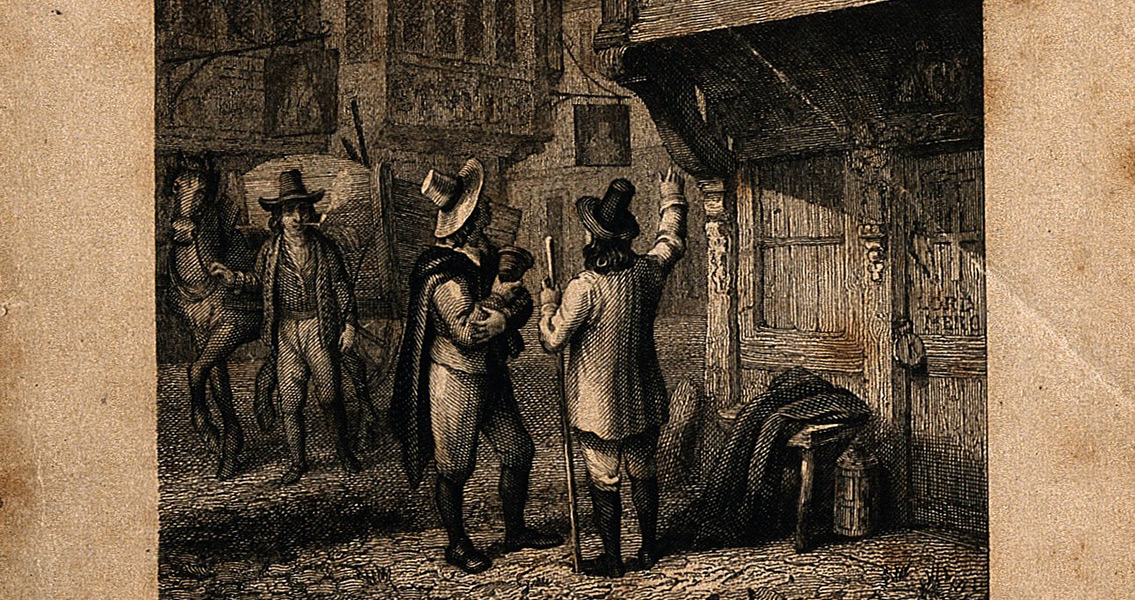
Yersinia pestis, was present in the victims, a year after the discovery of a suspected mass burial pit during excavation work associated with the Crossrail project at Liverpool Street, in East London. The identity of which microbes were responsible for the Great Plague has long been debated. The search for the bacterium was conducted by the osteology department of the Museum of London Archeology (MOLA), where the finds from Liverpool Street are stored. Michael Henderson led the examination of a number of skeletons from the site. He told BBC News, “They’re carefully boxed, individual elements, legs separately, arms separately, the skulls and the torsos. We excavated in the region of three and a half thousand skeletons, one of the largest archaeologically excavated to this date. A vast data set that can give us really meaningful information.” Teeth from the London remains were extracted and sent for DNA analysis at the Max Planck Institute for the Science of Human History, in Germany. “The best thing to sample for DNA is the teeth; they’re like an isolated time capsule,” Henderson explained in the BBC News interview. Once in Germany, Kirsten Bos, a molecular palaeopathologist with the institute, led the painstaking effort to drill out the tooth pulp used in the search for the seventeenth-century bacteria, resulting in positive results from five of the individuals tested. “We could clearly find preserved DNA signatures in the DNA extract we made from the pulp chamber and from that we were able to determine that Yersinia pestis was circulating in that individual at the time of death. We don’t know why the Great Plague of London was the last major outbreak of plague in the UK and whether there were genetic differences in the past, those strains that were circulating in Europe to those circulating today; these are all things we’re trying to address by assembling more genetic information from ancient organisms.” Bos told BBC News. The horrific fate of the infected Londoners was described in the eighteenth-century account of the event: A Journal of the Plague Year, by Daniel Defoe. “The plague, as I suppose all distempers do, operated in a different manner on differing constitutions; some were immediately overwhelmed with it, and it came to violent fevers, vomitings, insufferable headaches, pains in the back, and so up to ravings and ragings with those pains,” Defoe wrote. “Others with swellings and tumours in the neck or groin, or armpits, which till they could be broke put them into insufferable agonies and torment; while others, as I have observed, were silently infected.” Alison Telfer, from MOLA, told the BBC’s Today program, “We’ve found about three-and-a-half thousand burials on this site. We’ve been working here for the last five-and-half-years on and off and we’re hoping we’ll be able to get positive identification of the plague on a number of the individuals.” Bos’s team will continue sequencing the full DNA genome in order to completely understand the spread and evolution of the disease. ]]>

Categories
Breaking News

New Insight into the Deadly Reach of Sixth Century Plague

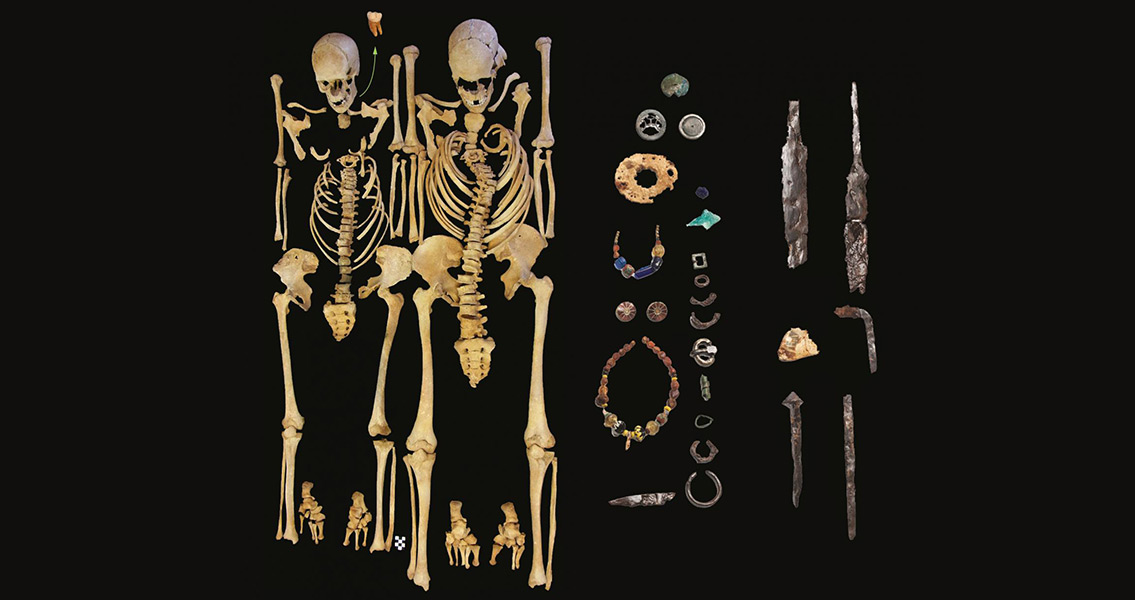
Yersinia pestis, the bacterium behind the Black Death, could also have been behind the sixth century plague epidemic. Michal Feldman, Johannes Krause and Michaela Harbeck, scientists based in Germany who are among the authors of the study, have recovered the bacterial culprit from sixth century skeletons found in Altenerding, an ancient southern German burial site near Munich. The genome found at Altenerding dates back to the beginnings of the outbreak of the plague, and confirms Yersinia pestis was the bacteria behind the outbreak. The new sequence reveals new insights into the molecular evolution of Yersinia pestis since the Byzantine period. It has also revealed new features that couldn’t be detected in a previous ‘draft genome’ of the bacterium, including 30 newly identified mutations and structural rearrangements unique to the Justinianic strain. “The fact that the archeological skeletons which gave these exciting insights were excavated over 50 years ago underscores the importance of maintaining well curated anthropological collections,” said Harbeck. “We were very fortunate to find another plague victim with very good DNA preservation in a graveyard just a few kilometers from where the individual analyzed in Wagner et al. [a recent study describing a draft genome] was found. It provided us with the great opportunity to reconstruct the first high quality genome in addition to the previously published draft genome.” Harbeck and colleagues’ results suggest that the strain of Yersinia pestis behind the Justinian Plague was more genetically diverse than previously thought. They are still unable to determine how and why the lethal pathogen reached Germany, however. Beyond simply analysing the development of a sixth century disease, the study could have far reaching applications. The authors have used the results to develop new guidelines that may improve the quality and authenticity of genetic data recovered from ancient pathogens. In addition, with plague re-emerging in certain regions of the world, the study provides a historical resource for the evolutionary changes, adaptation and human impact of the disease. “Our research confirms that the Justinianic plague reached far beyond the historically documented affected region and provides new insights into the evolutionary history of Yersinia pestis, illustrating the potential of ancient genomic reconstructions to broaden our understanding of pathogen evolution and of historical events,” said Feldman. “Our reanalysis of previous datasets stresses the importance of following strict criteria to avoid errors in the reconstruction of ancient pathogen genomes.” Image courtesy of State Collection of Anthropology and Palaeoanatomy Munich]]>

Categories
Breaking News

Ancient Faeces Shows Deadly Diseases Spread Along the Silk Road

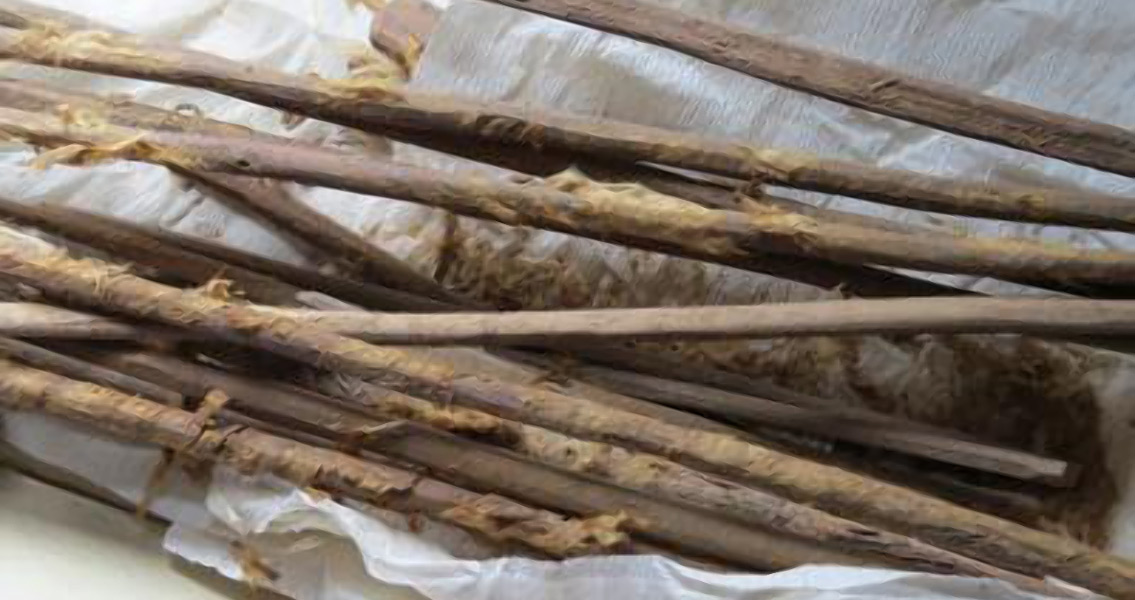
Journal of Archaeological Science: Reports, the discovery made through rather unpleasant means is described as momentous. It has long been thought that the Silk Road could have been a conduit for transporting diseases between Asia and Europe. Now, a 2,000 year old latrine in Western China has provided the first archaeological evidence that this was indeed the case. The findings are likely to be game changers in the history of the origin and dispersal of disease, possibly expanding our understanding of the spread of the Black Death in Asia and Europe, as well as other lethal diseases such as anthrax and leprosy. Hui-Yuan Yeh and Piers Mitchell from Cambridge University used microscopy to analyse the faeces preserved on ancient personal hygiene sticks (used to clean the anus). The sticks were unearthed from the latrine at what was a major Silk Road relay station on the eastern border of the Tamrin Basin, a region that includes the Taklamakan Desert. The researchers believe the latrine dates from 111 BCE and was in use until 109 CE. Chinese researchers Ruilin Mao and Hui Wang from the Gansu Institute for Cultural Relics and Archaeology carried out the initial excavations at the site in Gansu province. The relay station was a popular one, used by travellers as a place to stay, and government officials as somewhere to change horses and deliver letters. Mao and Wang found the hygiene sticks with cloth wrapped around one end. Four eggs from four parasitic worms were present in the faeces studied: roundworm (Ascaris lumbricoides), whipworm (Trichuris trichiura), tapeworm (Taenia sp.), and Chinese liver fluke (Clonorchis sinensis). The Chinese liver fluke provided the key evidence that infectious diseases could be spread over thousands of miles. A parasitic flatworm that causes abdominal pain, diarrhoea, jaundice and liver cancer, Chinese liver fluke requires well-watered, marshy areas to complete its life cycle, nothing like the dry, arid, desert-like environment the relay station was situated in. The liver fluke is simply not endemic to this region, and must have come from elsewhere. At present, the closest endemic area to the relay station for the Chinese liver fluke is Dunhuang, around 1,500 km away. The species is most prevalent in Guandong Province, some 2,000 km from Dunhuang. The authors of the study, from Cambridge University’s Department of Archaeology and Anthropology, argue that the person infected with the liver fluke must have traveled a substantial distance while infected with the parasite. As such, the finding presents the earliest archaeological evidence of diseases being carried large distances along the Silk Road. “When I first saw the Chinese liver fluke egg down the microscope I knew that we had made a momentous discovery,” said Hui-Yuan Yeh, in a press release from Cambridge University. “Our study is the first to use archaeological evidence from a site on the Silk Road to demonstrate that travellers were taking infectious diseases with them over these huge distances.” First coming to prominence during the period of the Han Dynasty in China (202 BCE – 220 CE), the Silk Road allowed merchants, explorers, soldiers and officials to travel between East Asia and the Middle East/Eastern Mediterranean. The fact that similar strains of bubonic plague, anthrax and leprosy have been found in both China and Europe has led many researchers to suggest the Silk Road was the conduit that spread the diseases, but archaeological evidence supporting this theory had been lacking. “Until now there has been no proof that the Silk Road was responsible for the spread of infectious diseases. They could instead have spread between China and Europe via India to the south, or via Mongolia and Russia to the north,” said Piers Mitchell, one of the study authors. “Finding evidence for this species in the latrine indicates that a traveller had come here from a region of China with plenty of water, where the parasite was endemic. This proves for the first time that travellers along the Silk Road really were responsible for the spread of infectious disease along this route in the past.” Image courtesy of Hui-Yuan Yeh. Reproduced from the Journal of Archaeological Science: Reports.]]>

Categories
Breaking News

Black Death Wiped Out up to 45% of East England's Population

Antiquity. During the later half of the twentieth century, historians began to argue that the true devastation of the Black Death had been exaggerated. They suggested that in reality there was little evidence of ‘catastrophe cemeteries’ from the fourteenth century, while evidence of depopulation in England seemed to have occurred too late to be a direct consequence of the spread of the Plague. The new study, led by Professor Carenza Lewis from the University of Lincoln, has used discarded pottery shards as a means to measure demography. Based on extensive analysis, she has concluded that the pottery using population was 45% lower in Eastern England following the Black Death than it had been beforehand. Thousands of members of the public assisted in the study, digging 2000 test pits across six counties in search of pieces of broken pottery. As the most commonly excavated archaeological evidence domestic pottery is a valuable indicator of population size, due to its widespread daily use and the frequency with which it was discarded. By counting and comparing the number and weight of broken pottery from different date levels, patterns emerged of the historic demography of different sites. The sheer geographic scale of Lewis’ study means it has been possible to determine which towns and counties suffered, and to what extent. “As a result, we can now say with some confidence that the pottery-using population across a sixth of England was around 45% lower in the centuries after the Black Death than before.” Lewis writes in the study, due to be published in next month’s edition of Antiquity. “Furthermore, we can identify exactly where in the settlement landscape this contraction was most and least severely felt, at scales ranging from plot to region.” The results show that as extreme as the 45% reported population drop was, in some areas the consequences of the Black Death were even greater. At Great Shelford in Cambridgeshire, the weight of pottery excavated from different test pits dropped from 2kg to 200g at the levels linked to the Black Death. “Mapping these data reveals that this large village—which in the high medieval period sprawled continuously for more than 1200m from its river-side church along a high street and around two greens—was reduced to a single row running barely 200m immediately east of the church.” Shockingly, Lewis actually believes the results presented in her study could be conservative. The excavations focused on 55 currently occupied rural locations known to have been settlements in the fourteenth century. As such, any areas where the population was devastated to the extent a settlement was completely abandoned will not have been covered by the project. The Black Death was just one element of what many historians refer to as the Crisis of the Middle Ages, a period when centuries of demographic growth in Europe were abruptly reversed by a series of political, social and economic calamities on top of those caused by the great epidemic. The Great Famine of 1315-17, alongside civil and international conflicts such as the Hundred Years War and the War of the Roses, brought prosperity and population growth to a halt over the course of the thirteenth, fourteenth and fifteenth centuries. As well as providing chilling insights into the long and short term demographic effects of the Black Death in one region, Lewis’ study offers a new methodology which can be applied to a whole host of different times and scales. “Deployed sufficiently widely elsewhere in Eurasia, test-pit excavation could provide new data to inform our understanding of how the world we inhabit today came to be. Moreover, this potential extends beyond the era of the Black Death, as test-pits can produce material of any date that may illuminate demographic change in many periods.” she writes, in the conclusion to her study. More information about the study is available here Image courtesy of Wikimedia Commons user John Davey]]>

Categories
Breaking News

Unknown Reservoir Stored Plague For 300 Years

Y.pestis bacteria may have persisted in Europe from the fourteenth century to the seventeenth, a period which included the notorious ‘Black Death’, according to a new study. Published in the journal Plos One, the new research has the potential to broaden our understanding of the two devastating plague pandemics that struck Europe, suggesting that the long term persistence of the disease was facilitated by an as yet unknown reservoir. DNA from victims of the second plague pandemic were recovered and analysed by Lisa Seifert from Ludwig Maximilian University of Munich, Germany, and her colleagues. The 30 victims were excavated from two different burial sites in Germany, with the sample covering a three hundred year period. Eight of the thirty skeletons tested positive for Yersinia pestis-specific nucleic acid. From these eight, the team were able to carry out single nucleotide polymorphism (SNP) analysis on five individuals, to further study the Y.pestis bacteria. Four of these individuals were excavated from a grave in Bavaria and carbon dated to the fourteenth century, while the fifth was excavated from Brandenburg in a grave for casualties of the Thirty Years War which took place in the seventeenth century. “Despite a geographical distance of 500 km and in particular a time difference of 300 years, an identical Y. pestis genotype was detected in all five human individuals.” Seifert writes in the study, a conclusion which suggests a single genotype of Y.pestis bacteria existed in Europe for hundreds of years during the second plague epidemic. Fascinatingly, the SNP data from the five individuals in Seifert’s study were fully consistent with three plague victims from the East Smithfield Cemetery in London. “In conclusion, thus far only two different genotypes of Y.pestis have been detected among plague victims of the second pandemic in Europe of which one, described in the present study, covers a time period of 300 years.” Europe was ravaged by two plague pandemics in the Middle Ages, the ‘Plague of Justinian’ which struck the continent between the sixth and eighth centuries, and a second pandemic, (which Seifert’s study focuses on), that struck between the fourteenth and seventeenth centuries and peaked between 1346 and 1353 in a period often referred to as the Black Death. Both plagues took millions of lives, with almost a third of Europe’s population being wiped out during the Black Death. The etiologies of the two plagues have long been discussed among both historians and scientists. Until recently, many scientists believed the plague was in fact a viral disease, or that the two plagues had different origins. Only in 2013 was Y.pestis proven to have unequivocally played a role in both pandemics, when its 1500 year old genome was sequenced. Two main theories exist for how the two deadly pandemics lasted for several hundred years each. One argues that the plague was continuously reintroduced into Europe along major trade routes such as the Silk Road. Another hypothesis is that the plague persisted in Europe over a long period of time in a host that has yet to be identified, for example lice. Seifert et al’s results suggest a different hypothesis to explain the deadly pandemics. “In contrast to these hypotheses, the results of the present study clearly indicate that at least one genotype, which was introduced to Europe at the beginning of the Black Death from Asia, persisted in Europe from the 14th century until the Thirty Years’ War (1618–1648). We therefore suggest a model in which Y. pestis was introduced to Europe from Asia in several waves combined with a long-time persistence of the pathogen in not yet identified reservoirs.” For more information: www.journals.plos.org Image courtesy of Seifert et al ]]>

Categories
Breaking News

Plague Emerged in the Bronze Age

Yersinia pestis, was common among humans much earlier than the first historical records of plague epidemics suggest. An analysis of DNA extracted from Bronze Age human teeth showed that Y. pestis affected people in Asia and Europe as far back as 4,800 years ago. However, it was not for another thousand years that the bacterium developed characteristics allowing it to cause bubonic plague, the disease typically associated with it. What led the scientists, from the Universities of Gothenburg and Copenhagen, to believe that the plague is much older than commonly thought was an earlier genomics study they did on people from the Bronze Age, EurekAlert reports. That study revealed that the period, between 3000 BCE and 1500 BCE, was very dynamic in terms of migratory trends. These trends were found to have had a substantial effect on the modern-day demographic make-up of Europe and Asia. The team’s interest was sparked by the reasons behind these migrations. One of the authors of the study, Morten Allentoft from the Centre of GeoGenetics at the University of Copenhagen, told EurekAlert that one of the reasons for migration could have been epidemics that drove people away from a certain area, or decimated the population in another area, creating conditions for its repopulation. The question they asked themselves was whether these epidemics may have been caused by pestilence. To find an answer, they studied 89 billion raw DNA sequences extracted from the teeth of 101 Bronze Age and early Iron Age individuals taken from archaeological digs and museums. In seven of the samples, dated to between 2794 BCE and 951 BCE, there was evidence of the Y. pestis bacterium. Further analysis suggested that the original pathogen that Y. pestis evolved from first emerged around 5,783 years ago. To compare, the first historical records of plague-like epidemics appear in the common era, first in the sixth century, with the so-called Plague of Justinian, and then, of course, in the Middle Ages, when the Black Death took the lives of as much as half the population of Europe. There have been suggestions that Y. pestis was responsible for the Plague of Athens from 2,500 years ago and the Antonine Plague, but no hard evidence in support of this suggestion has been presented so far. Interestingly, the DNA analysis showed that even though they could get infected by the pathogen, Bronze Age people did not get it from fleas, which are among the main vectors of plague transmission. The bacterium apparently only developed the gene that allowed it to survive in the gut of fleas later, in the Stone Age. One earlier study that New Historian recently reported, suggested that the plague is in fact older than humans, by tens of millions of years, and even as early as that a strain of it could be transmitted by fleas. For more information: “Early Divergent Strains of Yersinia pestis in Eurasia 5,000 Years Ago” ]]>

Categories
Breaking News

Plague May Be Older Than Mankind