www.nature.com ]]>
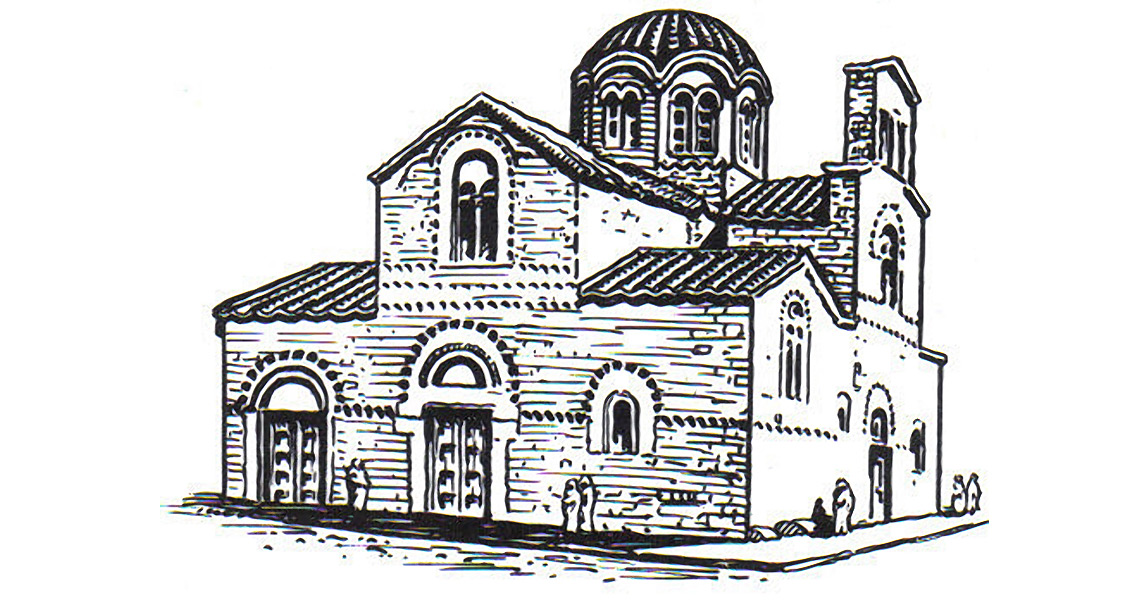
Haaretz interview with Annette Nagar, the head of the IAA, the NRC is funding the current excavation of the remains of the church site. “The road station and its church were built in the Byzantine period beside the ancient road leading between Jerusalem and the coastal plain,” said Nagar, adding that while the road itself survived the end of the Byzantine era, the church and road station have fallen into disuse and disrepair in the 1,500 years since they were used regularly. The church, when in its heyday, was around 16 meters in length. To the side was a small alcove measuring 6.5 meters by 3.5 meters, thought to have been used as a secondary chapel; in the northeast corner of this smaller chapel is a baptismal font constructed in the shape of a four-leaf clover, which was an early symbol of Christianity used to represent the cross. Directly west of the church are the remains of the roadhouse, a building that would have been used to provide lodging for travelers and pilgrims on their way to and from Jerusalem. A plethora of archaeological finds were discovered in both the remains of the church and the roadhouse in the form of smaller artifacts, which included fragments of marble, shells made of mother-of-pearl, glass drinking vessels, coins and small oil lamps. The walls of the church were likely decorated with frescoes as evidenced by countless shards of red-colored plaster strewn about the ruin, according to Nagar. This isn’t the first archaeological find that has been uncovered along the road from Jerusalem, especially in the region surrounding Abu Ghosh. Nagar remarked that there were some uncovered within the town itself as well as the proposed site of the Biblical town of Emmaus, the site where Jesus is said to have appeared shortly after his resurrection after his crucifixion. Once the NRC completes its excavation and the IAA concludes its investigation of the site and any artifacts uncovered during the dig, the remains of the church and the roadhouse are slated to be re-buried once more. This will preserve the site for posterity, the IAA says; it could also pave the way for additional research and study on the site at a later date without having to oversee the site and preserve it from the elements in a more active manner. ]]>

www.journals.plos.org ]]>
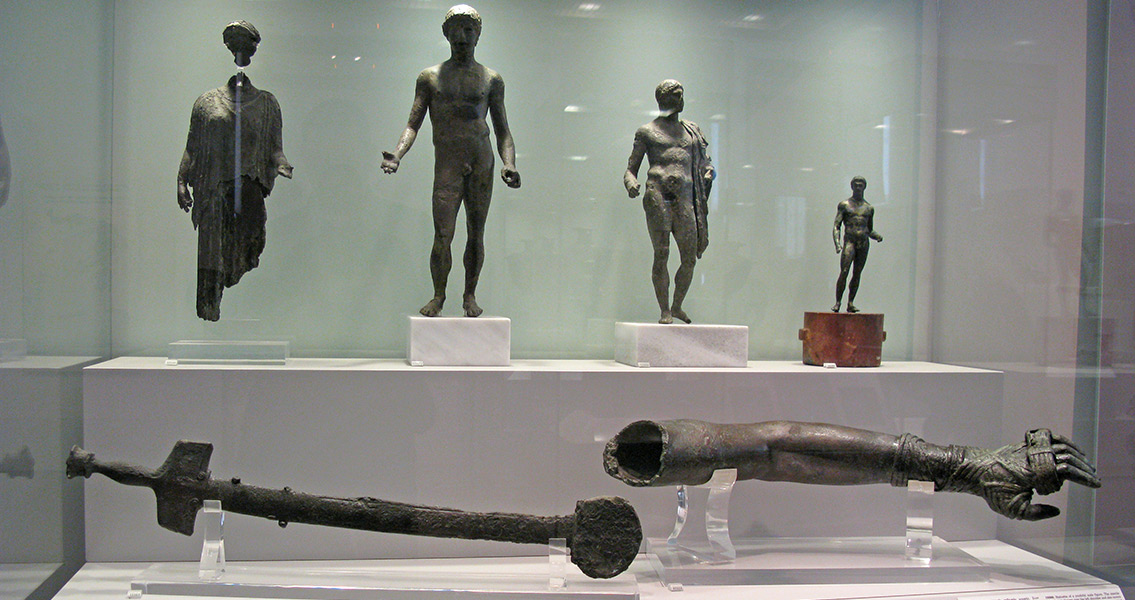
www.antikythera.whoi.edu Image courtesy of Wikimedia Commons user: Tilemahos Efthimiadis from Athens, Greece]]>
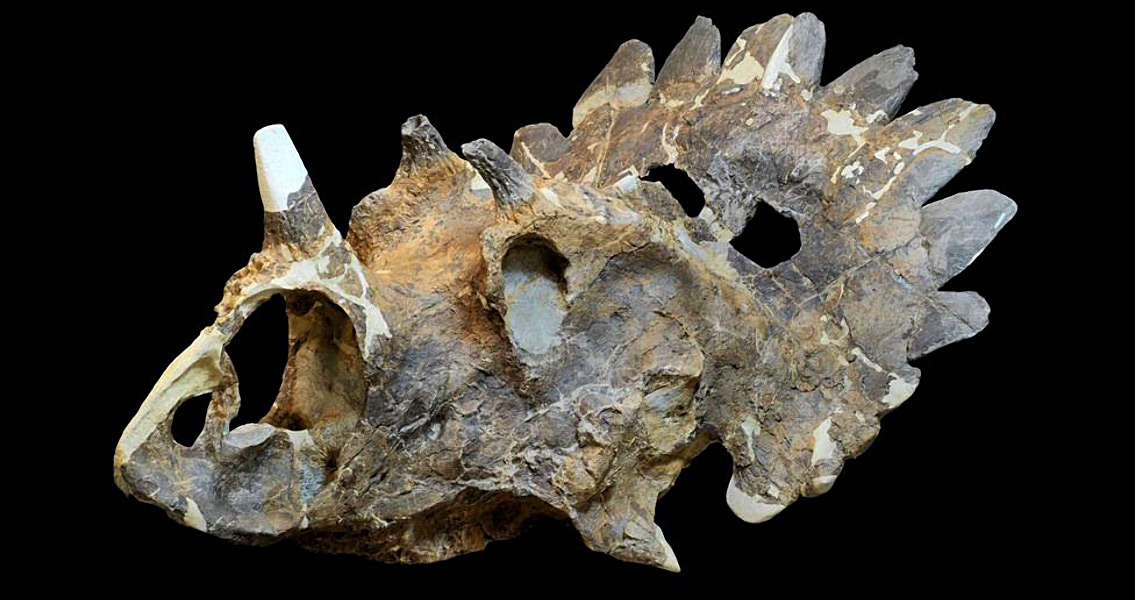
regaliceratops peterhewsi, the new species is is indeed related to the triceratops but represents an evolutionary convergence between the more well-known dinosaur species and older, less-developed species that preceded it; the most noteworthy physical manifestation of this legacy is the crown-like frill regaliceratops sports on the back of its skull. The fossil was originally discovered in 2005 by Peter Hews, a geologist from Calgary, when he was surveying a cliff in southwestern Alberta that ran alongside the Oldman River. Hews contacted the Royal Tyrell Museum – the same museum New Historian reported being shipped another paleontological find of five fossilized fish discovered in a Calgary basement last week – and researchers excavated the fossil. After years of study and analysis, the new species, which was named in honor of Hews to commemorate his discovery, is now on display at the museum. The process for extricating the fossilized skull was a painstaking one, thanks to the presence of bull trout in the river below. As a protected species in Canada, the fish had to be provided specific protections by the excavation team, including preventing any dirt or debris from the excavation from falling in the river. Taken together with the extremely hard rock within which the fossilized bones were encased, the museum teams found the entire experience “hellish,” according to paleontologist Caleb Brown in an interview with CTV News. The extreme difficulty of the dig, combined with the unique nature of the small, almost stunted-looking horns located over the eye sockets that carry a close resemblance to a certain otherworldly science-fiction and comic book character, led to the dinosaur being nicknamed “Hellboy” by the excavation team. Brown says that the region where ‘Hellboy’ was found doesn’t have a reputation for being particularly rich when it comes to fossilized remains. Regions located farther east from the mountainous terrain are much more likely to yield fossils, but the museum paleontologist remarked that with the new regaliceratops find, research efforts will be expanded within the area, even with the possible difficulties that may be faced by research teams attempting to remove subsequent fossils. After careful examination of Hellboy’s skull, museum researchers say that the regaliceratops was likely to have weighed around 1.5 tons in life. Its massive frill was topped with jagged, tooth-like protrusions that resembled a spiked crown. The skull, once exhumed painstakingly from the cliff above the river, turned out to be nearly intact – only the beak and lower jaw were missing. Brown said that with less than one percent of dinosaur remains actually surviving the fossilization process, there could have been millions of regaliceratops roaming the world 70 million years in the past. Image courtesy of Wikimedia Commons user: Royal Tyrell Museum Drumheller, Alberta]]>