Categories
Breaking News

New Research Data Points to Gradual Human Evolution

A. afarensis and A. sediba. The latter species are thought to be two of the best current candidates for being a direct ancestor, based on the study. The strongest model, according to Young, demonstrated “perfect immediate forms” between modern humans and African apes, suggesting that humanity shifted quite gradually from arboreal (tree dwelling creatures) into tool-using land-dwellers. These conclusions support the hypothesis that there was a final, African ape like common ancestor of humans and chimpanzees. For more information: www.pnas.org Image courtesy of Wikimedia Commons user: Delphine Bruyere]]>

Categories
Breaking News

Ivory May Have Driven Greenland Colonisation

Was it for walrus? Viking Age settlement and medieval walrus ivory trade in Iceland and Greenland. Image courtesy of Wikimedia Commons user: Turelio ]]>

Categories
Breaking News

Basques Linked to Ancient Iberian Farmers

www.pnas.org Image courtesy of Wikimedia Commons user: Mario Modesto Mata]]>

Categories
Breaking News

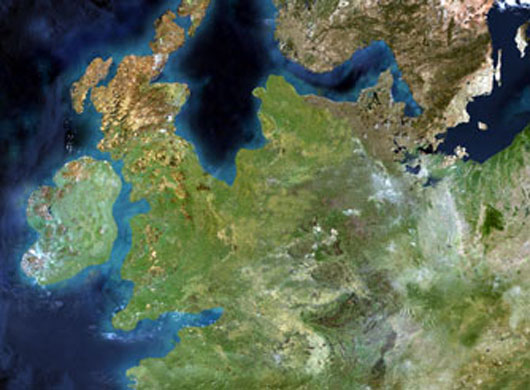
Lost North Sea Landmass Mapped

Categories
Breaking News

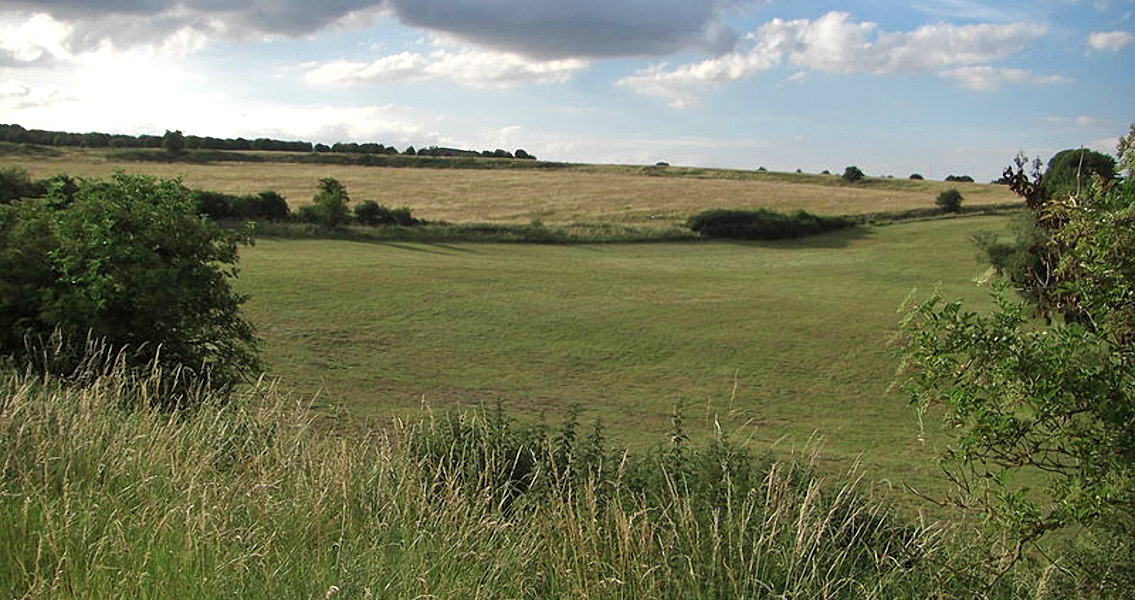
Enormous Pre-Stonehenge Monument Found in Salisbury

Categories
Breaking News

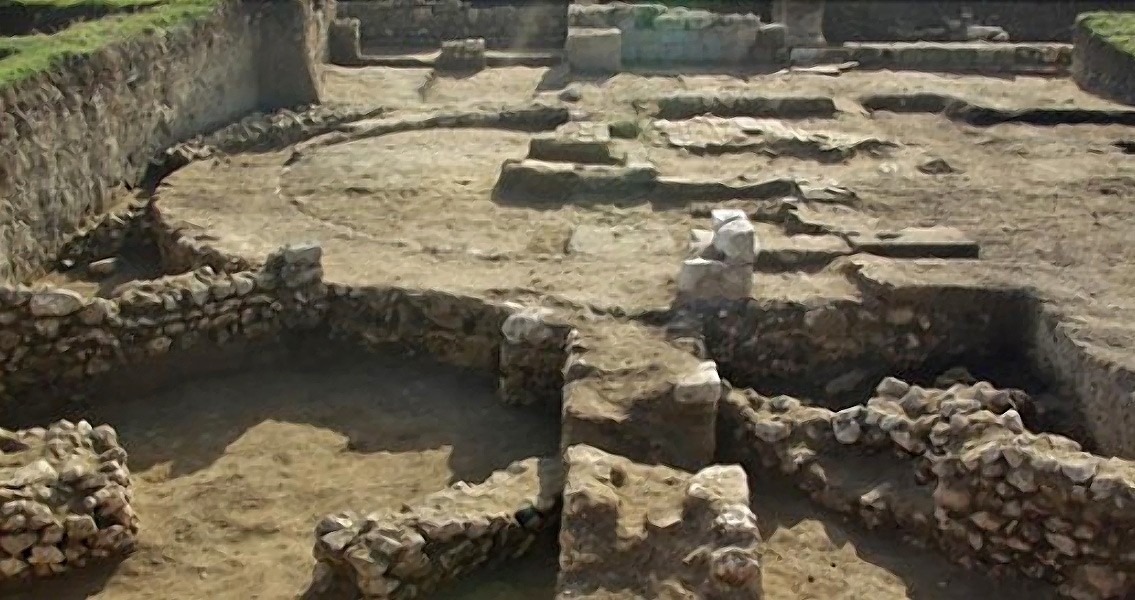
New Martyr's Crypt Discovered in Bulgaria

Categories
Breaking News

New Uses Found for Rare Egyptian Pigment

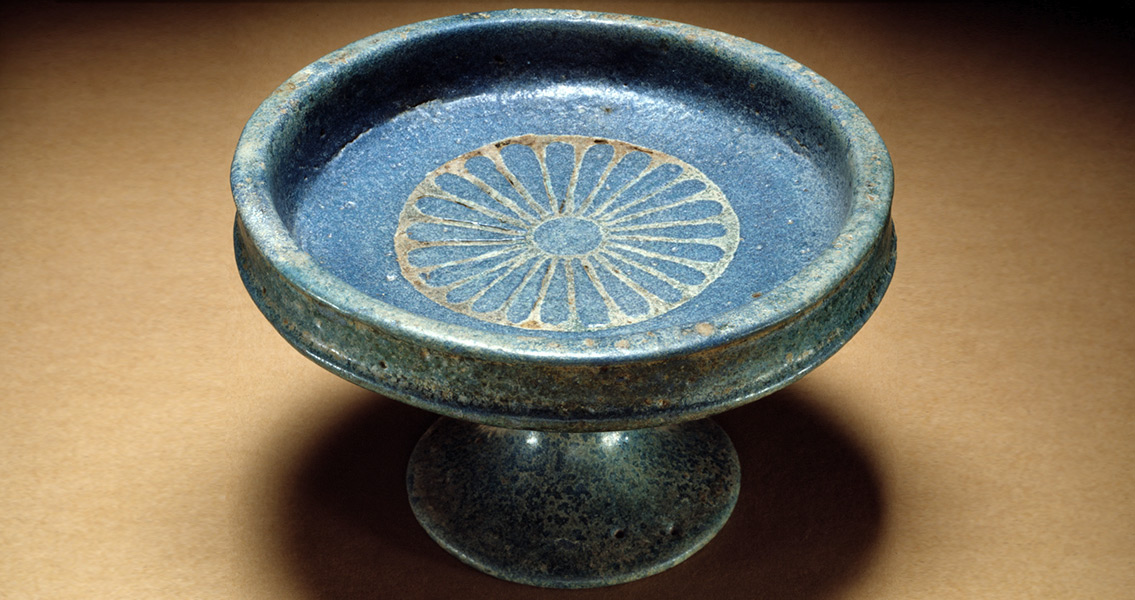
article in the Journal of Art in Society. The colour occurs naturally in a mineral called cuprorivaite but this mineral was rare in Egypt, so, in demonstration of their fine grasp of chemistry, the ancient Egyptians made the pigment manually. They heated to around 950 degrees Celsius a mixture of calcium carbonate or another calcium compound, a compound containing copper, and silica sand, as well as potash or soda, which acted as a flux. Because of this complex procedure scientists believed that the pigment was used for prominent works of art only, and as a main colour. When the era of Greek rule began the new rulers brought with them their own preferred colours, which dominated art at the time. The Romans, who believed the Greeks were the masters of art, followed their preferences closely, using the same palette for works of art. Still, Egyptian blue did not sink into oblivion until the end of the Roman era, when its use sharply declined. Commenting on the Northwestern study, co-author Jane L. Williams from the Hearst Museum, said in the university’s statement the findings suggest researchers should always expect the unexpected when examining works of art. Speaking of the unexpected, earlier research from the British Museum, led by Giovanni Verri, a conservationist who is also an expert in infrared and photo-induced imaging, found a way to reveal the colours of statues and other artefacts that have become invisible to the naked eye. The technology relies precisely on Egyptian blue, which emits infrared radiation when red light is directed to it. The presence of Egyptian blue not only shows which parts of a statue were painted with the pigment but also hints at what other pigments were used in the colouring of an ancient artefact. For more information: Investigating the use of Egyptian blue in Roman Egyptian portraits and panels from Tebtunis, Egypt ]]>

Categories
Breaking News

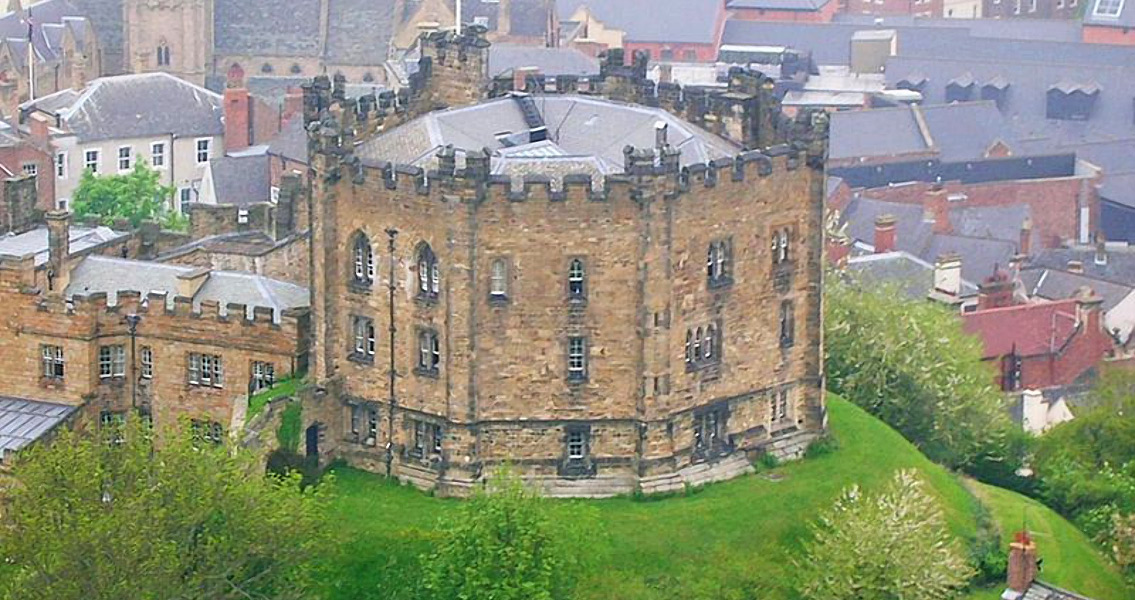
Mass Grave in Durham Holds Battle of Dunbar Prisoners

Categories
Breaking News

Oldest Known Pottery from Papua New Guinea Unearthed

www.journals.plos.org Image courtesy of Wikimedia Commons user: Tordenbrinker ]]>

Categories
Breaking News

Evidence Points To Quran Pre-Dating Muhammad

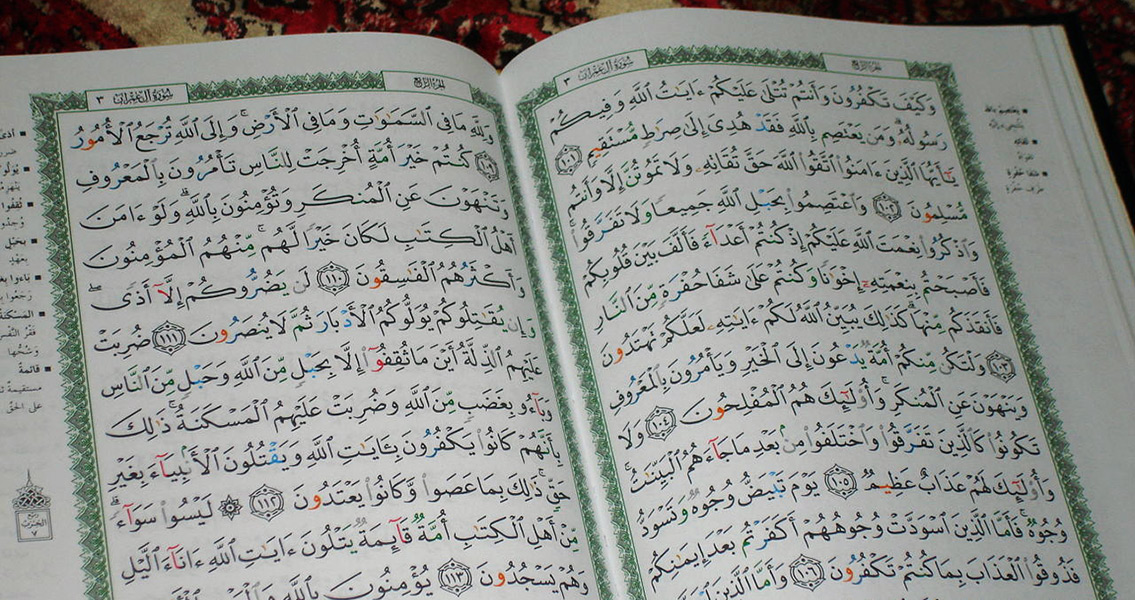
reported when the find was announced, the two pages were initially believed to have been part of a codex, whose other parts are kept in France. Initially, the hypothesis was that the fragments were contemporaneous with Muhammad, pushing the date of the first written copy of the Quran back, but not too much. Now, further research is suggesting that, in the words of Keith Small, some non-mainstream views of the origins of the book may have more ground than previously believed. Specifically, he told the Times of London, the carbon dating of the manuscript suggests that Muhammad and his early followers based the new religion on an already existing text, which they “shaped … to fit their own political and theological agenda, rather than Muhammad receiving a revelation from heaven.” According to traditional belief, Muhammad received the revelation that was to become the Qur’an some time between 610 and 632 CE. Initially, however, the information was only part of the oral tradition of the region. The first Muslim community, Discovery News writes, was set up in Medina in 622 CE but the first written copy of the Quran only appeared thirty years later, during the rule of the third caliph, Uthman, after Muhammad’s death. In the years before that, only fragments of the holy book were written on animal skin, bones, leaves, and parchment. The fragments found in the University of Birmingham are written on what is either sheepskin or goatskin, suggesting one of these animals was sacrificed especially for the manuscript. Image courtesy of Wikimedia Commons user: Amr Fayez ]]>