Categories
News

History of the Relationship Between Iran and the West

Vincennes shooting down an Iranian passenger airline in 1988. In the 1990s, the US accused the Iranian government of having sponsored terrorist attacks around the globe, from Argentina to Saudi Arabia. A constant theme throughout was mistrust, Western governments regularly associated Iran with terrorism (to the extent President George Bush Jr. placed it in an ‘Axis of Evil’ with North Korea and Iraq in 2003), while past interference in Iranian affairs made it easy for the most conservative of Iran’s political and religious leaders to advocate cynicism of the West, particularly in regard to the USA. Following decades of tension and fractured diplomacy, representatives from the West and Iran are attempting to negotiate a compromise on Iran’s nuclear program. The negotiations could herald a comparative thawing of relations between Iran and the West, when the history of conspiracy, aggression, and conflict that has formed between the leaders of the involved parties is considered. Put in this context, the current obstructions to an agreement are perhaps easier to understand. Image courtesy of Wikimedia Commons user: Fabienkhan]]>

Categories
News

New York City Draft Riots

Categories
News

The History of the Confederate Flag

Categories
News

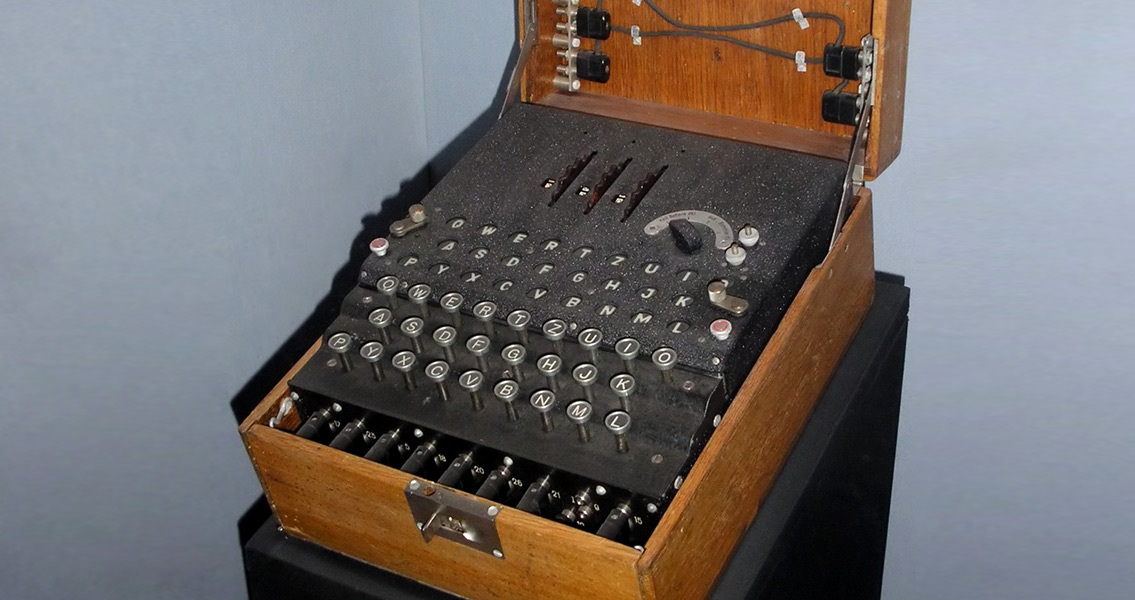
Bletchley Park Code Breakers Make Crucial Breakthrough

Categories
News

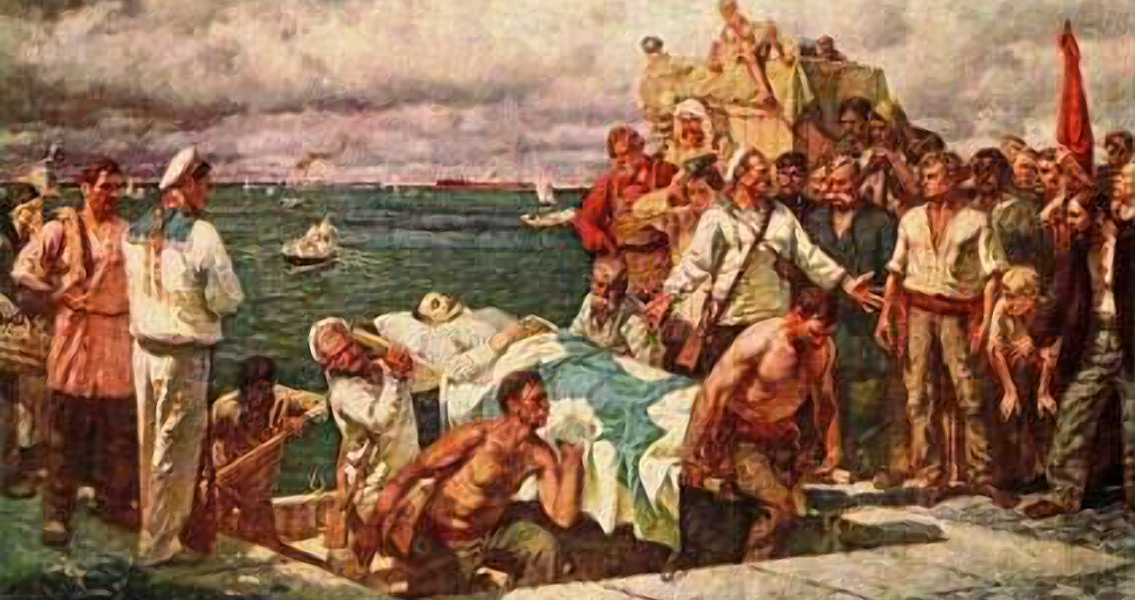
Crew of the Potemkin Surrender

Potemkin surrendered to Romanian authorities at the port of Constantza, on the west coast of the Black Sea. Immortalised in Sergei Eisenstein’s 1925 movie, ‘Battleship Potemkin’, the Potemkin mutiny was one of the most shocking moments of a year of upheaval and unrest in Russia. The striking scenes of Eisenstein’s propaganda film ensured that events on the battleship Potemkin have been remembered more than others from the 1905 revolution as a symptom of the growing conflict between labour and capital which would ultimately split Russia and see the end of the Romanov monarchy. Commissioned in 1903, the Potemkin was one of the newest battleships in Russia’s Black Sea fleet. At sea on 27th June, the ship’s cooks complained that the meat they had been given to prepare was riddled with maggots. The ship’s doctor said that the meat was still fit to use, and instructed the cooks to continue serving it. Hours later a delegation from the crew went to the captain and complained that there were worms in the soup they had been served. Commander Gilarovsky, the ship’s commanding officer, inexplicably flew into a rage which some historians put down to the coarse language used by the crew members, and shot the group’s spokesman, a seaman named Valenchuk. Gilarovsky’s murderous response to the protest inevitably bred more violence. At once the crew members seized the commander and threw him over board. As he struggled in the water he was shot and killed. The refusal of the Potemkin‘s guard to fire on their own ship mates allowed the mutiny to rapidly escalate. A brawl ensued in which sailors were able to seize weapons from the ship’s armory. Several of the ship’s officers and the doctor were shot, while the rest of the officers were imprisoned in one of the Potemkin‘s cabins. A red flag was raised on the ship, and it set sail for Odessa. It was decided that the ship would be governed by a people’s committee, with one of the initial protest’s ringleaders, Matyushenko, elected its leader. At this point protests, riots and unrest were common throughout Russia’s southern cities as the Tsar’s grip on power began to look increasingly fragile. When the Potemkin arrived at Odessa on the 29th June, the unrest in the city quickly escalated as the population tried to deliver food and supplies to the ship’s crew. A violent clash erupted between rioters and government troops which saw huge swathes of the city burnt and over a thousand people killed. Tsar Nicholas II ordered the Russian army to Odessa to suppress the resistance and restore order. They indiscriminately attacked the crowd of protesters, and the Potemkin, powerless to assist the people of Odessa, fled the city. A squadron from the Russian navy was then dispatched to either capture or sink the Potemkin. The ships confronted the Potemkin in the Black Sea, but ultimately refused to open fire out of fear it could trigger mutiny among their own crews. The Potemkin then fled to the Constantza port in Romania to gain vital supplies, but was refused entry. Short on food, and lacking vital supplies to keep the ship running, the crew soon realised they had no choice but to surrender, and on 8th July they handed the ship over to the Romanian authorities. A large chunk of the crew returned to Russia, where they were imprisoned and trialed. Others stayed in Romania, and didn’t return to Russia until after the 1917 Bolshevik Revolution. The mutiny was the culmination of a variety of factors. The February 1905 Bloody Sunday Massacre had shocked the Russian people and galvanised resentment against the Tsarist regime. This led to growing acts of defiance and protest, of which the events on the Potemkin were just one example. In the longer term, Russia’s embarrassing failure in the recent war with Japan, combined with continued terrible conditions for its armed forces, had led to widespread dissatisfaction among all but the highest ranking members of the military. As Eisenstein’s movie about the Potemkin shows, the mutiny was later used by Soviet leaders as a heroic example of the history of the development of communist ideals in the country. Image courtesy of Wikimedia Commons user: HOBOPOCC]]>

Categories
News

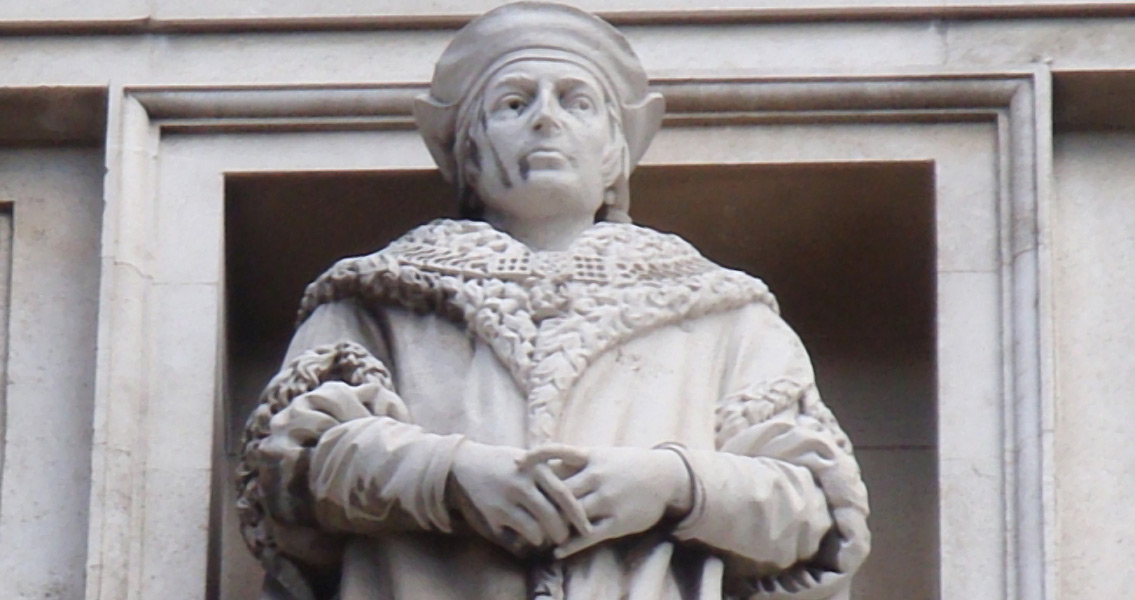
Sir Thomas More Executed

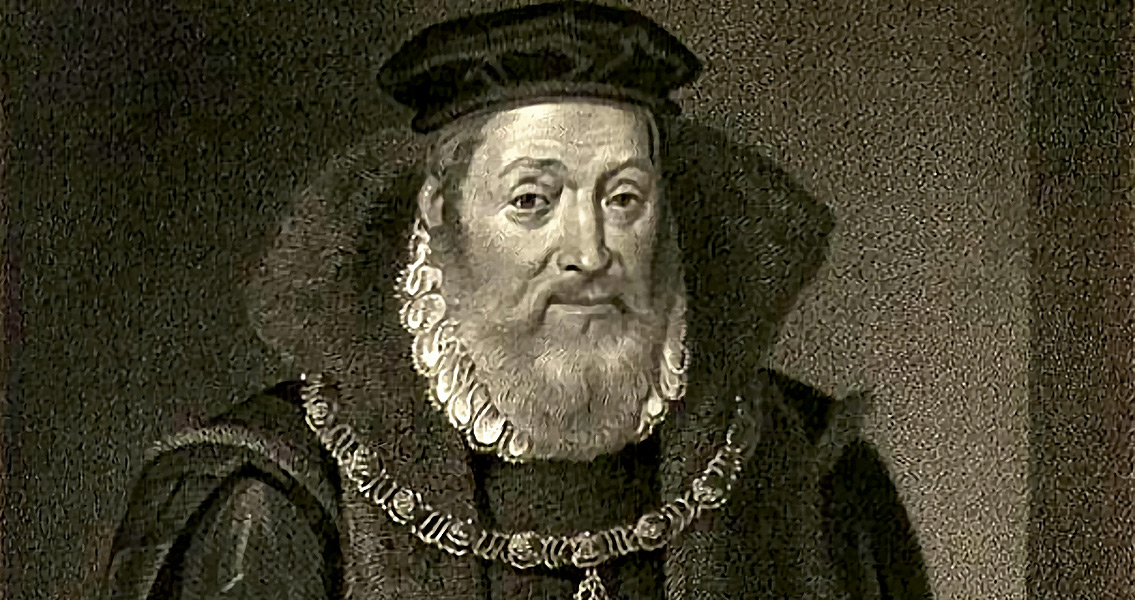
Utopia, is a key piece of political philosophy which remains hugely influential. In it, More describes a fictional society based on equality. It is debated whether More was advocating the world he described, or if the work was purely a means to encourage political debate. Nevertheless, it put forward radical ideas of a society which practiced religious tolerance, gender equality and averted any class systems, making the book seem as radical now as it did in the sixteenth century. More was arrested in 1534, accused of refusing to swear to an oath of succession which essentially confirmed that Henry VIII was a higher authority than the pope, and the head of the Church of England. He was sentenced to death, although he was spared the brutal ordeal of torture reserved for traitors and instead had his sentence reduced to decapitation. Born to a prominent family in London in 1478, More wanted to study Ancient Greek in his youth. Following his graduation from Oxford University, and under pressure from his father, More studied law and became a barrister in 1501. Nevertheless, alongside his legal career More dedicated himself to a study of the Classics while also leading a life of devotion to Catholicism. Such was his commitment to the church that More moved to a monastery just outside London in 1503. Although he ultimately opted to abandon the monastic life in order to serve his country in Parliament, More continued to practice strict regimes of fasting, prayer and penance for the rest of his life. In 1517 More entered the service of Henry VIII and quickly became one of his most important advisers, working among other roles as a diplomat, speech writer and interpreter. In 1521 he was knighted, in 1523 he became the Speaker of the House of Commons and in 1525 Chancellor of the Duchy of Lancaster. The Reformation saw More’s relationship with the king deteriorate drastically. More argued against Henry’s decision to split from the Catholic Church and declare himself the head of the Church of England. He resigned from his position as chancellor, and continued to criticise the king’s decision. It was this defiance which has seen More so widely celebrated by the Catholic church, but it also ultimately cost him his life. Image courtesy of Wikimedia Commons user: Lonpicman]]>

Categories
News

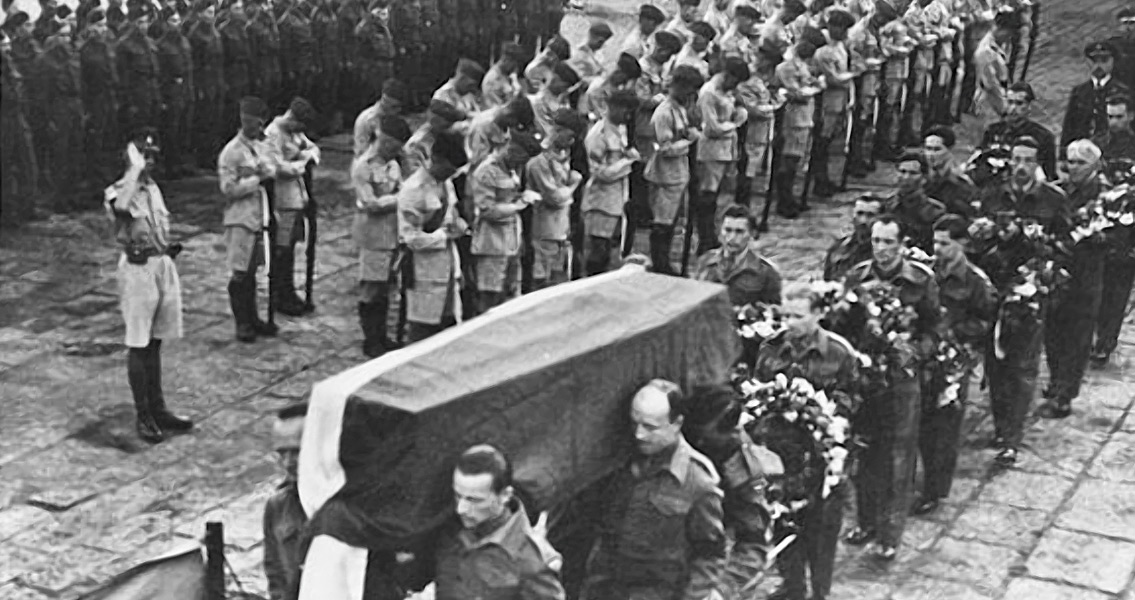
Władysław Sikorski Killed in Plane Crash

Categories
News

Kafka Controversy Resolved Before Anniversary of his Birth

Categories
News

The Amistad Mutiny

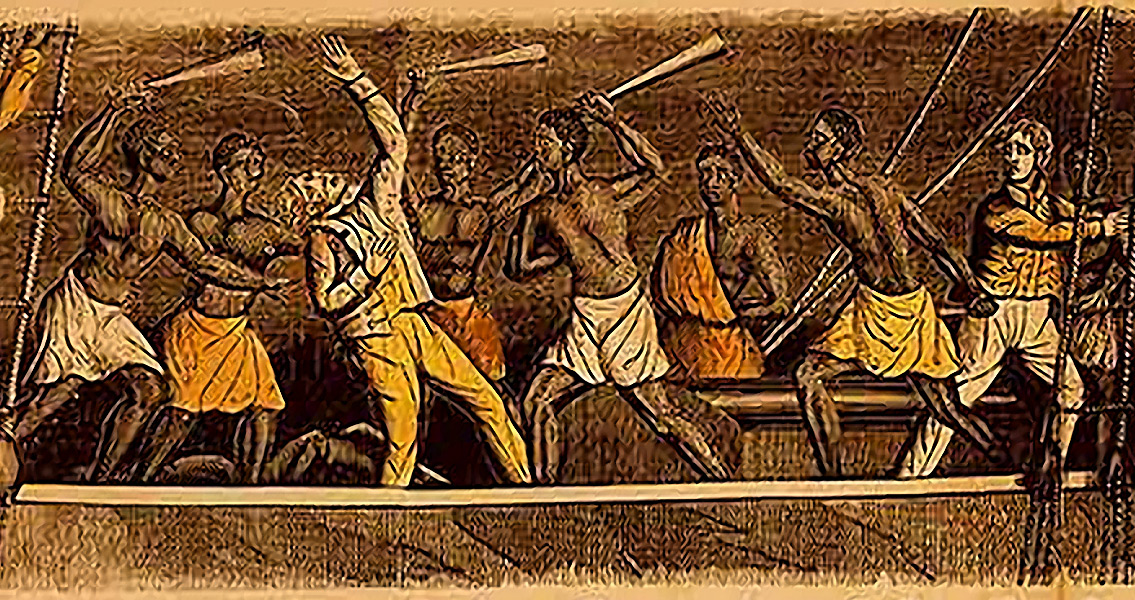
Amistad. The event became the basis for one of the most significant court cases in US history and a defining moment in the development of the abolition movement in the United States. Sometime in April 1839 Clinque, a 26 year old man from Mende in Sierra Leone, was captured alongside hundreds of others from the West African tribes by Spanish slave merchants. With his wife and three children still free and living in Sierra Leone, Clinque and 500 other slaves were taken, chained hand and foot, aboard the Portuguese slave vessel Teçora to the Caribbean. Teçora finished its voyage by entering Cuba under the cover of night. The secretive approach was because of Anglo-Spanish treaties which had made the trade of slaves from Africa a capital crime. Slavery was legal in Cuba however, meaning once smuggled ashore it would be possible to trade the slaves on the Cuban market. Highlighting the horrendous conditions endured by the captives aboard Teçora, a third of the slaves had died by the time the ship reached Havana. Clinque and 53 other slaves, including four children, were bought by two Spaniards: Jose Ruiz and Pedro Montes. The slaves were collected aboard the Amistad, a small schooner built in Baltimore especially for the slave trade. It set sail on a 300 mile journey to transport the slaves from Havana to Puerto Principe, on another part of Cuba. The mutiny started three days into the voyage. Clinque used a nail to pick the locks of his chains and free the other captives. The escapees, armed with machete like weapons they had found in the vessel’s stores, stormed the ship, killing the Amistad‘s captain and cook, and injuring Montes and Ruiz. The lives of the two Spaniards were spared for their navigational skills, and they were tasked with sailing the ship back to Africa. Montes and Ruiz deceived the captives and had the ship sail back and forth along the coast of the Americas. After two months at sea the vessel was spotted by the USS Washington off the coast of Long Island. The difficult voyage had seen around a dozen of the slaves perish. The US Navy ship escorted the Amistad to Connecticut, where Montes and Ruiz were freed and the Africans were imprisoned pending an investigation into the mutiny. Quickly the mutiny escalated into an international issue which engaged directly with the long standing controversies over slavery. A group of evangelists, led by Lewis Tappan, worked to publicise the incident as a means to expose the evils of the slave trade. A key turning point took place when they found two other men from Sierra Leone who could serve as translators for Clinque, allowing his side of the story to be publicised. Increasingly, abolitionists painted and spread a vivid depiction of the horrendous conditions endured by the slaves. They launched a case, arguing that the Africans had been enslaved illegally and had thus broken no laws in trying to escape from bondage. On the other side, Montes and Ruiz sued the slaves, on the basis that they had been deprived of their property. They demanded the return of the slaves, which they fraudulently claimed had been born in Cuba. The Spanish government was eager for the slaves to be returned to Cuba to stand trial for piracy and murder. Tremendous diplomatic pressure was therefore placed on US President Martin Van Buren to find a quick solution to the mutiny which would appease the Spanish demands. An interesting sub-plot to the case was the Spanish awareness that if Mortes and Ruiz were found guilty of having kidnapped the slaves from Africa, Spain’s infringement of the treaty banning the African slave trade would be revealed. This, in turn, would provide the British with justification to intervene in Cuba. An initial trial, in January 1840, ruled that the slaves had been imprisoned illegally. As such, they would not be forced to return to Cuba to stand trial but instead freed and returned to Africa. Shockingly, Van Buren and the Spanish government both intervened in the case, and appealed the verdict to the Supreme Court. In March 1841 the Supreme Court confirmed the original verdict, ruling again that the slaves had been imprisoned illegally. With financial assistance from the abolitionists that had backed their campaign, the Africans from the Amistad set sail for West Africa in November 1841. For the United States, the verdict of the trial was pivotal. It revealed the growing momentum of the abolition movement, and the growing contradictions between US law and the moral principles supposedly embodied in the country’s Declaration of Independence. The event became a public as well as political spectacle, highlighting the divisions between slave owners and abolitionists. The result set an important legal precedent concerning the importance of ‘natural law’ over the property rights of the slave owners and as such, the outcome of the Amistad trial was a crucial step in the process which ultimately culminated in the Thirteenth Amendment in 1865.]]>

Categories
News

The Treaties of Greenwich