Categories
Breaking News

Giant Polar Bear Skull Could Belong to 'King' Bear

Western Digs article, adding, “The back of the skull is longer and comparatively narrow, for example, with features that are noticeably different from those of modern polar bears. The front part of the skull, from roughly the eyes forward, is like that of typical polar bears,” Jensen said. Research biologist Dr. Raphaela Stimmelmayr compared The Old One to over 300 polar bear skulls kept at the University of Alaska Museum of the North and discovered several others that had similar features, making it unlikely that The Old One was entirely unique. “It’s possible it’s a subspecies,” Jensen says in the article, “or perhaps it’s more like [with] domestic dogs, where a borzoi and pug are considered members of the same species, [and] not [a] subspecies, even though their skulls are far more different than this is from a standard polar bear skull.” Ethnographers have documented stories of oversized polar bears from a number of Inuit groups. For example, the Inuvialuit people of Canada’s Northwest Territories have tales about a giant “weasel bear”, and the indigenous peoples on St. Lawrence Island and other locations have shared accounts of what they refer to as a “king bear.” Ethnographic accounts from the Utqiagvik area, however, don’t include any mention of a giant bear, either because these bears weren’t present when the ethnographic accounts were collected or because researchers didn’t ask the right questions. The archeological site Walapka, an ancient settlement, was occupied off and on over a 4,000-year period. Jensen, along with her colleagues, intend to further research the skull, including the cross-sectioning of several teeth as well as DNA analysis. The team’s findings were reported in Anchorage, Alaska, during the Alaska Marine Science Symposium. Images of the skull can be found here]]>

Categories
Breaking News

17th Century Royal Murder Meets 21st Century DNA Analysis

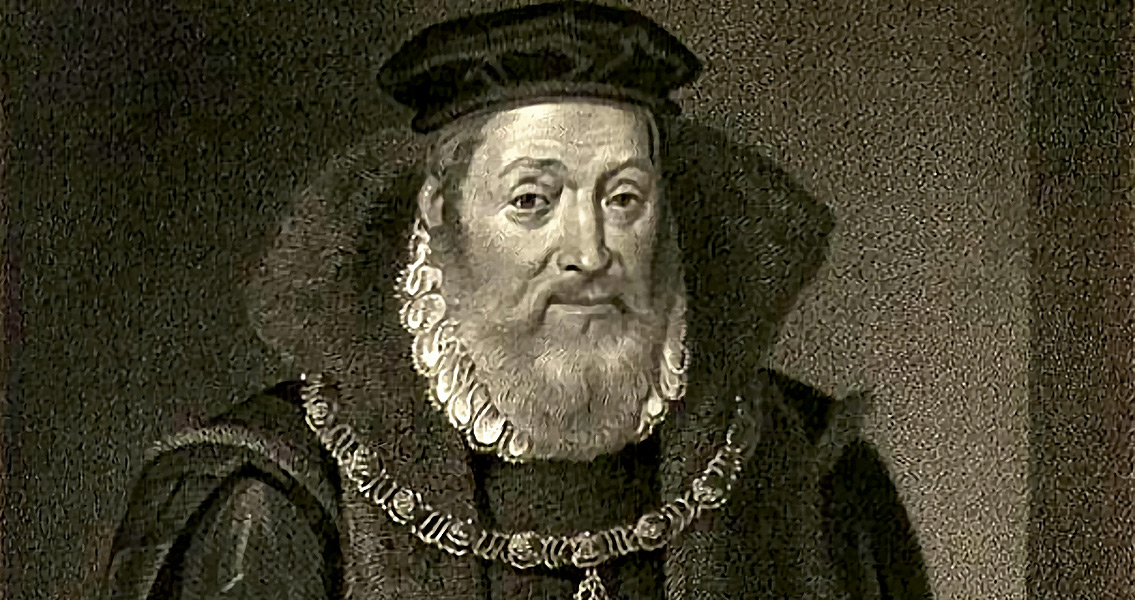
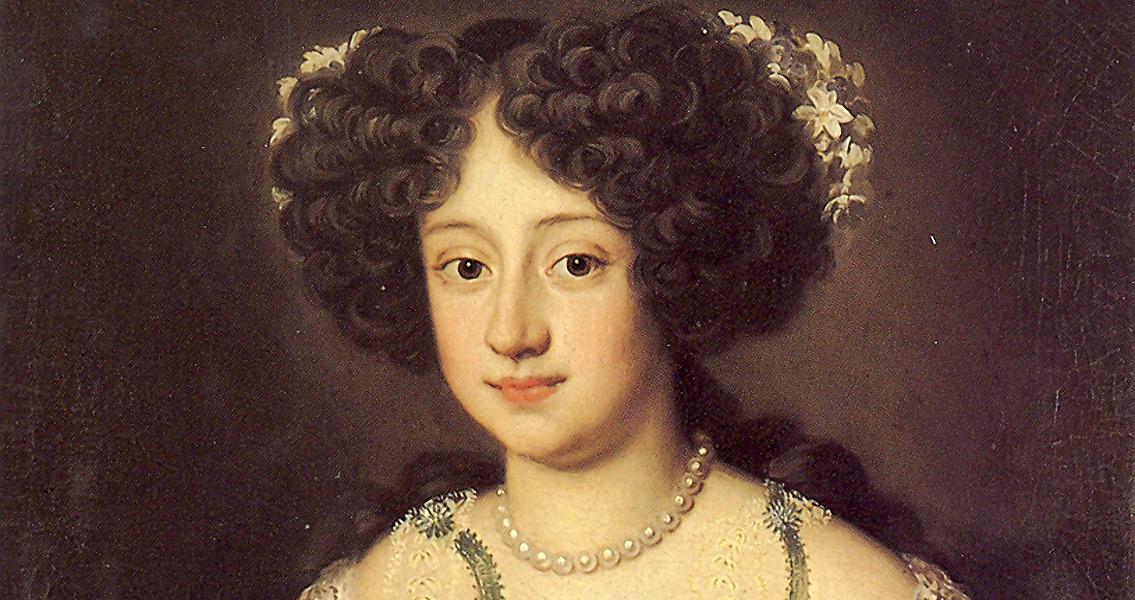
Hannoversche Allgemeine Zeitung. “If it really is the bones of Königsmarck, [it] would be a sensation.” Philip and Sophia’s love story has inspired a number of films and books, largely due to the surviving cache of love letters. Sophia is typically seen as a sympathetic figure despite her infidelities because her husband was such an awful person, not just to his wife but to everyone. George was also unfaithful, physically abusive, and he enjoyed openly snubbing her in favor of his mistress: Melusine von der Schulenburg. According to Eleanor Herman’s book “Sex with the Queen”, George’s own mother referred to him as “the most pigheaded, stubborn boy who ever lived, who has round his brains such a thick crust that I defy any man or woman ever to discover what is in them.” Sophia spent the remainder of her life, 32 years, locked up at Castle Ahlden in Saxony. She was buried there, but later transferred and interred next to her parents in Celle, where she remains today. ]]>

Categories
Breaking News

Biblical Gate Once Considered a False Idol Excavated in Israel

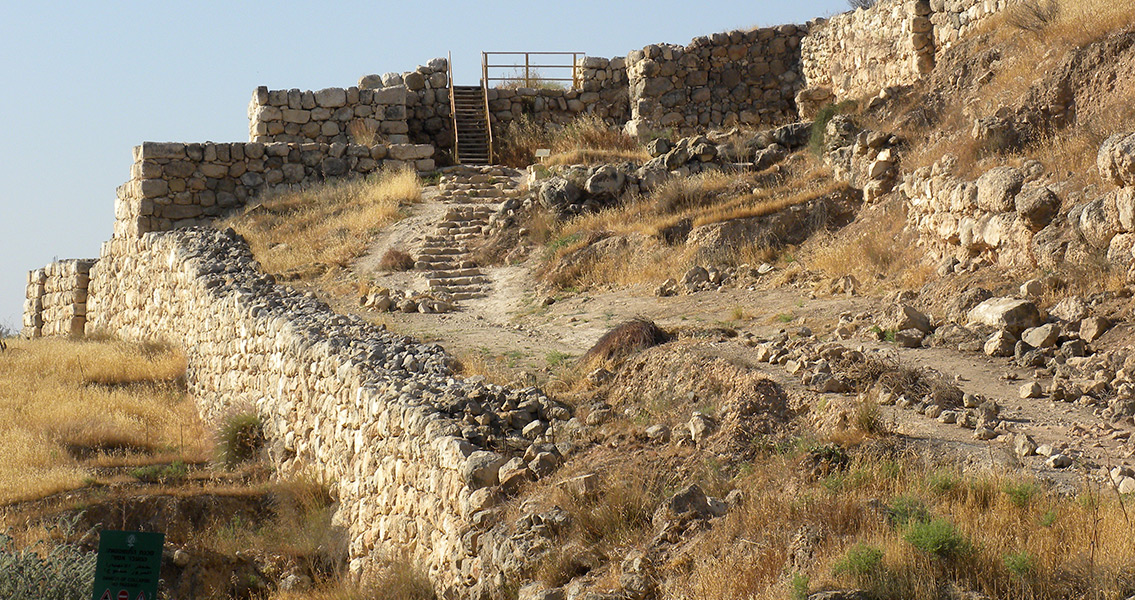
Live Science. The gate-shrine was found in the ancient city of Tel Lachish. The gate’s northern section was uncovered decades ago by archaeologists from Tel Aviv University and the United Kingdom. This recent dig was focused on unearthing the entire structure, no small task considering the gate-shrine is the biggest one constructed in Israel, going back to the First Temple era when the kingdom worshiped at the temple King Solomon built. Sa’ar Ganor, a director with the IAA, said in a statement released by the Authority: “The size of the gate is consistent with the historical and archaeological knowledge we possess.” According to the Hebrew Bible, “everything took place” where the gate/shrine of Tel Lachish was originally built. High-ranking officials, including city elders, governors, and judges, would sit on benches by the city gate. Those benches have been found as part of the excavation project. Thirteen feet (4 meters) of the Tel Lachish gate-shrine have been exposed and preserved. The excavation has revealed benches which included armrests, oil lamps, arrowheads, and jars and scoops used for loading grain. Some of the jar handles had the name “lmlk” on them, which was the king’s seal. These jars may have been related to the administrative and military preparations made by the Kingdom of Judah for the war against the king of Assyria, Sennacherib, late in the eighth century BCE. “Steps to the gate-shrine in the form of a staircase ascended to a large room, where there was a bench upon which offerings were placed,” Ganor said in the statement from the IAA, “An opening was exposed in the corner of the room that led to the holy of holies [the gate-shrine]; to our great excitement, we found two four-horned altars and scores of ceramic finds consisting of lamps, bowls, and stands in this room.” The horns on the altar, however, had been intentionally cut off. “That is probably evidence of the religious reform attributed to King Hezekiah, whereby religious worship was centralized in Jerusalem and the cultic high places that were built outside the capital were destroyed,” Ganor added. Ze’ev Elkin, the minister of Jerusalem affairs, heritage and environmental protection, as well as a member of the Israeli parliament, told Live Science the discovery shows “how biblical tales that are known to us become historical and archaeological stories” The site, which is in the Tel Lachish National Park, has not been opened to the public. ]]>

Categories
News

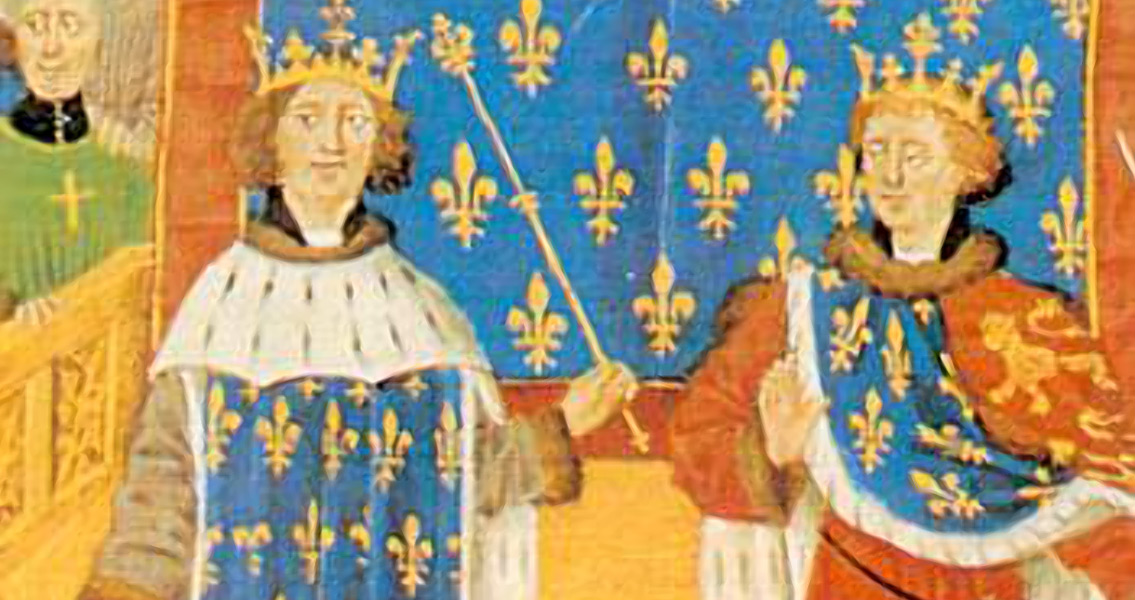
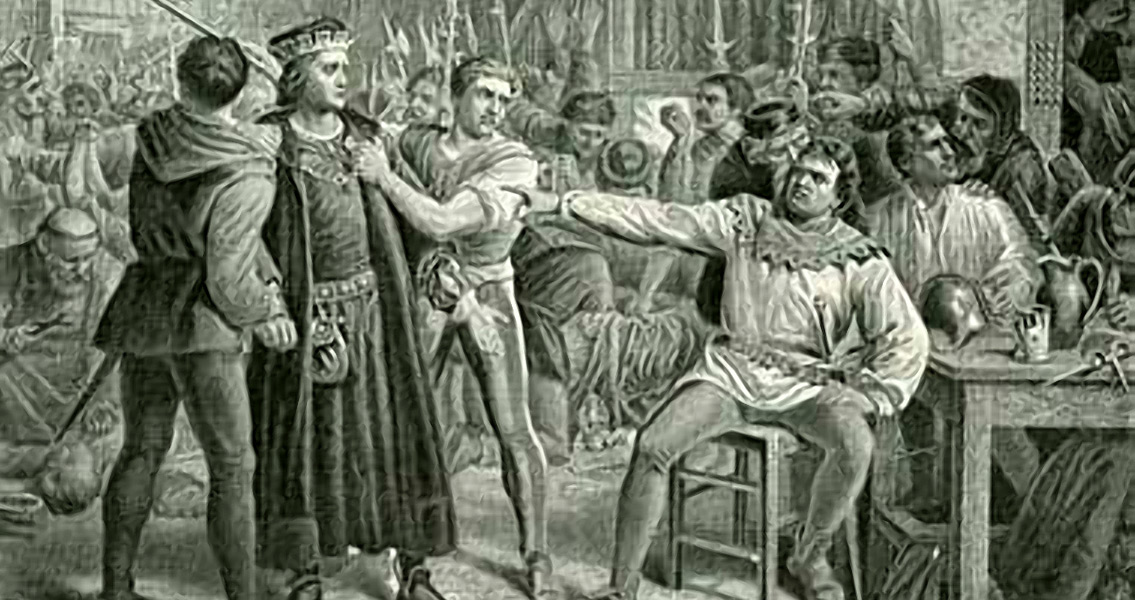
Richard the Lionheart Ascends To The Throne

Categories
Breaking News

Scythian King's Tomb Found in Altai

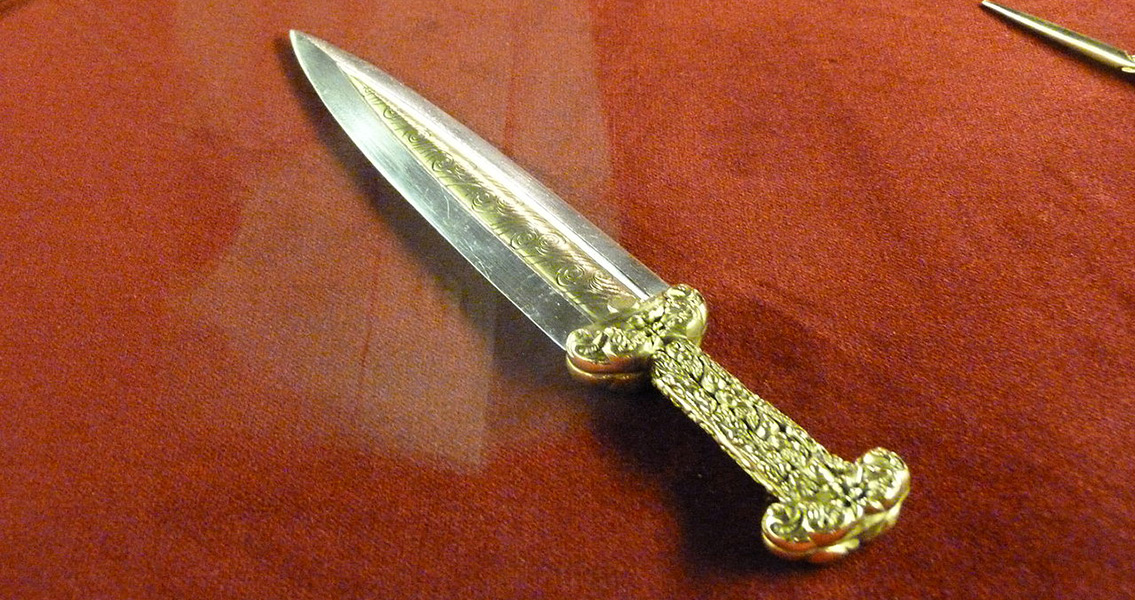
Scythian find, this time in Stavropol, also in southern Russia, which consisted of several vessels made from solid gold. The kurgan in which they were found was dated to the fourth-fifth century BCE, which is significantly earlier than all the other kurgans discovered so far. Kurgans are the only physical evidence of Scythian settlements and are therefore the main source of information about this civilisation. Earlier this month, ZME Science reported another kurgan find, of a Scythian woman warrior, a high-class member of the Sarmatian people. Scythian women fought alongside men, and this lady’s status was evidenced by over a hundred arrowheads, several knives, a sword, and a horse harness. The tomb also contained considerable amounts of gold and silver, further confirming that its occupant was a noblewoman. Image courtesy of Wikimedia Commons user: Derzsi Elekes Andor]]>

Categories
News

The Treaties of Greenwich

Categories
News

The Start of the Cade Rebellion

Categories
News

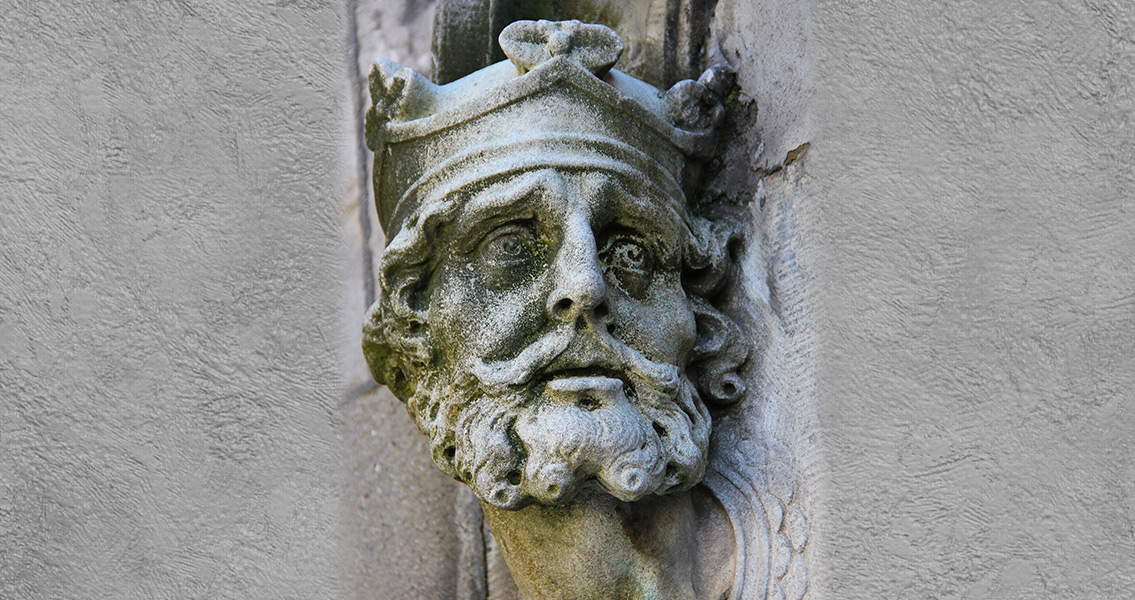
Death of Brian Boru

Categories
Breaking News

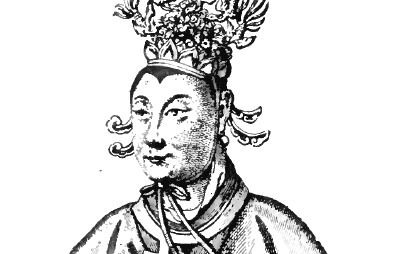
Ancient Chinese Mausoleum Found